
Freedom to stay home: Can rural communities break free from distress migration?
Fickle weather destroying farmlands and eroding livelihoods fuel rural to urban migration but some rural communities are finding ways to adapt.

Fickle weather destroying farmlands and eroding livelihoods fuel rural to urban migration but some rural communities are finding ways to adapt.
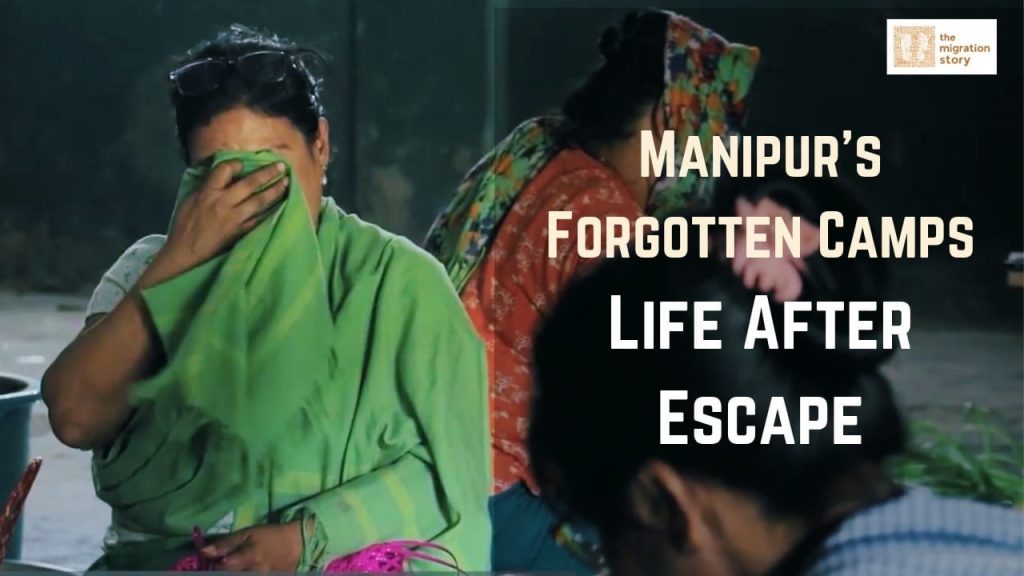
Violence in Manipur has forced thousands to flee their homes. More than two years later, families continue to live in relief camps with the uncertainty of what the future holds, the struggle for daily-wage work and the emotional toll of living without a home

From unpaid care work to the lowest-paid factory jobs, labour of migrant women is unacknowledged. With the home becoming an extension of work, over time this bodily overuse leads to the inability to work, produce, care, or even sustain itself

South Asians form a bulk of Saudi Arabia’s low-wage workforce and any news around the country’s labour norms are tracked keenly, including the recent fake news around the employer-tied visa sponsorship of workers.
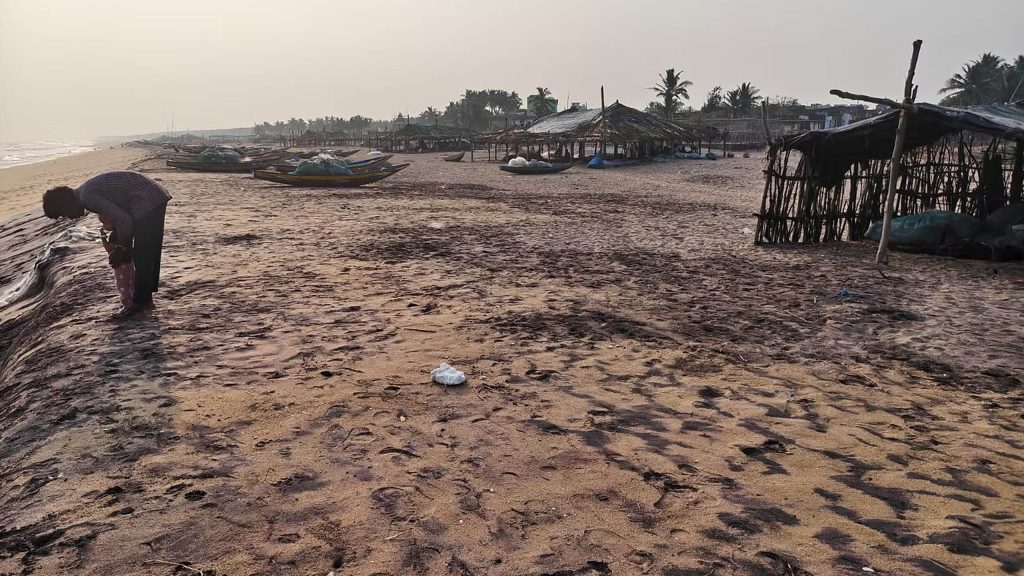
The migration of women from coastal Odisha to other states over the years reflects the thousands of livelihoods lost to cyclones, floods, and sea erosion. The women who migrate for work risk everything — they travel far from their community, uprooting themselves from their culture, language and families. Will Odisha government’s newly launched mobile migrant resource centre be able to arrest distress migration?

Cases fuelled by cramped, unsanitary living conditions in factory-provided accommodations, and also visits to villages, say campaigners and doctors. Migrants seek Hindi-language medical camps.
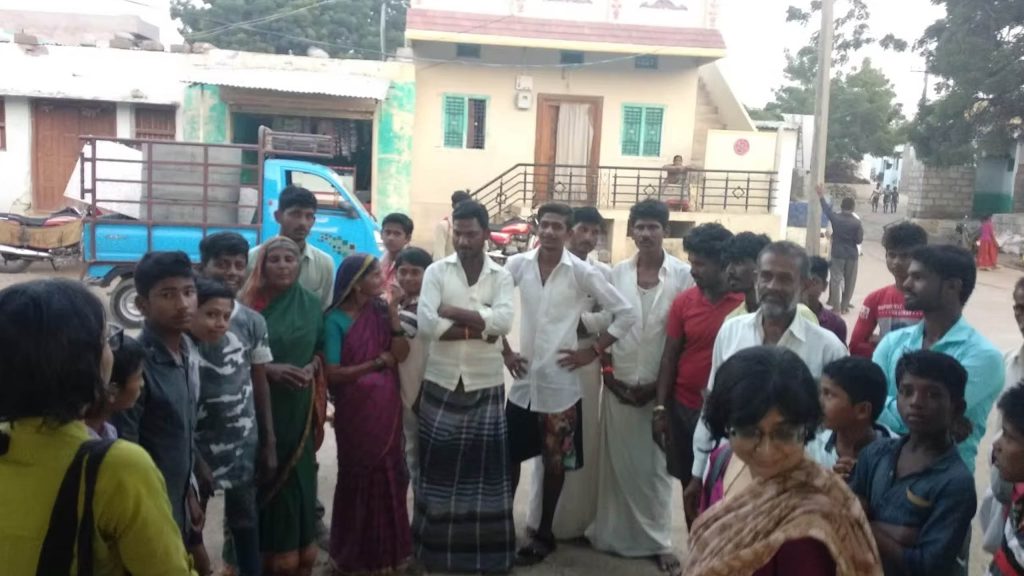

The government’s skill development schemes encouraged youth in Raichur to migrate to cities for better jobs, but many only found low-paid work in urban areas and have been returning to their villages.
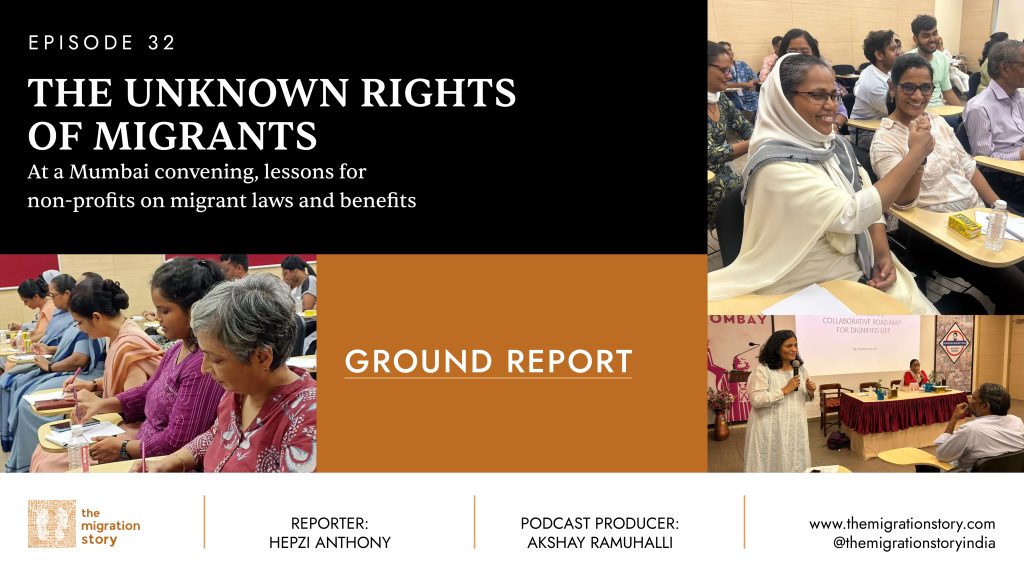
At a Mumbai convening, campaigners speak about the many welfare schemes available for migrants that exist mostly on paper, as accessing them is extremely difficult due to lack of awareness and cumbersome documentation.
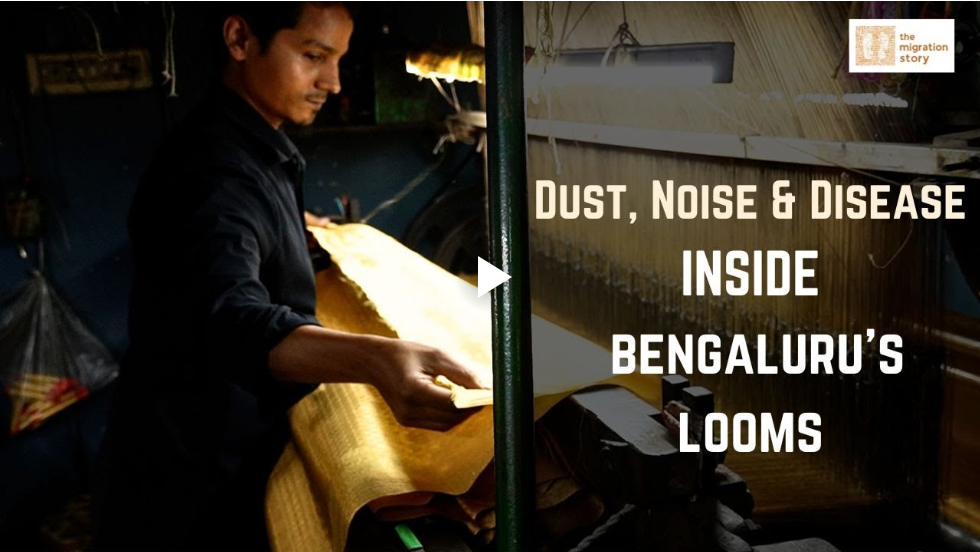
Working up to 12 hours a day for meagre wages, labourers from Bihar, Odisha, and Uttar Pradesh operate looms in Bengaluru. But behind every metre of fabric lies a story of exploitation — unsafe working conditions, long shifts, and lives spent in debt and silence.
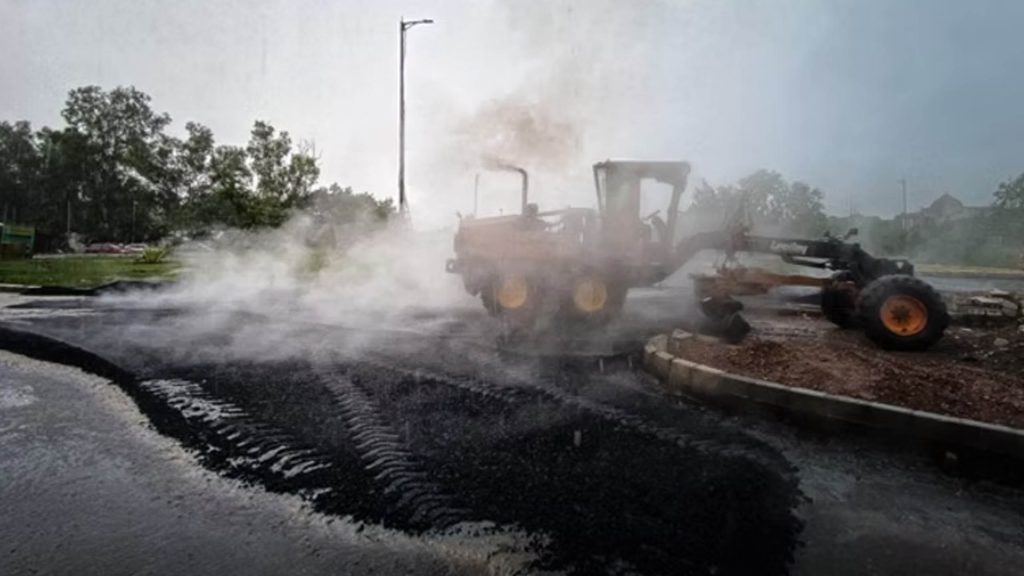
India’s construction industry employs nearly 60 million people but many lack skills to keep pace as the sector turns green

Art explorer Simeen Kaleem discusses the past, present and future of Indian…

Scores of migrant workers from across India bought exorbitant train and plane…

The ongoing conflict in West Asia is beginning to impact energy supplies,…
As Idukki’s tea plantations witness a demographic shift from Tamil migrants to…

Development economist Dr Santosh Mehrotra unpacks the implications of India's new codes…
The Deka family lives all alone in their ancestral home in one…