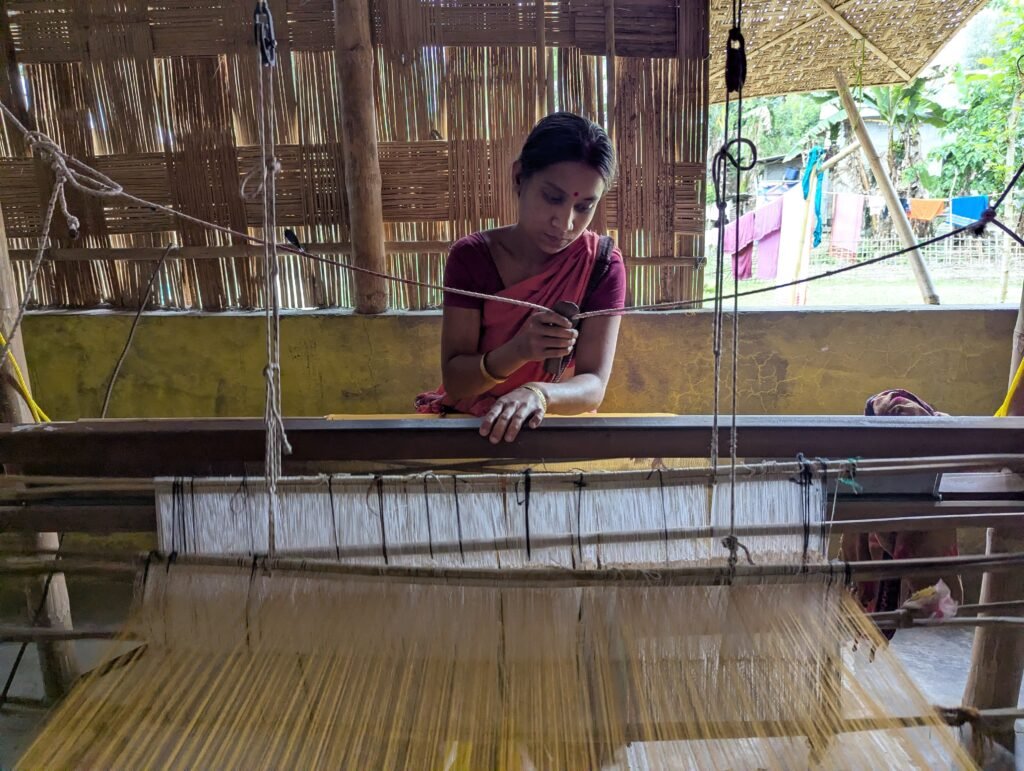
‘I feel guilty to celebrate my survival’


WEST KARBI ANGLONG, EAST KARBI ANGLONG, HOJAI, Assam: On September 9, a police car pulled up in front of Birison Sangma’s home in Satgaon, a sleepy village in central Assam’s West Karbi Anglong district. Birison’s wife, Tirina, his 14-year-old son Barlian and his two brothers, Elphison and Amerson, somberly lined up outside their two-room home to greet the police officers.
The police were there to accompany the three adult Sangmas, members of the tribal Garo community, to the local hospital to give their DNA samples for a possible match with Birison. The 36-year-old immigrant worker to Nepal has been missing after the Himalayan state’s flash floods on August 26 swept away the hydropower project where he was working. “If my brother has died in the floods, this is our only hope of identifying him,” said a distressed Elphison, who fortuitously survived the disaster in the same plant in Rasuwa district.


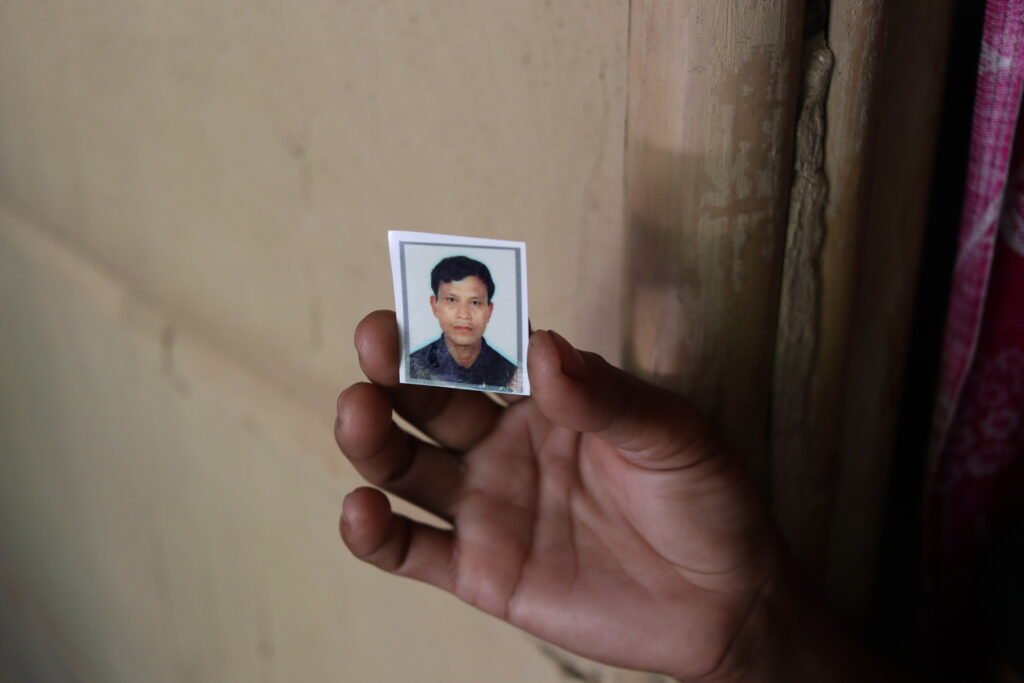
As of September 24, 1,453 bodies had been recovered from the mud and rubble while 5,550 people remained missing after the floods, triggered by an ice avalanche, battered schools, homes, and hydropower projects along the Trishuli river in northern and central Nepal. Of the bodies recovered, only 112 had been identified, while DNA samples had been collected from 1,329 bodies and 2,000 relatives, Reuters reported.

The deluge destroyed at least 13 hydropower projects, the total damage toll accounting for 10% of Nepal’s electricity generation capacity. Thirteen workers from Assam worked in different departments of these, especially at the 216-megawatt Upper Trishuli 1. Assam chief minister Himanta Biswa Sarma confirmed that eight of them, including Elphison, were rescued and brought back home on August 31, while the rest remained untraceable as of October 2.
According to disaster epidemiologists, the odds of survival decrease radically for those trapped in tunnels and under rubble after a 72-hour window, as access to water becomes difficult. With Birison missing for over a month after the apocalyptic torrent, his family faces a dilemma: whether to hold out hope to Birison’s son and wife or prepare them to accept the tragedy.
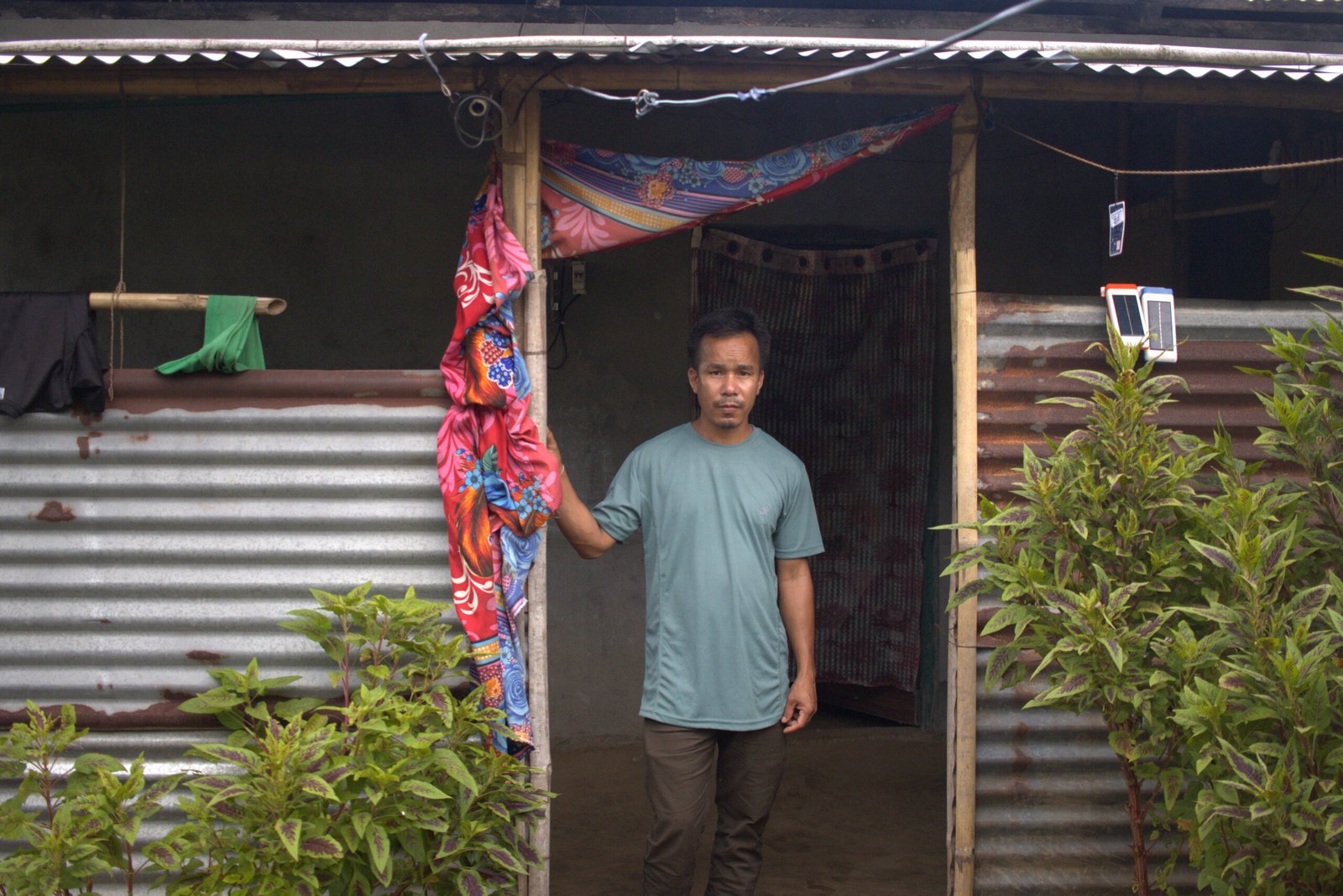
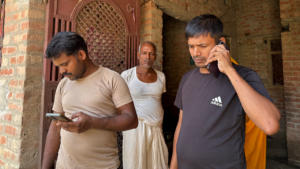
Soneswar Nazary, one of the eight rescued Assamese hydropower workers, still cannot believe that he miraculously survived the devastating flood. Arshad Ahmed/The Migration Story

‘IT WAS A MIRACLE’
The Migration Story travelled across three districts—West Karbi Anglong, East Karbi Anglong and Hojai—and spoke to the families of those still missing as well as three survivors of the disaster. Among the latter was 36-year-old Soneswar Nazary from East Karbi Anglong’s Daidak village, who was still reeling from the trauma of what he had witnessed on the fateful day.
Soneswar, a welder at the Upper Trishuli 1 hydropower project, was in his workshop, situated around 100 metres from the dam.
“It was 9 am,” he recalled. Suddenly, droves of panicky workers emerged from the workshop, screaming: ‘Run… paani (water)…paani!’. I was surprised, as there had been no rain in the area for days. But I fled with the other people to take cover.”
Moments later, a deafening explosion—the kind he had never heard before—shook the ground beneath his feet
“It was the sound of the dam breaking,” he said. “The flood waters gushed out to a distance spanning 50 feet, tearing through everything. All those who had rushed to the streets were wiped away in seconds. It’s a miracle how I survived.”


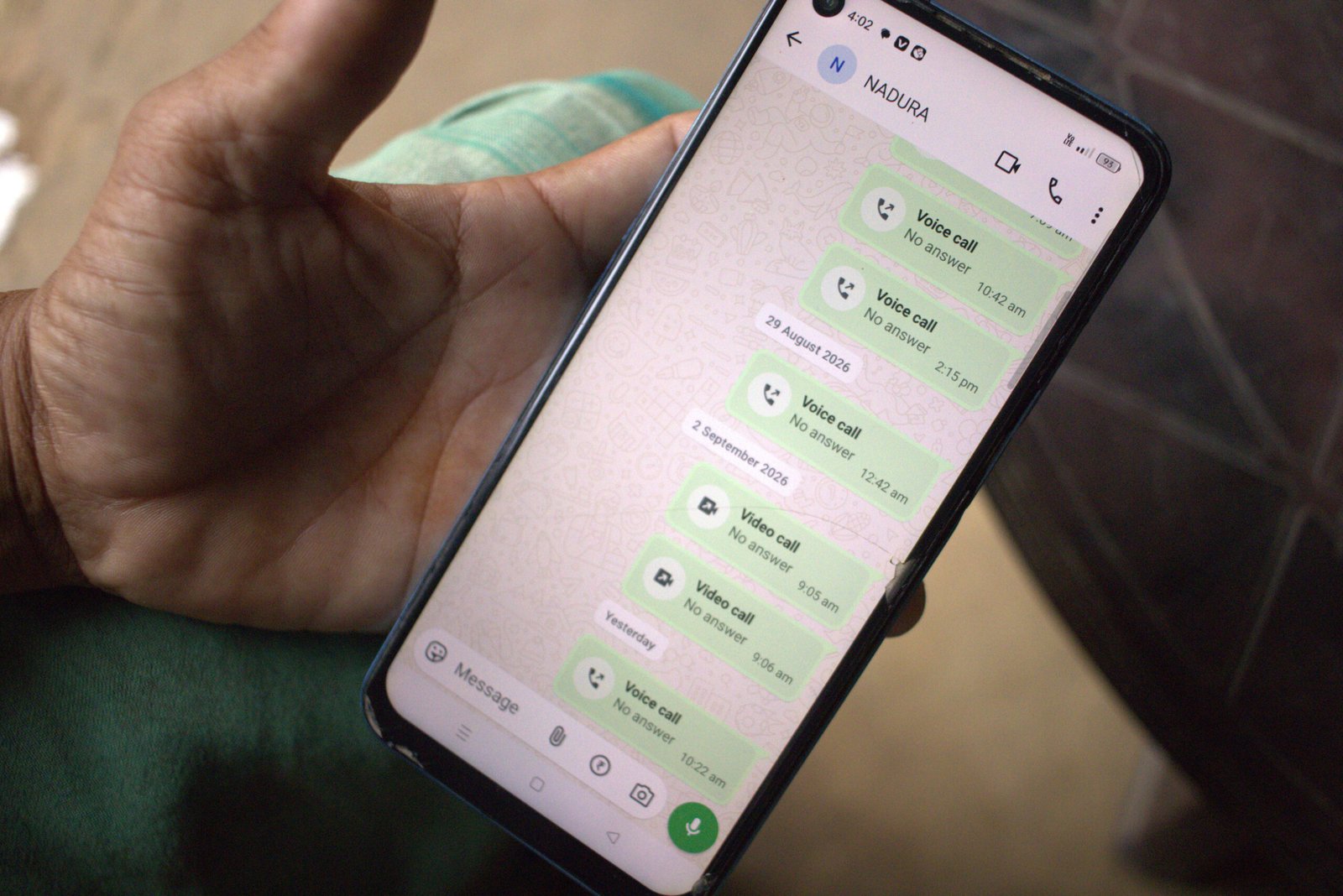
Kalyan Brahma, the father of Ritubrahma who has also been missing, still calls him on his WhatsApp number every day, hoping for a miracle .
Those swept away by the water included two of Soneswar’s family members—Rituparna Brahma and Montri Basumatary, aged 25 and 28—who had been working in Nepal for only 14 days. They are among over 800 hydropower workers still untraceable following the Nepal flood, Biraj Bhakta Shrestha, Nepal’s minister for energy and water resources, told Parliament on September 23. Of the total figure of missing hydropower workers, 439 remain unaccounted for in Upper Trishuli 1, the most in any hydropower project.
Soneswar said that at one point he gave up on his life when he looked back at the gush of water flattening buildings, shops, and even rocks. “I was buried up to my neck in mud and sludge,” he said. “But just as I was about to faint, I gathered the last remaining strength in me to free myself and ran towards the hilltop.” The worker sustained a head injury in his battle for survival but came out alive.
Like Elphison and the rest of the survivors from Assam that The Migration Story spoke to, Soneswar spent two days on the hilltop surviving on food and instant noodles provided by locals till a rescue helicopter airlifted them and took them to Nepal’s capital, Kathmandu. The relief at his providential escape is, however, clouded by sadness. “I am happy to be back home but I feel guilty to celebrate my survival, as Rituparna and Montri are yet to be found,” he said.