









Shape of Momo: Migration, memory, and the myth of homecoming
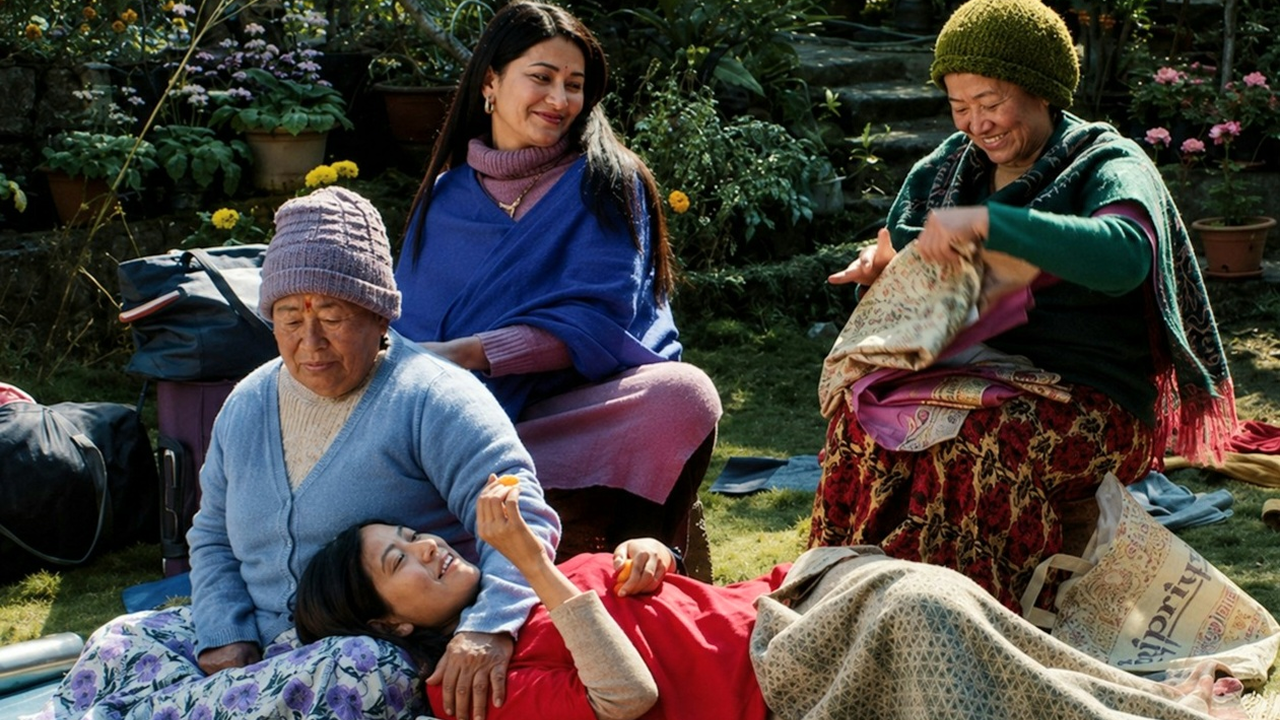
In her latest film, filmmaker Tribeny Rai crafts a tender, yet insightful exploration of migration, womanhood, and belonging.
Tribeny Rai, director of the ‘Shape of Momo’ that released last month to rave reviews, reflects on return-migration, the search for belonging, and complex womanhood.
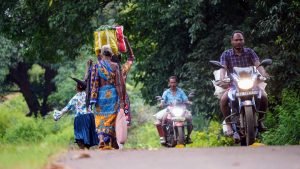
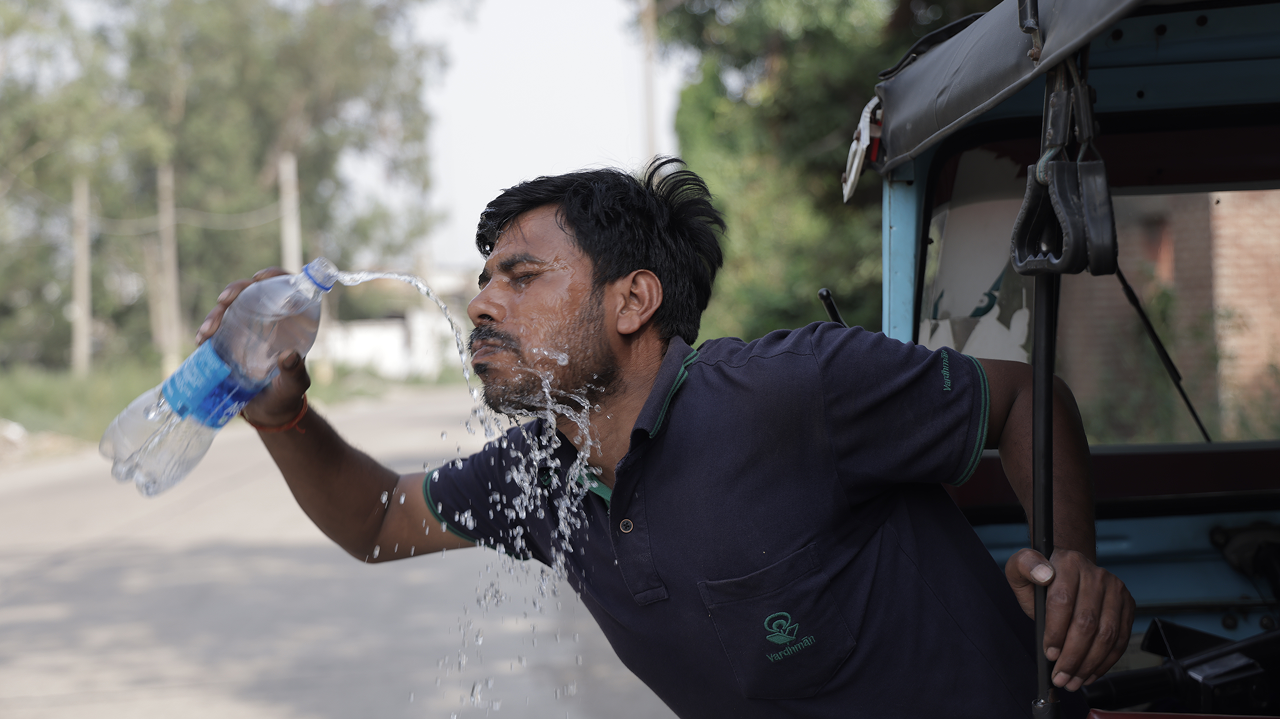
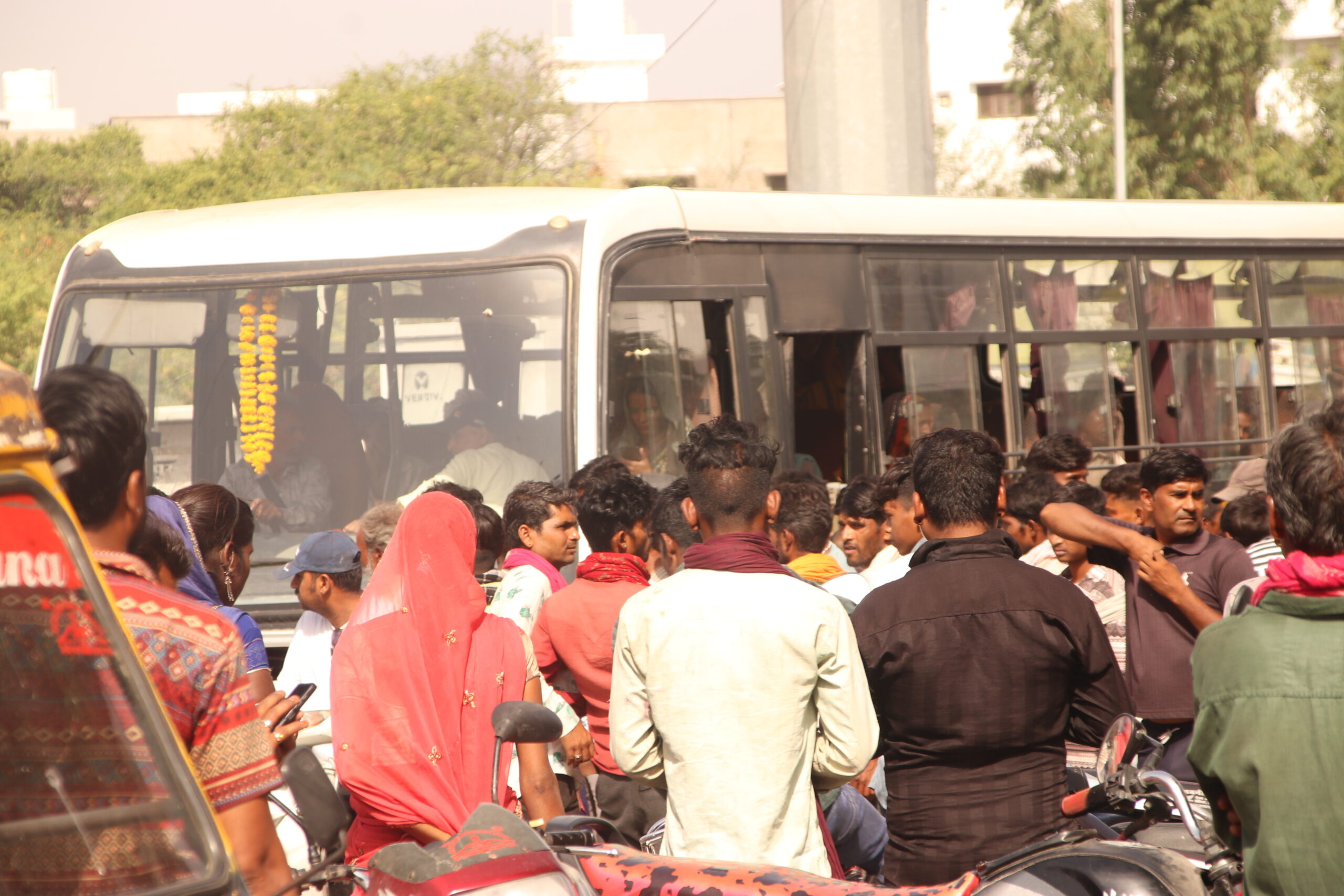
A bus service in Udaipur district and its villages has cut migration to other states, offering many villagers the luxury of returning home every evening. But to catch the last bus home, they must work through the peak heat hours to protect their daily wages, even as the district’s heat advisories ask people to stay indoors.
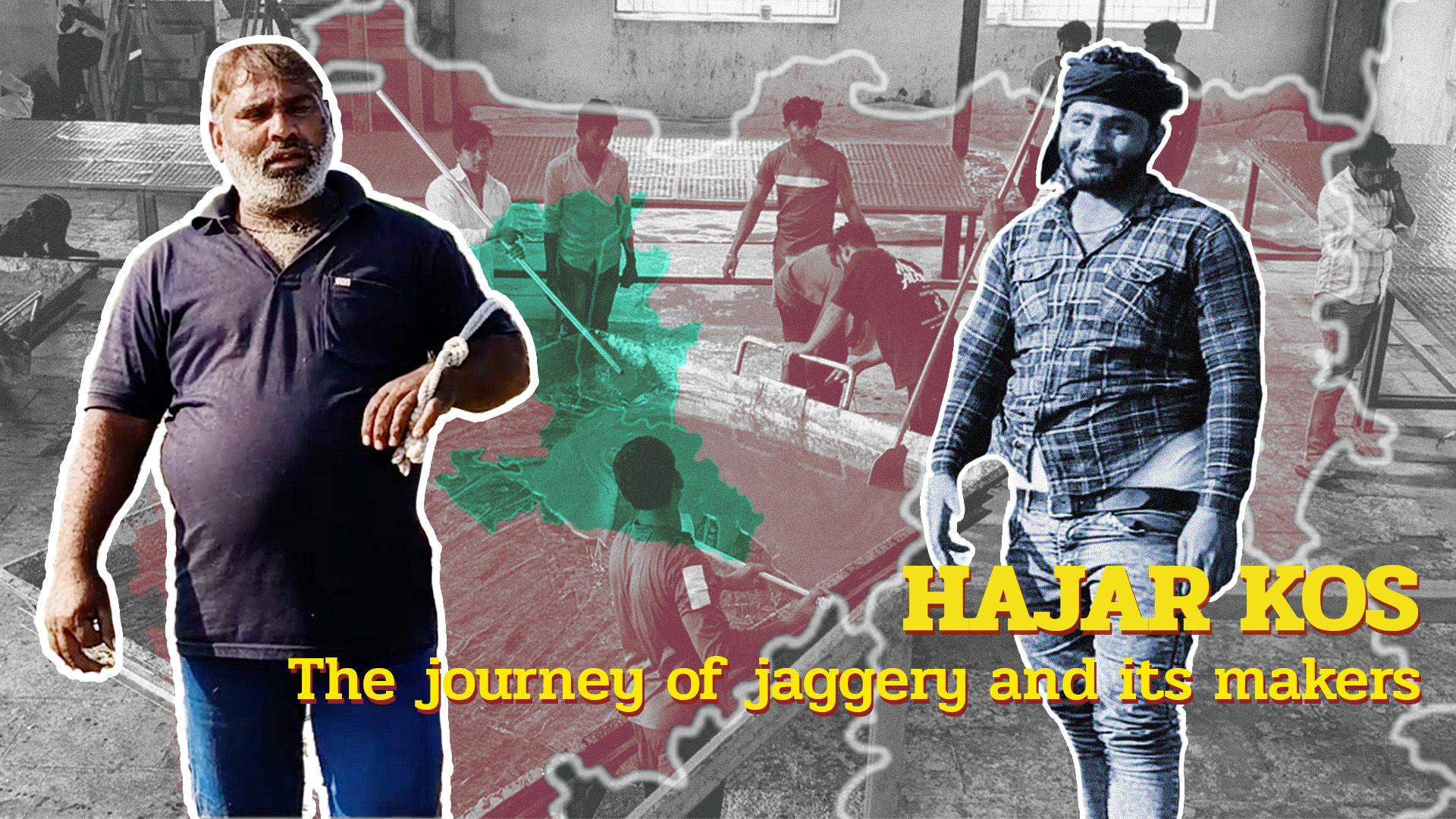
Maharashtra has hundreds of jaggery processing mills across the states, from co-operative units to private entities. These mills have become a seasonal livelihood source for thousands of migrant workers from districts of Maharashtra and Uttar Pradesh.
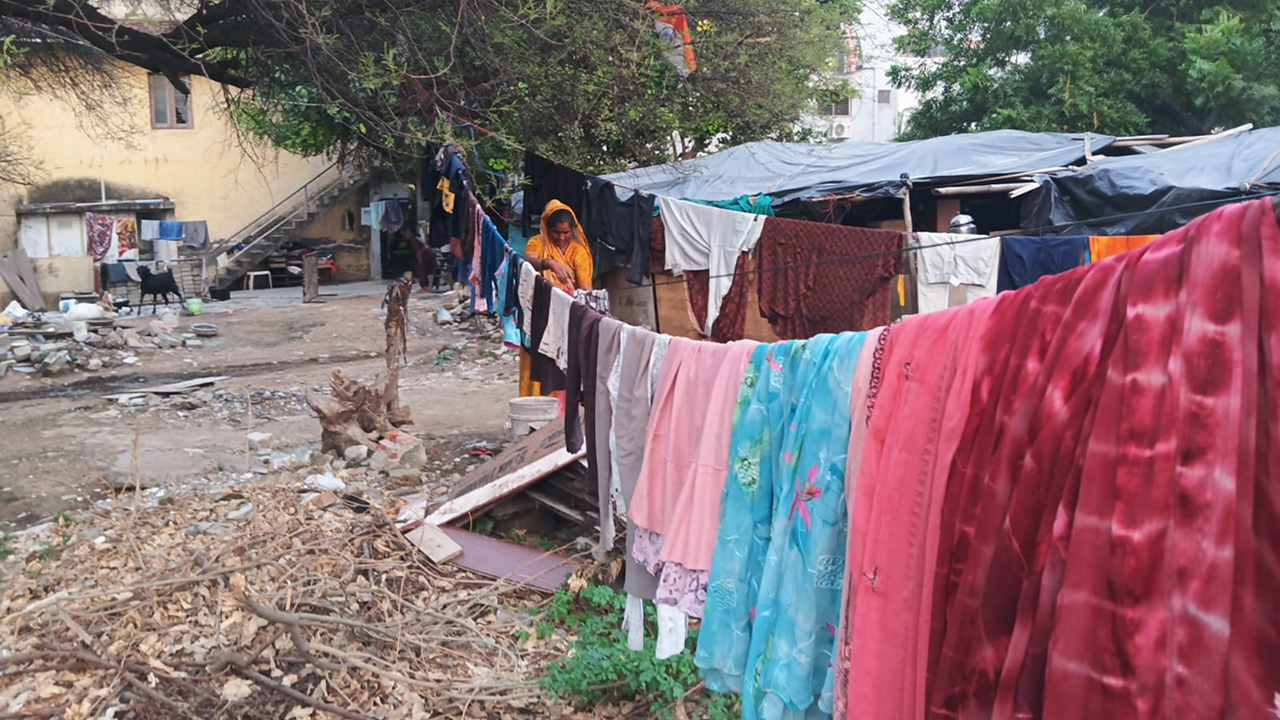
Rising temperatures affect everyone, but the inability to cool their bodies due to lack of electricity or inadequate water supply impacts informal migrant women workers more, exacerbated by poor housing, the double exposure to heat at home and low incomes
From ‘voluntary dehydration’ to avoid restroom restrictions to chronic heat exhaustion, women inside India’s garment factories are navigating an impossible choice between their own health and meeting relentless production targets.
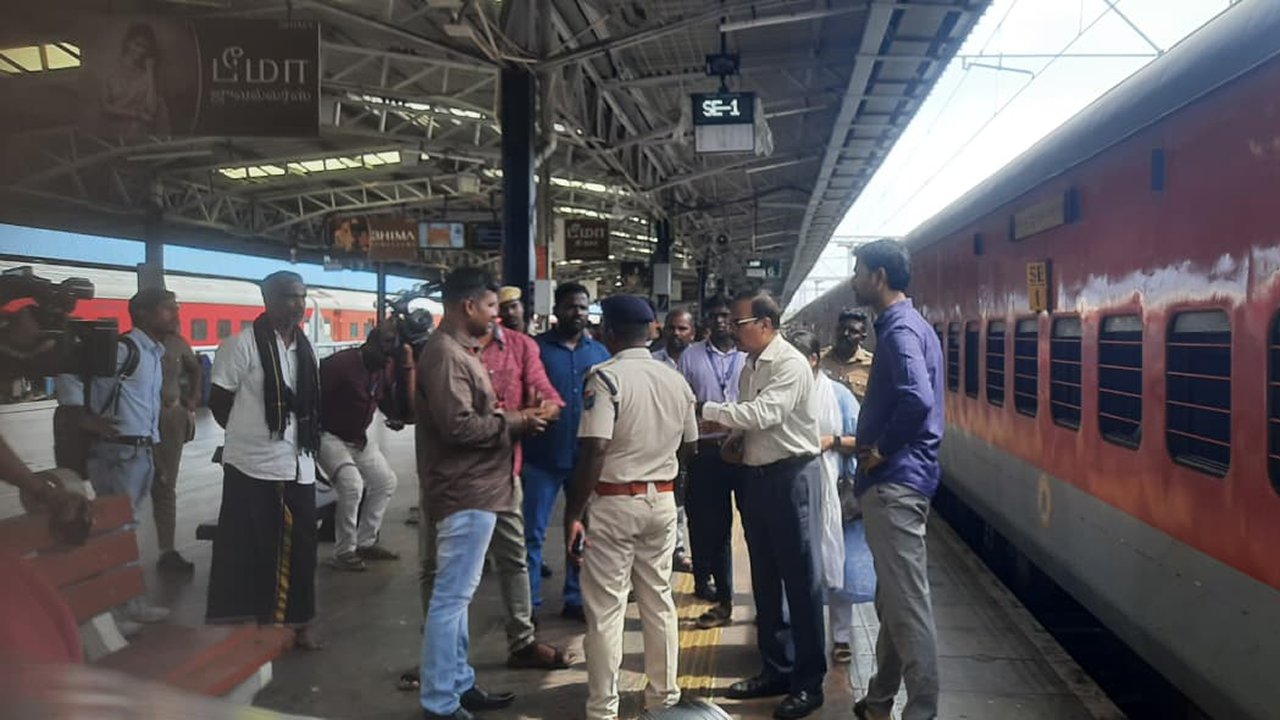
A workers’ agitation in Noida in April pushed the state government to raise minimum wages, but migrants are still struggling — with rent hikes, a rise in LPG prices and inflated daily expenses
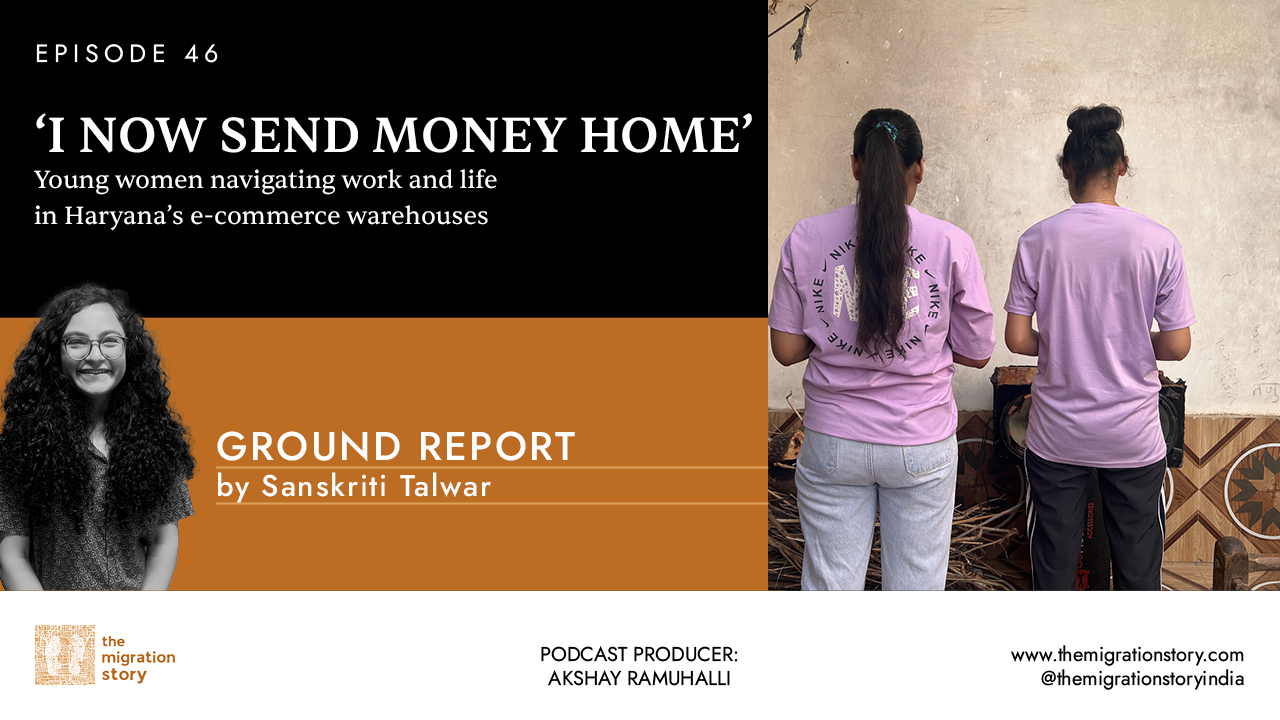
Rural women’s labour force participation has improved on the back of skilling programmes, but the numbers fail to reflect factors such as fear of the unfamiliar, safety and family concerns that determine how long they stay in these jobs
Lack of sunlight, poor ventilation, overcrowding and overheating in the capital’s informal settlements leave migrant workers vulnerable to the disease and make a full recovery challenging