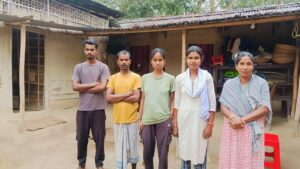
BALIGUDA, Odisha: For years, Nilima Khilla, 33, was the sole worker on the family-owned 2.4 acre farm in an eastern Indian village. She grew millets, paddy and vegetables while her husband Rama Khilla toiled at a brick kiln in southern India. The couple’s income, however, was still not enough to sustain their family of four.
“People questioned how I would manage it alone but seeing my family’s needs and my husband’s terrible working condition in another state, I was determined to make it happen,” Khilla told The Migration Story
Erratic rainfall has rendered Koraput, like many other districts of Odisha, drought prone, which has fuelled migration of mainly men to other Indian states. Over the years, the state has introduced livelihood packages, and also climate resilient crops to cushion the impact of fickle weather on agricultural yields, to empower local communities and arrest distress migration.
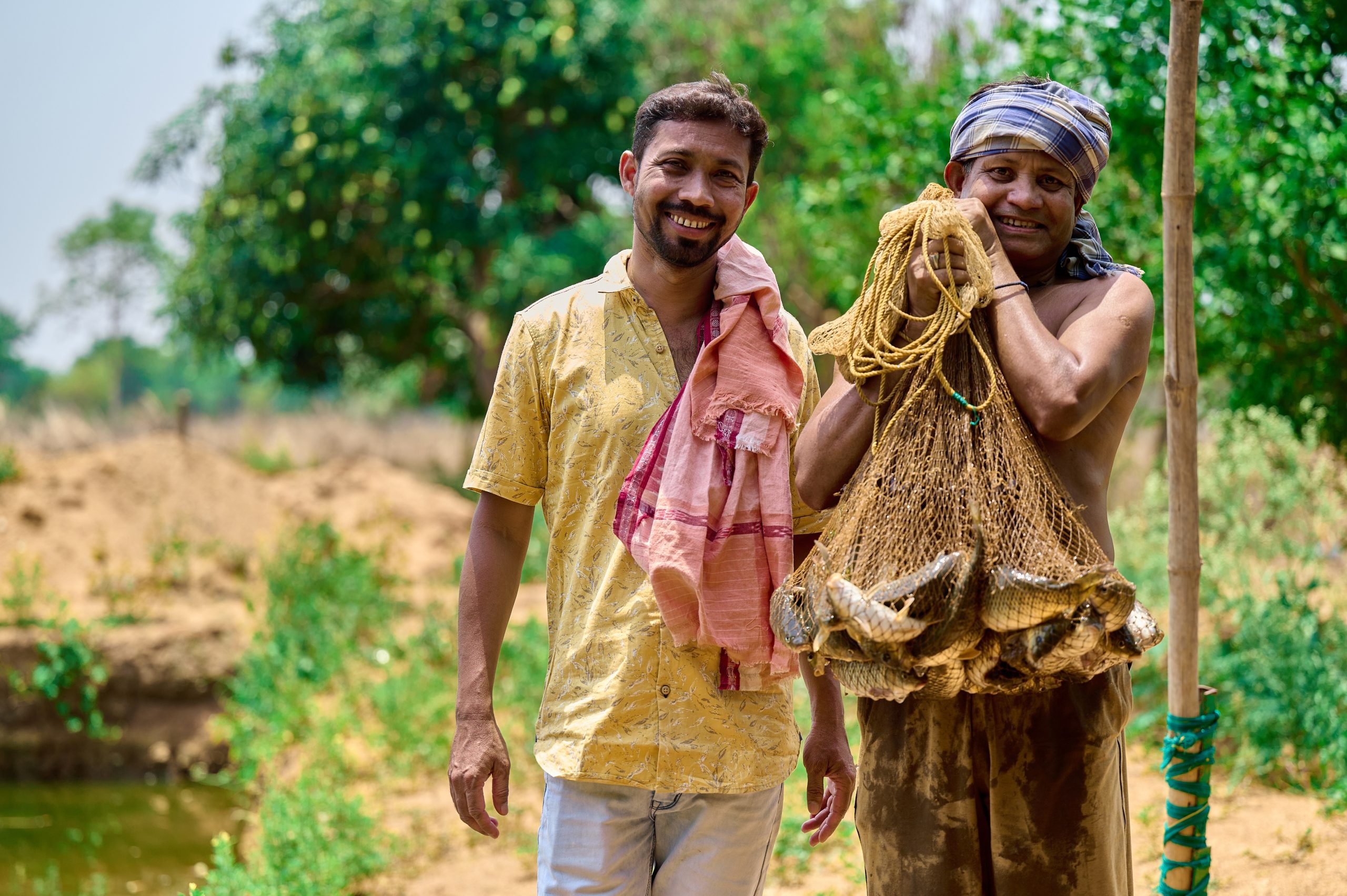
Khilla, like nearly 5000 more farmers, showed that fish farming had potential.
“Besides, there is enough nutritious food for the family too. And I am able to send both my sons to school and save some money for emergencies. The best part is that my husband has resolved not to migrate again,” Nilima Khilla smiled.
THE FISH SOLUTION
About 16% of the state’s population falls below the poverty line, according to the Niti Aayog.
As many as 26 districts in Odisha, which are home to nearly 36 million people, are exposed to extreme climate events such as cyclones, floods, and droughts, according to an analysis by the Council on Energy, Environment and Water (CEEW).
Apart from cyclones and floods, Odisha has also witnessed a four-fold increase in droughts in the last ten years, the CEEW analysis notes. It states that droughts and drought-like conditions, which were once irregular occurrences, “affect more than half of the state’s districts in recent decades”. According to the CEEW analysis, “even flood-prone regions like Angul, Cuttack, Dhenkanal, Gajapati, Kalahandi, and Nayagarh have witnessed a shift towards drought events in the past decade”.
According to the 2011 Census, around 850,000 workers from Odisha had migrated, with significant numbers moving to Andhra Pradesh, Gujarat, Tamil Nadu, Kerala and Maharashtra. The numbers have only been increasing, research shows. The number of seasonal migrants leaving Odisha for other states shot up to 1.45 lakh in 2015, up from 87,000 in 2008.
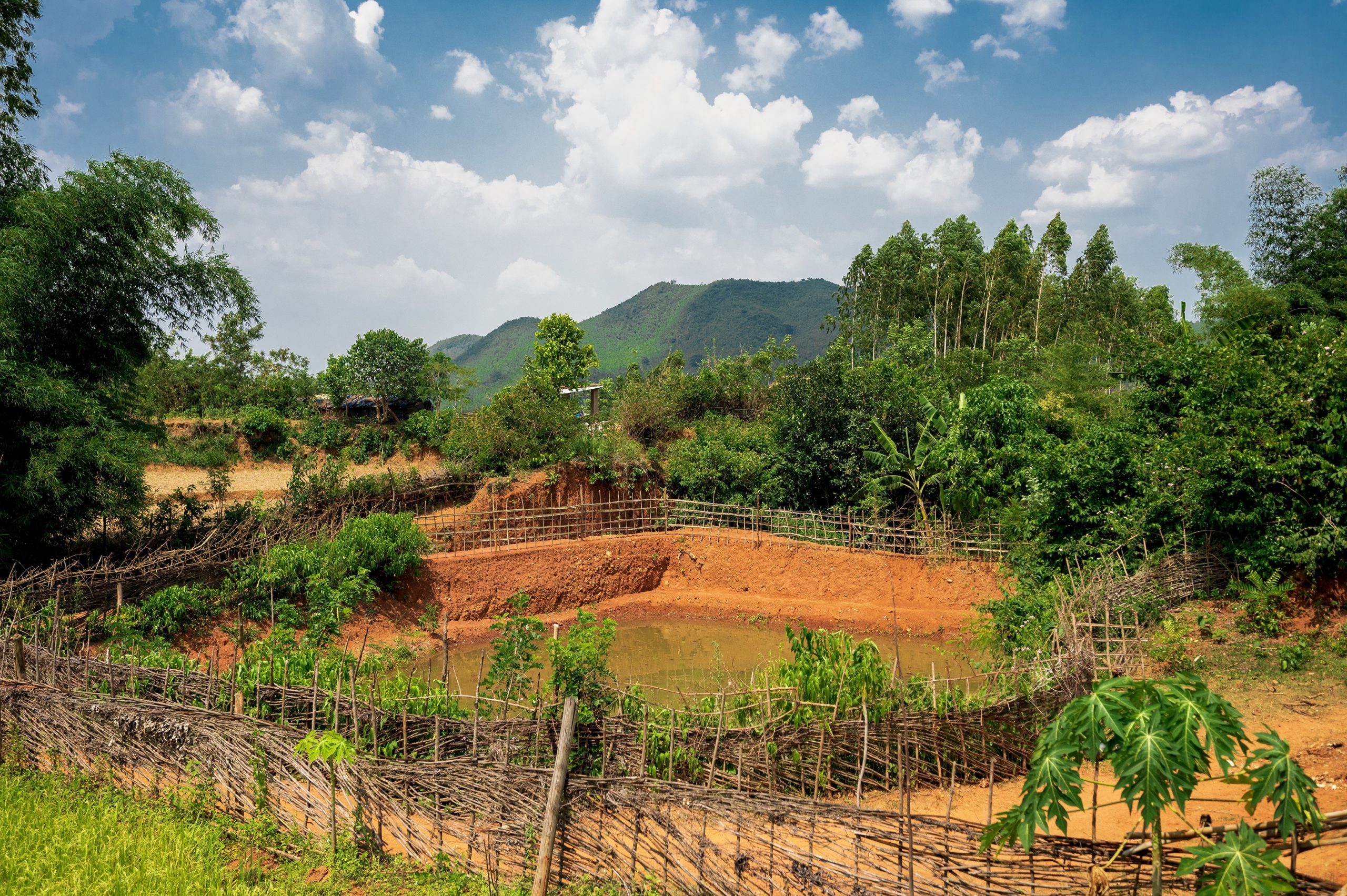
armers across nine districts in the last two years. The key focus of the programme is conservation and restoration of existing ponds. So far, ponds spread across 2659 acres of land have been conserved and restored.
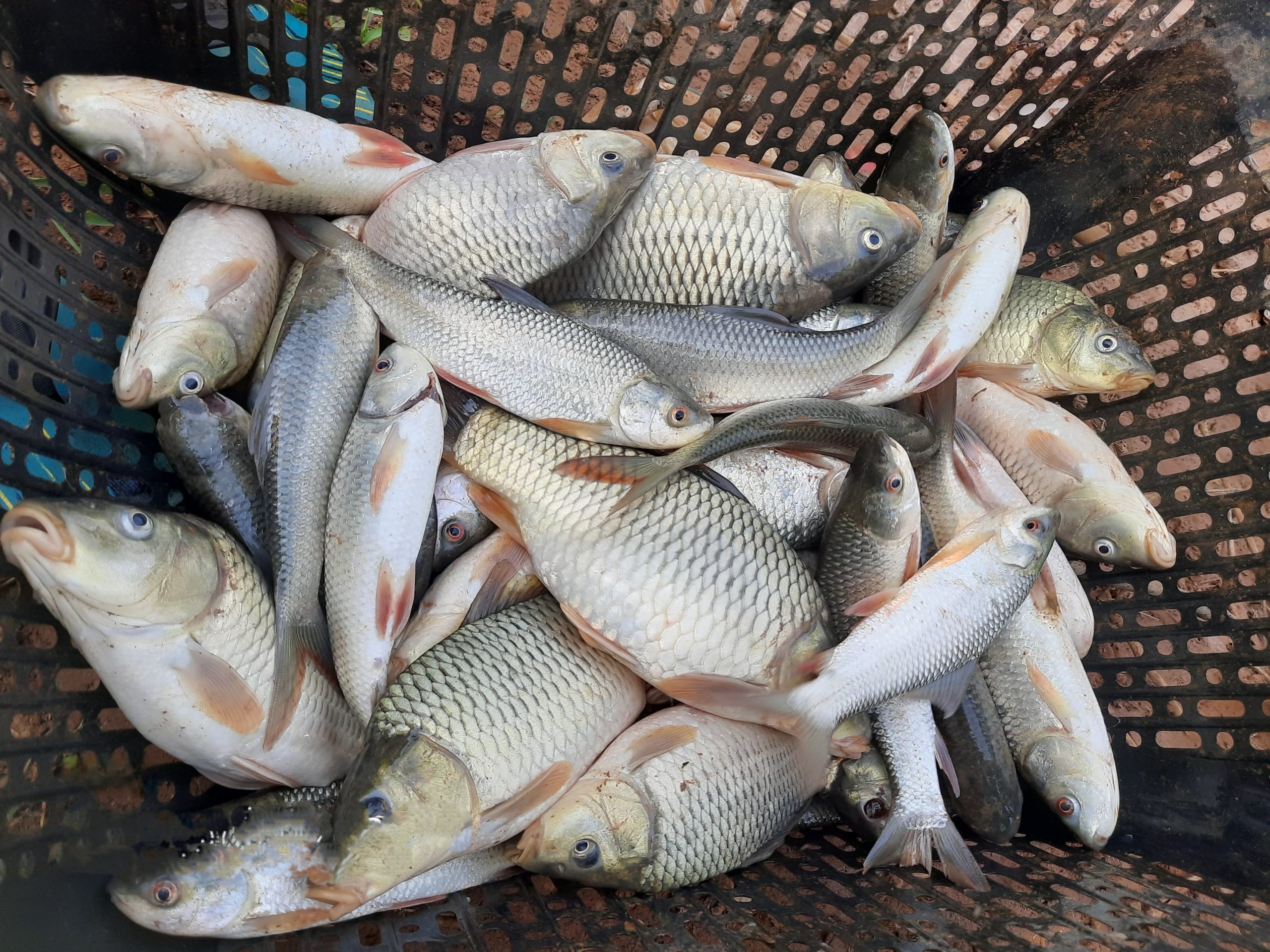
“The average fish harvest in a pond measuring 0.2-0.5 acres – the average pond size that farmers in this region have – is 200-280 kgs. Fish is harvested twice a year – in May-June and then in November. Thus, the beneficiaries earn a net income of Rs.55000-60000,” said Padhee, adding the government had spent Rs. 1.54 crore on the scheme in the last two years.
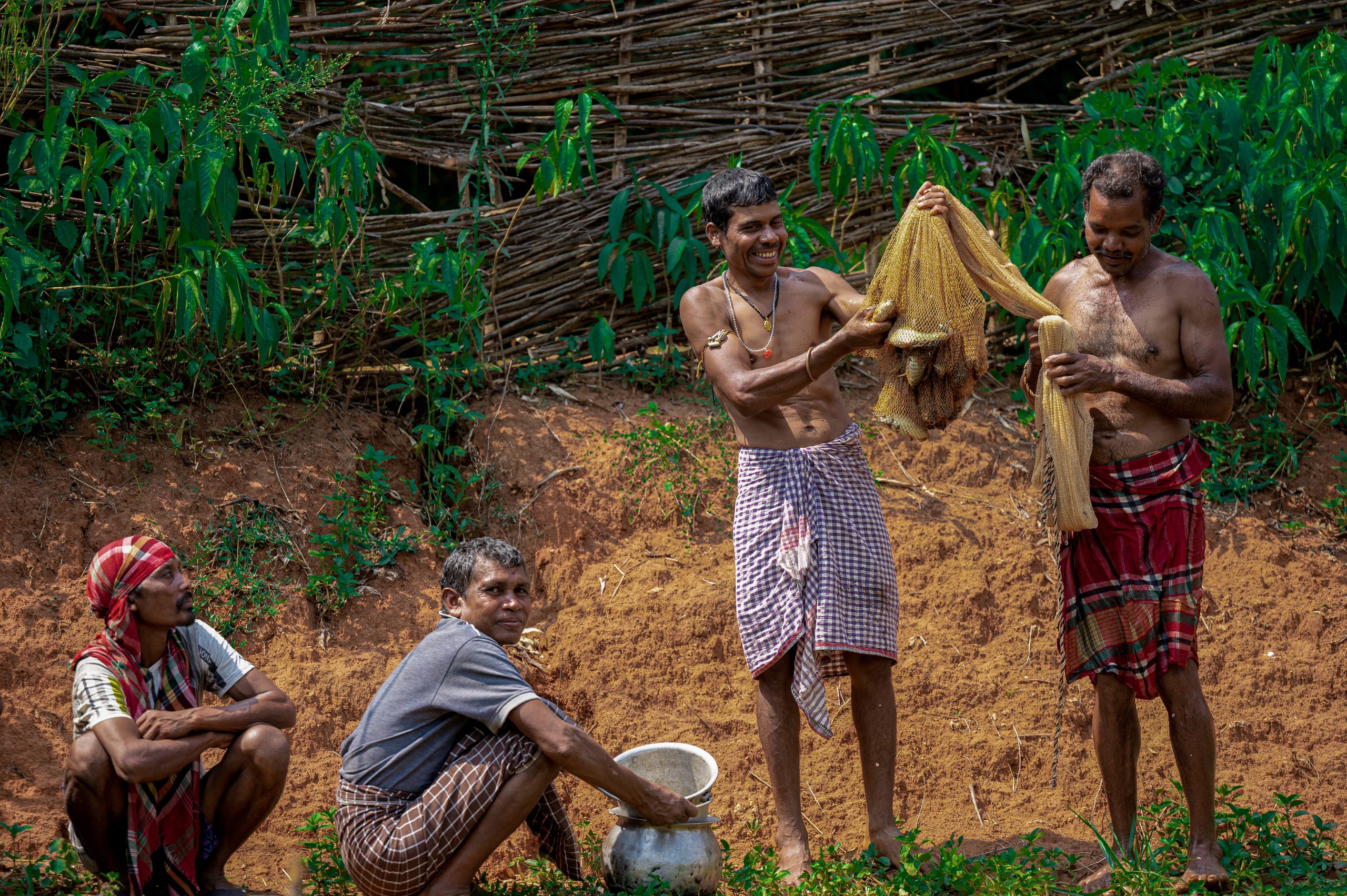
“There is always demand for fish in the market. In 2023, I earned Rs 68,000 only from fish harvest. And this year, I have already earned Rs 34,000, and still have one more harvest to go. Fish farming has helped me become self-reliant. Now, I don’t need to leave my family and go looking for work in other states,” said Muduli, who lives in Jhalaguda village of Koraput.
What Muduli seeks, however, is timely availability of fingerlings. “Delay in distribution of fingerlings by the agencies means they are not fully developed by harvest time. Also, we need more training about fish diseases and treatment to maintain quality yield,” said Muduli.
Officials overseeing the fisheries project said the benefits of the scheme stretched beyond providing livelihood.
FISH ENTREPRENEURS
Patil Disari lives in Kinjariguda village in Koraput and recalls a time from many years ago when there was always “sufficient food”. That was when the village practiced mixed farming, growing pulses, millets, cereals, oilseeds, tubers, and vegetables, all in one patch.
“But the weather has changed drastically in the last 20 years,” Disari said, as he tended to the crop on the bund of his fish pond. He also blamed the shift to mono cropping for making survival from agriculture challenging, and creating the need for villagers to seek work outside.
“I was the first person in my family to have migrated out for work,” said Disari, who worked at a brick kiln in the neighboring state of Andhra Pradesh.
The rain-fed villages of Koraput, where he lives, offer an ideal setting for fish farming, experts and officials said, and the project has offered rare inclusion of small and marginal farmers, which is not always the case.
Small-scale, rain-fed fishery in tribal areas has suffered from lack of attention and financial support, but according to experts these interventions are important to promote fisheries in a sustainable, inclusive and equitable manner.
“Besides, water bodies are the lifelines of rain-fed regions. Fisheries in these water bodies not only provide sustainable income but also contribute to biodiversity conservation by promoting self-sustaining populations of indigenous fish species,” said Nityanand Pradhan, secretary of Parivartan, a non-profit in Malkangiri that works with adivasi and marginalized communities.
Officials overseeing the project said tribal farmers in the state had harnessed the potential of local water bodies and even adopted innovative practices.
Pradhan said that limited government grant for the fish project, however, is preventing the scheme from being scaled up. “This model of rain-fed fishery has shown visible positive impacts. The government should alllocate adequate budget to scale up the model. This will benefit more farmers who has shown interest for fish farming.”
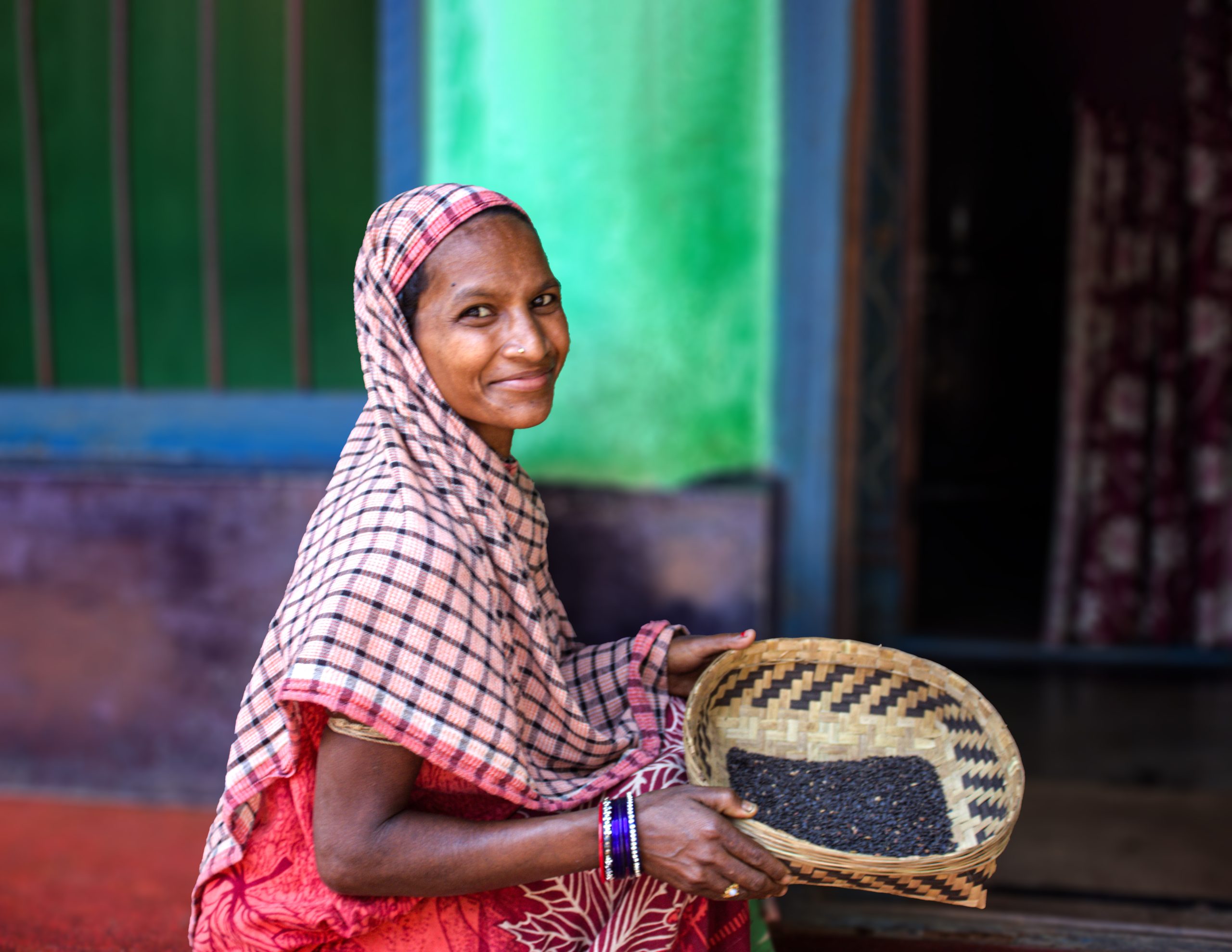
While the fisheries project supports land owning farmers with seedlings and pond restoration, landless farmers too have availed the scheme, and turned entrepreneurs.
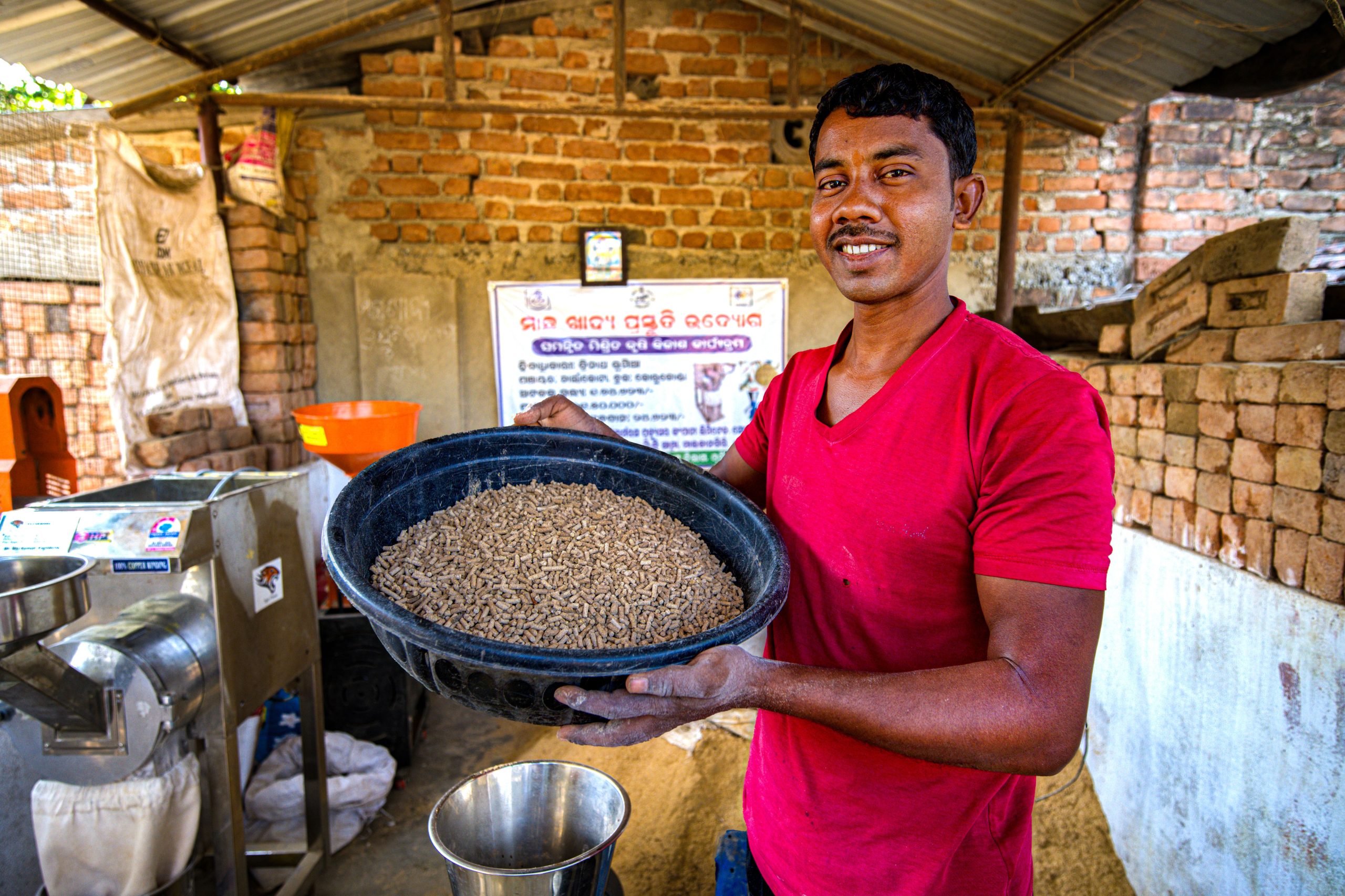
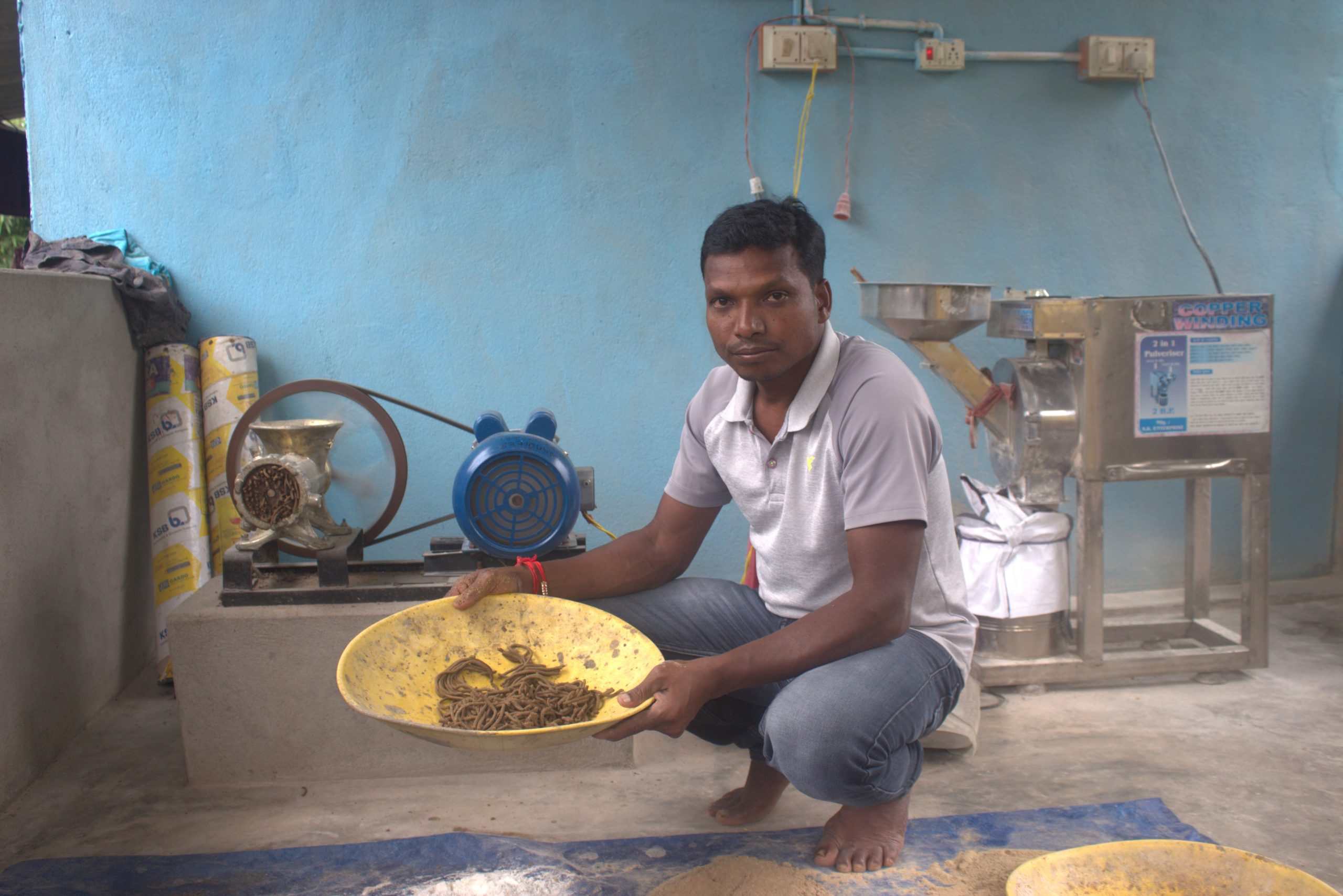
“Nearly 60 farmers from nearby villages buy fish feed from me and the number is growing each year,” said Palka who also returned from the brick kilns of Andhra Pradesh to start this business.
Palka’s business model is rooted in knowledge.
Odisha’s agriculture department, in collaboration with civil society organizations, is training local youth to set up nano fish feed enterprises like Palka’s. “By leveraging locally abundant resources like rice bran, wheat bran, finger millet bran, mustard oil cake, groundnut oil cake, and mahua oil cake, these entrepreneurs are developing protein rich fish feed to boost aquaculture productivity,” said Mishra.
VEGETABLE GARDENS
Fish farmer Muduli, who returned from Andhra Pradesh, is among them and he sells vegetables to supplement his income from selling fish. “I have realized that crops grown on the bund reduce soil erosion and siltation in ponds,” said Muduli, while displaying a bounty of freshly harvested beans and tomato from his bund.
Edited by Ravleen Saluja