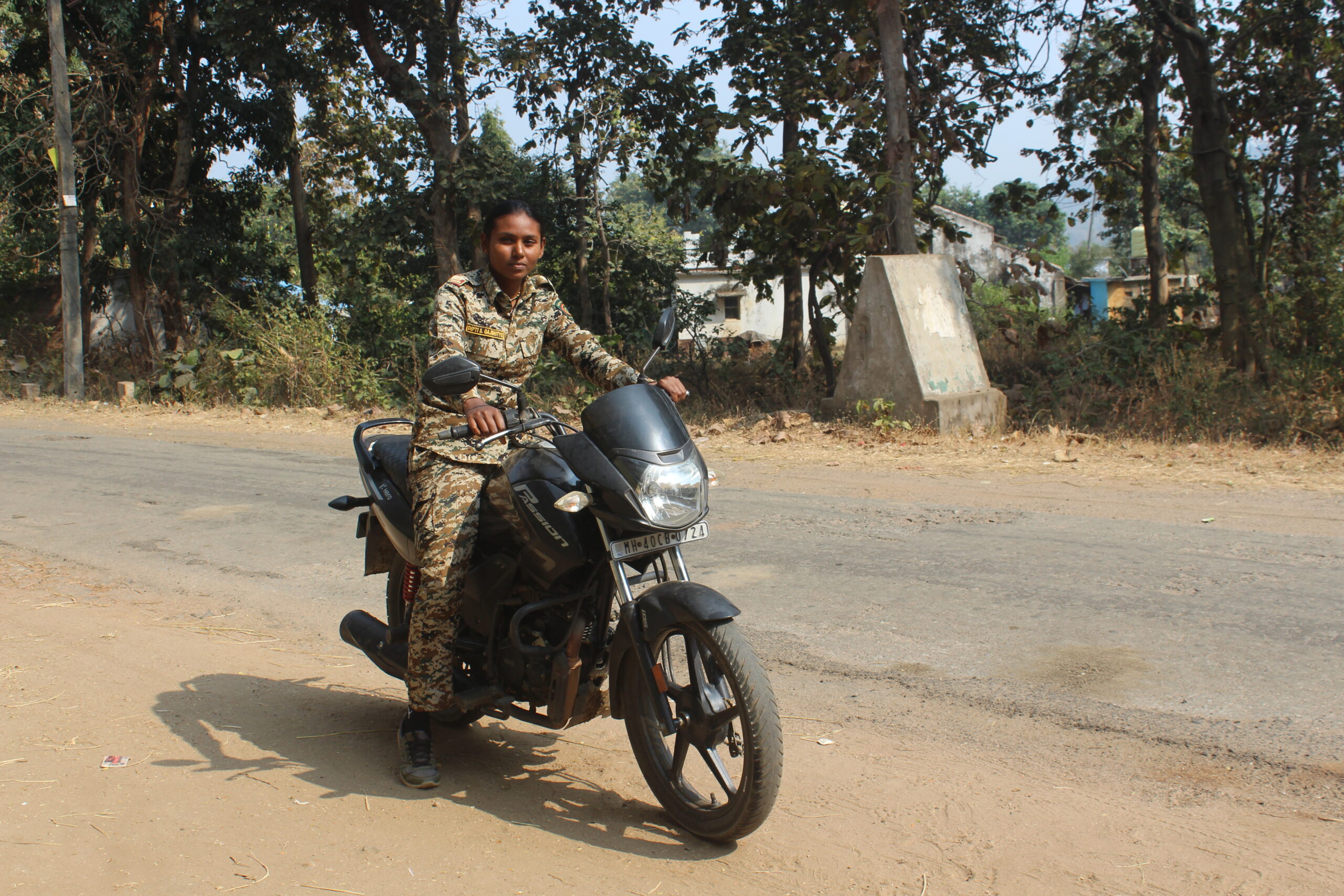
SILLARI, Maharashtra: At dawn, Dipti Shubham Gajbhiye, 25, dressed in fatigues, rides her motorcycle to work as a guide on tourist safaris, her daily commute through the dusty lanes of Sillari village and lush trees in a central Indian tiger reserve, where women are making a rare entry into the workforce, while also tackling wildlife fears among local communities amid rising human-animal encounters.
“I always knew I wanted to work,” said Dipti, a mother of a three-year-old girl, who took up a ‘naturalist’ training course soon after her marriage, conducted by a local nonprofit for women living inside the tiger reserve. Here she learnt about the birds, animals and trees that surrounded her in the reserve, their scientific names and also understood animal behaviour.
Pench Tiger Reserve—widely known for having inspired Rudyard Kipling’s The Jungle Book and even fondly called the ‘Land of Mowgli’ by locals and tourists – is spread across 1922 square kilometers across the two Indian states of Madhya Pradesh and Maharashtra. The Maharashtra part of the reserve is not only home to about 56 tigers but also to 40,000 people who live in a total of 46 villages inside the tiger reserve – 44 in the buffer zone and two in its core area. The majority of the villagers are from the Gond community, designated as a Scheduled Tribe that once ruled central India. They are mostly engaged in farming, and young people have traditionally migrated to cities for work.
But in recent years, local nonprofits and the government’s forest department have worked towards enlisting young men and women like Dipti to find work within the forest as guides, safari jeep drivers, and also as owners of souvenir shops.
“Independence matters to me,” said Dipti, as she wrapped up a tour on this January morning, looking a tad upset about a tourist blaming her for missing a chance to take a picture of a tiger they spotted during the safari.
“Generally, such incidents don’t happen. Tourists are mostly appreciative of me and I love that about my job,” said Dipti.
As a new bride, Dipti was settling into the rhythm of housework and farm duties when she learnt about meetings being conducted for the forest-dwelling women of the tiger reserve by nonprofit Satpuda Foundation, which works on wildlife and forest conservation and even has an office and training area inside the tiger reserve. It was using these sessions to quell fears of forest-dwelling communities of animals and also train them for job opportunities within the reserve area.
Dipti was among 38 women who signed up for the training, after attending the meetings.
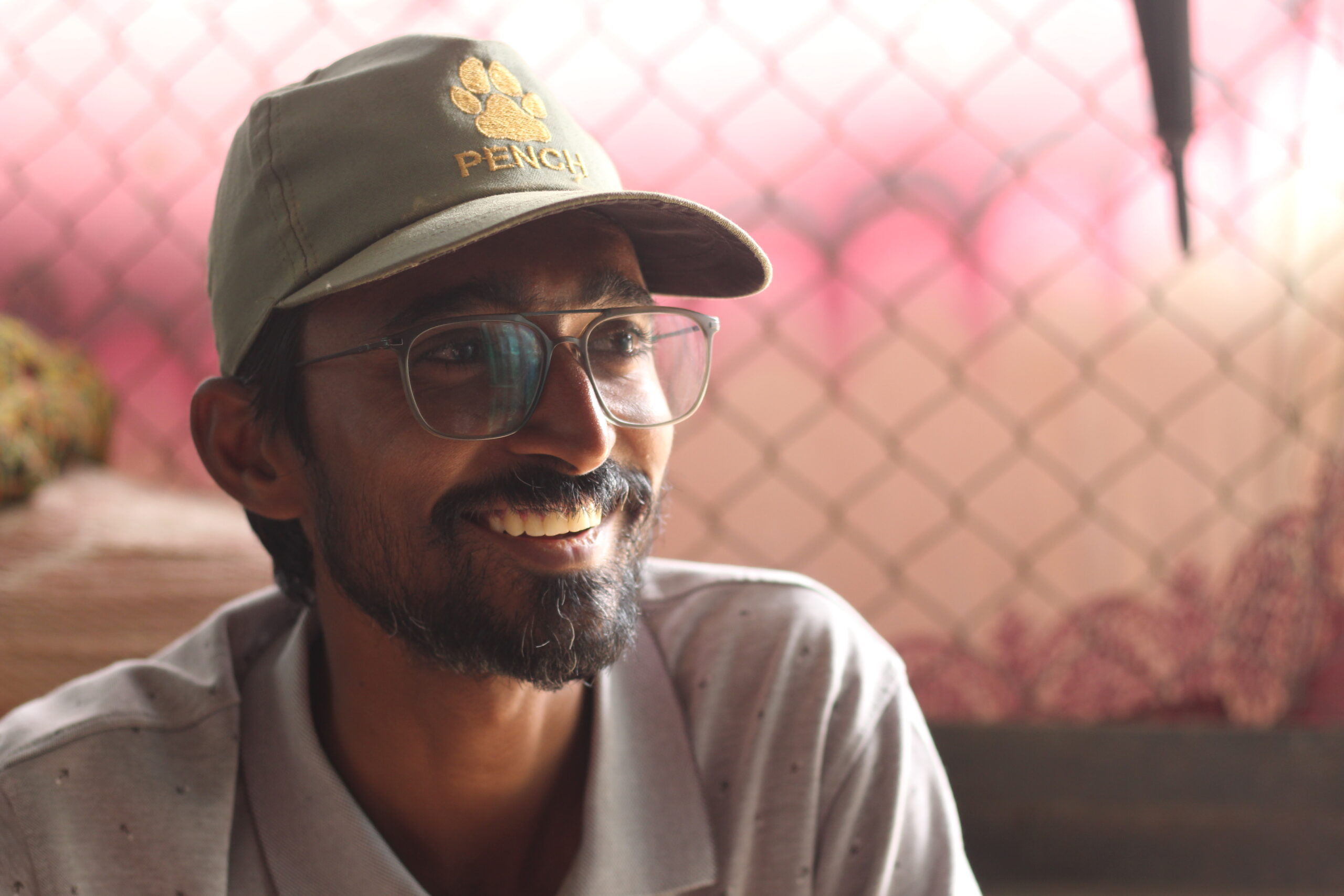
“These meetings are held to reduce dependency on the forest and give women ideas about being financially independent and careers in ecotourism. The meetings also cover how one can understand animal behavior and how one can protect oneself from animal attacks,” said Mandar Pingle, deputy director, Satpuda Foundation.
The sessions were also aimed at nurturing a better understanding of the forest than just a pool of resources – such as mahua flowers, tendu leaves, gum, and mushrooms – that the community was using for consumption or sale.
Dipti cycled three kilometres from her home in Ghoti village to Satpuda Foundation’s training centre every day for about a month. She cleared her exam – which included a 30-minute viva where her knowledge of the tiger reserve’s fauna and flora was tested – soon after. She was taking tourists on safaris by October 2023.
“Before I got married, I never thought about being a tourist guide because I was not aware of this as an option. But when I cleared the tourist guide exam and wore the uniform for the first time, it was a very good feeling. I was financially independent and I love interacting with people,” said Dipti, who graduated in history and once aspired to become a police officer but couldn’t pursue her dream given her family’s financial situation and father’s illness.
Tourist guides in Pench Tiger Reserve earn between 450 and 475 Indian rupees for each safari tour they undertake, the fee calculated based on their exam score. This exceeds the daily farm wages of 100 to 150 rupees for five hours of labour, according to locals.
“Besides, farm wages are not sustainable,” said Dipti, who does two trips a day on average and also works on her family’s farm, where they grow wheat, rice, and pigeon peas.
But she loves taking tourists around and has found new confidence in her abilities.
“My husband dropped me to work initially. But he taught me how to ride the motorbike, so I now ride to work myself,” she said.
Forest-dwelling communities have historically lived in harmony with the animals of the jungle, revering and even worshipping the tiger as Puliyal Devta, Waghoba, Thakurji, and Kulamama – names given to the animal in the form of local deities the community worships.
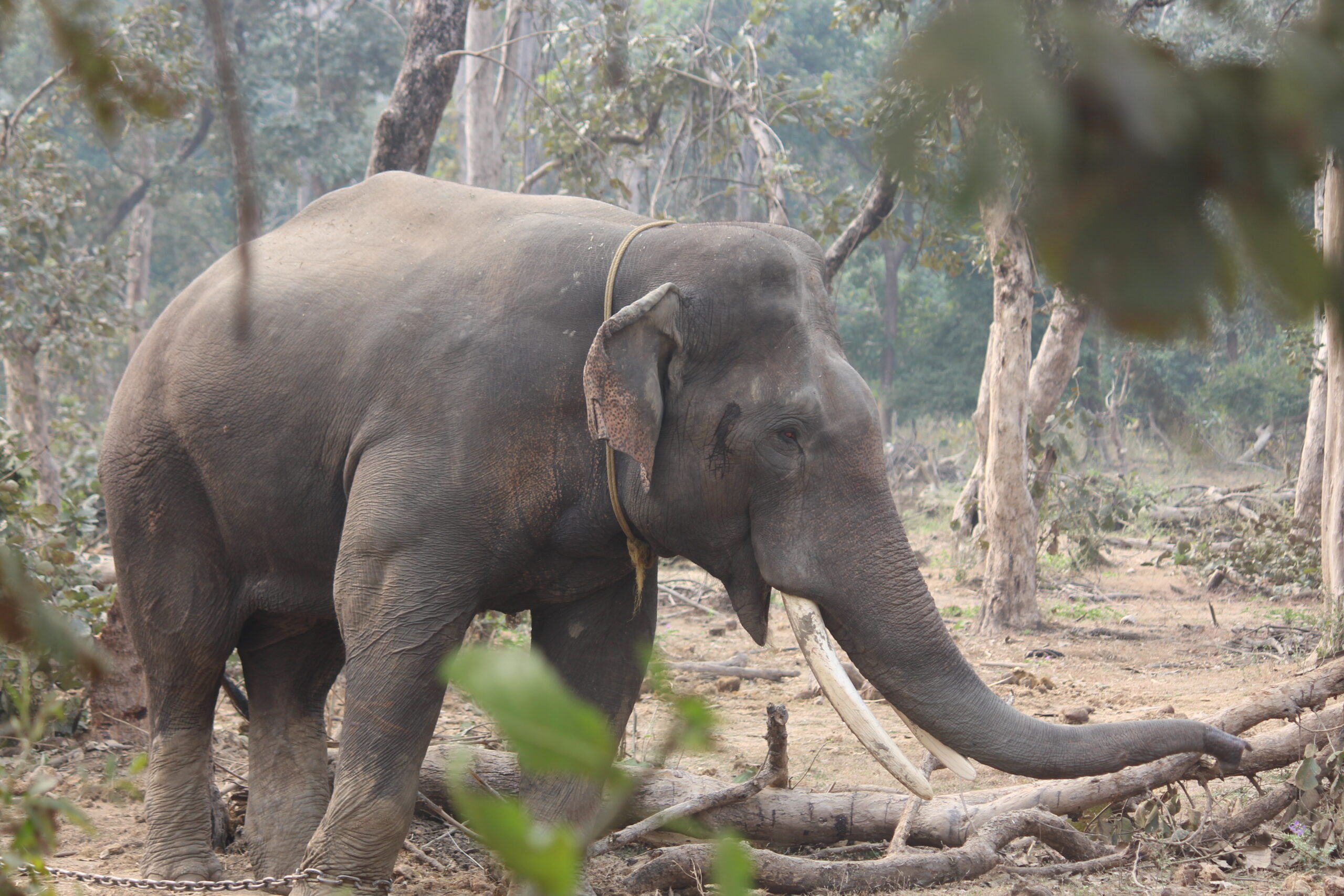
But tiger numbers have doubled in the past two decades on the back of the government’s massive tiger conservation effort dating back to the 1970s called the ‘Project Tiger’. But their habitats shrunk due to mining and industrial expansion eating into wildlife corridors. This brought tigers to the ponds and farms of the villagers fuelling conflict and human resentment towards the once-revered animal.
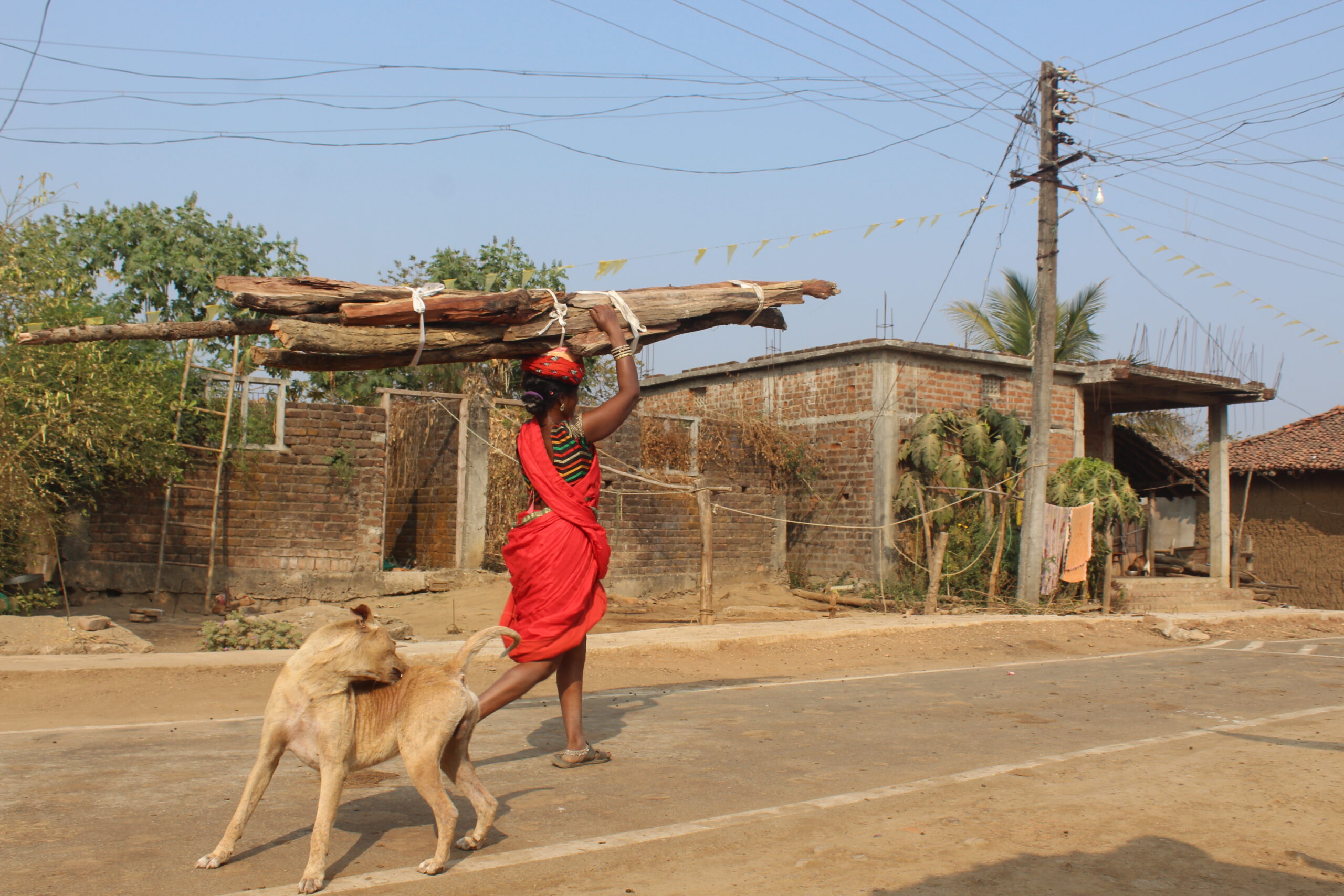
In the past six years, 26 local people have lost their lives in tiger encounters, which has led many to blame the forest department for their troubles. Forest officials and local campaigners cited incidents of forest department vehicles being torched and even attacks on forest protection huts – cabins where forest officials stay – by the community reeling from the attacks. A few local women said they go into the jungle for daily wage work, like cutting wood for fuel and even work on farms and blamed the forest department for not keeping tiger numbers in check, making their daily work precarious.
Forest officials said possible solutions to build bridges with the community could potentially include subsidies on cooking gas so the women do not have to venture into the forest to collect firewood and even employment for the local youth to nurture trust in the department.
“A middle way has to be found,” said Bandu Uikey, assistant conservation officer at the Pench Tiger Reserve. He explained that it was difficult to tackle a misbelief among the community that tigers were encroaching human territory when it was the other way round, that tigers had lost their habitats to industrial and mining work.
Satpuda Foundation has for over two decades worked in the tiger reserve, working closely with communities to create awareness.
“We use local dance and art forms to educate people about tigers. We also teach them tiger body language and how to be safe around tigers,” said Mandar of Satpuda Foundation.
The foundation has trained over 8,000 youth – 3500 of them women – in ecotourism, hospitality, forest protection and even offered seed funding to the youth to start small businesses such as tea stalls and souvenir shops.
“We want them to see forests as a living ecosystem and not just as a pool of resources they use for their livelihood,” Mandar said.
Deepti’s training as a safari guide, like that of other women living inside Pench Tiger Reserve, is part of this outreach, for communities to better understand when and why a tiger attacks, and how they can co-exist safely with the animal.
“These trainings are not only for livelihood, but they can also help the women start their own enterprise related to tourism. They also get a chance to understand animal behaviour better, and they become champions for wildlife conservation,” said Mandar.
The training and the subsequent exposure to the jungle as a safari guide has led to Dipti understanding the animals around her better.
“My viewpoint about wildlife has changed a lot. I am able to communicate animal behaviour better to people. That animals do not attack unnecessarily; they also feel fear, and they also feel for their families,” said Dipti, recalling being overwhelmed during a safari when she saw a tigress die in front of her. A postmortem later revealed the animal was pregnant with five cubs and was suffering from a parasitic infection in the guts.
Pench Tiger Reserve Maharashtra receives up to 80,000 tourists every year.
The popularity of the ecotourism business in the Pench Tiger Reserve reflects in the fleet of safari jeeps flanking the village roads. Apart from guiding tourists, women have also set up small shops selling trinkets, lord Ganpati idols and key chains, to cater to tourists who visit the reserve.
Villages now boast of their poster girls – the women who have careers beyond the farm.
Kareena Divesh Kohale, 23, from Pipariya village is also a safari guide like Dipti, and describes herself as her “village’s daughter” and is also dreaming of a career progression, now looking up job opportunities in the government.
Ambika Dinesh Khandate, 37, is a member of a self-help group comprising 8 to 10 women, who together run a small store selling Ganpati and Lakshmi idols and diyas ( lamps) made with cow dung. The forest department has provided them a shed for their work, and the Satpuda Foundation helps them with the marketing of their products.
“Everything is good,” said Ambika, a mother of three.
“We plan to start making natural colours ourselves soon so we can use them instead of packaged colors we purchase.”
Another member of the self-help group, Varsha Thakre runs a souvenir shop outside the booking counters of the Sillari Gate, an entry and exit point for the tiger reserve. She stocks pugmark keychains, tiger-print t-shirts, hats, caps, and bottles in her shop which she started on the counsel of Mandar, transitioning from a loss-making ginger-garlic paste business she ran earlier.
“We also have our own farm, and before this we only did farm-related work, but now we feel we are standing on our own feet and are happy to do both.”
The young men in the reserve are also making inroads into the local tourism economy.
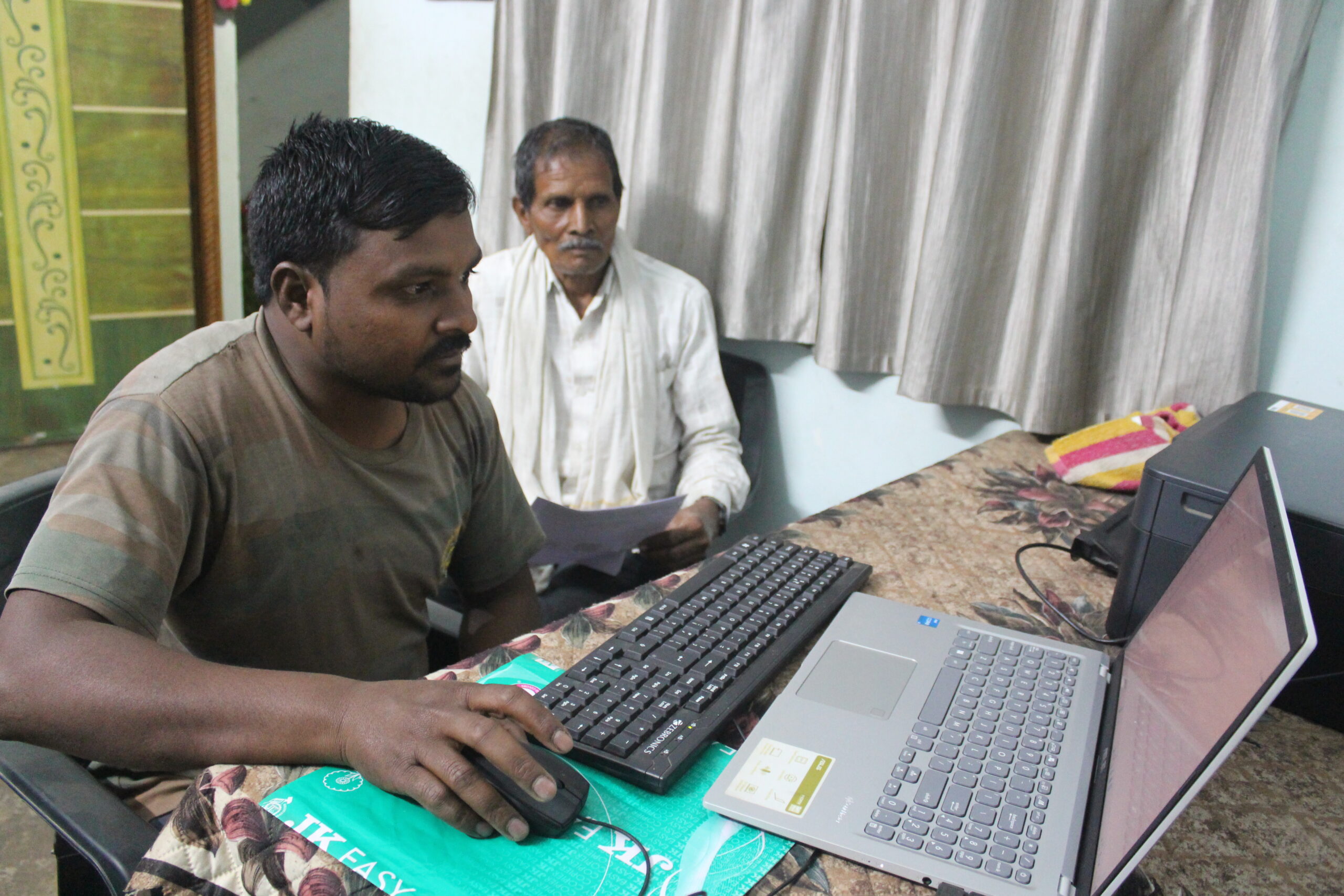
Shrikant Chaudhari, 35, from Pipariya village, drives a gypsy, an off-road vehicle, for jungle safaris in the Pench Tiger Reserve, but also uses his education and a laptop and printer provided by the Satpuda Foundation to serve his village by helping residents fill out government job applications and providing information regarding various government schemes.
Satpuda Foundation’s trainings and interventions of the forest department have reshaped youth aspirations, locals said.
“Everyone earlier was dependent on farming, but because of the forest department, communities are earning better than what they did as daily wage workers,” said Shubham Badhan, 29, an ecotourism manager who oversees Pench Tiger Reserve’s safari bookings.
The forest department helped villages with easy loans of up to 200,000 rupees to buy the open jeeps for safaris and opened up opportunities for them to work as guides, and run canteens and souvenir shops.
“These opportunities provide a steady income that farming alone couldn’t guarantee.”
In its endeavor to reduce dependence on the forest with a dual aim to not just improve incomes of forest-dwelling communities but also to mitigate the risks of human-wildlife encounters, the forest department has also started projects such as dairy farming, agro-tourism, poultry farming, and fisheries, which locals said had arrested migration to cities. New resorts coming up around the reserve have created employment opportunities for the youth, locals said.
“Earlier, people were migrating to cities like Nagpur,” said Shubham. “But now there are opportunities here for them to stay.”
But the challenges in this region outweigh the solutions.
“Real solutions are wildlife corridors, river conservation, and stopping encroachments,” said Mandar, adding that roads and railways, irrigation canals and windmills have eaten into wildlife habitats and corridors.
Nevertheless, this community integration and livelihood improvement is critical in a country like India, the world’s most populous nation where the “park sizes are small” for the number of people living inside them, said wildlife conservation expert Milind Pariwakam calling for replication of similar efforts in other parts of the country as well and scaling the initiative of training the youth to more villages even inside the Pench Tiger Reserve.
“These are basic things that can be done in every park in the country, as it can directly impact the populations living around the park, the habitat, and the animals in a positive manner,” he said.
For now, the youth like Dipti have found rare contentment in a difficult region.
On a weekday evening, she parked her motorcycle after a long day of guiding tourists. As she settled down, she reflected on how far she had come.
“Women of the village look up to us and also aspire to be like us,” Dipti said.
Priyamvada Mangal is a Mumbai-based journalist, writing on art/culture features and human interest stories. Her work has been published in Mumbai Mirror Online, Firstpost, The Hindu, The Tribune, Manorama, TRT Belgesel, Frontline, Deccan Herald, etc. She is also a Media Trainer, photographer, and yogacharya.
This story is part of the Climate Narrative Hub’s work, developed in collaboration with The Migration Story.