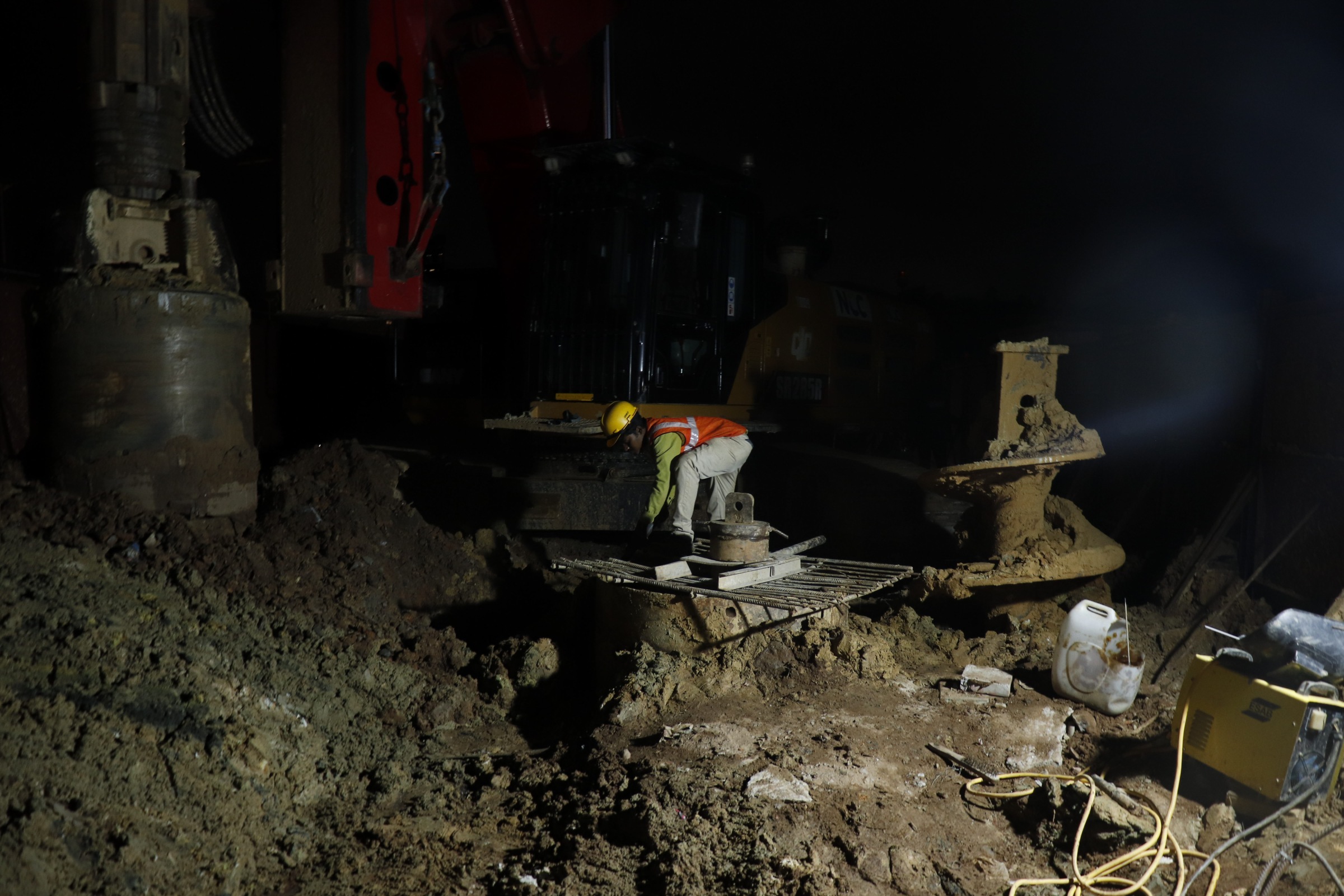
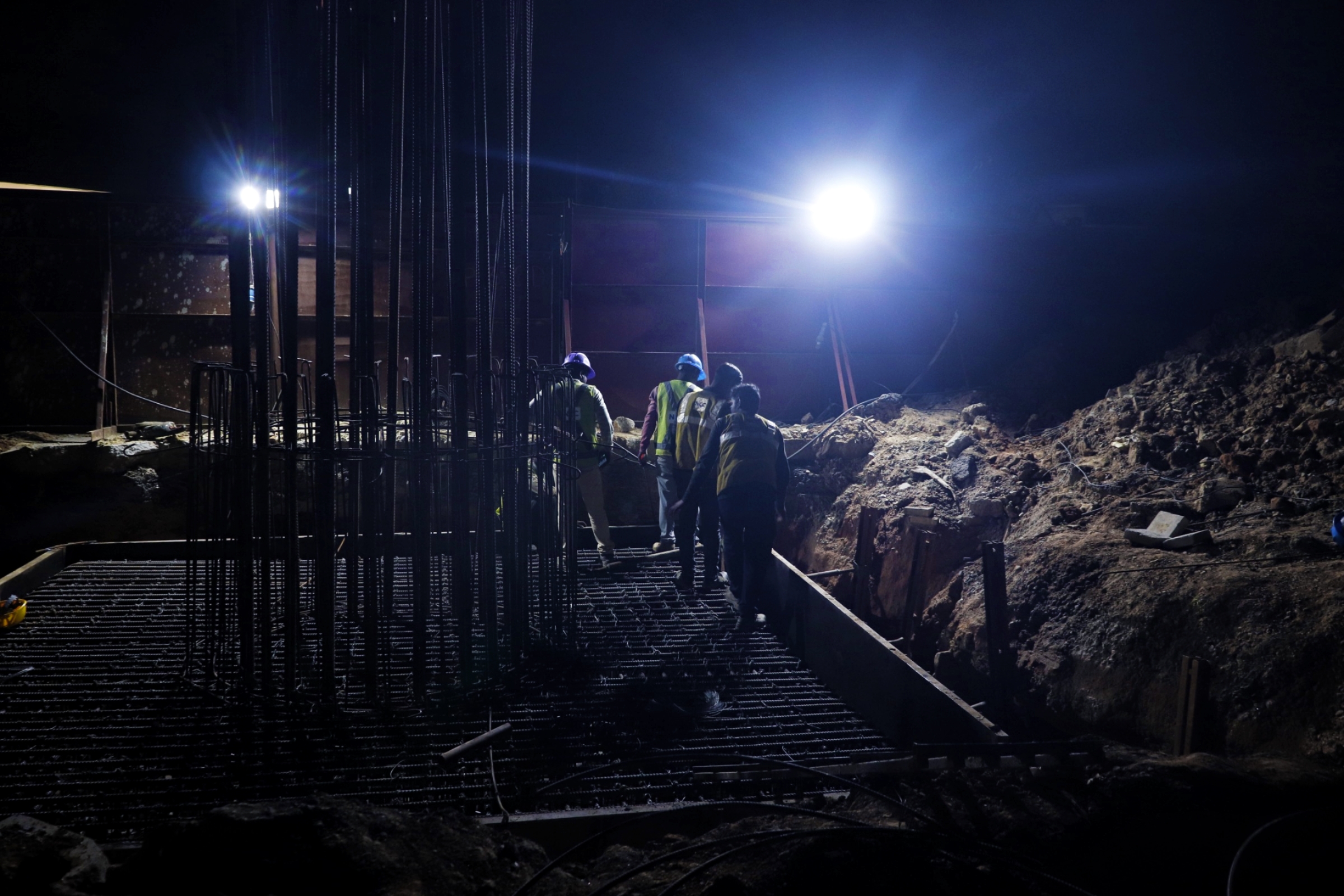
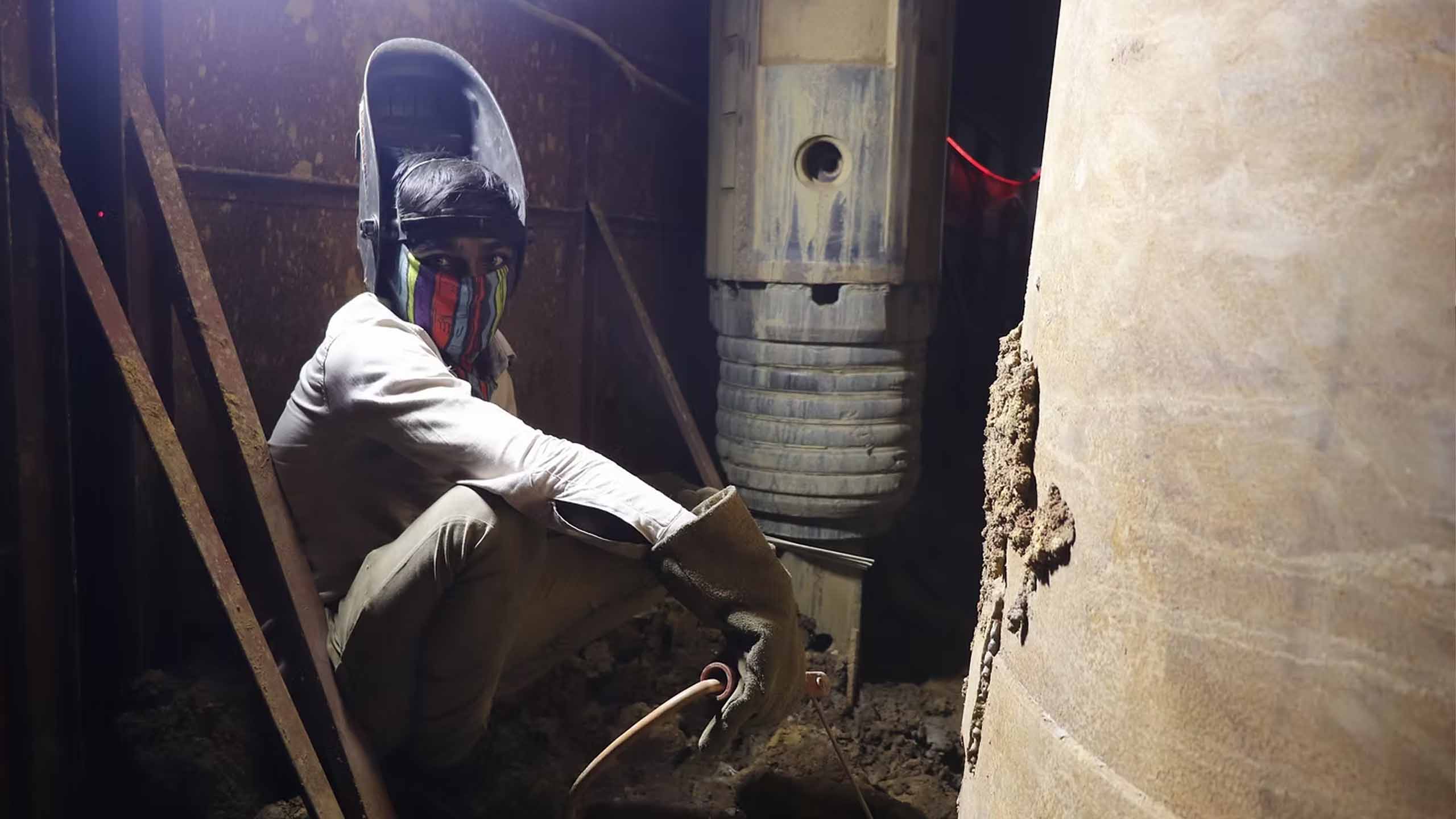
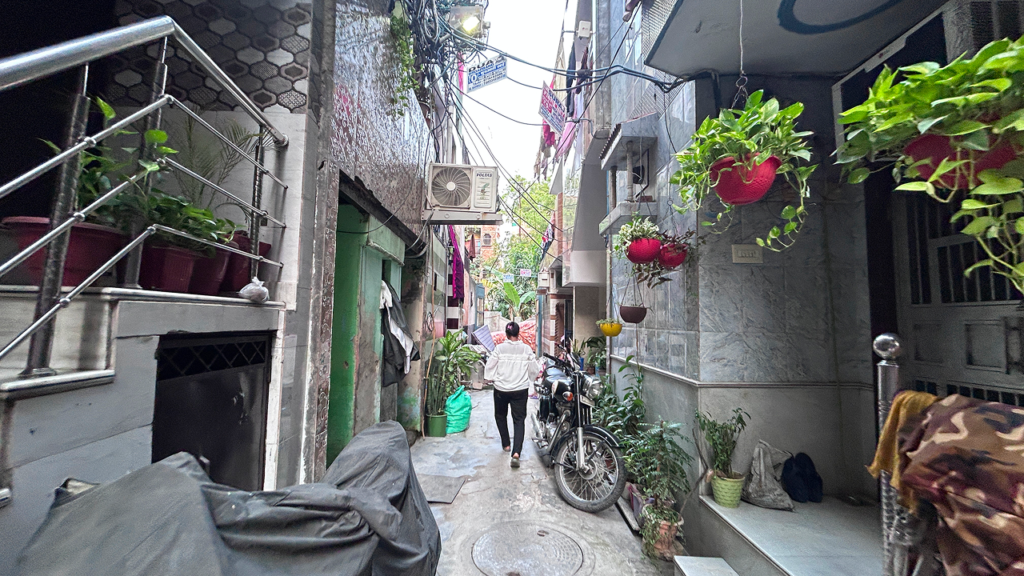
NEW DELHI: Mukesh’s day begins at the crack of dawn, when he wakes up to cook himself breakfast, wash dishes and clean his room, before heading out to work. After 12 hours of working at a metro construction site in Delhi, bone-tired, he returns to the rented room he shares with four other migrant workers.
The 21 year-old has no energy left, but has to cook dinner, his final task of the day. That’s also when he misses his family the most.
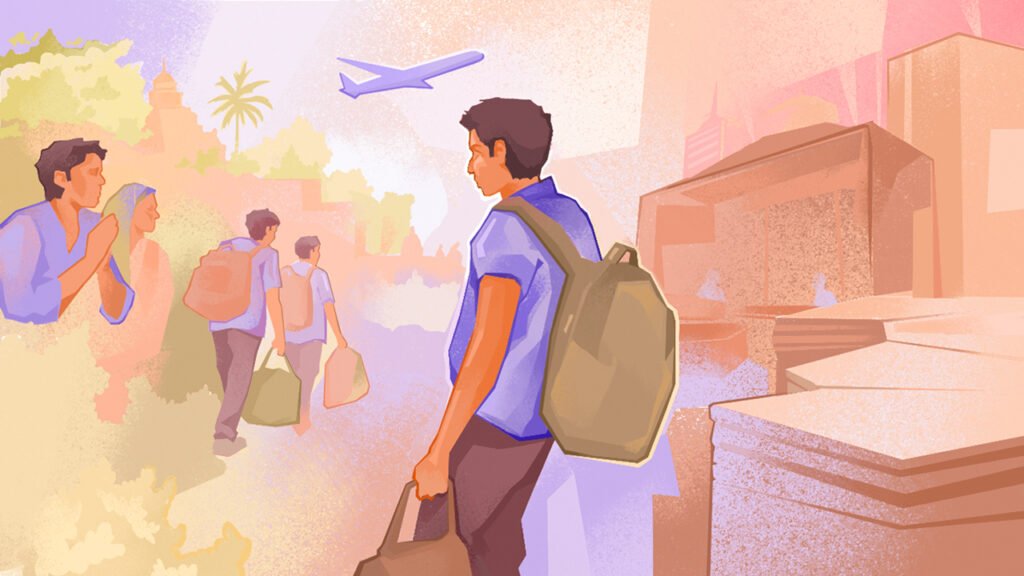
Mukesh migrated from Rewa, Madhya Pradesh to New Delhi in 2015. Forced to drop out of school at 15 because his family–a wife, mother, father, brother and sister–needed financial support, he left his village with a friend’s help. Unlike in Delhi, there’s little work in Rewa that actually pays a living wage.
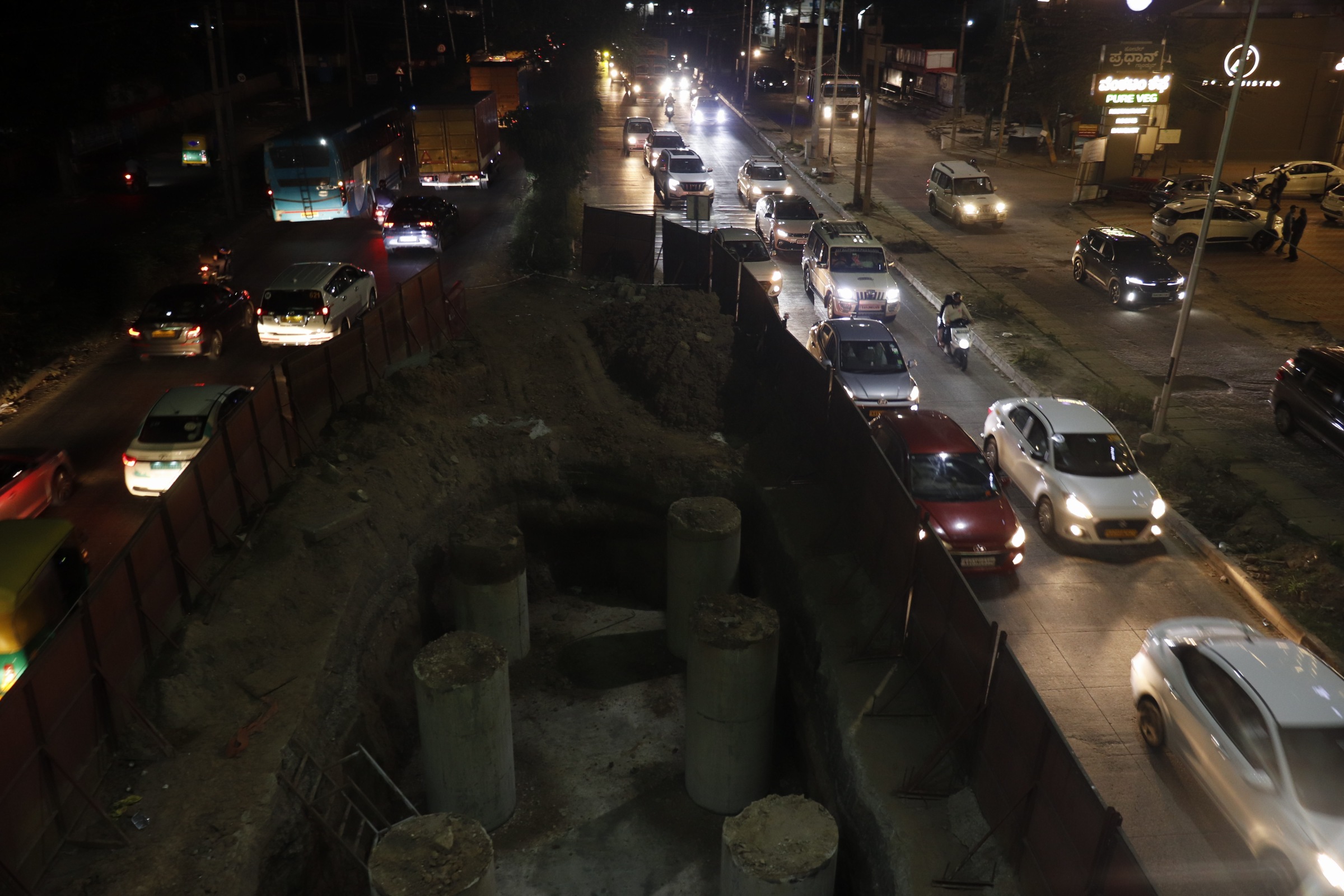
At present, 21 cities in India have an operational metro network, running across 945 kilometres, according to the 2023-24 Ministry of Housing and Urban Affairs (MoHUA) Annual Report. The report also predicts that by 2025, this network will grow to 1,700 kms across 27 cities.
Given the high operational cost and capital required to build these networks, the 2017 Metro Rail Policy encourages public-private partnerships for the implementation of these projects.
As a result, employees like Mukesh don’t work directly for the big companies that win contracts to do the work and the primary employers do not directly monitor the working and living conditions of wokers.
The Acts were meant to ensure that workers are not left to the mercy of their contractors to meet their needs for healthcare, safety requirements and social security benefits. Instead, the state would provide these entitlements. But, two decades since the law was passed, most construction workers remain outside the ambit of the law, say labour rights campaigners.
Generally, neither the principal employers nor contractors take responsibility for registering workers under the law, which mandates proper working hours, break time, as well as safety provision and health measures for construction workers, both formal and informal.
“But, the act is silent on the quality and standards of housing,” Rajesh Joseph, faculty at Azim Premji University who works on informal labor and migration, told The Migration Story.
“The whole idea is to move away from this notion that the lower rung of labour is informal in nature. Why should it be informal in nature when these are prestigious projects of the state. When everyone has to be registered then why are so many of the workers not registered?” Joseph added.
NO PLACE FOR FAMILY
“The contractor doesn’t allow us to live with our families. If we wanted to, we’d have to pay the accommodation expenses ourselves,” said Mukesh, who got married in 2019 and said he wanted to live with his wife.
“If you want to bring your family, then you will have to manage everything on your own. And with the extremely low wages, how can you manage the expenses in this expensive city,” said Vinod, a migrant from Uttar Pradesh, and Mukesh’s co-worker.
Shambhu, 21, a migrant worker from the Sehersa district in Bihar, said he felt the same way. “If we bring our wife and kids, we wouldn’t be able to eat or educate them,” he said.
All the 60 workers interviewed said they wanted to live with their families but were forced to live with their co-workers.
In the absence of their families, workers, who are mostly in their 20s, struggle to balance their work along with domestic chores, leaving them exhausted and impacting their health and well being.
After working a 12-hour shift and later doing domestic chores, Mukesh said he rarely gets enough sleep at night or even rest during lunch hours, with no designated spot for eating lunch and workers are expected to eat out of plastic bags.
“We are not provided any lunch by the company, which is why we wake up early to cook and pack our lunch. This also means we don’t have to walk back to our rooms during the lunch break, can quickly eat and get some rest before we start work again,” he added.
Bhola, a 19-year old migrant worker from Darbhanga in Bihar recounted an incident when he fell down several storeys and was severely injured. When he told his supervisor that he needed to take the day off to rest and recover, the supervisor said he would deduct half a day’s pay from his wages.
“It’s so insensitive that they did not even allow me to take rest for even half the day,” he said, dressed in a torn t-shirt and dirty pants, with dark circles under his eyes alluding to lack of sleep.
After working 12 hours at the site, he goes home and does house-work–cooking, cleaning utensils, washing clothes–all of which add to his constant exhaustion.
Bhola said that he constantly feels “weak” and never gets proper sleep and rest. “Even if you are not feeling well, you will have to complete the assigned task. You cannot leave because then they will deduct your wage. No work means no pay, that is the rule here,” he said.
LONG SHIFTS, DELAYED WAGES
Beginning his day at 8 am, Mukesh worked for 12 hours each day, and sometimes did overtime that was usually uncompensated. His contractor claimed that those extra hours are included in Mukesh’s overall salary.
Wage theft for overtime work is illegal and as per section VII (payment of wages) of the BOCW Act, workers are entitled to double wages for overtime work or work done on a rest day. But, most migrant workers are unaware of their rights and possess little power to demand what they are owed.
Sahabuddin, 21, Mukesh’s co-worker, also said that their contractor regularly denies the workers’ requests for pay for overtime work. The contractor tells migrant workers that since they don’t live with their families, they don’t really need to return to their rooms early, he said.
The long work hours and fear of wage cuts also means that it is difficult to remain in touch with their families back home too, many workers said.
“If the contractor sees you talking on the phone even with your family members or fellow employees, he will deduct money from your wages,” said Mukesh.
“There’s no festival or celebration or leisure activity for poor workers like us, not even a cup of tea.”
(The names of the workers have been changed to protect their identities and names of metro construction sites have been withheld for the same reason.)
Edited by Kudrat Wadhwa
Sonu Pandey is a Research Fellow at the School of Development at Azim Premji University in Bengaluru. He has researched on social determinants of health and well-being of informal workers in the construction sector in Delhi.