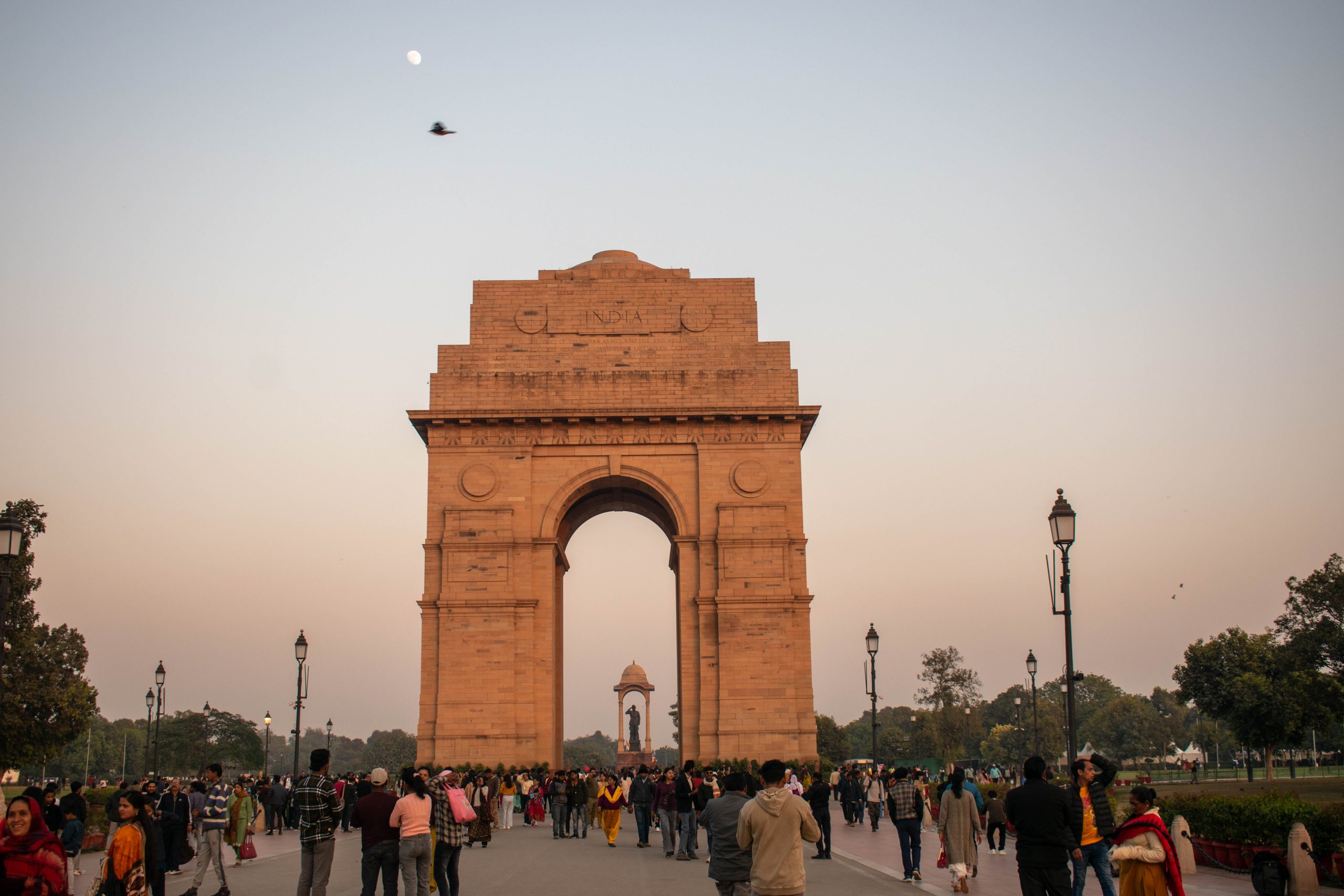
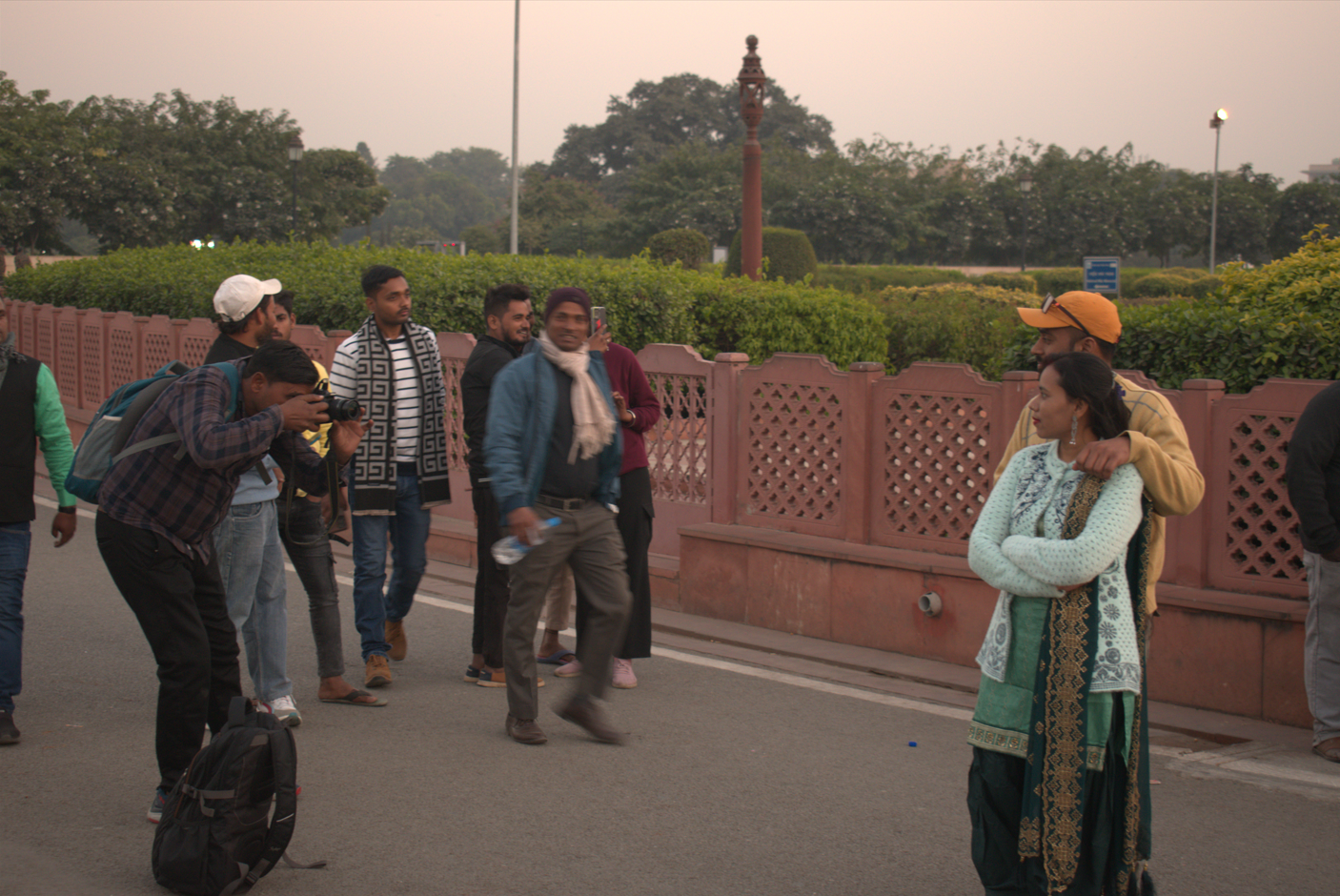
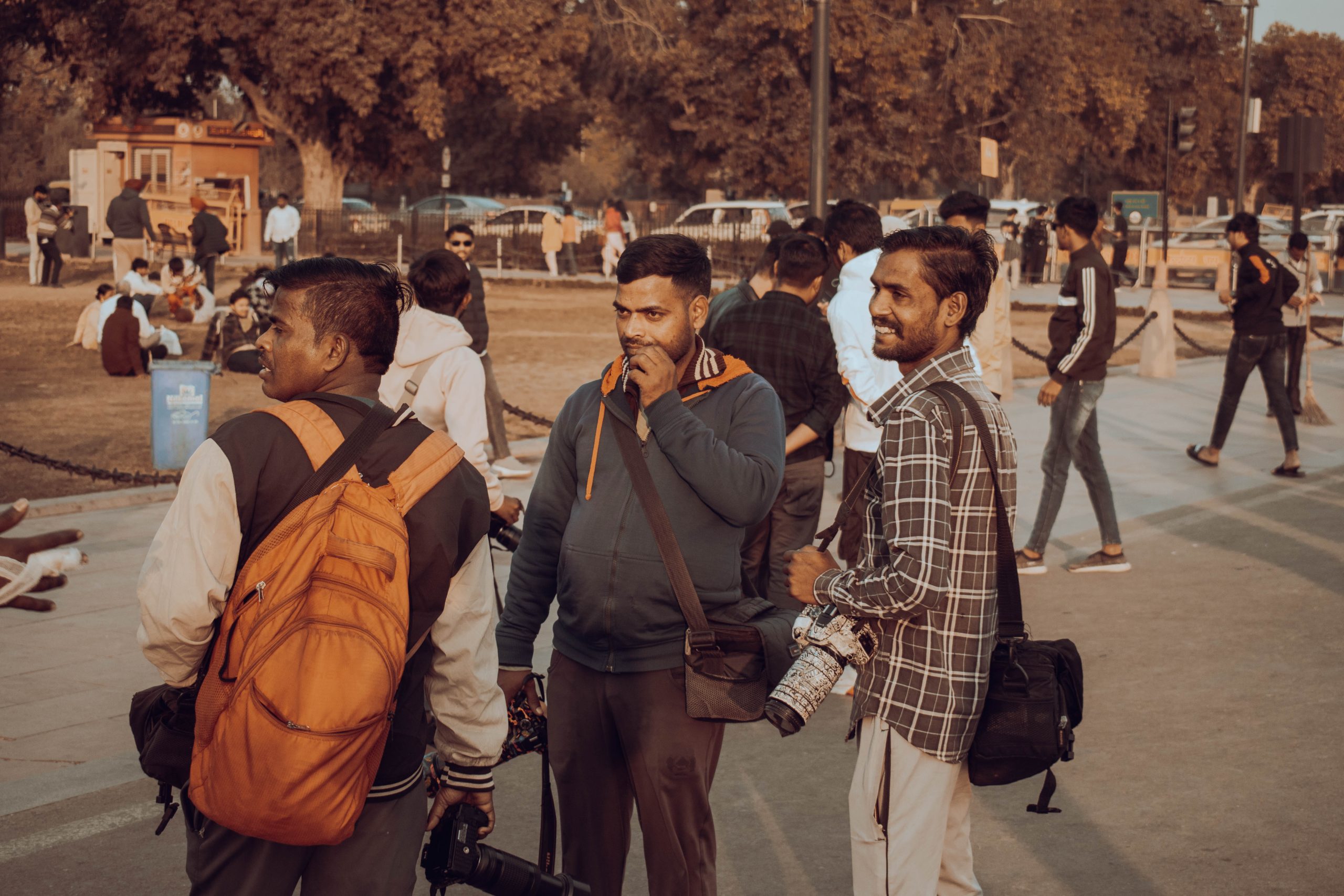
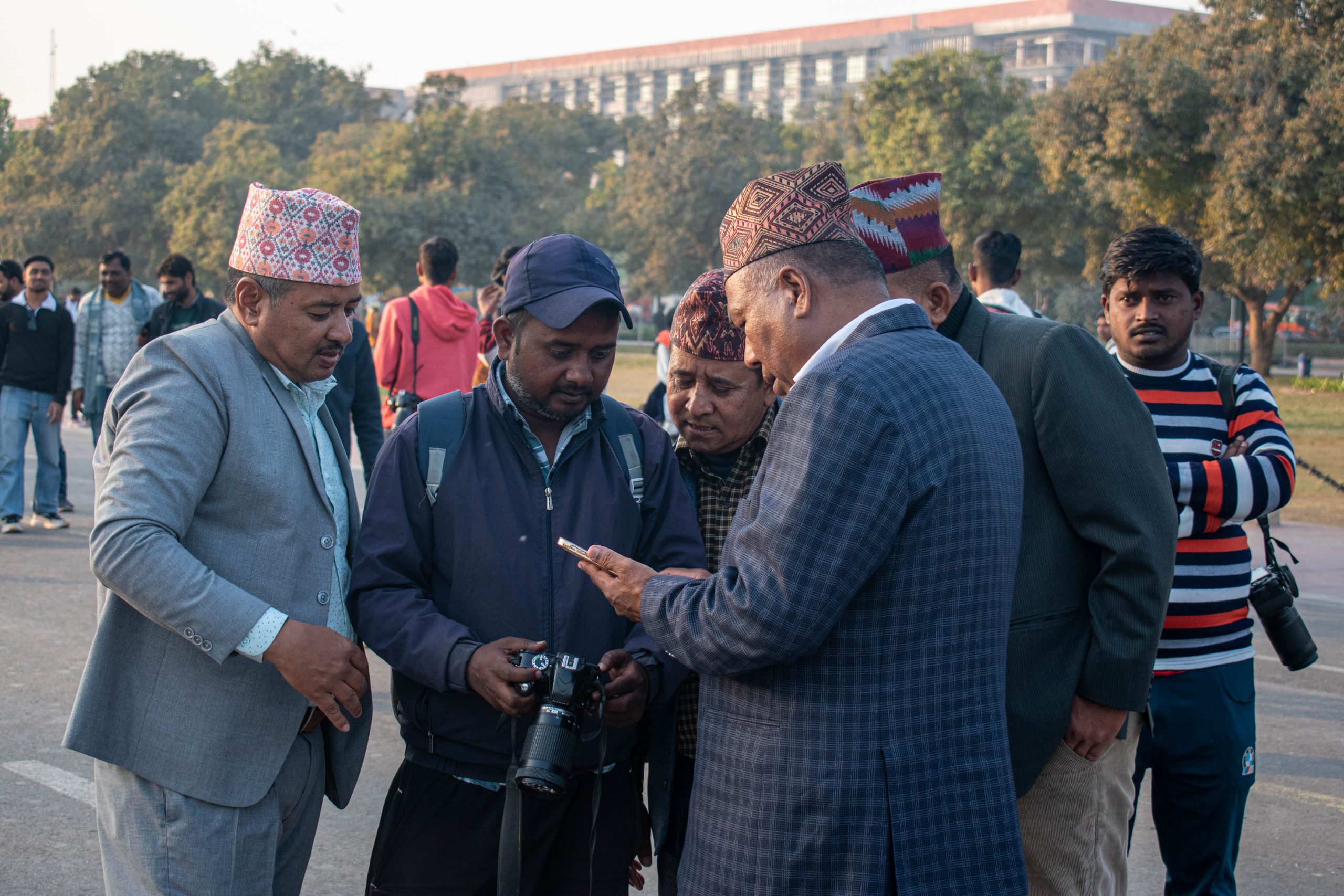
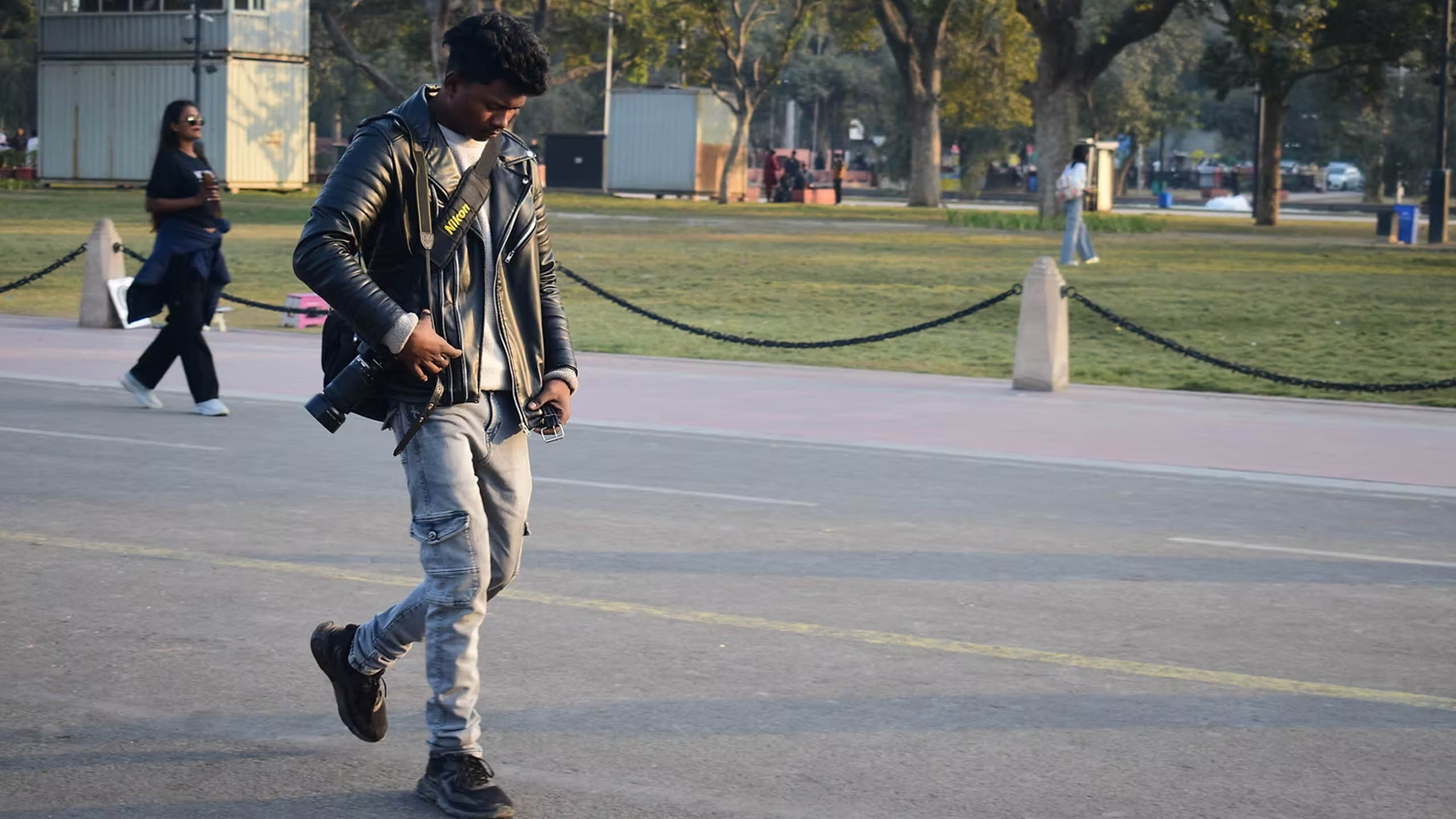
NEW DELHI: Awadhesh Dixit, 40, known to most as Bunty, stood on the edge of Kartavya Path, his eyes scanning the sparse crowd, a camera slung over his shoulder. A few meters away, his colleagues paced along the main road, occasionally stopping, trying to promise tourists the perfect shot with India Gate in the backdrop.
They have had little luck since the iconic India Gate lawns were redesigned as part of the Central Vista project and declared a no-vending zone, forcing photographers like Bunty to operate from distant locations to the archway, impacting their earnings.
Photographers now operate from locations hundreds of meters away, a far cry from the hustle and bustle of the inner hexagon that brought them steady work for years. “We’re barely visible here,” Bunty, lamented, gesturing to the throng of walkers and joggers who strolled past, uninterested.
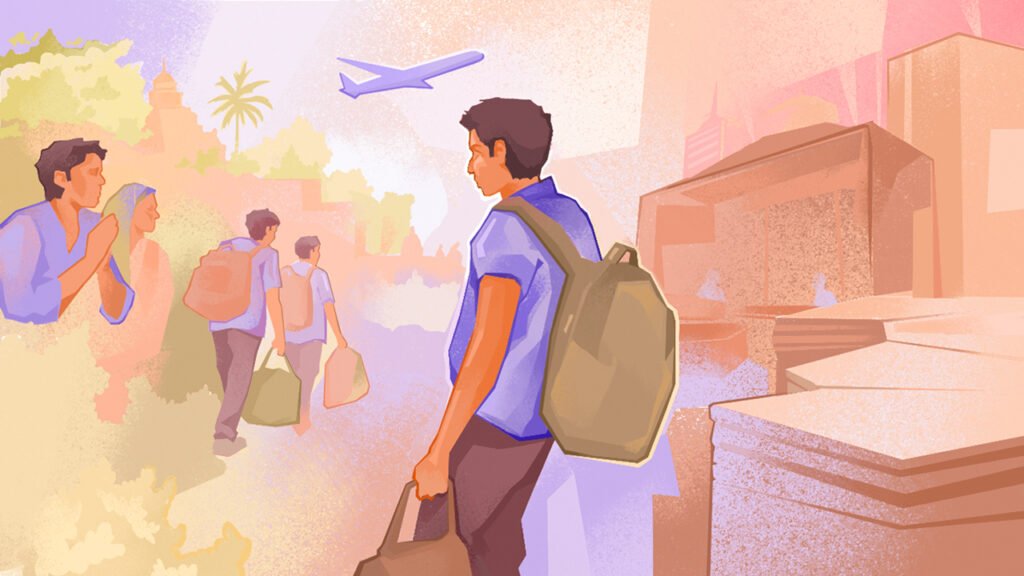
For 11 years, Bunty has captured memories for families, friends, and couples at India Gate, a career he stumbled into after moving to Delhi from Morena district in Madhya Pradesh. He came to Delhi seeking a better income as agriculture was no longer lucrative for his family.
“We had less than an acre of land in the village where we grew three crops a year (bajra, mustard, and wheat), yet it was difficult to make ends meet. My father insisted that I come to Delhi, as some of our relatives were already here. It was an easy option, so I moved to Delhi in 2000,” he told The Migration Story.
“I never thought I’d become a photographer. It just happened to me,” Bunty said, adding that he initially started a small press of his own in Chandni Chowk, printing wedding cards. But the job required substantial investment and carried significant risk of losses. A friend who worked as a photographer at India Gate used to come to his press to get his photographs printed and suggested he join him.
“I learned the work from him, bought a camera with borrowed money—some from a friend, some from a relative, costing around 30,000 rupees—and have been working here since 2013,” he said.
But the arbitrary measure continued and in December 2022, two months after the official inauguration of the Central Vista, the Delhi police declared the area as a no-vending zone. This declaration was contested by vendors, leading to a protest at Jantar Mantar in 2022, organised by National Hawkers Federation.
Following this incident, new regulations, agreed upon by Delhi police and NDMC, were introduced which banned vendors beyond Man Singh Road _ one of the arterial roads encircling the iconic India Gate, forcing them to operate outside the main India Gate complex.
For the photographers, this meant a distant view of the structure, making it difficult to capture it in its entirety for tourists.
“You can reposition the other vendors further out of the frame, but our requirements demand that the India Gate remain in view and in close proximity,” Bunty explained.
On a December evening, Kusum Rani, 26, from Mathura, was eager to capture a photograph with her husband in front of India Gate. “I need the full India Gate visible to show friends and relatives,” she said, gesturing towards Kartavya Path. “Why should I settle for this spot? I’ll go closer inside. Look at the number of people coming in the background. Closer the better.”
This sentiment echoes the frustration of many photographers, who note a sharp decline in interest as tourists seek proximity to the monument for their pictures. The footfall is significantly higher near the inner hexagon, just 40-50 meters from India Gate, compared to Kartavya Path, which lies about 250 meters away and is viewed more as a walking trail than a prime photography spot.
This shift has severely impacted photographers’ incomes. With Rs 20 for an image transfer to a phone and Rs 50 for a printed photo, Bunty estimates, “Earlier, when we were able to operate from inside, we could easily make up to Rs 2,500 to 3,000 everyday. But now, with the same effort, one can only earn a maximum of Rs 1,500 a day.”
The Migration Story reached out to Keshav Chandra, Chairman of NDMC, over the phone to inquire about the reasons photographers are not allowed in the Inner Hexagon. However, no response was received. This story will be updated if a response is provided.
LEARNING ON THE JOB
Photographers at India Gate mostly operate in groups. For instance, Bunty currently has three photographers working under him. He provides them with cameras and a mobile printer, taking a 50% share of the photographs they sell.
Karan Kumar, 21, migrated from a village in Aligarh and joined Bunty less than two months ago. “Being a halwai in the village paid me only Rs 100 daily, a mere Rs 3,000 per month. Here, it’s my own will and potential that determine how much I make,” he said.
“When someone comes to me from the village, they usually don’t know photography,” Bunty added. “I teach them the basics. In one or two days, they get used to the camera and self-learn the rest, like angles and poses for clients. It’s not very demanding since it’s a tourist spot, and tourists are generally satisfied with simple, tilted angles. The finesse in this type of photography isn’t required much.”
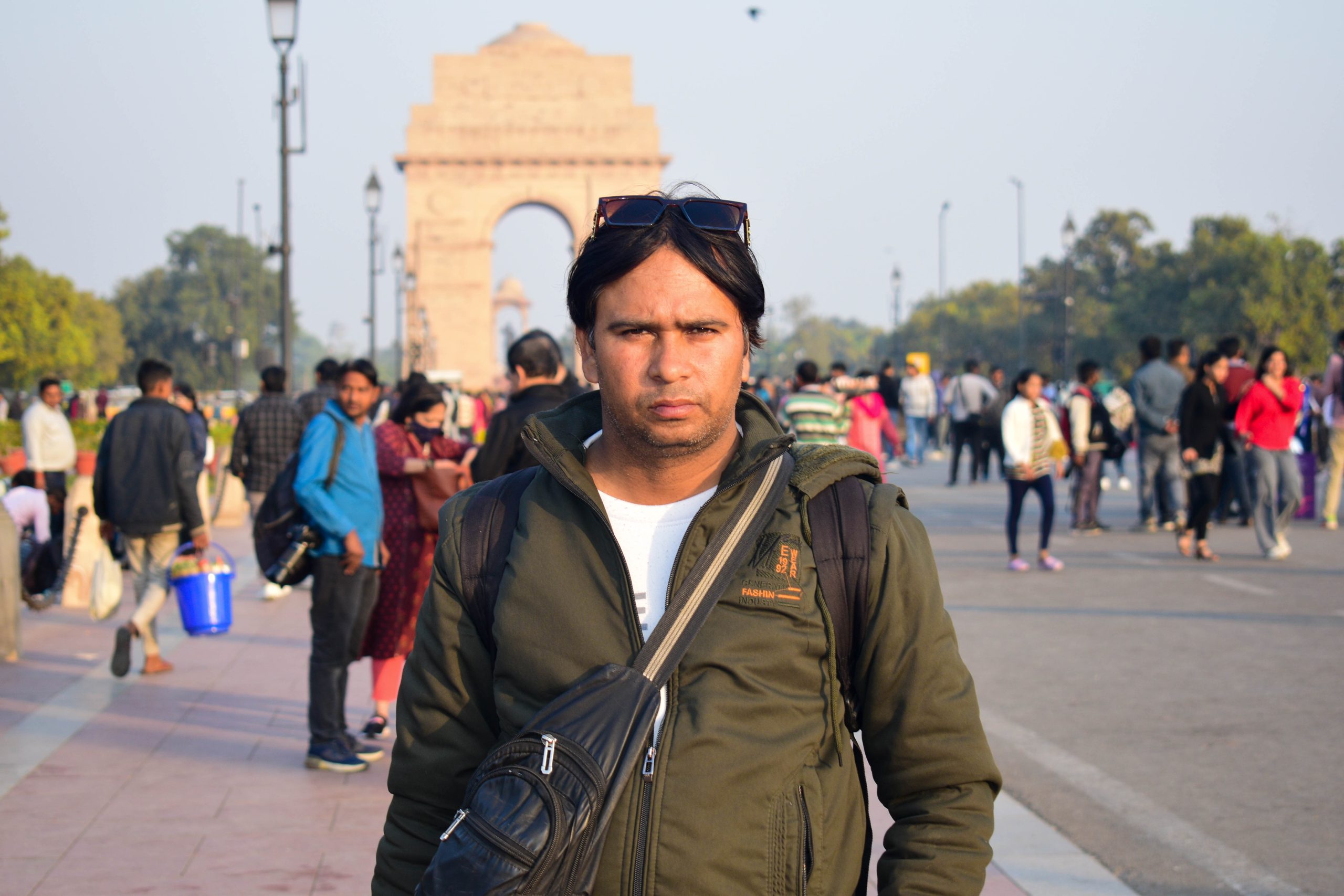
Although photographers are prohibited inside, a few can still be seen trying to get clients. “If you bribe the guards and police, you can manage it,” Bunty explained.
Rajesh Singh from the National Association of Street Vendors of India (NASVI) believes India Gate is now tailored for the middle class, confined, and spatially managed. “It used to be a refuge for those lacking personal open spaces, where people without access to gardens could enjoy the outdoors,” Singh noted.
LACK OF LEGAL PROTECTION
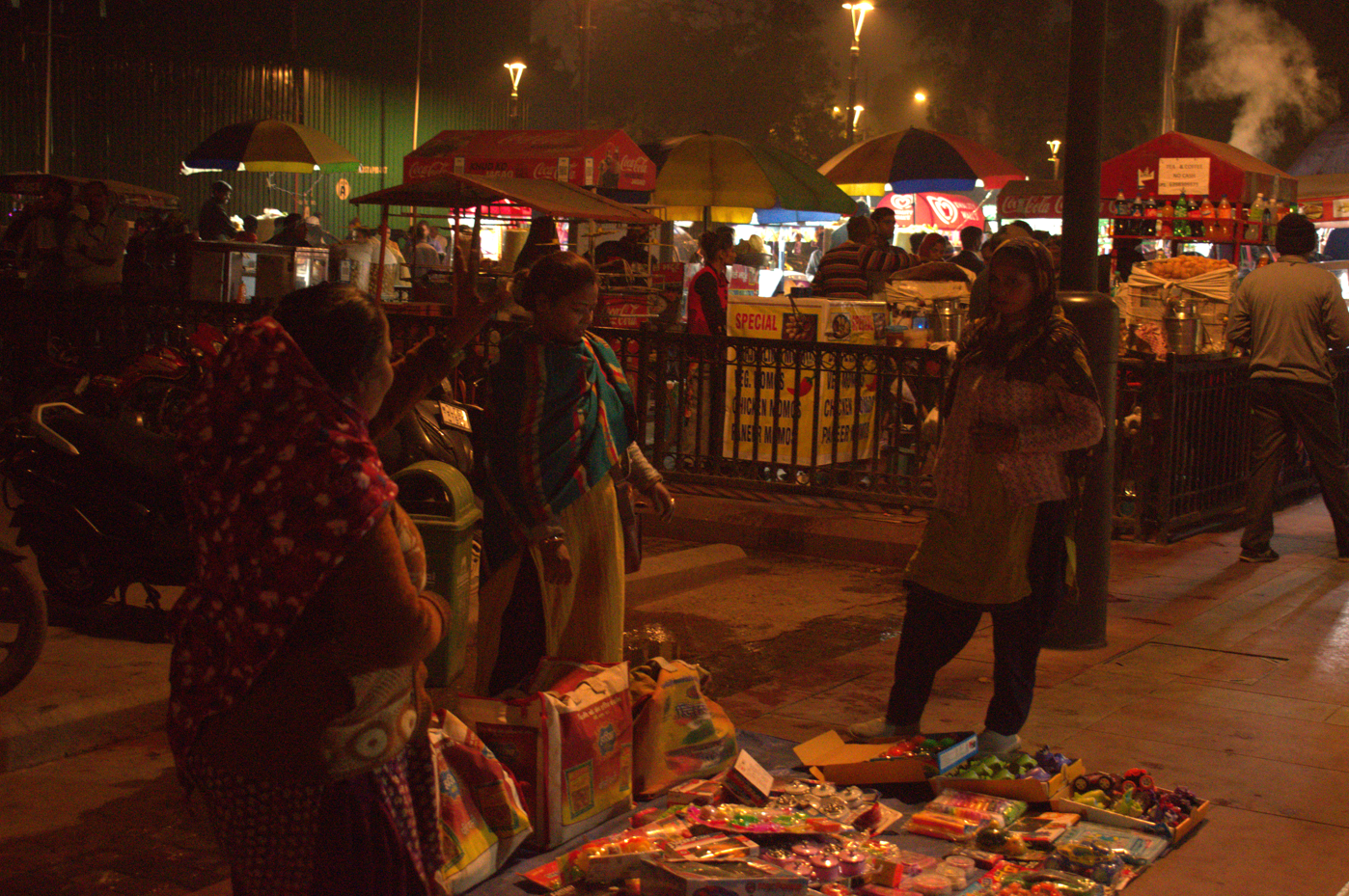
The year 2014 should have been a turning point for workers like Bunty. The Street Vendors Act 2014 promised regulation and protection, culminating years of struggle for vendors’ rights. This legislation broadly defined street vendors, including those offering goods or services in various urban spaces such streets, sidewalks, parks, and even private areas.
Ironically, while the Act aims to protect vendors, it fails to address the specific challenges faced by migrant workers. The legislation doesn’t even mention the category ‘migrant’, despite the fact that most street vendors in urban areas are migrant workers.
In March 2024 the chief minister promised the long-overdue vendor survey after the elections. This survey, mandated by the 2014 legislation, should be cause for celebration. Yet, there has been no progress.
The financial tightrope they walk, the shrinking spaces they’re allowed to occupy, the lack of basic amenities are deeply rooted issues that workers fear will persist long after the surveyors have come and gone.
Hope and skepticism mingle in equal measure as we discuss the future. “In this city, everyone has to fend for themselves,” Bunty says with resignation. “The government rarely helps.”
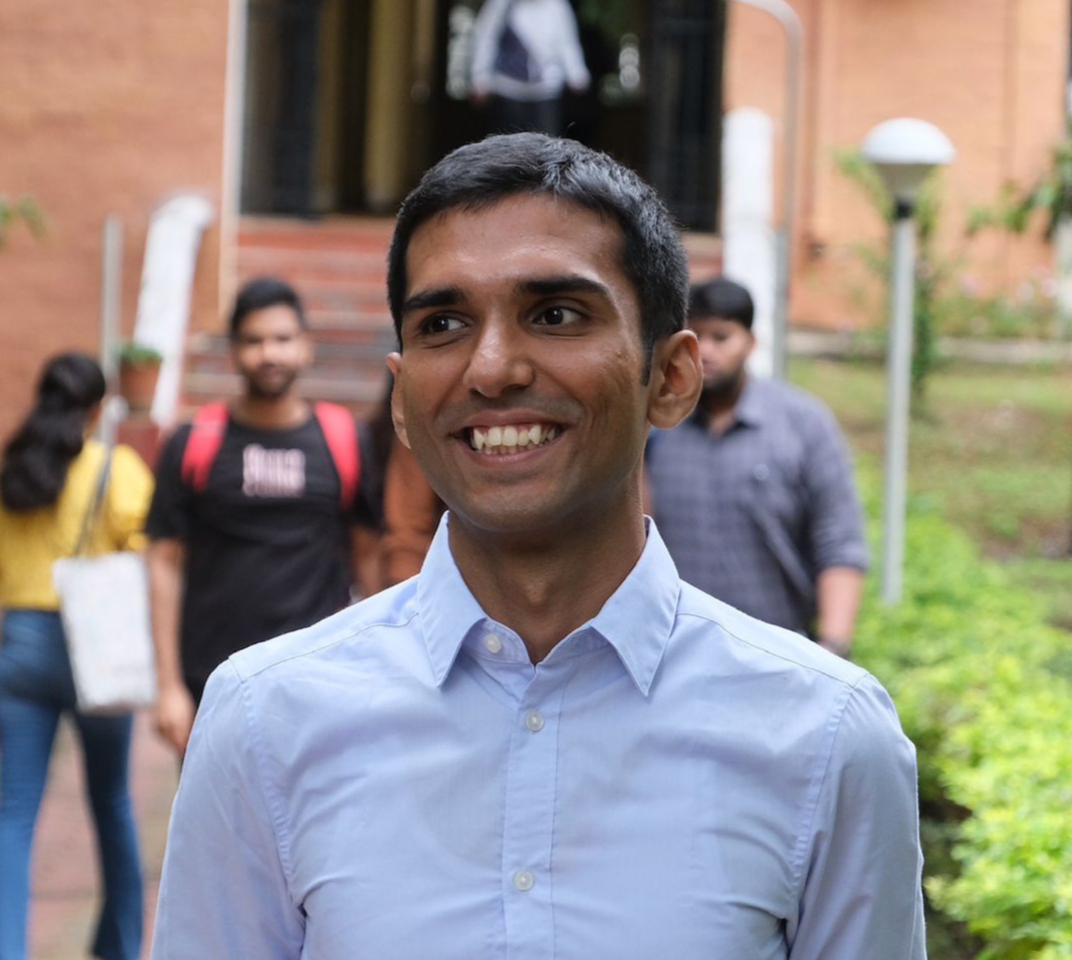
Anuj Behal is an independent journalist and urban researcher primarily focusing on urban informality, justice, gender, and sexuality
Anshul Rai Sharma is an urban geographer. His work engages with urban policy, law and sustainability in the Global South