A member of the United Hospitality Association (UHA) told The Migration Story that the number of retrenched workers could be much higher than 10,000.
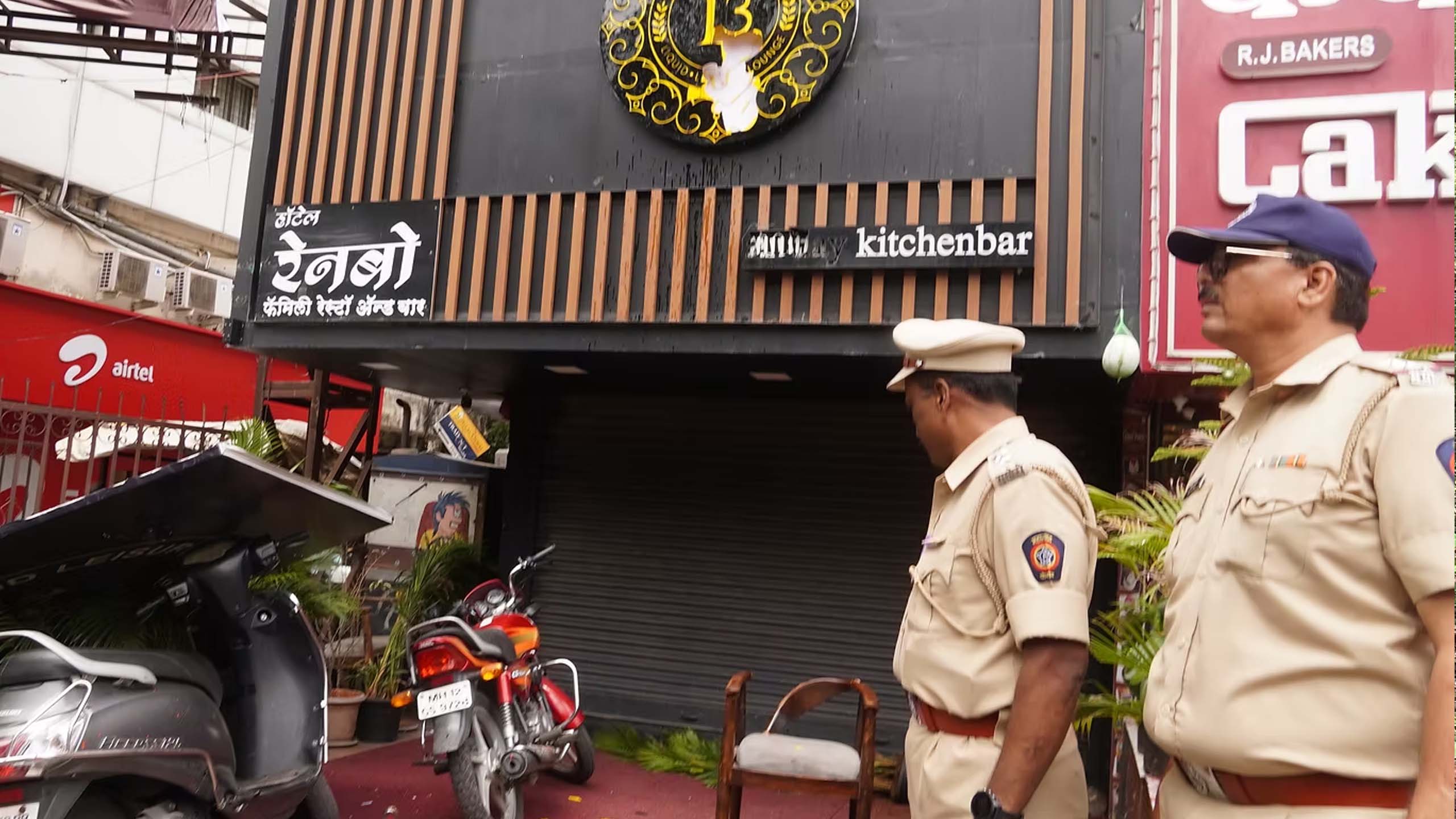
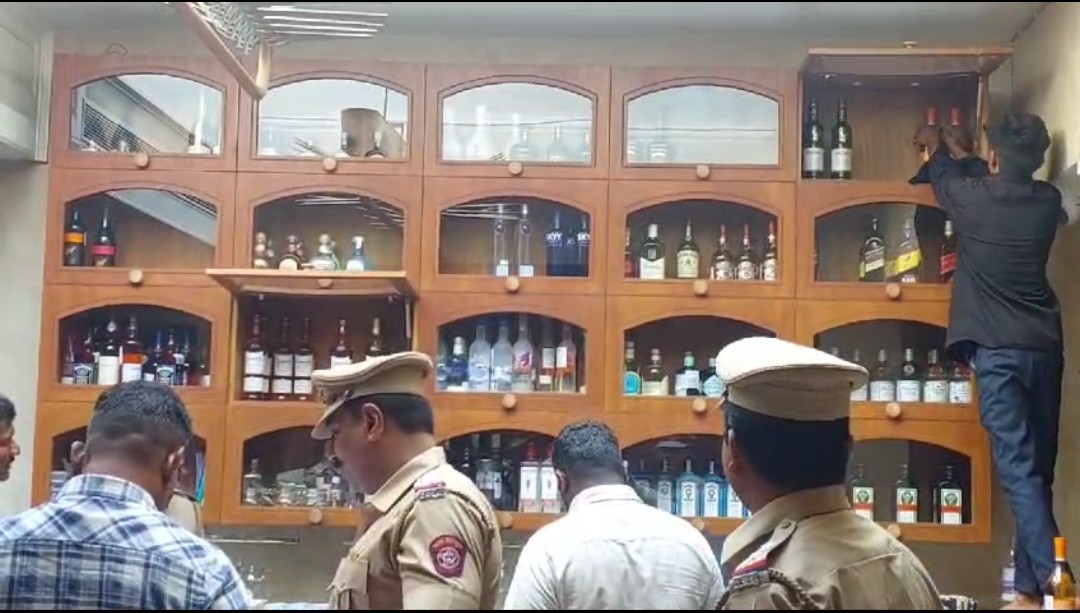
“According to our information, 68 pubs and bars (of nearly 3000 in the city) have shut down following the PMC action,” he said. “One bar/pub has a staff of 100 or more. Thus, 6,800 to 7,500 people have lost their jobs. The remaining pubs and bars have reduced their capacity by 40 to 50 percent.”
The excise department has also revoked the legal license of many pubs and bars, which were serving alcohol in excess of what they had been permitted.
While bars and pubs were allowed to serve alcohol in dedicated ‘permit rooms’ to about a quarter of their total guests, most people prefer to have alcohol in open spaces and on rooftops. “So the footfall of guests has reduced, and pubs and bars have had to cut down their staff,” another UHA member said.
Half the workers in the hospitality industry are migrants from West Bengal, Uttarakhand, Madhya Pradesh and the north-eastern states. They work as housekeepers, DJs, bouncers, waiters and bartenders in restaurants, pubs and bars.
“We know that many migrant workers have been working in this industry in Pune for five to 10 years,” said another UHA member. “Many have brought their families down to Pune. They have to pay EMIs, their kids go to school here. How will they survive without jobs?”
The excise department did not reply to queries over email and calls about the number of licensed bars and pubs, and how many licenses had been revoked.
The PMC, the Pimpri-Chinchwad Municipal Corporation and the Pune Metropolitan Region Development Authority did not respond to the query of how many pubs and bars had been demolished fully or partially.
If the authorities reply, this story will be updated.
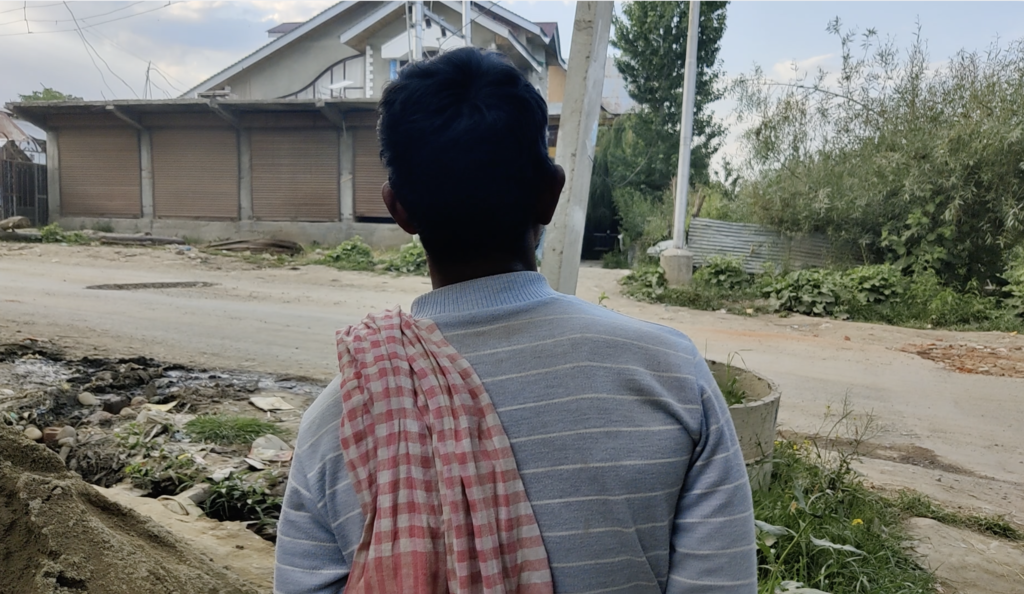
Dimple Singh, 28, lost his job when the excise department served notice on Thikana, a restaurant in Bhugaon, to stop serving liquor in its outer premises. The owner of the pub laid off all those working in the bar section, and Singh returned to Bhind, his village in Madhya Pradesh.
“I worked there as a bar manager, serving alcohol to guests for six years,” he said. “I had started my job at Rs 12,000 per month, and was earning over Rs 20,000 this year. After being sacked, I tried to find a job in Pune but failed to get one. Now I have come home to my parents, wife and kid. But I cannot afford to stay jobless for more than two or three weeks, as my savings have almost dried up. I am ready to accept any kind of job in any city.” Every day, Singh calls friends and agents in a bid to find work again.
Singh has two acres of farmland in his village but the family can cultivate crops only in the kharif season owing to water scarcity, a feature in many parts of rural India, where excessive water extraction and fickle rain that have eaten into farmer profits. Farming was no longer profitable, Singh said, which is why he completed a course in bartending and migrated to Pune. Now he is back working at his farm but finds it difficult.
The story of Nikhil Tonde, 32, is no different. Tonde was working as a restaurant manager at Planet 9 to serve guests and address their complaints. “We received a show cause notice which granted us one week to reply,” he said. But after two days, the PMC came with a bulldozer and razed the outer section of our restaurant without any warning. We requested them to allow us to call the owner but to no avail,” said Tonde.
Tonde said that over 100 people who worked at the restaurant lost their jobs. “So, around 500 people, including the family members of staffers, are facing problems now,” he said.
“I have returned to my village Nive in Pune’s Mulshi taluka and am looking for a job. Currently, I am working on our agricultural land. But that is not what I want to do in life.”
Tonde is hopeful that the restaurant will begin operations again and he will get his job back.