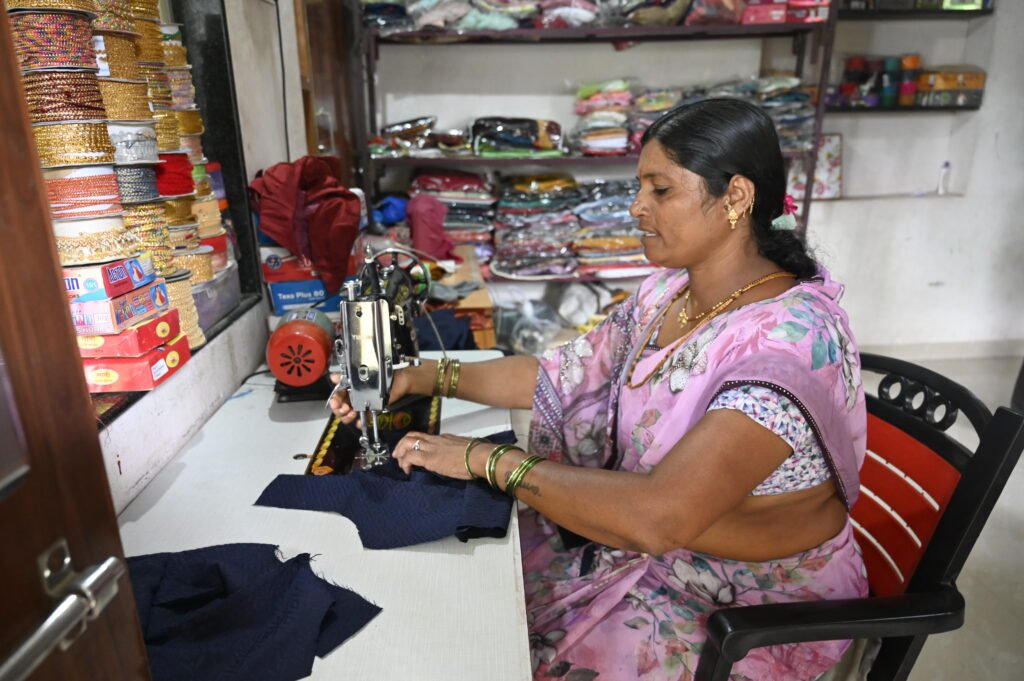
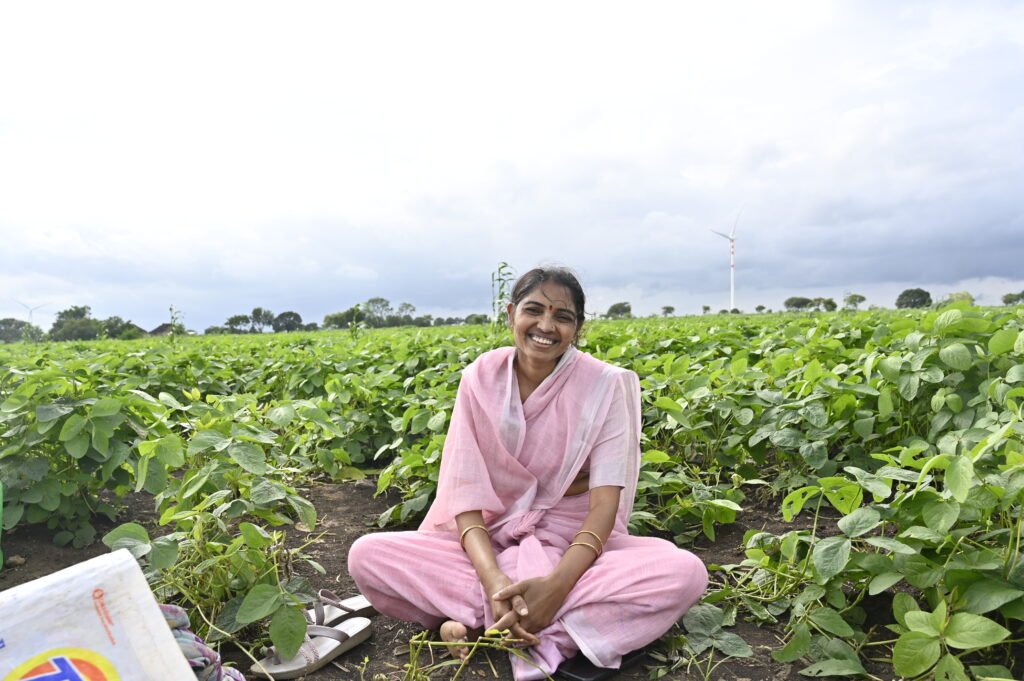
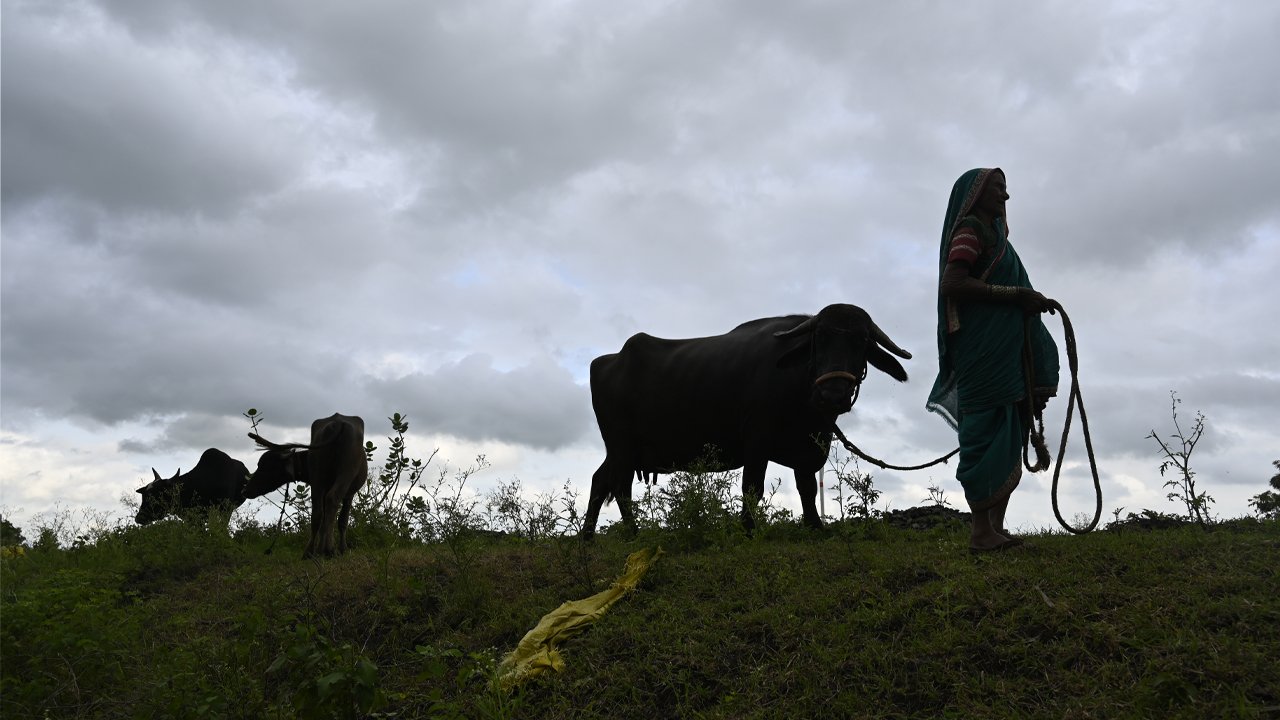
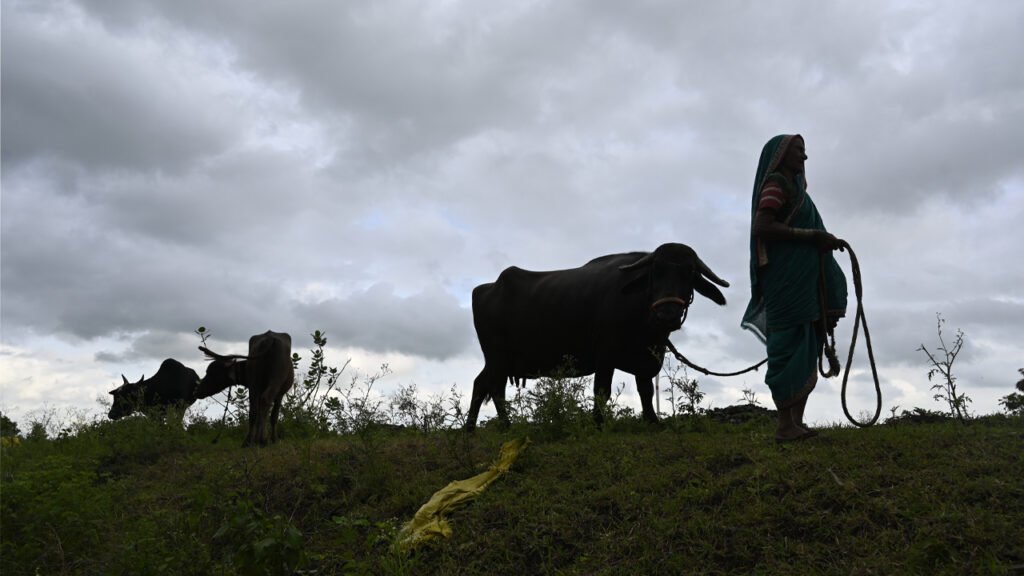
BEED, Maharashtra: Sarika Mansuke starts her day feeding and tending to her cattle. Her husband then takes the milk to the collection centre, while she gets busy with her household chores. The 43-year-old mother begins her tailoring work in the afternoon.
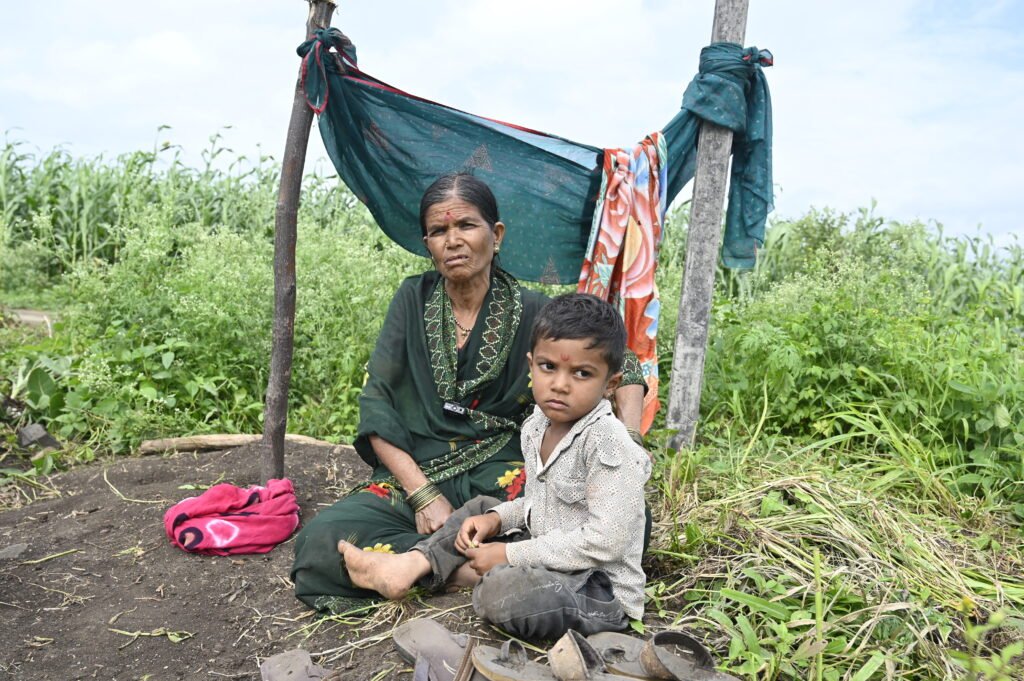
Five years ago, her daily schedule was not even remotely close to what it is today, when she would spend months in a makeshift tent in a sugarcane field in Latur or Osmanabad. She would live there with her family—her husband and two children—for nearly six months.
“There was no certainty about where we would get water, where we could bathe or even where a bathroom was available,” Sarika said.
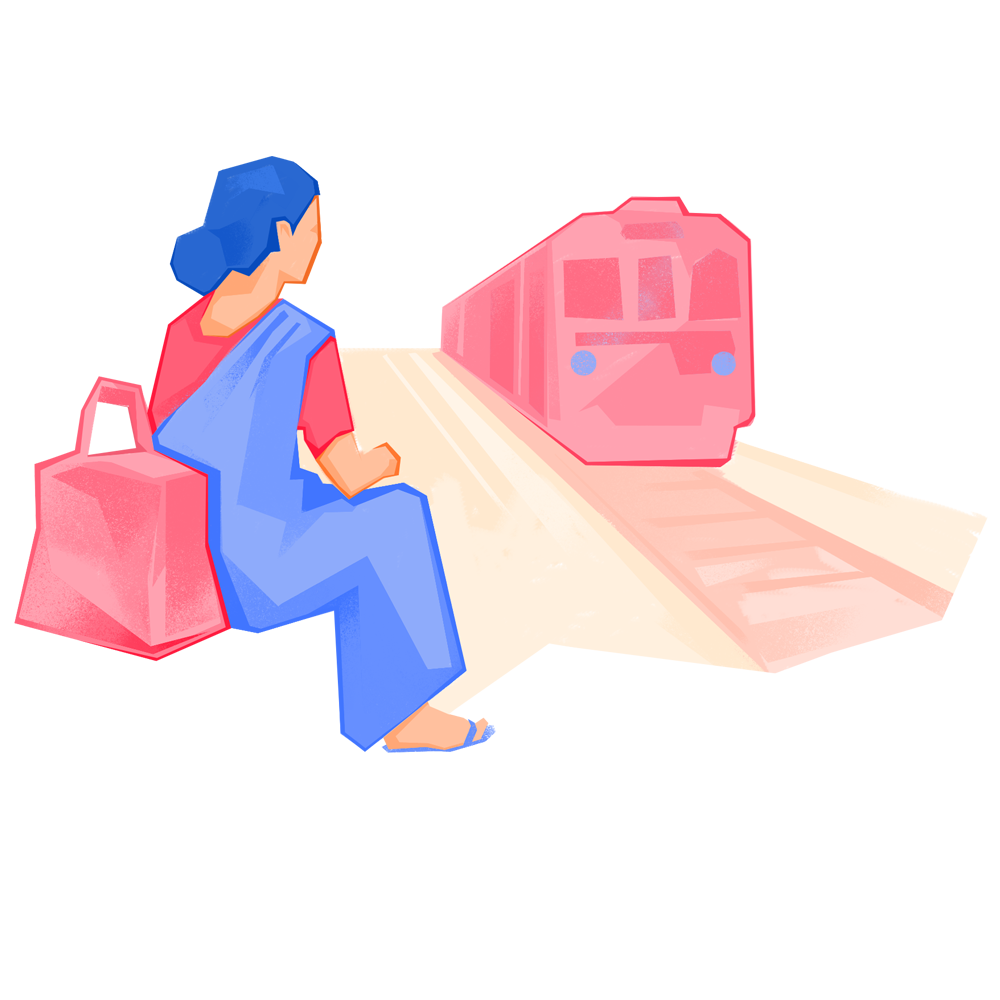
What does home mean when you live 1,500 km from it?
Follow The Migration Story’s nuanced coverage of India’s massive informal workforce.
Sarika has lived in Shindi, a small village in Kaij taluka of Maharashtra’s Beed district, for over 25 years. Her family owned land, but in the chronically drought-prone district, it provided little to no security. “Even though we had two acres of farmland, we could not produce enough even for our food because there was no water,” Sarika said.
A labour contractor would give Sarika and her husband an advance of around 60,000 rupees.
“We would buy groceries and clothes for the children with that money and manage for the year,” Sarika told The Migration Story. She and her husband would then go to sugarcane fields during harvest season, typically after Dussehra, and repay this amount in the form of backbreaking labour for nearly six months in inhuman conditions. The exploitative labour practice has long been associated with sugarcane cutting and has been considered a modern form of wage slavery or bonded labour.
For decades, Beed district’s identity has revolved around sugarcane workers. Maharashtra accounts for nearly 35% of India’s sugarcane output, and the industry’s exploitative labour practices are widely documented. Workers have been stuck in this vicious cycle because of limited employment opportunities and an agrarian crisis driven by water scarcity. The climate crisis further exacerbates the already precarious nature of their lives.
This year, Maharashtra faced an 18% rainfall deficit. The state government has declared a drought in nearly three-fourths of the state, which includes Kaij and ten other tehsils in Beed. Years of gruelling work, involving long hours—often 14 to 16 hours, where workers are hunched over—have left a mark on women’s bodies. Workers are careful not to injure themselves or fall ill, as they do not receive wages for the days spent recovering. Women have to return to the fields soon after childbirth, often days after delivery, working with acute body pain.
Padminibai Prabhakar Chavare from Nagzhari village in Beed has been caught in this cycle for the past 40 years and told The Migration Story that the “hardest part” of their ordeal was that no amount of effort allowed them to break out of this vicious cycle. “When we returned to our villages, the questions remained the same: there was no water for the fields, no daily wage work and no regular employment,” she said.
In such a scenario, self-help groups (SHGs) like Navchetna Sarvangi Vikas Sanstha have become vital. Sarika is part of one such SHG and has built on the initial stability it provided.
Sarika said she learned about the self-help group five years ago through other women in the village who were part of it. She took a loan of 60,000 rupees from the group and used the money to buy a cow, tentatively betting on a business idea.
“I had spent so many years cutting sugarcane. I thought that if this new business worked out, I would not have to go back to that difficult life again. That is why I decided to give it a try,” she said.
Sarika said that Navchetna also provided training, helped her open a bank account and complete the necessary formalities. “They helped me at every step,” she said, adding that her husband also supported her decision and stood by her throughout the process.
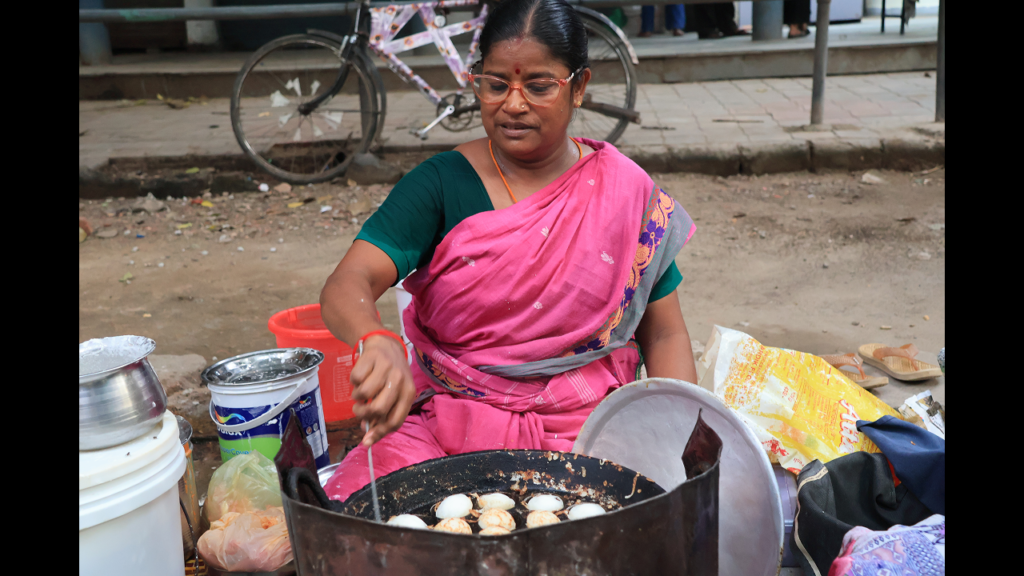
Sarika’s bet started paying off early on. The income from selling milk gradually allowed her to add other income streams. “I bought 20 chickens and also started tailoring work from home,” she said, adding that the tailoring business brought in up to 12,000 rupees every month. “I have started a saree business as well,” she said.
TWO CHALLENGES: FIGHTING PATRIARCHY AND ACCESS TO CREDIT
Like Sarika, Suman Babasaheb Kasbe too worked in sugarcane fields. She even gave birth to both her children while working in the sugarcane fields.
“My legs, back and hands would all hurt. I was not used to it, but I had to work. Even after delivery, I had to return to work immediately,” she told The Migration Story. Suman said that she fractured a finger while working in the fields, which made physically demanding work even harder, and because of which her husband abandoned her.
Three years ago, with Navchetna’s help, she bought a buffalo and entered the dairy business, like the others.
However, such success stories notwithstanding, getting women to join SHGs remains a challenge.
It has been more than 10 years since the field workers of Navchetna Sarvangi Vikas Sanstha began their work in five villages in Beed district. Manisha Ghule, who heads the organisation, told The Migration Story that they developed their initiatives to create local employment opportunities after extensive interactions with women to understand their difficulties, concerns, and needs.
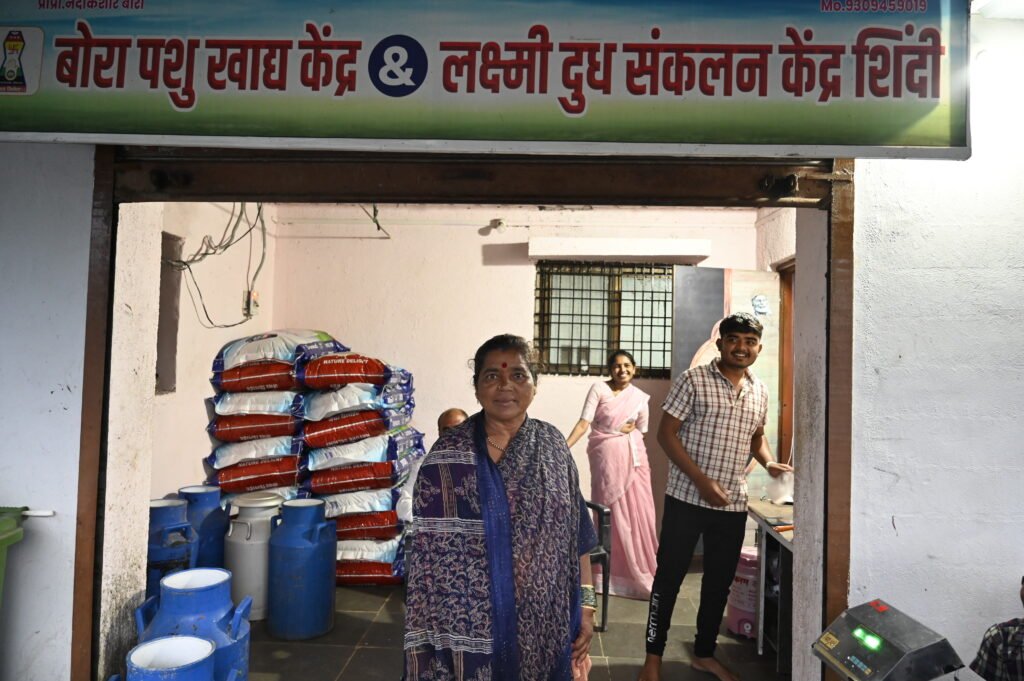
Laxmi Bora, who has worked with the organisation since its inception in 2012 and runs the milk collection centre in Shindi, said that despite their outreach and success stories of women becoming financially independent, their biggest challenge still is the “patriarchal mindset” that continues to prevail in communities. Laxmi said that even today, women in several villages are not allowed to step outside their homes freely.
“In such a situation, the idea of a woman joining a self-help group, taking a loan to buy a cow or buffalo, and starting her own business is not easily accepted. People question how a woman can run a business independently. As a result, men in many families do not allow women to take up such work,” she said.
And when women take this big step, they encounter another stumbling block: access to credit, with banks often hesitant to lend to them.
“They have concerns about whether these women will be able to repay the loans and whether they can be trusted to do so. This is where Navchetna steps in to support the women and help them secure loans from banks,” she added.
Laxmi said women were given loans of 10,000 rupees at the outset, which they used to start small businesses such as tailoring, bangle-making, grocery shops, or dairy farming.
“After repaying the loans regularly, they became eligible for larger loans of up to 50,000 rupees. This helped build their confidence and strengthen their ability to run businesses,” she said.
A BRAND NEW LIFE
For Meenabai Yuvraj Mansukhe, the decision to join the SHG and take a loan was clear. She said that she did not take “permission from anyone” to start her dairy business. Meenabai has been a sugarcane cutter for nearly 18 years, having started at the age of 15. She said she did not own any land, but was still able to source fodder for her cattle from the fields of other women in the self-help group.
Since she made the switch, Meenabai has not only seen her finances improve, but also her quality of life. “There is not as much pressure now. I can work according to my own routine,” she said, giving one example to highlight the same: “Over there, we had to wake up at 3 am, sometimes even 2 am. Now I wake up at five or six o’clock.”
Meenabai highlighted another critical point: if the switch had not been lucrative enough, women, and by extension their families, might not have stuck with it. “In sugarcane cutting, we used to earn around 30,000 to 40,000 rupees in six months. Now, by staying in the village, we earn around 12,000 rupees every ten days,” she said.
Sarika also reflected on all the benefits, many of them that cannot be measured in financial terms, that have followed since they made the move: her children managed to get stability and completed their education, her two daughters were married, her son went to an Industrial Training Institute, and they replaced their mud home with a brick one.
“There is still no water in the village, but I am satisfied that we no longer have to leave the village,” Sarika said.
Sanjana Khandare is a Maharashtra-based journalist. She works with BaiManus Media Research Foundation, focusing on climate change, gender issues, and marginalized communities. An Earth Journalism Network fellow, Asian College of Journalism Climate Mentee, and 101Reporters grantee, she is committed to bringing rural voices, experiences, and perspectives into mainstream conversations.