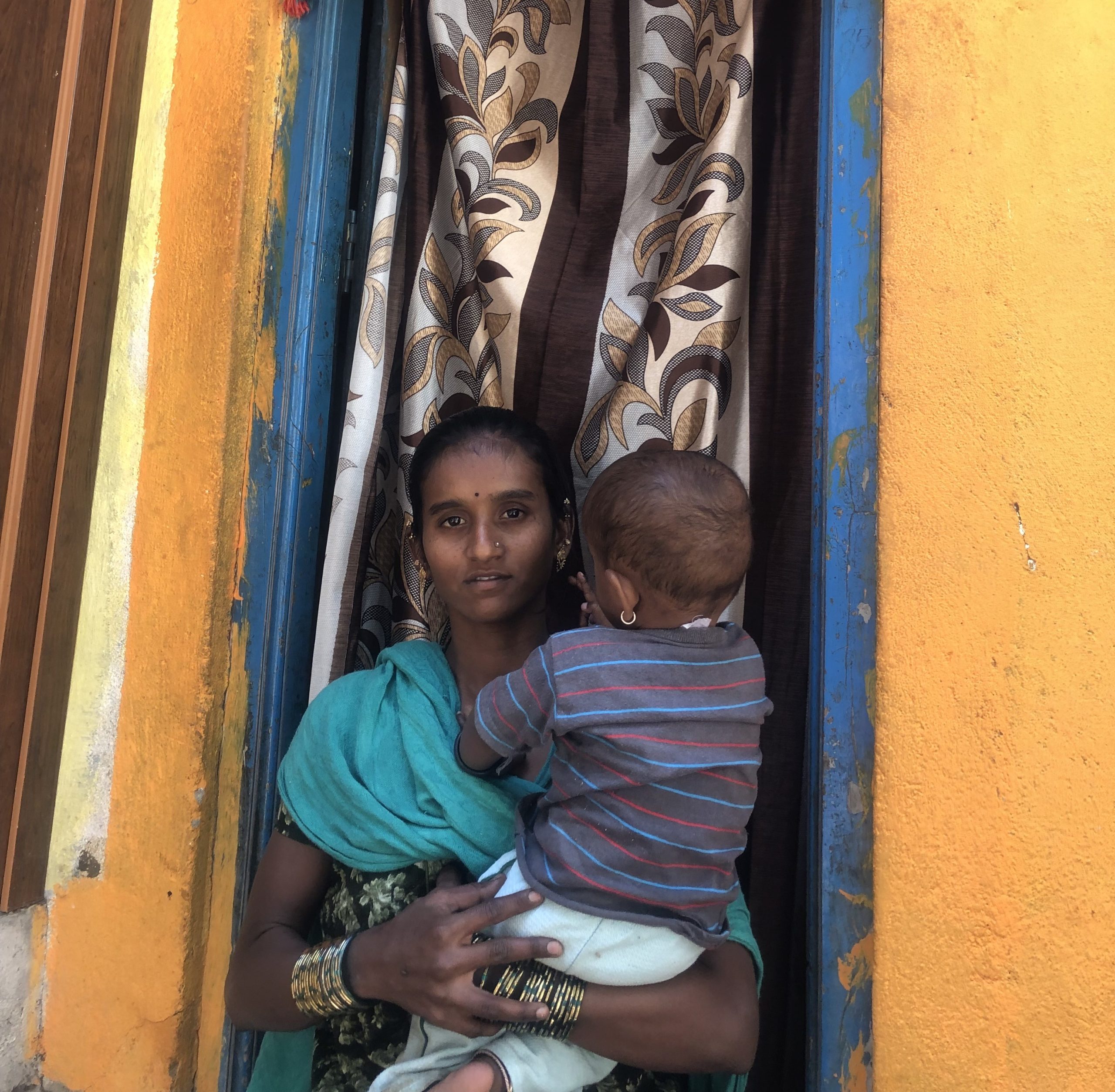
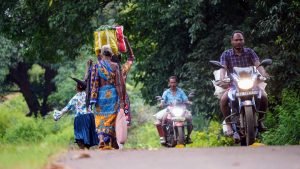
Mariyamma, 28, gave birth to her son at the Mallasandra Primary Health Centre, about three kilometres from Ashwathpura Colony. She benefited from the Thayi Bhagya scheme that provides comprehensive healthcare and financial aid to pregnant and lactating women from low-income families.
“Some children develop high fever after vaccination, forcing parents to skip work to care for them. This results in loss of daily wages for two to three days so young mothers don’t want to take that risk,” added Mariyamma, who quit her job as a domestic worker after her son’s birth. She said her son received all necessary vaccinations but could not recall the details of his last immunization.
The 2019-21 National Family Health Survey says that 76% of children aged 12–23 months are fully vaccinated, which is a sizable increase from 62% in 2015–16. However, studies indicate that there was a significant decline in child immunizations in India during the pandemic. A report by the WHO and UNICEF says that India recorded the second-highest number of unvaccinated or “zero-dose” children in 2023, with nearly 16 lakh children missing out on essential vaccines. The report also highlighted a decline in India’s diphtheria, pertussis, and tetanus (DPT) vaccine coverage, which dropped from 95% in 2022 to 93% in 2023, exposing gaps in the country’s immunization efforts.
Praveena Kumari, an ASHA worker, visits multiple high-risk areas in Bengaluru’s Dasarahalli ward every month to monitor immunizations. “We do our best to follow up and remind young mothers about these crucial vaccines but some remain fixated on side effects like fever and fail to see the long-term benefits of life-saving vaccines,” Praveena told The Migration Story. “Some parents say, ‘What’s the point of vaccinating if children still fall sick?” she added.
But the ASHA workers’ hard work pays off at times. Anita, 30, has four children, all under 12 years. “My husband’s legs do not function properly and they say it is because of wrongful polio vaccination. I was initially scared to vaccinate my children, but then the nurses convinced us,” shared Anita, a resident of Siddhartha Colony, home to around 240 migrant families. Residents of Siddhartha Colony work in the nearby Peenya industrial area.
While fear of losing work days is one reason behind the indifference towards vaccines, the other is navigating the complex web of government health services which sometimes requires furnishing past vaccination records and other formalities.
A resident of Rajendra Nagar in Koramangala, 29-year-old Arpita Biswas found it hard to track her toddler’s vaccinations after the local PHC relocated. “The alternative PHC frequented by the other women in our neighbourhood is located in Audogudi and is quite far. With my husband away at work all day, I did not feel confident taking my child alone since I was not familiar with the locality,” said Biswas who hails from Nadia district in West Bengal.
Biswas could not access a PHC for almost a year after her child’s nine-month vaccinations, causing her son to miss several crucial vaccines between 9-18 months of age. “After he turned two, an ASHA worker guided me to the new location of the PHC which is right across the main road, less than a kilometre away,” she said.
LACK OF RECORDS
Vaccinations for infants are generally provided until the age of one; however, for certain diseases, additional and booster doses must be given up to the age of five. This necessitates that parents and healthcare professionals maintain accurate records of these immunizations.
But when asked about vaccination records of her children, Anita admitted she did not remember where she misplaced the Thayi card, which contained the vaccination records of her youngest daughter.
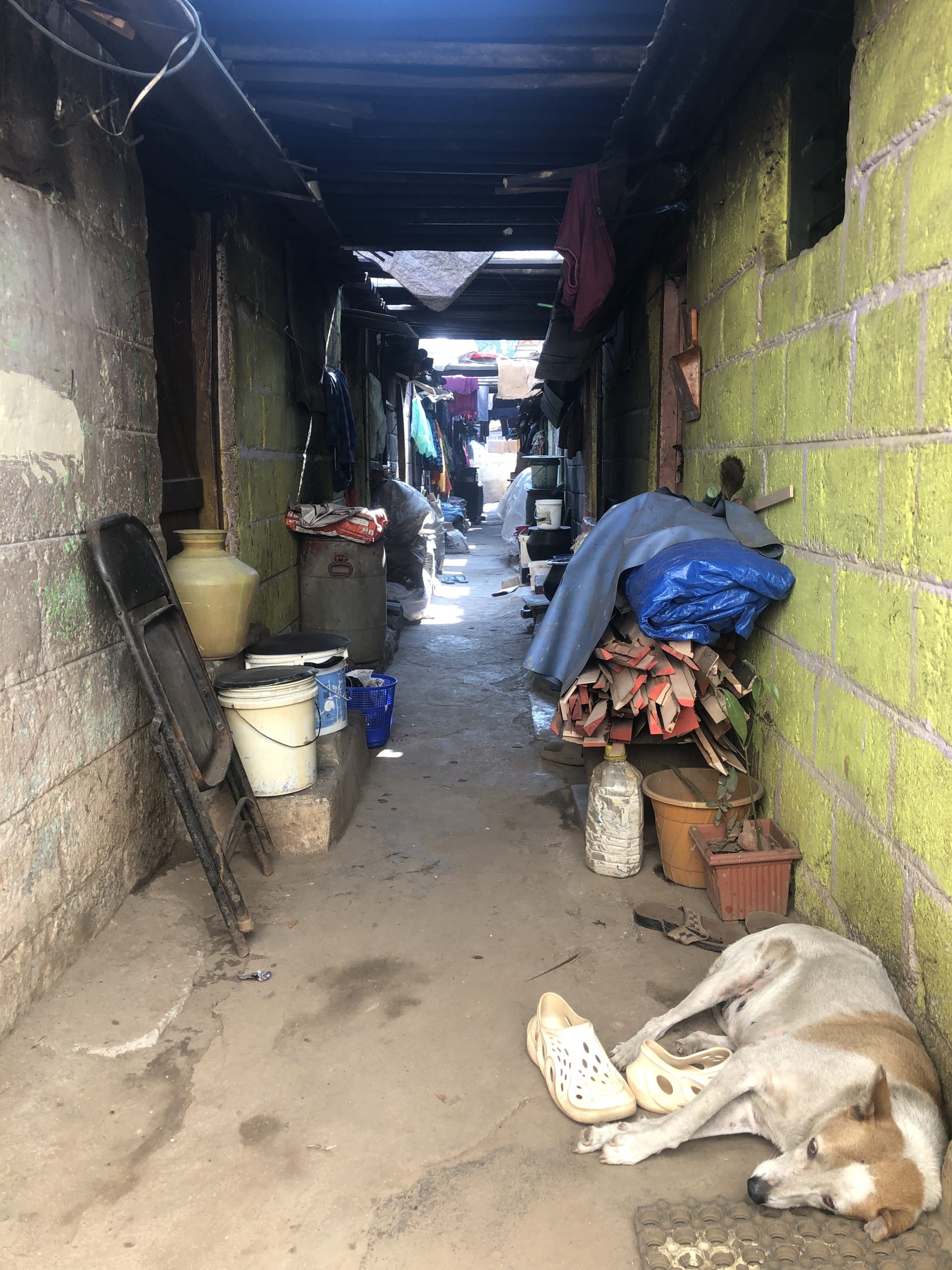
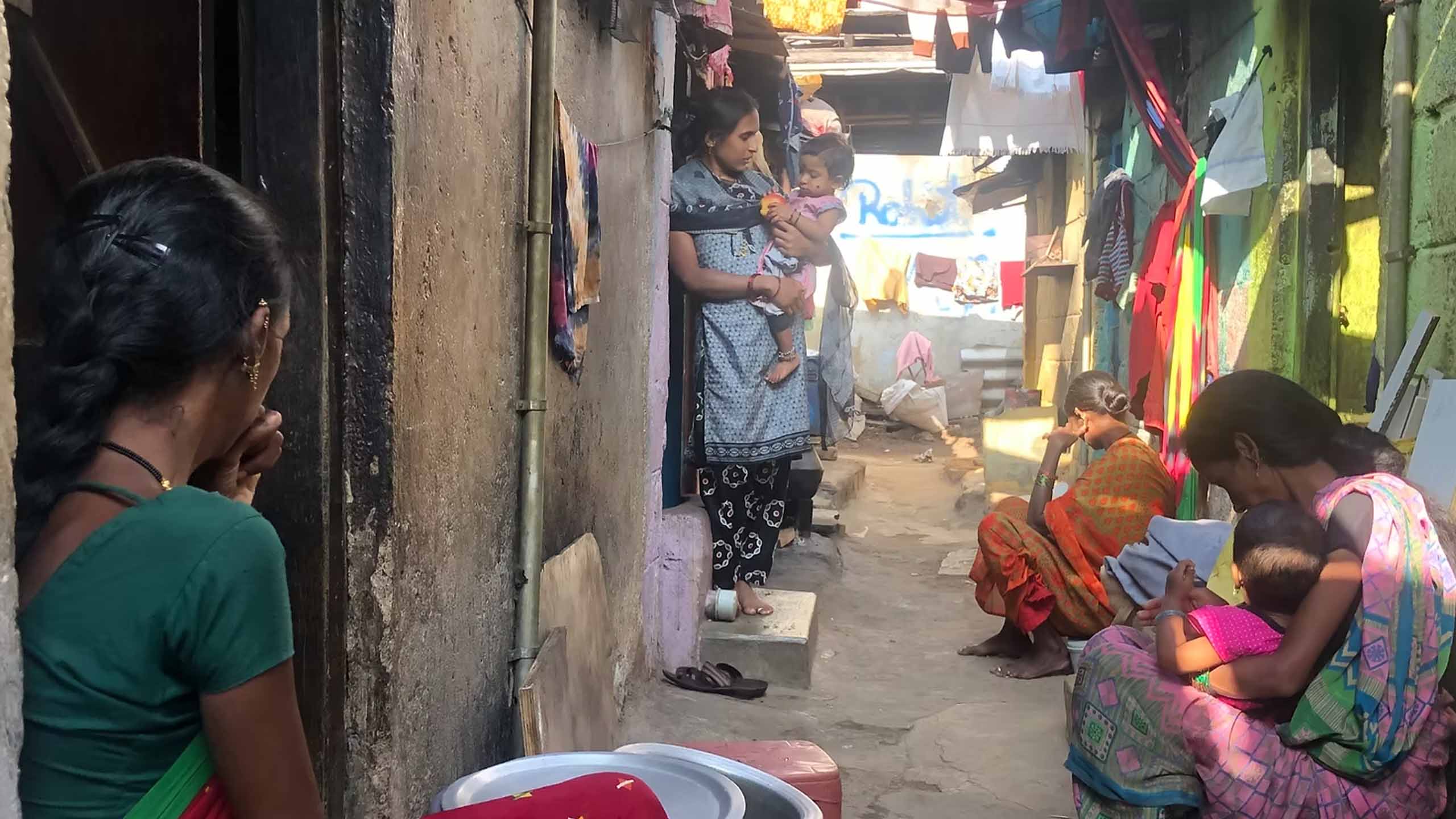
Siddhartha Colony is located right next to a sewage drain and is prone to flooding. Diseases like malaria and typhoid are common here. As she and her friends Akkamahadevi (25) and Shantha (22) sat outside their house talking to The Migration Story, it was evident that it is a big deal for them to preserve records, not just vaccination but also identity documents like Aadhar and ration cards.
“We store important documents in large drums to protect them from floodwaters that enter our homes. But when the water rises suddenly, saving our lives becomes the priority over saving documents,” said Shantha.