GAYA, Bihar: On the morning after her wedding in 2008, Asha Devi was told she had to leave Gowardaha village for Mainpuri district in Uttar Pradesh, nearly 750 kilometres away. She discovered then that her husband Lita Manjhi and father-in-law, Lalo, were bonded labourers — and that she too had been “supplied” as one.
“Pata chala ki sasur aur pati karja mein khat raha hai (I learnt that they were trapped in debt),” recalled Asha, now 40. “Aise karke humko bhi pakad liya (That’s how I got dragged into it),” she added, sitting on a cot outside her thatched mud hut.
Forty years ago, her father-in-law had taken a 5,000-rupee loan from Ramashish Prasad Yadav, which he was still paying back in 2008. At the time, Yadav, from the neighbouring village of Purnibathan, was a middleman who “supplied” workers to Uttar Pradesh’s brick kilns.
But he wasn’t just any middleman. He had forced three generations of the Manjhi family — Lalo, his sons and their wives — to migrate to the Sahbar brick kiln in U.P.’s Mainpuri district. Trapped in an exploitative, advance-based system called debt bondage, the Manjhis were forced to work below the minimum wage. Many of Lalo’s grandchildren were born at the kiln and deprived of an education.
But this is not the story only of the Manjhis. Many of Gowardaha’s landless Musahar families, who belong to Bihar’s most marginalised Dalit community, have been trapped in such debt bondage. Others work as agricultural labourers on the farms of the landed Yadavs, an Other Backward Class (OBC) community that is politically influential in the state.
Though the Manjhis first worked in U.P., they had to move back to Bihar when Yadav set up his own kilns in Purnibathan. But on March 17, 2026, 18 years after Asha became a bonded labourer, she, her husband and four-year-old son were rescued by the Gaya Ji district administration. Lalo had stopped working by then and Asha’s older son had been sent to live with a relative.
A total of 137 bonded labourers were rescued that day — 40 men, 46 women and 51 children — in what was the largest rescue operation in Bihar in decades, according to data from the Labour Resources and Migrant Workers Welfare Department accessed by The Migration Story. However, more than a month after the rescue, workers whose statements were recorded by officials — 62 in all — are still awaiting their release certificates, which affects whether they can be rehabilitated by the state
BONDED AND FORCED TO MIGRATE
According to a 2018 policy brief by the Centre for Policy Research, a New Delhi-based think tank, more than a quarter of the workers employed at brick kilns across India are migrants. Additionally, the proportion of migrants in the brick kilns’ female workforce is far greater than that in the male workforce. The brief states that this is because many women — and Asha is among them — migrate after marriage and are subsequently absorbed into the brick-kiln workforce.
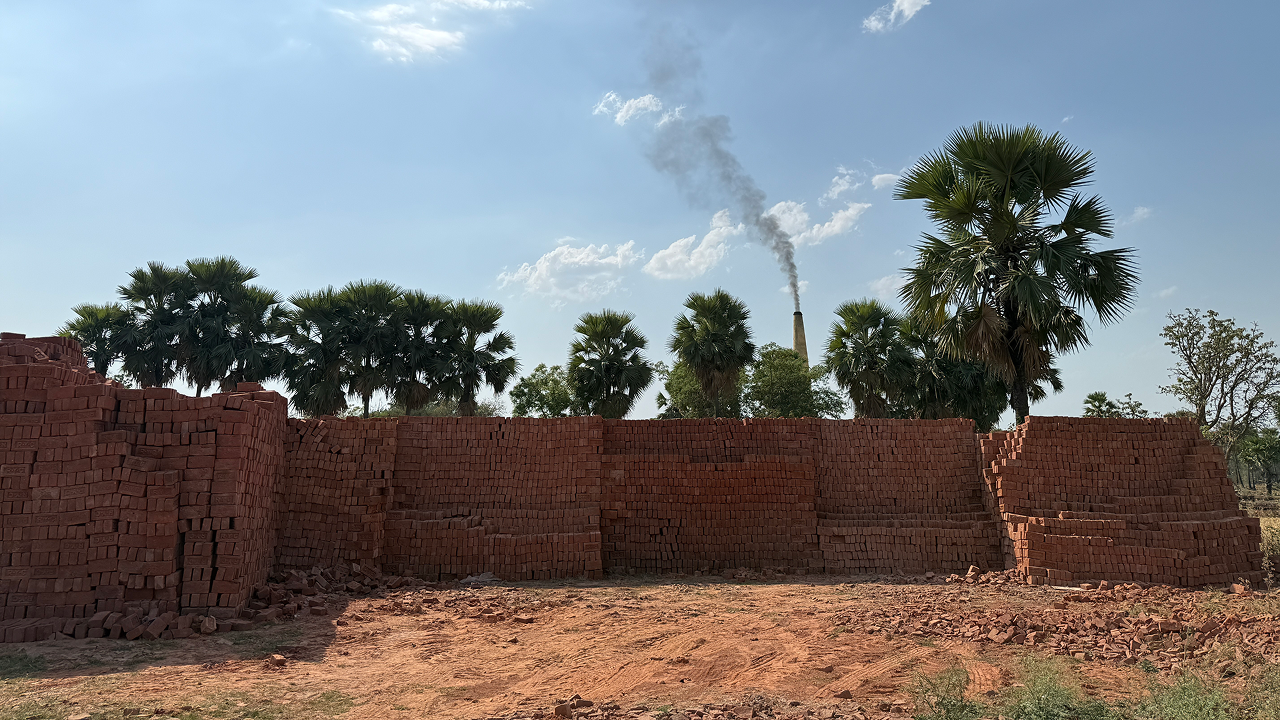
The Migration Story also accessed data from Bihar’s Mines and Geology Department, which showed that the state had 6,188 brick kilns in 2025-26 and that Gaya Ji had the most of all districts at 446. “Gaya Ji, in Bihar’s southern belt, has become a hotspot of bonded labour for two major reasons. First, due to its concentration of brick kilns,” said Ganesh Kumar Jha, Deputy Registrar (Trade Union) in the Labour Resources and Migrant Workers Welfare Department.
“Second, many bonded labourers rescued from other parts of India, who had originally migrated there from Bihar, are overwhelmingly from Gaya Ji. Both these factors make it an epicentre of bonded labour.”
When Asha first arrived at the kiln in U.P., she didn’t know how to mould bricks. Her husband taught her soon, and in two months she got the shape just right. “Back then, every brick was sold for just one or two rupees,” she said.
Asha also conceived her first child at the kiln. She estimated that she must have made nearly 50,000 bricks when she was pregnant, and soon after childbirth, she returned to the mud pits with her newborn. She nursed her child while cooking, cleaning and moulding bricks.
Her days would begin as early as 2 am, and when this reporter spoke to her, she could not recall a single night of undisturbed sleep during that time. Festivals like Diwali and Chhath Puja came and went, but Asha was moulding bricks from clay.
During the monsoon months, when the kilns in North India are shut, she and Lita would try to slip away and catch a train to Chennai to work as seasonal labourers at kilns or in factories. “We had to slog for four months to earn money to survive for the nine months we worked for Yadav,” Asha said.
In the last 18 years, Asha said she must have made more than 11 lakh bricks in 17 seasons. But for missing one brick-making season, Yadav slapped her with a draconian fine of one lakh rupees. Meanwhile, his business expanded, and he set up two kilns in Purnibathan. For the 1.1 million bricks Asha made over 17 seasons, Yadav must have earned 40–50 lakh rupees, she estimated. The price of a clay brick today is between six and eight rupees.
THREE GENERATIONS TRAPPED IN BRICK-MAKING
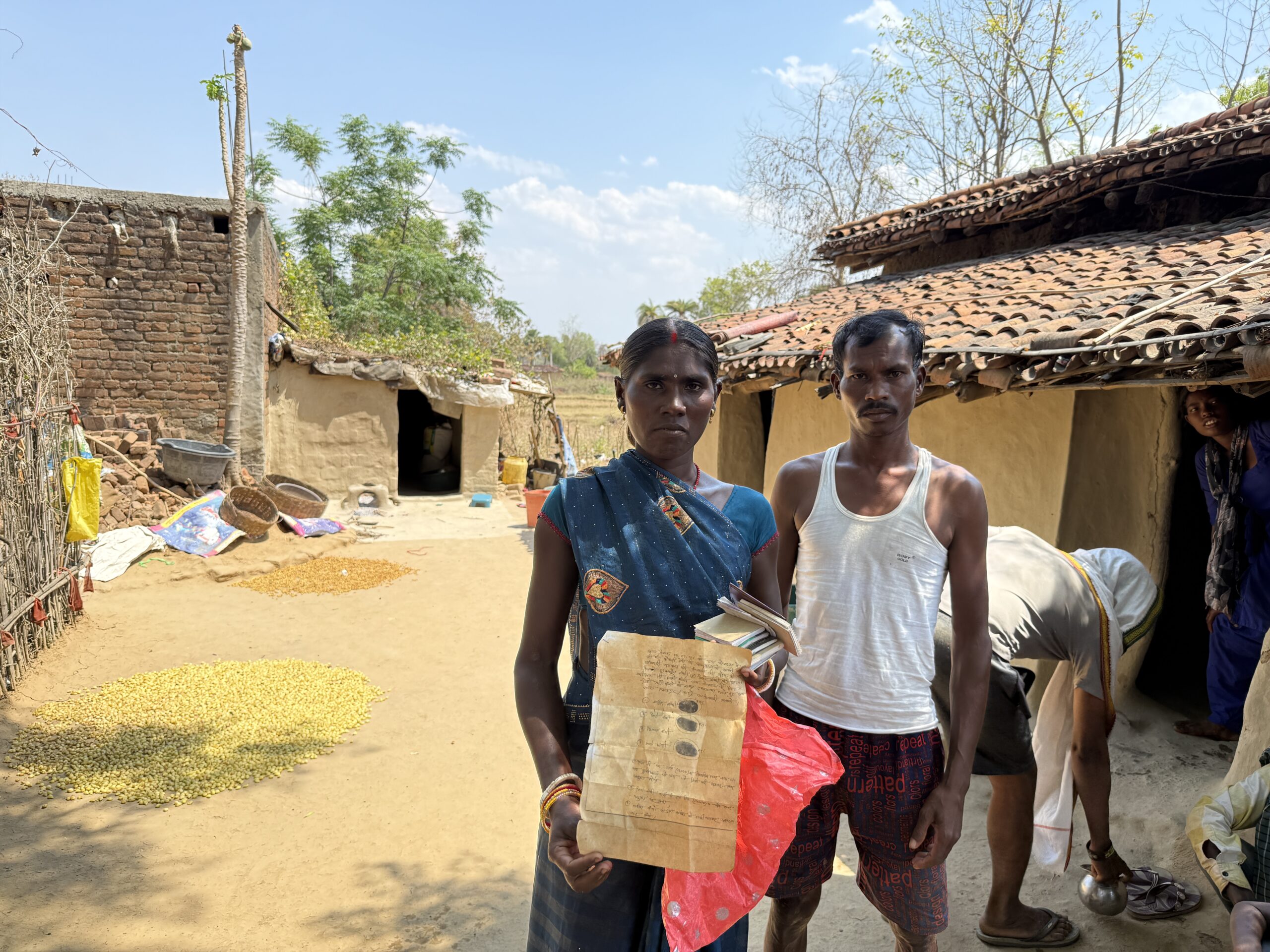
In 2015, Lalo’s bones gave way and he stopped working, but the 5,000-rupee debt he had taken was now 42,000 rupees, according to a decree Yadav drew up for Lita and his brothers, Sarjoon and Shivrat.
“Baap ka karja nahin lega?” (Will you not inherit your father’s debt?)” Yadav had asked Lita at the time in the government-aided PDS (Public Distribution Shop) he runs, which sells subsidised foodgrains.
Lalo’s sons put their thumbprints on Yadav’s decree and agreed to pay an inherited debt of 14,000 rupees each. For Asha and Lita, the next eight years were spent in relentless toil trying to repay this amount. “We kept moulding bricks, thinking we were chipping away at the debt,” Asha said.
But in 2023, Asha was shocked to learn that the debt had increased to 89,000 rupees and that Yadav would now force her sons, Pawan, 17, and Shubham, 4, to work at the kilns to pay it back. That broke her heart.
“Pati, bhatti par paala posaya. Apna baccha bhi bhatti par paala posaya. Teen peedhi khat gya etta banane mein (My husband grew up at the brick kiln. My children grew up at the brick kiln too. Three generations have been trapped in making bricks),” she told The Migration Story.
She then decided to confront Yadav with Lita. “How could the debt not be repaid even after working for you for years?” she asked him. In retaliation, she was beaten mercilessly inside the PDS shop.
“That day, I stopped taking any khuraki (advances) from him,” she said. In debt bondage, workers are given an advance on interest instead of a daily wage, and they work to pay it back with accrued interest. This keeps them trapped in a cycle of dependence with the brick kiln owner, who occasionally provides them small sums of money for marriage, childbirth or sickness.
But after being beaten that day, Asha thought that not taking an advance was the only way out of bonded labour, and if she could survive for some years on almost no money, she would confront Yadav again and perhaps, become free. “In the last three years, we only took 14,000 rupees [as advances from Yadav]. Not a single rupee was paid [for our work],” she added.
To protect her 17-year-old son Pawan, Asha sent him to live with a relative. Meanwhile, she prayed for a miraculous rescue, which finally came on March 17, 2026. At around 3:45 pm, as Asha was preparing clay for the bricks along with at least 136 other bonded labourers, a convoy arrived at the kiln. Buses packed with policemen in blue and khaki uniforms — carrying batons and guns and driving Boleros and SUVs — stormed into Yadav’s kiln in an operation led by the Gaya Ji district administration.
The rescue was the result of the advocacy of Patna-based nonprofit Adithi, which works with underprivileged women and children in Bihar, Jharkhand and U.P. It tipped off the district magistrate about bonded labourers working at the RYC kiln in Purnibathan. After the magistrate confirmed this, Gaya Ji’s assistant labour commissioner Poonam Kumari was informed. Multiple teams were formed — from the Block Development Officer’s office, the labour department, Adithi and the police — and sent to the kiln.
“First, the workers turned hostile, as often happens in such cases, so we separated them from the owners,” recalled Rohit Singh, the Bihar head of Adithi, who along with workers said that Yadav was watching from a distance. “He sent his men who claimed that the workers were paid 20,000 rupees every month,” Singh added. But Yadav’s claim was busted as soon as officials asked for records of payment.
Asha seized the moment and ran to her fellow bonded labourers, asking them to speak up. Sixty‑two workers ended up giving their statements to officials, which led to an FIR (First Information Report) being registered against Yadav and his munshi (accountant), Devender Yadav. However, only the latter was arrested, said Singh and the workers, whereas the police said that Yadav, the brick owner, was absconding.
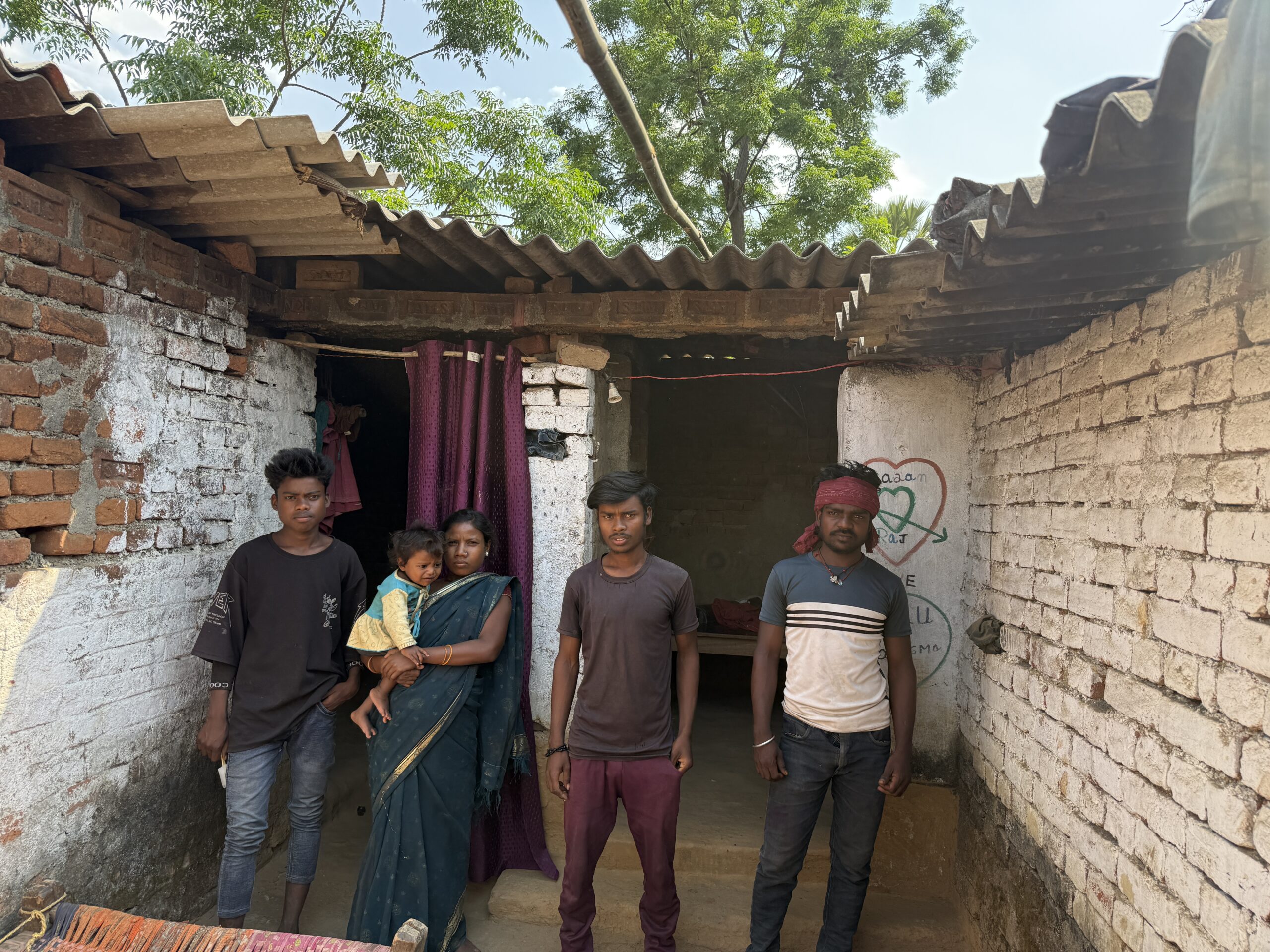
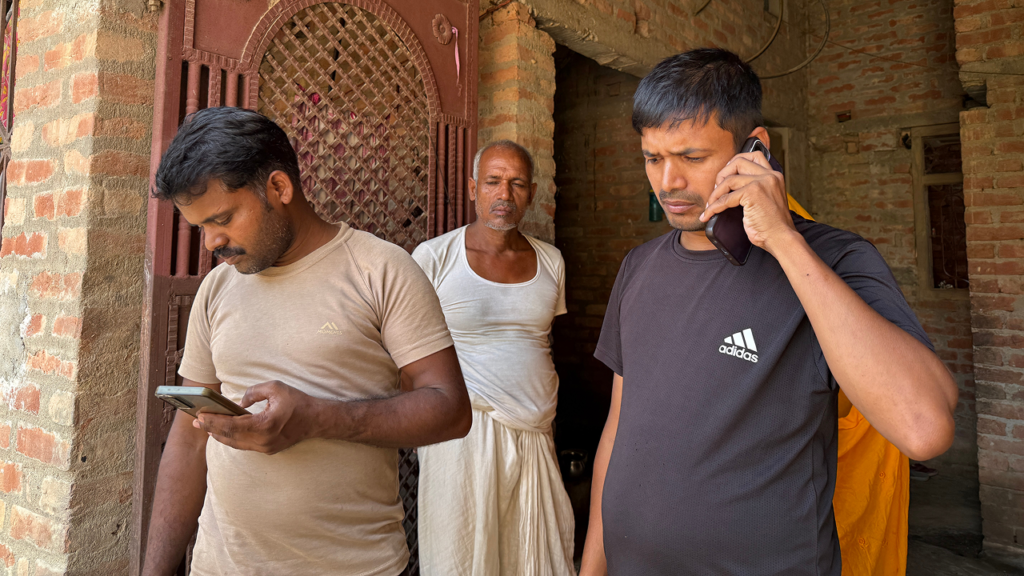
The story of Asha’s family was almost identical to that of Nepali Manjhi’s. A debt of less than 5,000 rupees taken two decades ago had become 63,000 rupees, trapping his four sons in bonded labour — Lalu, Shankar, Chhotu and Ganesh. “All of us were born and raised at the brick kilns where Yadav sent our parents,” said 23-year-old Shankar, now a father to one-year-old Swati, who was born at the same kiln.
Data from the labour department, accessed by The Migration Story, revealed that from 2015 to 2025 Gaya Ji recorded the highest number of rescues of bonded labourers in the state — 356 out of a total 1,709. Bihar also ranked sixth among 18 states in terms of the number of bonded labourers rescued —14,577 out of a total of over 2.8 lakh across India — according to 2016 data from the Ministry of Labour and Employment. But this was four decades after bonded labour was outlawed by the Bonded Labour System (Abolition) Act, 1976.
“These numbers of rescued workers seem far too few, like a drop in the ocean, when compared to the government’s vision of identifying, releasing and rehabilitating 1.8 crore bonded labourers by 2030,” said , who works with the international non-governmental organisation Aide et Action on the rights of migrants and their children.
MAHADALITS TRAPPED IN MODERN SLAVERY
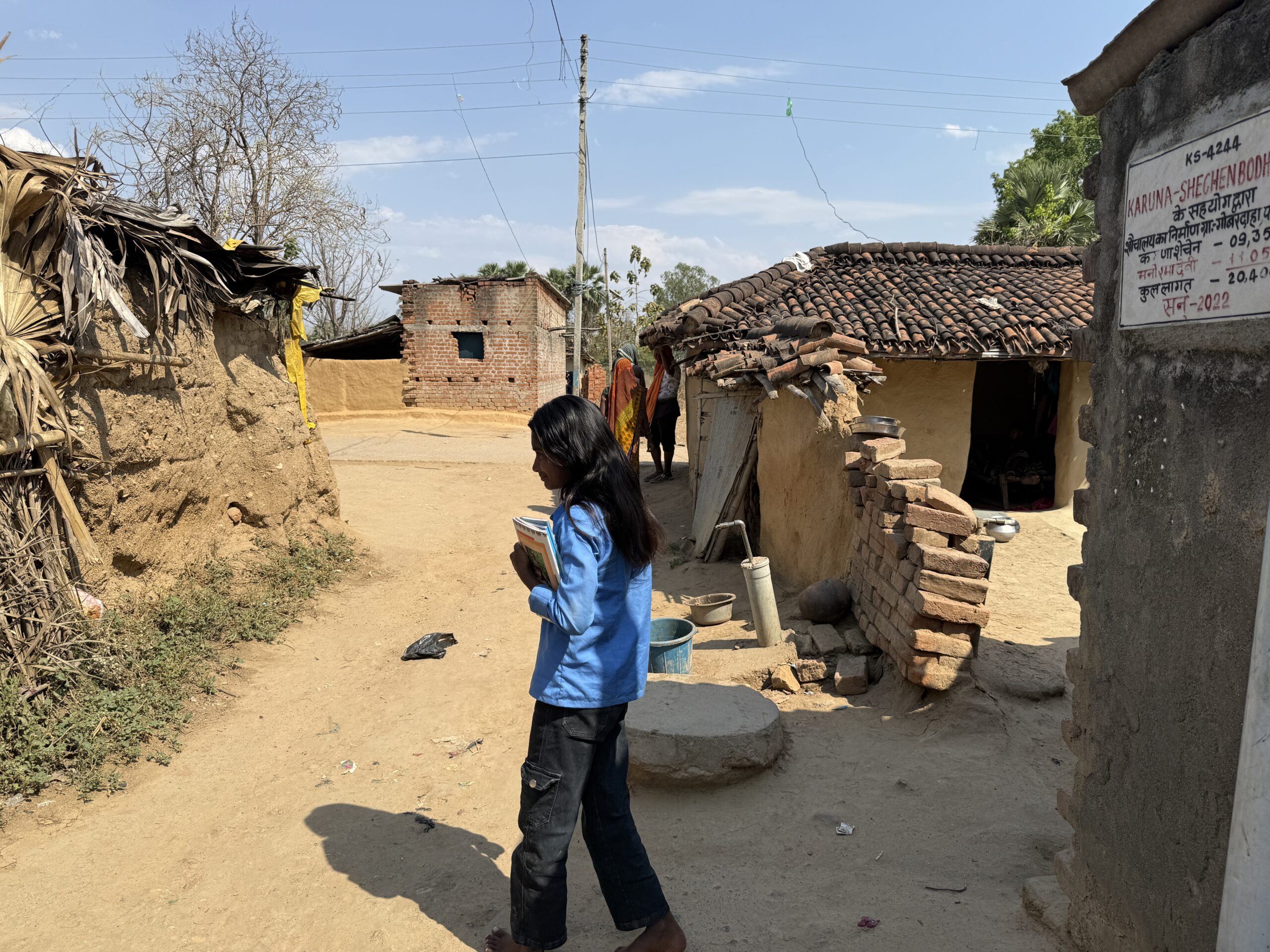
Gowardaha has around 100 homes, and over 39% of them belong to the Scheduled Castes (Census 2011). The village is dominated by Yadavs, said Asha, adding that about 40 homes belong to Musahars, which literally means rat eaters or rat catchers. (Extreme poverty had once driven them to kill and consume rats.) While they are still landless today, they are called Mahadalits in Bihar because they are the most disadvantaged among the Dalit communities, with the lowest literacy rates and per capita incomes.
For four decades, since the mid-1980s, half of Gowardaha’s Musahar families have been trapped in bondage spanning three generations, said bonded labourers this reporter spoke to. Daniel of Aide et Action called this “debt bondage”, an advance-based system that traps workers from marginalised groups over several generations. It is considered by the United Nations as “the most prevalent form of modern slavery”, even though it has been outlawed internationally and in India too.
Some Musahars from Gowardaha said they worked as agricultural labourers on farms owned by Yadavs and were paid 400 rupees a day — which is below the state’s minimum wage for unskilled and semi-skilled workers.
“Musahars are never employed for cleaning or cooking because of the untouchability they face,” said Sudha Varghese, whose Patna-based NGO Nari Gunjan has been working for the rights of Musahars for more than five decades.
“Brick kilns, in that sense, become their only and last refuge. If they don’t get work at brick kilns, they turn to rag-picking or work at construction sites. They mostly do menial jobs,” she added.
When The Migration Story spoke to Yadav, now 67, he said, “The Musahars have become freeloaders, refusing to repay their debts.” He added that he didn’t think they were helpless and that allegations about him exploiting them were part of a conspiracy hatched by his rivals.
Asha countered this by saying that Yadav’s tactics were meant to keep Musahar families trapped in debt. He never let them starve outright, she added, and would give khurakis (token amounts) of 2,000 rupees when a child was born or 5,000 rupees if a family member was seriously ill. This ensured that the cycle of dependence continued, she explained.
CHILDREN FORCED INTO BONDED LABOUR
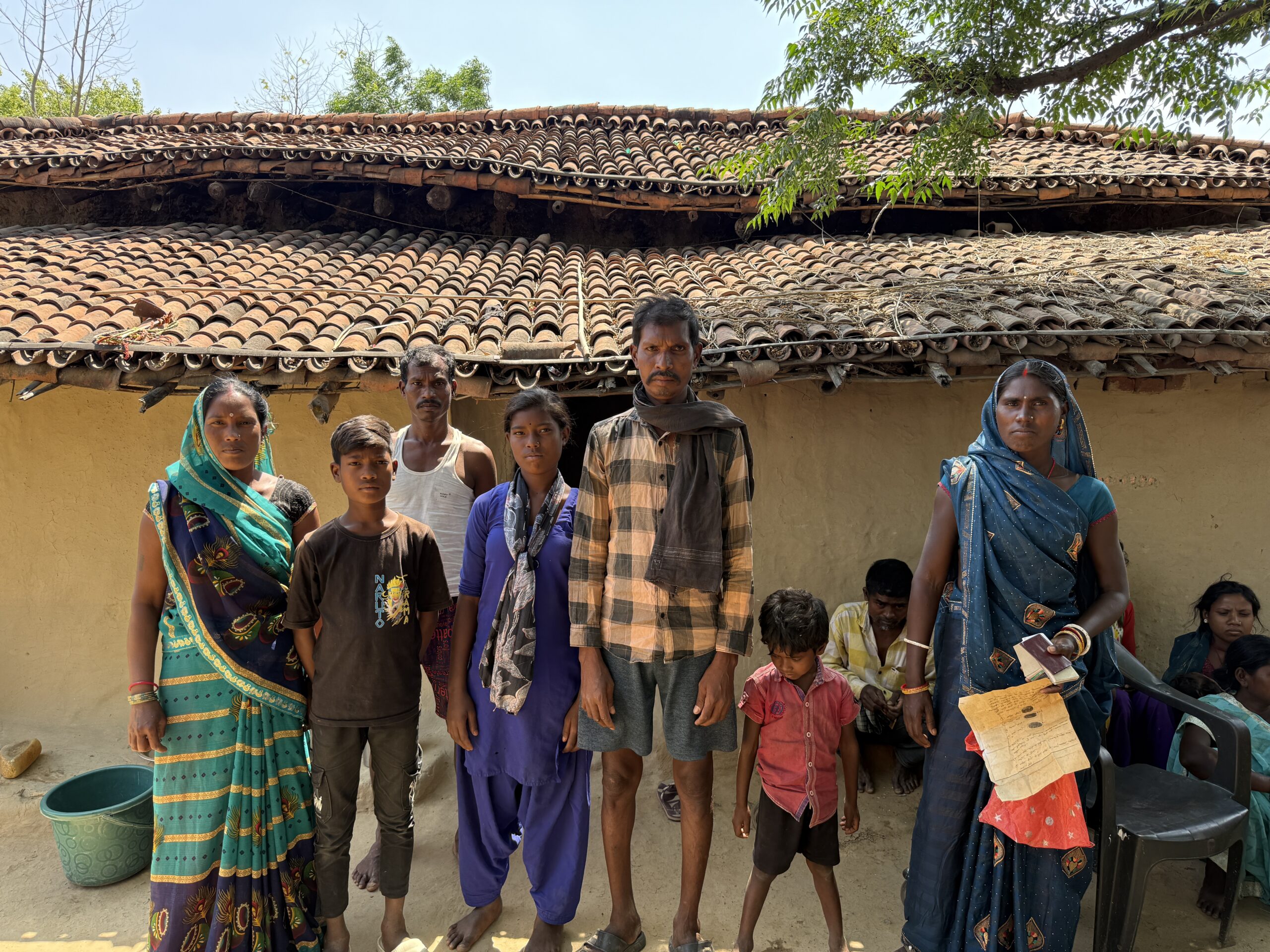
When this reporter visited Gowardaha in early April, the Musahar families gathered at Asha’s home narrated harrowing stories.
“He [Yadav] has announced that he will come after each one of us, especially me,” Asha said, looking a bit nervous. This same fear had made Shivrat, Lalo’s youngest son, flee the village — and he never returned.
Lalo’s oldest son, Sarjoon, and his wife, Kamal Devi, worked at the kiln with their daughter, 16-year-old Neelam Kumari, who was forced into child labour. Like Asha, Kamal Devi had sent her 17-year-old son Chandan Kumar, to live with relatives so that he could escape bondage. “If Yadav spotted the grown-up boys, he would drag them to the kiln,” Kamal said.
The story of Asha’s family was almost identical to that of Nepali Manjhi’s. A debt less than 5,000 rupees taken two decades ago had increased to 63,000 rupees, trapping his four sons in bonded labour — Lalu, Shankar, Chhotu and Ganesh. “All of us were born and raised at the brick kilns where Yadav sent our parents,” said 23-year-old Shankar, now a father to one-year-old Swati, who was born at the same kiln.
“If she grows up there, he won’t allow her to go to school,” said Shankar’s wife, Sushila Kumari. None of the 51 children rescued from the RYC kiln in Purnibathan were allowed to go to school.
“Ab karja chukane mein pota-poti bhi lagega (Now even grandchildren will have to pay off the debt),” she sighed. Today, Shankar’s three younger brothers, all under 18, work at the kiln for 100 rupees a day, whereas the state’s minimum wage for an unskilled worker is 436 rupees per day.
This intergenerational cycle of exploitation was as brutal for Baleshwar Bhuiya, now 71. He worked at the Sahbar brick kiln in U.P.’s Mainpuri district for 15 years on an advance of just a few thousand rupees given by Yadav. His older daughter Parvati, now 39 and married to Mithilesh Manjhi from Nawada district’s Bardaha village, was forced into bonded labour at the same kiln to repay her father’s debt.
“It’s been 25 years [of working at the kiln] for me now,” Parvati said. “Wo bolta hai ki paisa nahin sadha hai (He says the money is still due).” Her three children are also trapped at the kiln, some working alongside their parents. “Girls collect wood for cooking and help to raise the younger children. I could not send my children to school,” she added, looking guilt-ridden.
By contrast, Yadav’s own children are preparing for top government jobs in the national capital. “My eldest was short by just one mark [from clearing] the UPSC exam,” he said.
If a child walked over raw bricks, Yadav paraded him or her before the workers and fined the parents. Once, Parvati’s hen and her chicks strayed across rows of raw bricks, leaving tiny footprints on about 2,500 pieces. Yadav fined her 10,000 rupees.
Yadav would regularly threaten workers too. “Bhatti mein jala denge. Gadiya chadha denge. (We’ll burn you in the furnace. We’ll crush you under the cart),” he would say.
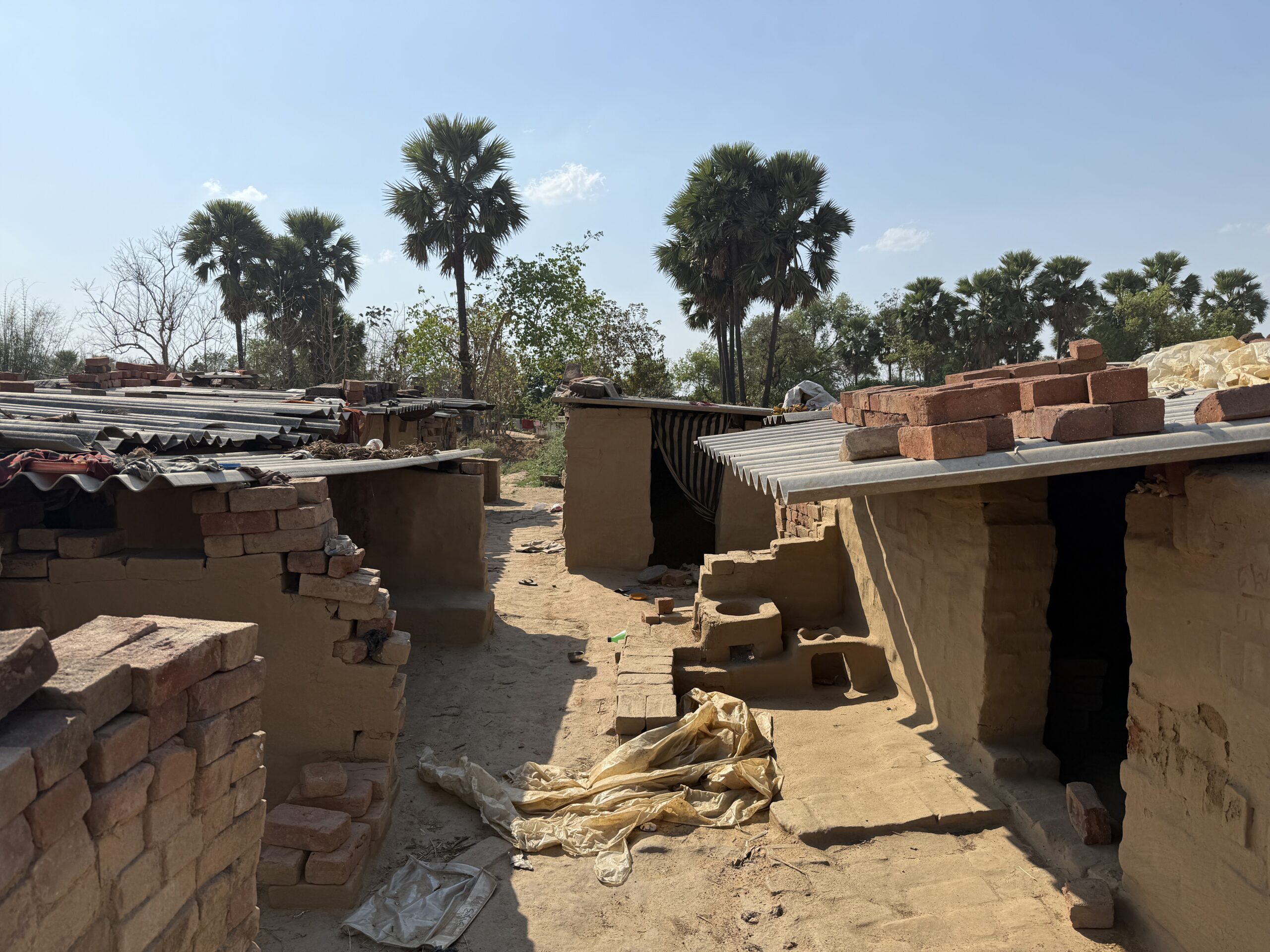
“It was worse than a jail,” Asha recalled. If the labourers did something wrong, Yadav punished them brutally and a day off amounted to a fine of 500 rupees. They worked barefoot, without gloves, and were forced to live in six-by-eight-foot mud huts that were barely four feet high. No one was allowed to see a doctor either and a local quack was called if anyone fell sick.
“It was not possible to escape,” Asha added. “If anyone was caught boarding a train at the Gurpa railway station [10 kms away], hoping to go to Dhanbad and then Madras [now Chennai], he [Yadav] would abduct them from the platform and drag them back to the village.” Asha, too, was caught once and prevented from making the journey.
THE LONG ROAD TOWARDS REHABILITATION
On March 17, a bus arrived in Gowardaha with 31 of the 137 rescued labourers. “We thanked our gods,” Asha recollected. But the relief was short-lived as the threat of being dragged back into bondage still loomed large.
In the first week of April, Yadav had secured anticipatory bail from a special court set up to hear atrocities cases against the Scheduled Castes and Scheduled Tribes. His munshi, Devender, had also been released by the authorities. Despite the crackdown, Yadav’s RYC kiln continued to function, with workers from nearby villages.
More than a month after the bonded labourers were rescued, they are still waiting for their release certificates, which must be issued by the state within 24 hours. This certificate helps them access a cash compensation of up to 30,000 rupees under the Central Sector Scheme for Rehabilitation of Bonded Labourers (2021). Without the certificate, workers cannot get this compensation and become vulnerable again, which can make them slip back into debt bondage.
“The administration is still verifying the identities of 62 [of the 137] rescued workers, which has delayed the process [of issuing the certificates],” said Poonam Kumari, Assistant Labour Commissioner, Gaya Ji district. She added that the rescued workers would also be given non‑cash support in the form of ration cards, homes and job cards through government welfare and livelihood schemes.
“We have a mandate to complete the summary [or expedited] trial within six months and provide rehabilitation assistance of 1 lakh, 2 lakh or 3 lakh rupees, depending on the nature of the exploitation,” she stated.
When asked about the state’s crackdown on bonded labour in the region, she said, “If I receive any complaints regarding bonded labour, I will definitely work on them. But there is no such crackdown plan with me right now.” She added that she had received complaints about child labour, wage payments below government rates, and non-payment of wages, but none from the RYC kilns owned by Yadav.
Daniel of Aide et Action said that the government was handling bonded labour cases like RYC’s too casually, that they were not a state priority. “Instead of identifying cases, the state is waiting to receive tip‑offs, with no proactive identification as mandated by the Bonded Labour System (Abolition) Act,” he added. “There are provisions for detailed surveys in every district once every three years, but states like Bihar, Jharkhand and Odisha have consistently defaulted on this.”
Daniel added that the central scheme for the rehabilitation of bonded labourers clearly allocates 4.5 lakh rupees once every three years to each sensitive district to carry out these surveys; 1.5 lakh rupees for evaluation studies (with a maximum of five studies per year); and 10 lakh rupees per state to create awareness about bonded labour.
But there is a larger problem at hand, he observed. “There is a mindset which believes that bonded labour no longer exists.” And perhaps this is even more dangerous.
Jyoti Yadav is a New Delhi-based, award-winning journalist, who has reported extensively on rural India, transformative policies and systemic injustices.