A young woman — a cancer patient with two children — called me every single day asking whether her husband would finally be released from Luksar jail in Noida. Her landlord was trying to evict her despite the rent being paid for the month, simply because her husband, a daily wage worker, had been swept up by the police during the April 13–14 crackdown in Noida’s industrial belt.
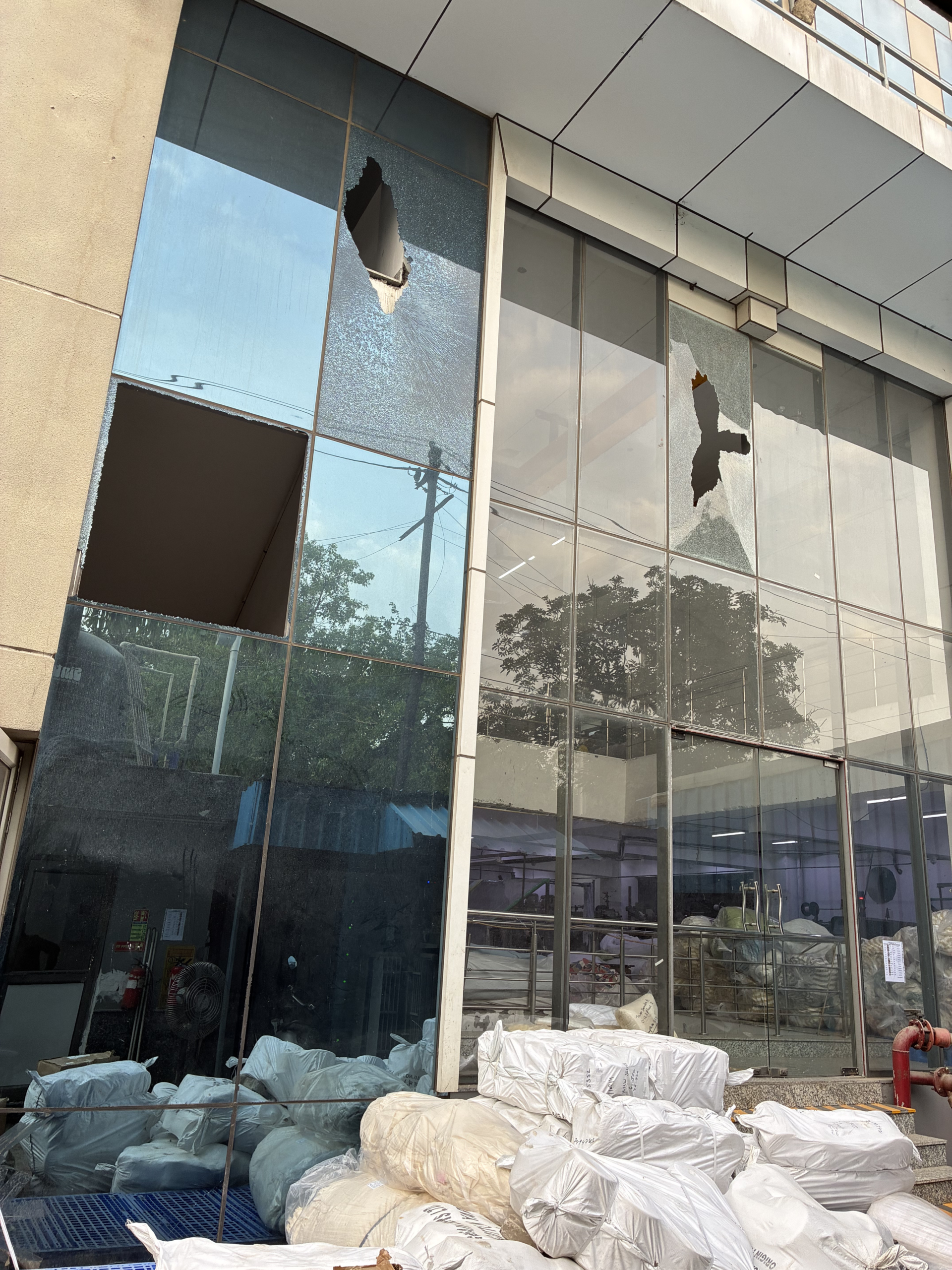
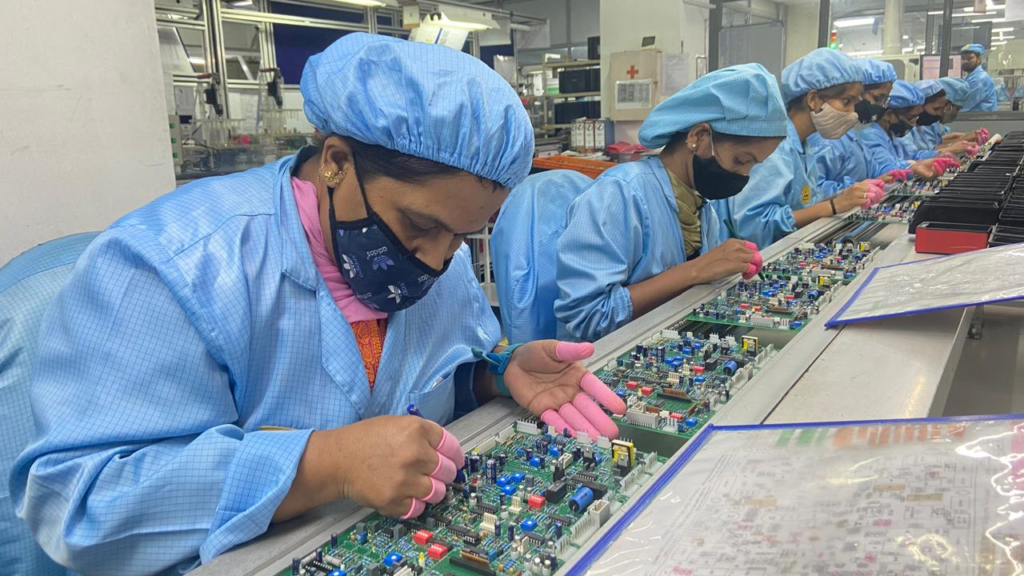
When the Uttar Pradesh (UP) police moved through Noida that week, they cast a wide net. More than 1100 people were detained after industrial workers — predominantly migrants and contract workers in Noida’s manufacturing units — came out onto the streets demanding a living wage.
Around 45,000 had gathered across more than 80 locations. The protests turned violent and the state responded with force. But the government itself admitted that the workers’ core demand was legitimate when it announced a 20–21 percent interim wage hike within days.
A month later, the reckoning continues — not for the state, but for the workers. Around 43 have secured bail. Close to 90 others are still in jail or awaiting hearings. And for those who did walk out of Luksar jail, freedom has proved fragile.
‘FREE’ BUT WITH FIGHTING CRIMINAL CHARGES, JOB LOSS
Release from jail is not acquittal. It is not even the beginning of the end.
For workers who have come out on bail, FIRs continue to follow them. By mid-May, 13 FIRs spanning dozens of criminal cases had been filed, with hundreds of named and unnamed accused. A worker named in even one of these cases carries a tag their employer can, and in many cases does, use against them.
Workers who have returned to their factories — or attempted to — are being told, in effect, that they are no longer welcome. But the refusals are not coming in writing. Instead, employers are pressuring them to sign resignation letters stating they took “unsanctioned leave” to visit their villages. The truth — that the “leave” was involuntary, that these workers were picked up by police and thrown into jail — is nowhere on paper. Workers are being asked to authenticate their own criminalisation and erase the state’s role in it.
These forced resignations protect employers while permanently damaging workers’ futures, affecting gratuity, dues, and future employment prospects.
This is not entirely new in UP. In 2020, during the Covid-19 crisis the state government suspended most labour laws in the state for three years in the name of attracting investment. The message to capital was unmistakable — UP was open for business, and labour protections would not stand in the way.
The workers protesting in Noida are the direct inheritors of that political economy — a workforce shaped by contractualisation, weak grievance mechanisms, and shrinking institutional protections.
TRAUMATISED AND SCARRED, YOUNG WORKERS RETURN HOME
“Who toh gaon gaya hai.”
“Usse gaon bhej diya hai.”
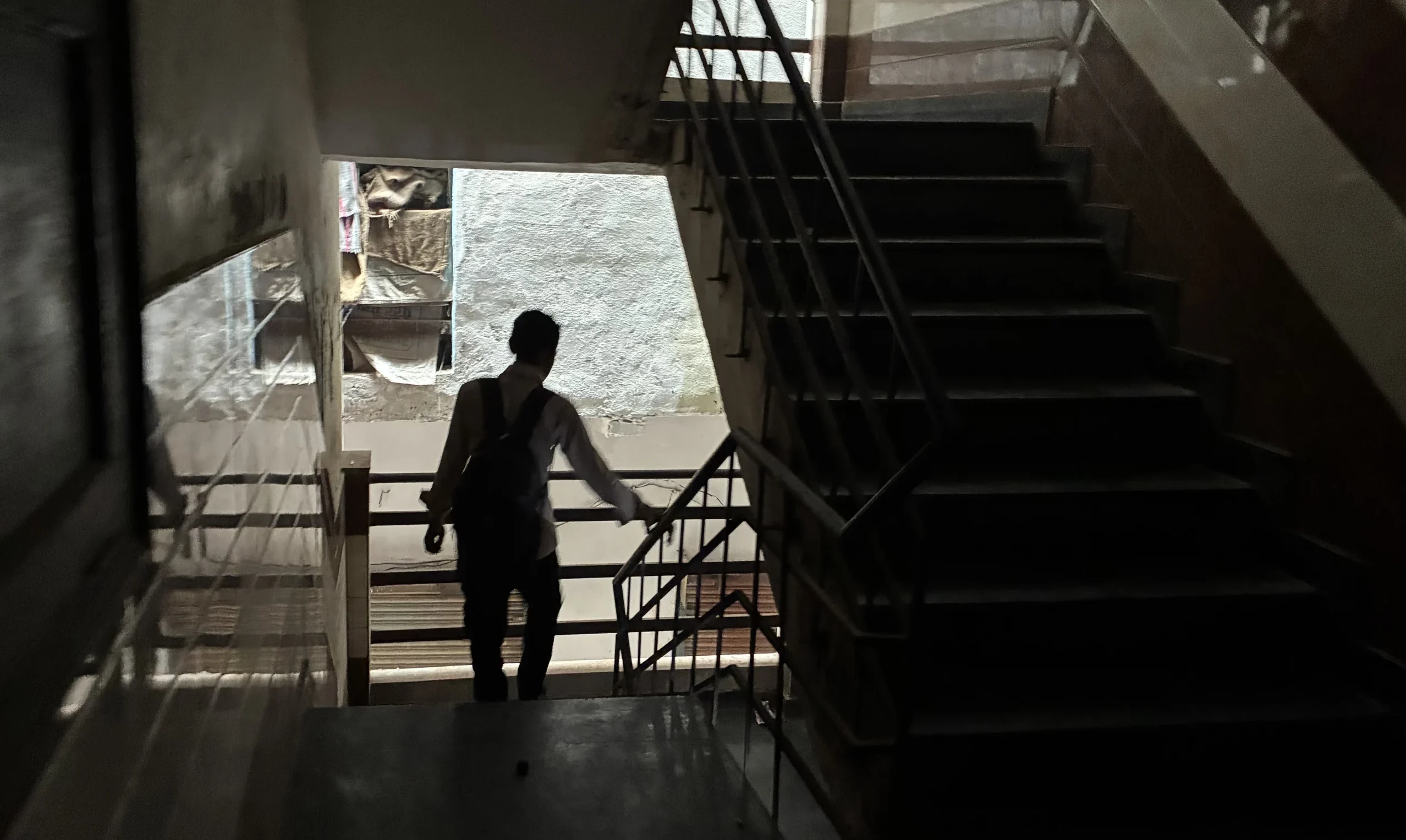
That was the refrain across the 20–25 calls I made to released workers and their families. Only a handful of those I called remain in Noida. Most have returned to their villages — to recover, to think, to escape the trauma.
Among the most devastating stories are those of the youngest workers caught in the dragnet — 17 and 18-year-olds who had barely entered the workforce. Some were pursuing diploma courses alongside factory work, hoping education might eventually provide a way out of the industrial belt’s grinding precarity.
Instead, many were detained without their families being informed, without proper arrest memos, and without clarity about what they were accused of.
This is a form of workforce withdrawal that shows up in no statistics.
Young workers who had already survived the churn of contract labour — insecure jobs, arbitrary deductions, 10–12 hour shifts — now find themselves unable to return, not because they lack skills, but because the state has turned protest into a mark employers will not touch.
No government dataset will record this loss. A generation of workers learning that demanding dignity can end a working life before it properly begins.
THE COST THAT HAS NO NAME IN A HOUSEHOLD BUDGET
“Nuksaan toh jo hua hai, uska na bayan kar sakte hain aur na hi uski bharpai ho sakti hai.”
These were the words of a family member while we calculated the cost of supporting one jailed worker.
The financial toll begins long before bail. A toll that no wage hike announcement addresses.
In the chaotic days after April 13, many families did not even know where relatives had been taken. Money was needed for repeated trips to police stations, district courts, and jail. Then came the mulakats, jail visits were allowed two to three times a week, but each required someone to take time off work, pay the roundtrip fare, and pay informally for the mulakat itself. The person inside needed money for the jail canteen — for tea, biscuits, basic items the jail does not provide.
The accounts from families are particularly bitter here. Several families described paying large sums to lawyers who took money, promised bail applications had been filed, and then vanished, refusing to return money or answer calls.
Court fees, transport, paperwork, surety verification, informal payments — the costs piled up relentlessly.
Meanwhile, incomes collapsed.
Many arrested workers were primary or sole earners. A month without wages immediately meant debt, hunger, or eviction. Family members lost income too, spending weeks running between courts, police stations, and the jail instead of working.
Based on my conversations, families spent roughly 25,000 Indian rupees per arrested worker over the course of a month.
And beneath all of it sat the exhaustion and humiliation of navigating systems designed to confuse and intimidate — and the terror of watching someone you love jailed for something you know they did not do.
At the time of publication, in eight FIRs, 17 workers received bail from the lower court against sureties of 30,000 rupees; 39 received bail from the sessions court at 40,000- 50,000 rupees sureties; and 92 bail applications have been rejected. Those workers’ families must now travel to the Allahabad High Court, incurring further costs of travel,accommodation, and legal fees.
For those granted bail, a second barrier immediately appeared. The bail bond required police verification of the surety’s address and collateral.
The arrested workers are overwhelmingly migrants — from Bihar, eastern UP, and other states — hired on temporary contracts with no job security. Their Aadhaar cards carry village addresses, often deliberately so. Workers know how easily cities discard them when convenient; the village address remains their permanent anchor. But this survival strategy now works against them. Many cannot satisfy verification requirements because they lack recognised local identity proof.
The judiciary must confront a difficult question: why are bail conditions so inaccessible to the very class of workers most likely to face arrest during labour unrest? Workers remain jailed not because guilt has been established, but because the legal process itself has become punishing.
A mother from Prayagraj travels more than 600 kms every week to visit her son in jail in Noida. She sits in courtrooms where she does not fully understand what is being said, spending money the family does not have. She waits on corridor benches hoping someone will explain what happened today, what happens next, what any of it means.
When asked what would help, she did not ask for money. Not a rally, not a press conference, not a statement. “Bas aap jaisa koi humare sath khada ho jaye toh ye jo akele akele pareshan ho rahe hain, lagta hai ki koi toh sath hai,” she said. Just someone standing with us. So it doesn’t feel so alone.
One would expect trade unions to have systems for moments like this — bail support funds, verified sureties, legal coordination, and protocols for responding to mass arrests. In practice, such infrastructure remains limited or uneven.
One explanation offered is that workers sometimes abscond after bail, leaving sureties to continue receiving court notices. This is a real concern. It also points to an organisational problem the movement has yet to solve.
These events raise difficult questions about preparedness. What structures exist to support workers after arrest — to arrange sureties, coordinate legal defence, or sustain families through prolonged proceedings?
Volunteer lawyers are needed not only to appear in court, but to systematically observe proceedings, identify procedural lapses, and assess whether broader legal challenges to the arrests themselves are possible. That requires sustained legal strategy, not episodic intervention.
The events in Noida also reveal how thin existing organisational infrastructure has become when workers face mass arrests and prolonged legal proceedings. Every worker in a union knows that when a fellow worker is arrested, showing up matters. And yet they didn’t show up.
THE WAGE HIKE THAT MANY WORKERS CANNOT CLAIM
The UP government announced an interim wage hike on April 14. Subsequently, the Gautam Buddha Nagar administration cancelled licences of over 203 contractors linked to 24 factories and imposed penalties worth 1.16 crore rupees.
But for workers who were arrested — swept up in broad “unnamed accused” FIRs, or picked up in the days after — the wage hike is beside the point. They cannot claim it at a job they have been locked out of. They cannot benefit from labour law enforcement at a factory whose gate they cannot pass.
The state moved quickly when industrial peace was threatened. Employers used criminal case pendency as a silent pretext for refusing reinstatement. Neither faces any accountability.
And neither has shown any urgency in addressing what happened to the workers jailed while that wage hike was being announced — workers now facing unemployment, debt, blacklisting, coerced resignations, and criminal cases that continue to hang over them.
Noida’s workers won a wage hike. Many may never recover from the cost of demanding it.
Rakhi Sehgal is an independent labour researcher with over two decades of association with the trade union movement.