SURAT/BENGALURU: Panch Manzila (five-storied building), as locals refer to the building, has a quaint and regal ring to it. But neither its run-down facade nor the dilapidated interiors offer comfort to hundreds of migrant workers, mostly from southern Odisha’s Ganjam district, who live here and eat at one of the eight messes in the building.
As the sun’s rays breach the dark and narrow corridor of Panch Manzila in Surat’s Ved Road area, it exposes years of dirt accumulated on its now black walls. The cacophony of hundreds of powerlooms echoes from the bylanes nearby, where Odia migrants work gruelling 12-hour shifts to earn Rs 20,000 to Rs 25,000 a month.
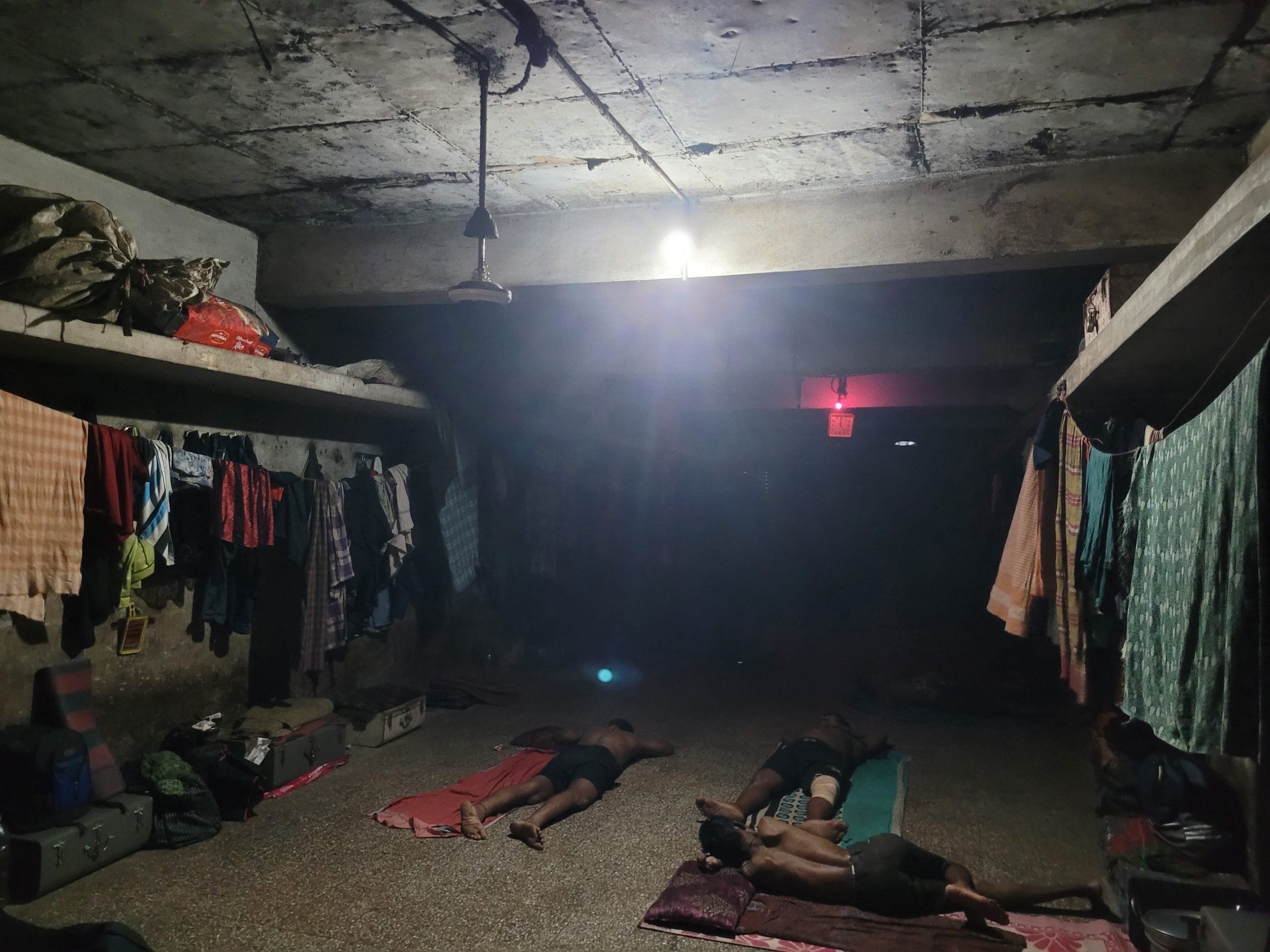
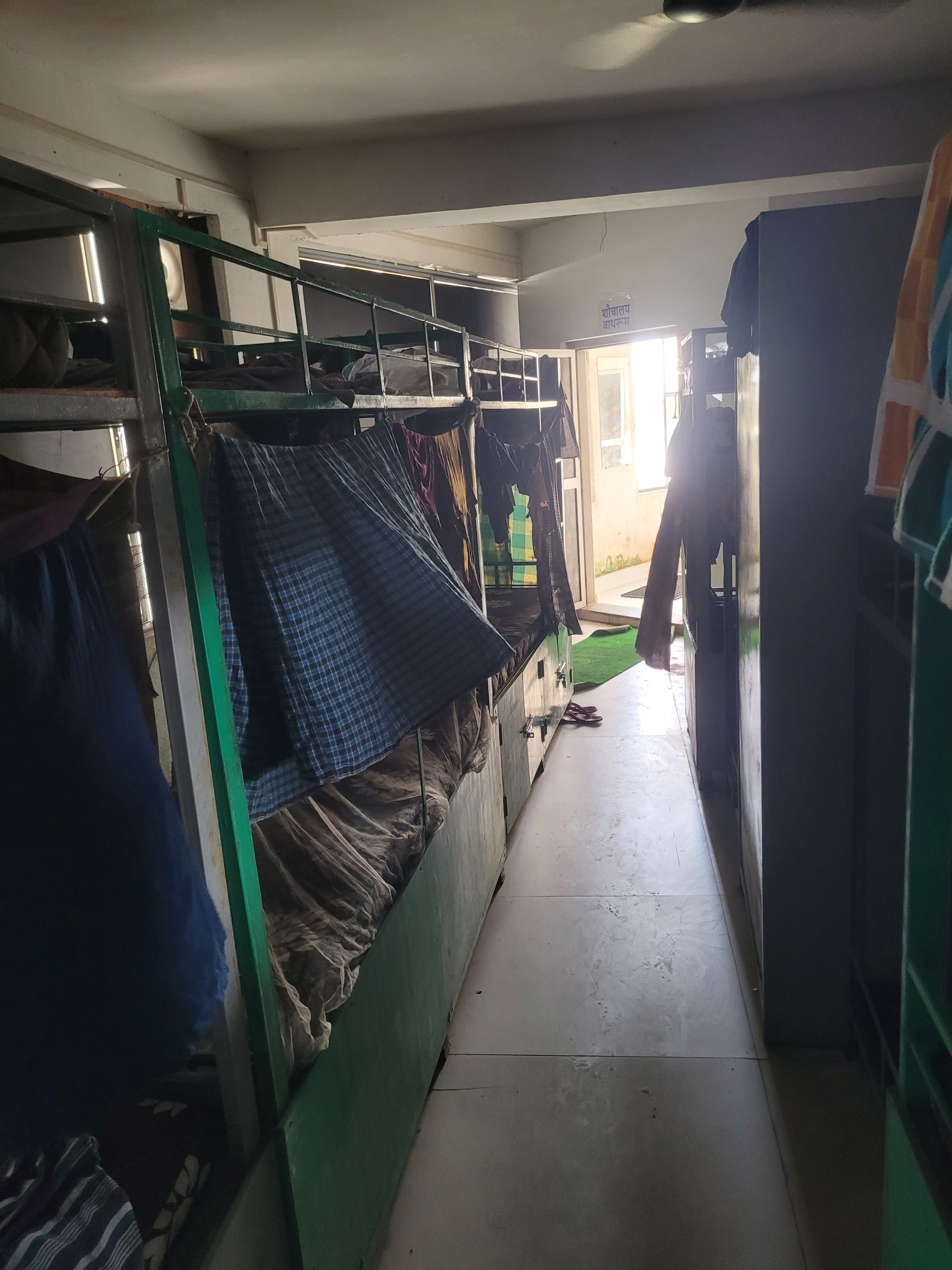
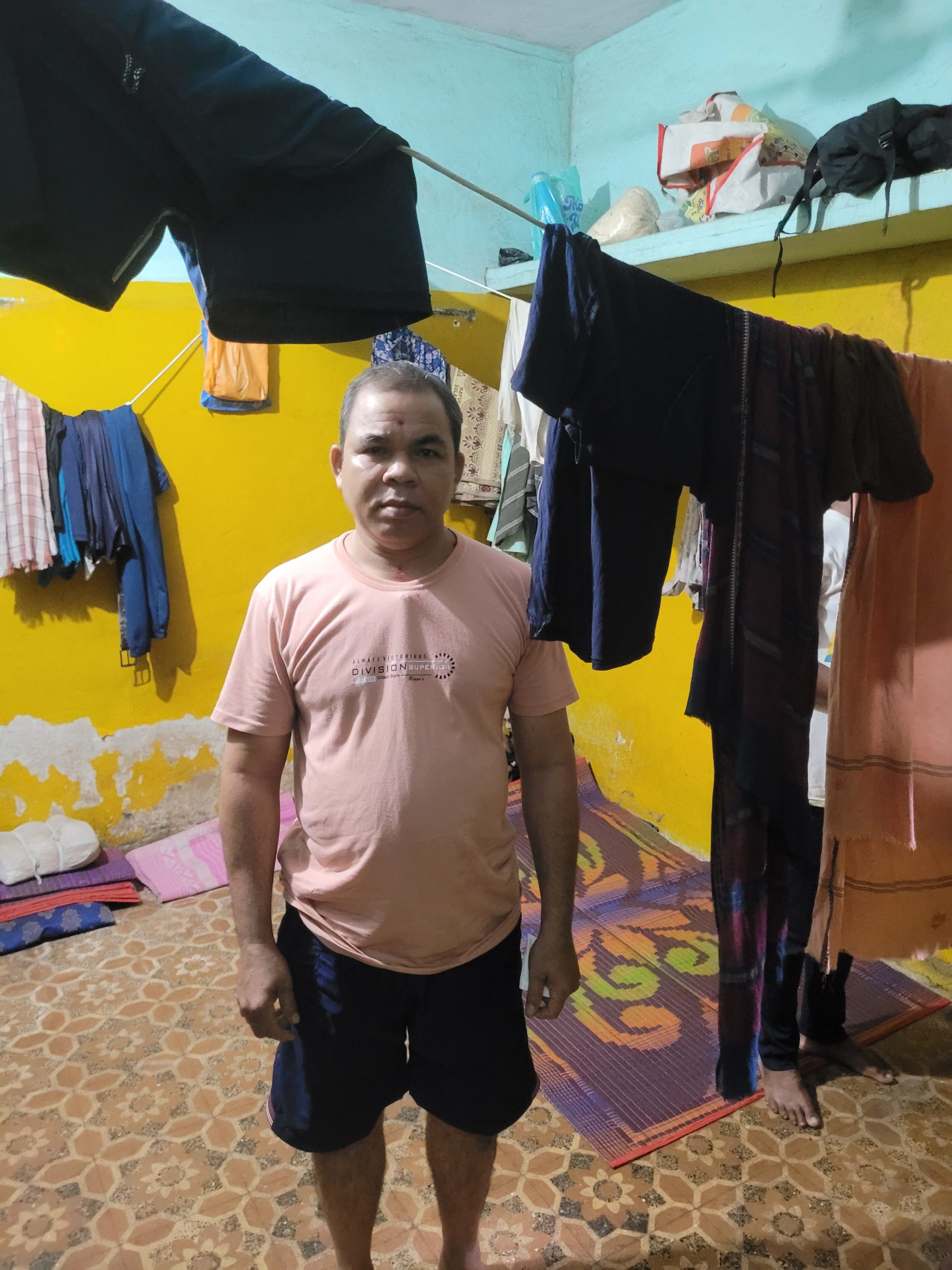
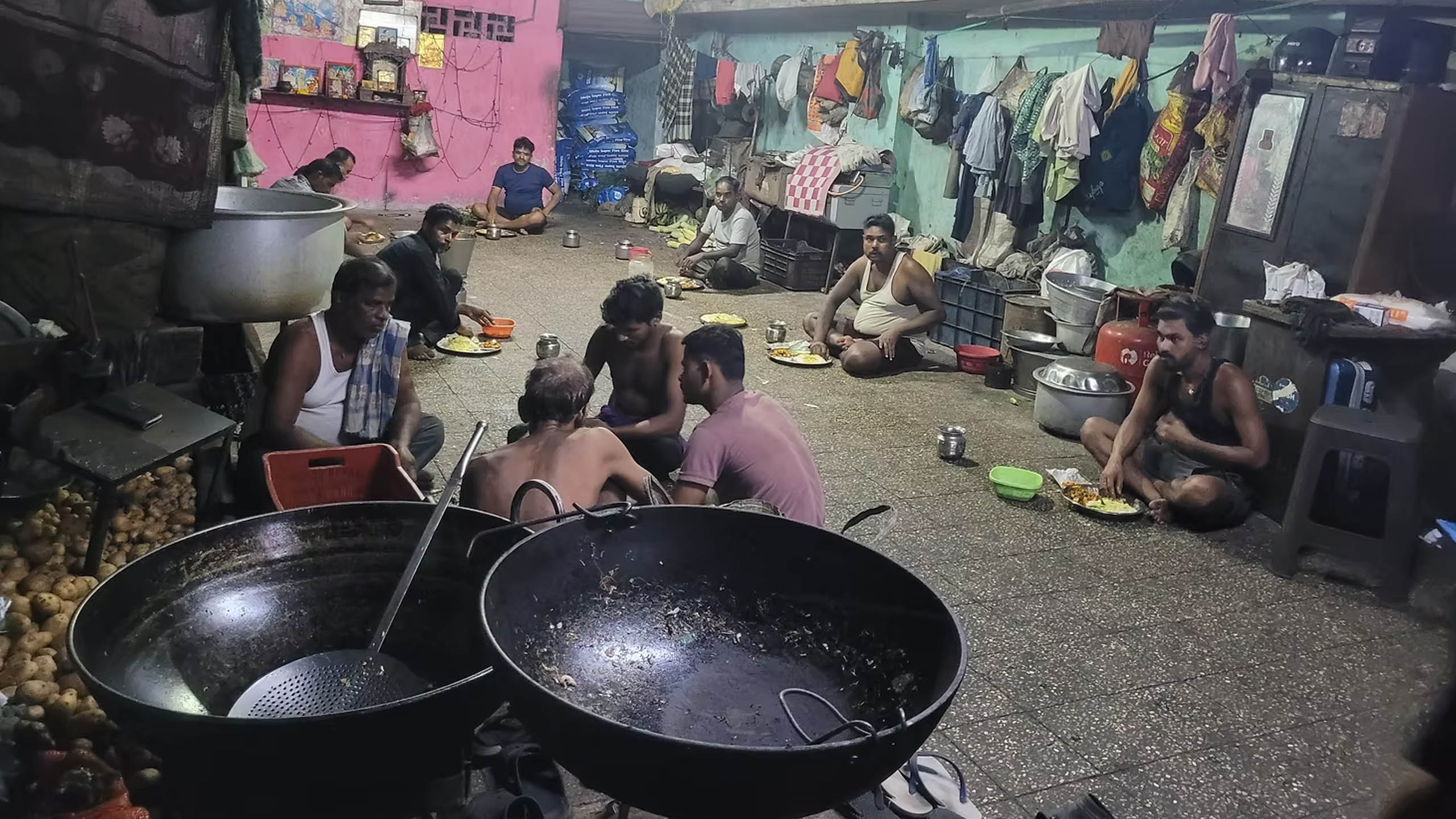
Every corner of the worn-down staircase is littered with gutka packets, pan stains, soap and paste packages and polythene bags. The smell of urine from the common toilets, and the dampness of washed or sweat-soaked clothes linger as a top note of the squalid and ill-ventilated living quarters – hall-sized rooms, some sharing the space with a kitchen or a mess where the cook prepares meals for all the workers living here.
A row of workers sleep on the mat-laid floor in the mess in one such mess tucking their hands under their tired heads, others speak in hushed tones on their mobile phones and still others settle in to eat the rice, dal, and sabzi (vegetables) – the standard fare provided twice a day.
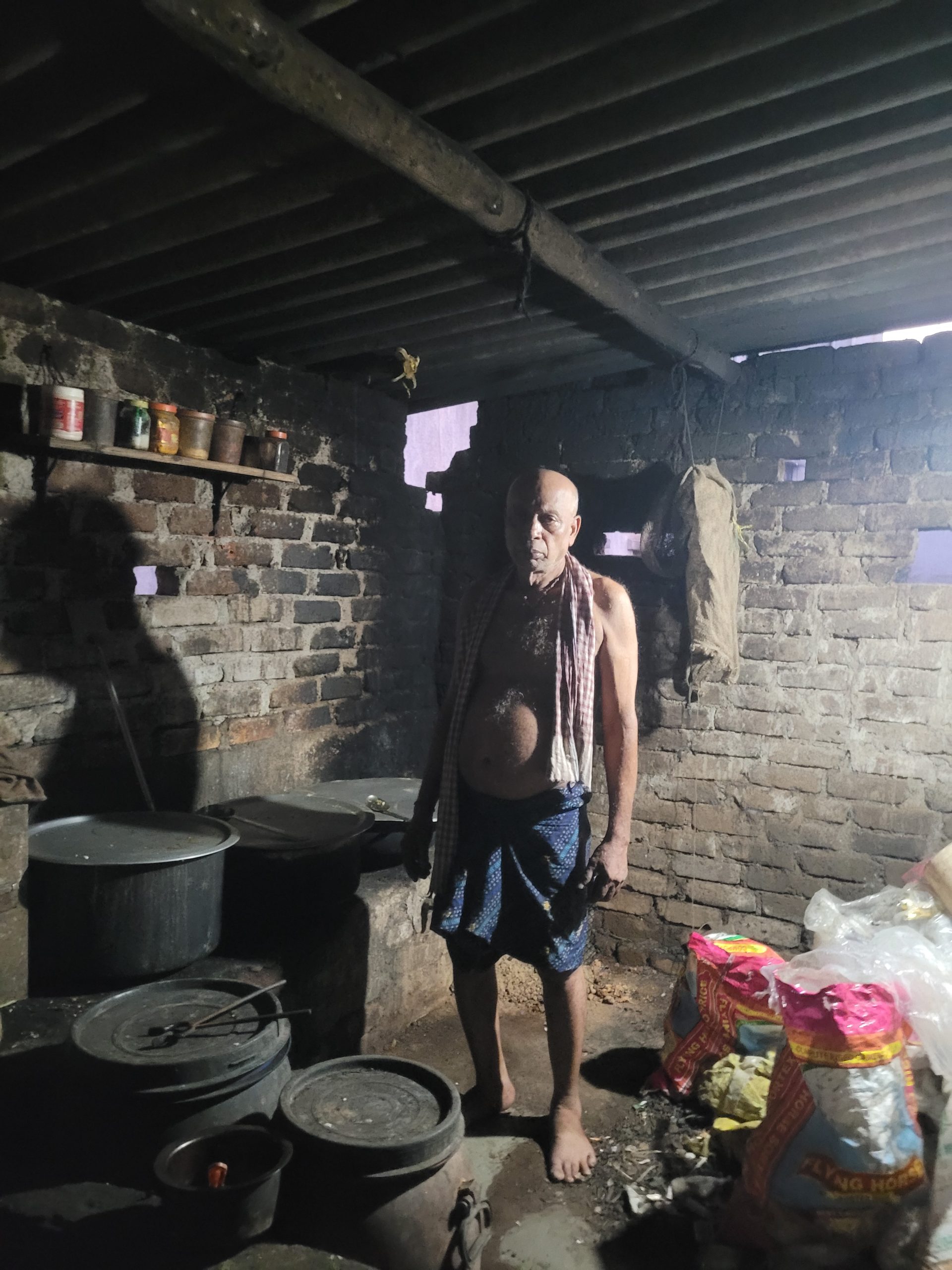
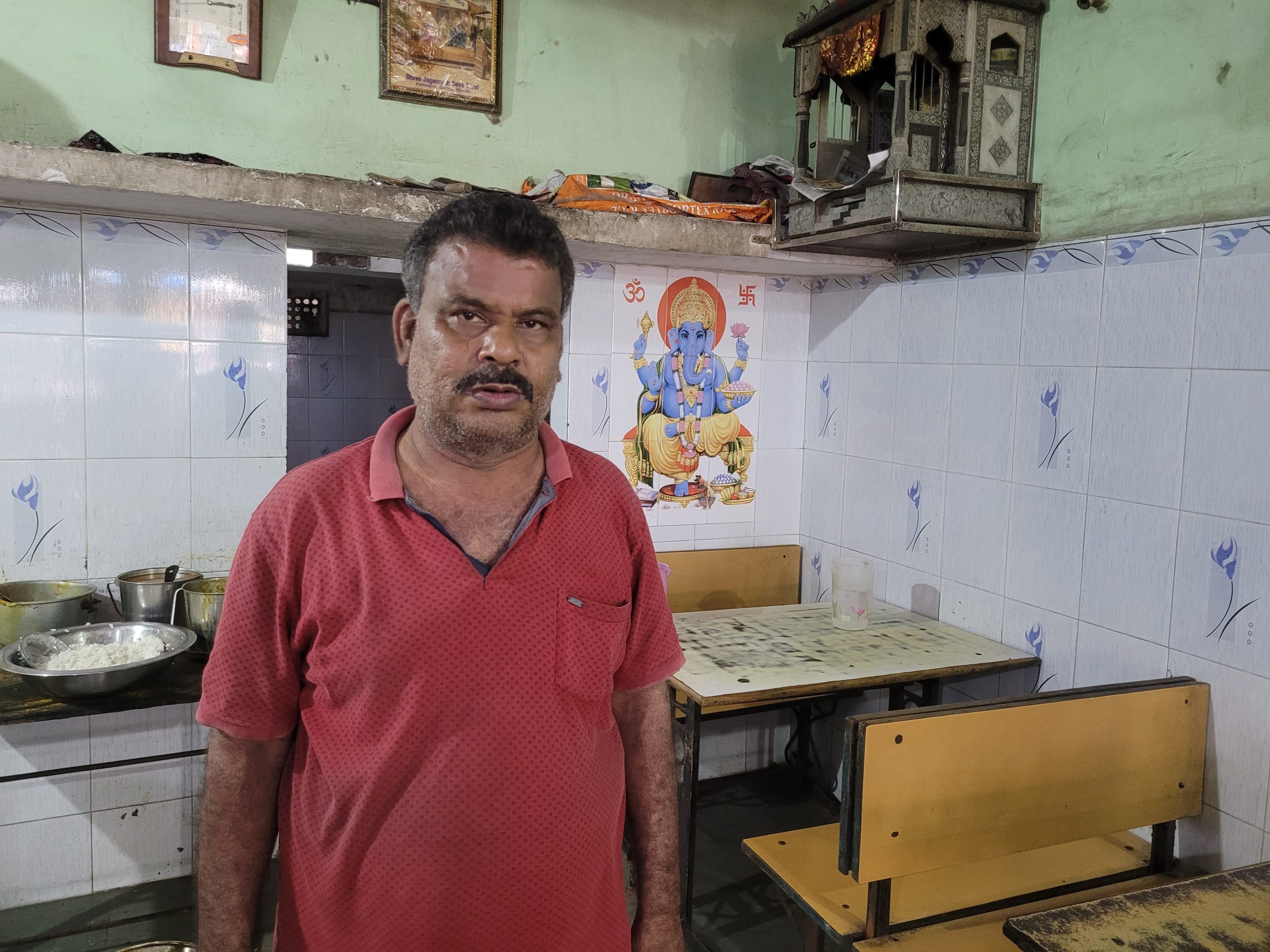
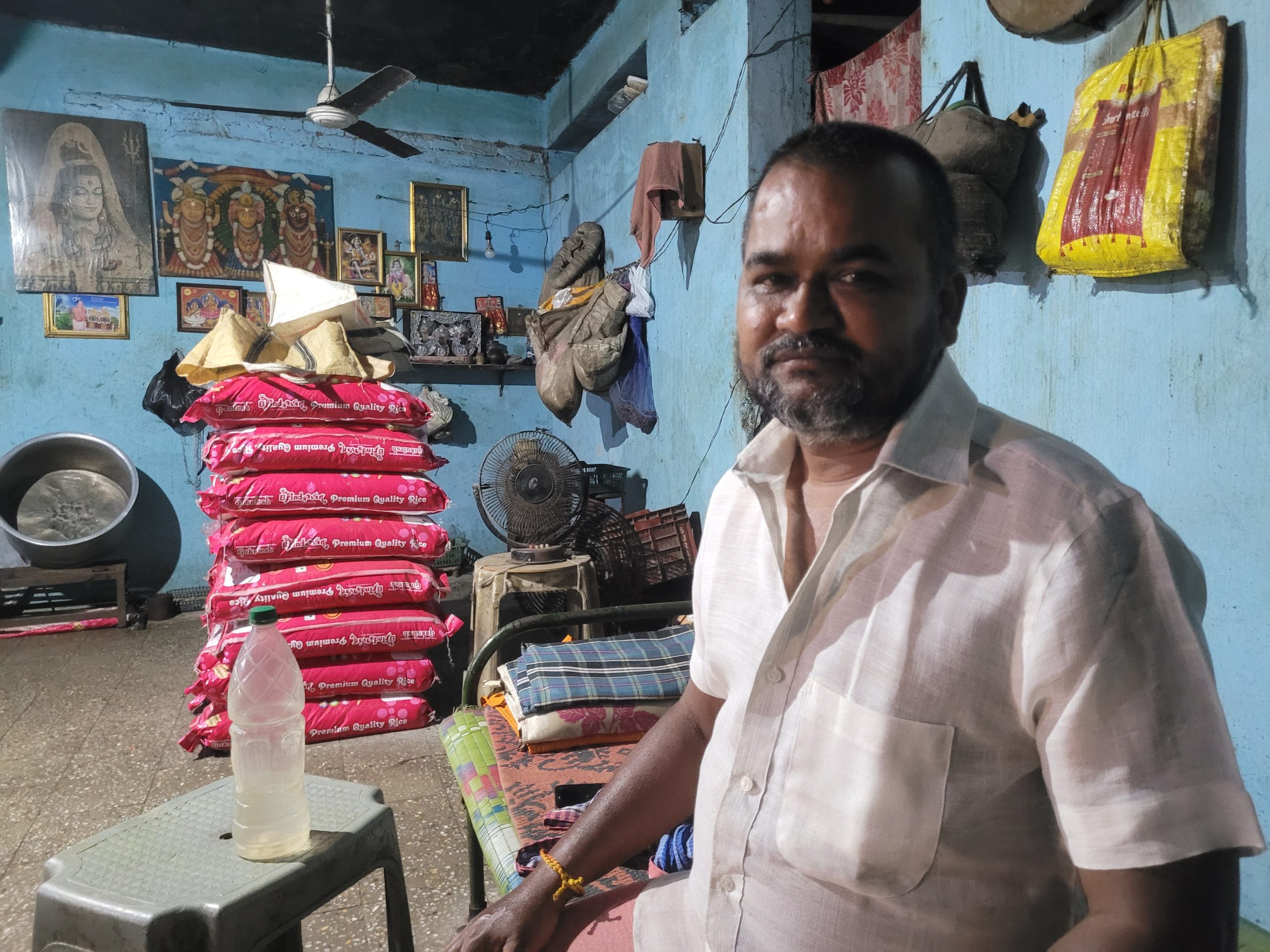
Akul Dandapani Nahak, a 54-year-old former powerloom operator from Ganjam runs a mess on the third floor. He sits on a foldable cot, pushed against a pale blue-painted wall, sacks of rice piled up in front of portraits of various Hindu gods on the wall. A table fan desperately circulates musty air.
He has been running the mess for the past 20 years, he said, serving Odia workers, who not only hail from the same district, Ganjam, but are often from the same caste as well.
“I ask them their caste when they come,” said Nahak, who currently caters to around 40 Odia workers, all of whom are from upper caste and Other Backward Classes (OBCs) communities like himself.
Surat’s textile powerlooms supply 90% of the polyester used in India, with most looms operated by Odia migrants. Much of the migration is through social networks, caste often being an enabling factor for workers to pick Surat as their work destination.
In fact, Ganjam receives the highest remittances in Odisha, at nearly Rs 120 crore per month, according to an analysis of the Odisha Migration Survey 2023 (OMS) by S. Irudaya Rajan of (IIMAD), and Amrita Datta, Assistant Professor, Department of Liberal Arts, Indian Institute of Technology Hyderabad.
While this cash flow improves the economic circumstances for migrants, caste identity and hierarchies of their home state tend to get replicated in Surat, particularly in the living spaces where Scheduled Castes (SC) or Dalits find restrictions and discrimination in terms of access to accommodation, cooking or handling of cooked food in shared spaces where different caste groups live.
CASTE GATEWAY
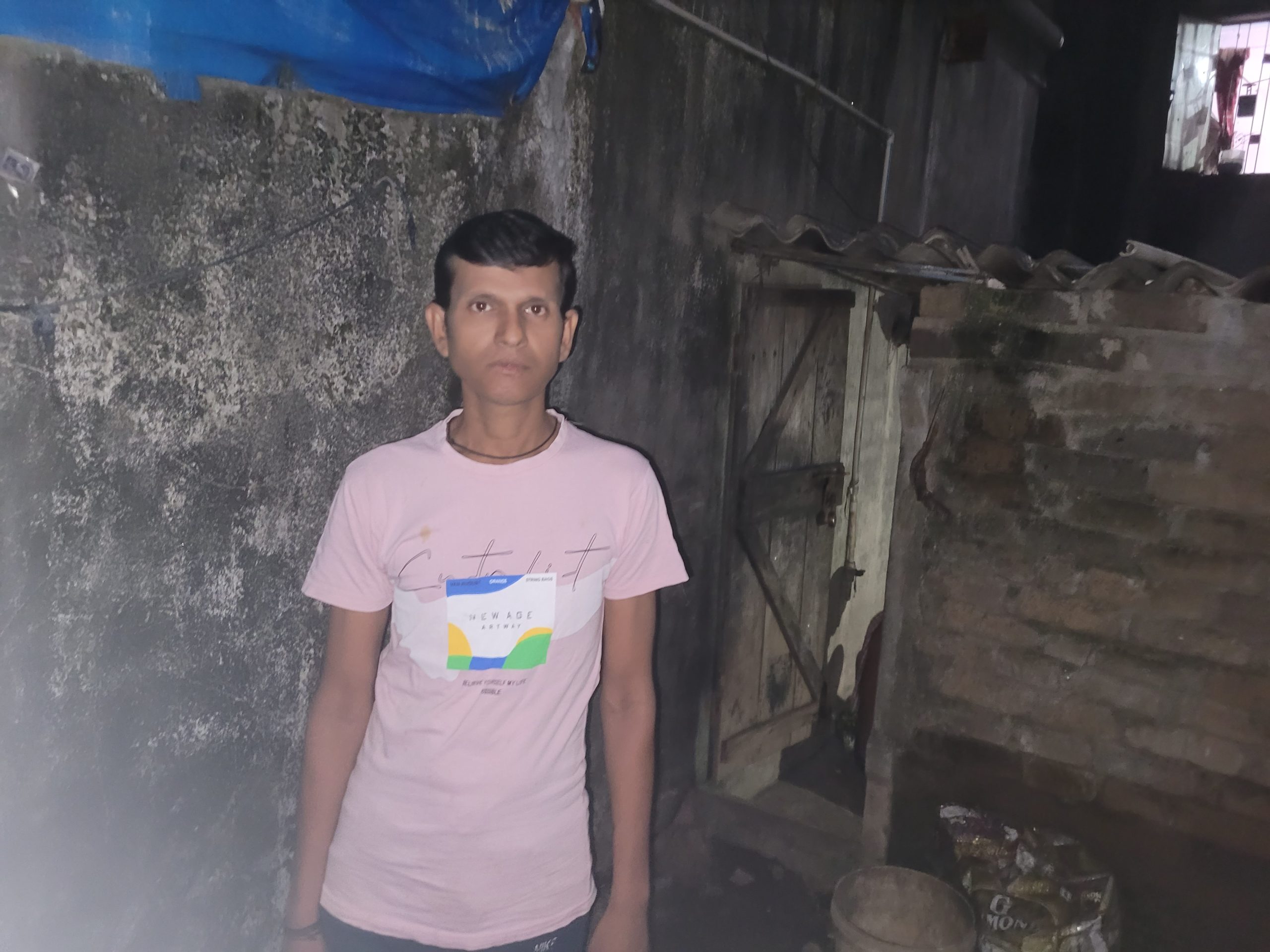
Ramesh Sethi, 41, moved to the Siddharth Nagar slum in Surat less than a year ago from Diamond Nagar, some 20 km away. Sethi, from the SC Dhoba community in Ganjam, is a powerloom operator who was preparing to leave for work around 6 pm to begin his 12-hour night shift. He had packed his food at the ‘Sethi’ mess run by 64-year-old Debraj Sethi, who also belonged to the same caste.
Ramesh Sethi, who lives in a rented room, has studied only till primary school and has spent 25 years working in Surat’s looms. The work pays around Rs 20,000 a month for operating multiple noisy looms, with no more than two days off in a month. He pays Rs 2,300 monthly for two meals a day at Debraj’s 22-year-old mess that caters to SCs, almost entirely from Dhoba community.
Not all messes restrict accommodation or food based on caste, but mess owners said that the cooking is always done by upper castes and OBCs.
“As food and consumption are mapped onto principles of a caste order, cooking and eating of lower caste and communities outside the caste system are labelled as dirty,” said a 2021 paper by anthropologist Dolly Kikon, on food cultures in India reiterating social hierarchy and caste logics of cleanliness and purity. “An integral part of Brahminical power is based on regulating and upholding dietary taboos grounded on caste ideology,” it said.
Migration should ideally help in reducing caste-based hierarchy and the intensity of caste discrimination, said Rajan of IIMAD.
About 40% of Odisha’s population comprises SCs and STs. According to the latest population Census which has not been updated since 2011. In Ganjam, this proportion is slightly higher than the state’s average.
While government data on migration from Ganjam to Surat is inadequate, in 2007 it was reported that there were nearly 900,000 migrant workers from Odisha, and by the end of the next decade there were an estimated 600,000-800,000 migrant workers from Ganjam alone.
The recent OMS data analysis shows that Ganjam district forms a significant migration source, accounting for 40% of its current migrants going to Gujarat. While Ganjam has the highest number of current migrants (373,254), the incidence of current migrant households in the district (29%) is lower than three others–Bhadrak (41%), Denkanal (34%) and Nayagarh (32%).
Lower castes [than his] like Pano [SC community] have another mess.”
He cooks twice a day. The first round of preparing rice, dal, and sabzi begins at around 4 a.m. and workers start arriving for a meal by 6 a.m. He cooks another batch at 3 p.m. for workers leaving for the night shift. He manages to save around Rs 3,000 a month, he says, and just manages to get by.
THE FEUD OVER FOOD
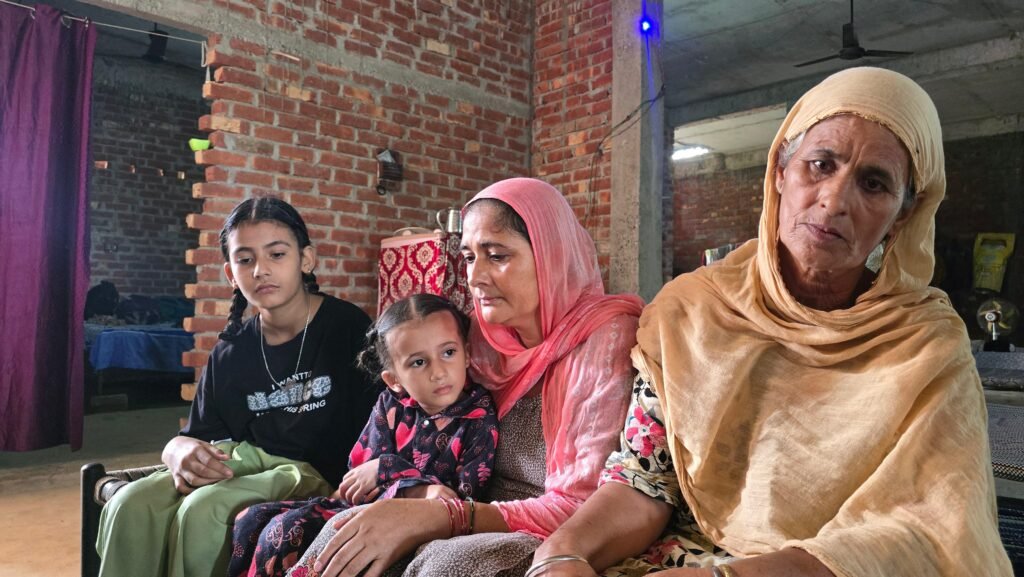
Republic hostel and mess in Sayan has been incubated by Aajeevika Bureau Trust, which works for migrant worker welfare in south Rajasthan and urban Gujarat and Maharashtra and is run by Shelter Square Foundation. Its intention is to provide better and cleaner facilities for migrants. But there was an untoward instance, said Bhagwan Behera, the manager of the mess.
Kalia Sahu, 22, who was part of the group, said that he does not understand why the older migrant was persistent on getting a thali. “I did not want to be dragged into this issue. The thali sometimes smells like non-veg food, but I clean it a few times and use it,” said Sahu, who says that he is from a caste “like Brahmins”. He has been working in Surat since 2017 and puts bobbins on 80 machines in a power loom in Sayan. Sahu has been the mainstay of his family since his father became paralysed, forcing him to believe that money is most important for a person and not caste.
MIGRATION AS AN EXIT ROUTE
According to a January 2023 study on caste dynamics in migration from Ganjam (Surada block) to Gujarat and Kerala by Madhusudan Nag, Benoy Peter and Divya Varma, migrants cluster in areas where there is a larger presence of those from their own community. “…the social stratifications that prevail at the source tend to get replicated at the destinations too, limiting the scope of social emancipation that migration could potentially offer to the marginalised communities,” the paper said.
“Villages are stratified by caste. Migration is an exit route when communities do not have an alternative,” said Nag, researcher and lead author of the report. “It is a tool to fight forms of oppression. When higher caste groups move in [to the destinations], the same patterns or structures emerge and SCs and STs get replaced.”
Ajeeth Kumar Pankaj, faculty at the Department of Social Work, Indira Gandhi National Tribal University, Regional Campus Manipur, and researcher on migration-related exclusion and inclusion, said that migrants do not carry only their bodies but their social capital and caste.
“Caste identity travels with them [migrants]. But the cosmopolitan nature of cities tends to dilute the caste to some extent,” said Pankaj. “We need to understand how its intensity gets reproduced in destinations or changes there.”
Migrant workers said that at the workplace, caste identity did not impact wages or type or access to work, but aspects of caste tend to show up even at work.
There have been instances where other higher caste workers would not have tea during the break or eat food together due to caste hierarchies, said Ramesh. “I do feel bad, but I do not say anything.
What can I do?,” said Ramesh, who sends around Rs 10,000 a month to his family in Ganjam.
According to OMS 2023 analysis by Rajan and Datta, the monthly average remittance in the previous 12 months of SCs (Rs 4,814) and STs (Rs 3,261) was lower than that of OBCs (Rs 5,531) and upper castes (Rs 5,402). SCs and STs are overrepresented in rural-rural migration streams, and underrepresented in the more remunerative rural-urban and urban-urban migration streams.
“This will not end [because] people will not leave their caste,” he said.
‘NOW I HAVE BUILT A PALACE’
“As a child, I had a pair of clothes and used to usually wear my school uniform. Watery rice gruel with very little vegetable or onion was the daily staple,” said Ramesh Nahak, whose father leased land for cultivation. Over the years, with the money saved from his work in Surat, he has bought 2 bighas (less than 2 acres) of land. He operates 15 machines, 11 more than when he started as an operator in the early 2000s that earned him Rs 1,700 a month.
“It used to be a jhopdi [thatched roof hut]. Now I have built a palace,” he said of his home in Ganjam.
When he arrived in Surat, Ramesh Nahak used to stay with his brother in a rented room. But when he heard that Bhimba bhai (brother), who is from a nearby village in Ganjam, did not have restrictions based on caste in his mess-accommodation, he was glad. “This mess is different, I thought. He allowed us to stay here [despite caste identity]. When mess owners ask us to separately keep a lunch box or thali [due to casteist notions], dil toot jata hai [it breaks our heart],” he said.
After he spent 12-hour shifts in the powerlooms in his early years in Surat, Bhimba bhai supplemented the income by selling vegetables, extending his work day to 19 hours on most days. By the early 2000s, he had saved enough to start a mess. It was vital during the Covid-19 pandemic where he provided more than 150 women-headed families free meals.
“I do ask about their [workers] caste but I do not deny accommodation,” he said. “There are rooms where migrants from the same caste live. If someone insists [to stay with their caste worker] I tell them to pay the rent for separate rooms or adjust with others.” He charges Rs 3,300 per migrant per month for food and accommodation.
Another resident in Bhima bhai’s mess, Sunil Kumar Nahak, a 50-year-old power loom operator from an SC community, lives in an adjacent room to Ramesh Nahak. The room, which can at best accommodate two people comfortably, has six workers, all from the SC community like Sunil. It is smaller than the large hall where Ramesh sleeps.
“We all [in the room] know each other [so] we decided to stay together,” said Sunil. No one has directly had issues about his caste, but he too has had experience of discrimination at the workplace where another worker from an upper caste enquired about caste. “I told him [I was SC], and asked why he was bothered and how it impacts our work.”
At the powerloom, the jodiya system tags two workers together who work in shifts and manage the workload and machines. Occasionally such issues do emerge, said some workers.
Bhimbadar, who like Akul runs a mess, confesses that the food is cooked by OBCs, and never Dalits. “Upper caste migrants [including OBC] have a problem if Dalits cook or handle food, but they can eat in my mess,” he said.
Workers say that caste-related segregation and practices have changed over the years in their villages because there are more interactions and travels. In public spaces, people from different castes mingle with each other and even visit each other’s homes and dine together.
Ramesh Nahak claims that caste-based segregation has reduced in his village because more people are travelling outside. But it does exist when it comes to religious events, where food cooked by his family is not accepted by Brahmin priests because his community, Pano, falls in the lowest strata of the Hindu caste hierarchy.
“They do accept money and fruits, though,” he said.
This correspondent has written to the labour commissioner in Odisha for their response on data on migrants in Surat and Gujarat and southern states, if they are aware of caste related issues, policy and support schemes for migrants. We will update this story when we receive a response.
SURVIVAL STRATEGY
The first part of this series highlighted that the presence of a large number of OBCs in Surat had limited the presence of the SC and ST communities in Surat, with many now moving to southern Indian states.
Nag and others find in their report that caste-related exclusions force marginalised migrant populations to explore newer destinations that are more egalitarian, more secure and have the potential to accelerate the social mobility of their current and future generations compared to the traditional destinations.
There is more migration towards the south from Odisha, according to OMS 2023. Tamil Nadu has become an important migrant corridor with 10.8% of current migrants outside the state, followed by Karnataka (9.2%), and Gujarat (8.6%).
While new destinations motivate the younger generation, experts feel that wages and social networks also encourage them to move to meet their aspirational goals. Caste may not play a direct role in migration to another destination, it could be one of the reasons, experts said.
“Usually confrontation on issues of discrimination or segregation leads to violence for Dalits. So they tend to travel to different locations which is a survival strategy,” said Nag.
“But once the (upper caste) OBCs dominate in the new location, a similar caste structure may arise, probably replicated in a different manner and form.” He highlights inadequate data on caste particularly Dalit and adivasi migrants and reasons for migration, which he feels should be prioritised by state governments.
Meanwhile, for powerloom worker Sunil Kumar Nahak, the discrimination is a living reality he has come to accept.
“I am born into a certain caste and it will remain. If I touch [food or water] my caste won’t change, but someone may take offence. I do not want to get into this lafda [confrontation],” Sunil said.
“I will not make the mistake of taking food directly. I ask someone to serve me,” he said.
This is the second and concluding story in a two-part series studying caste equations in the Surat-Ganjam migration corridor. The story is also co-published by IndiaSpend.com
Sreehari Paliath is a Senior Policy Analyst and Researcher at IndiaSpend