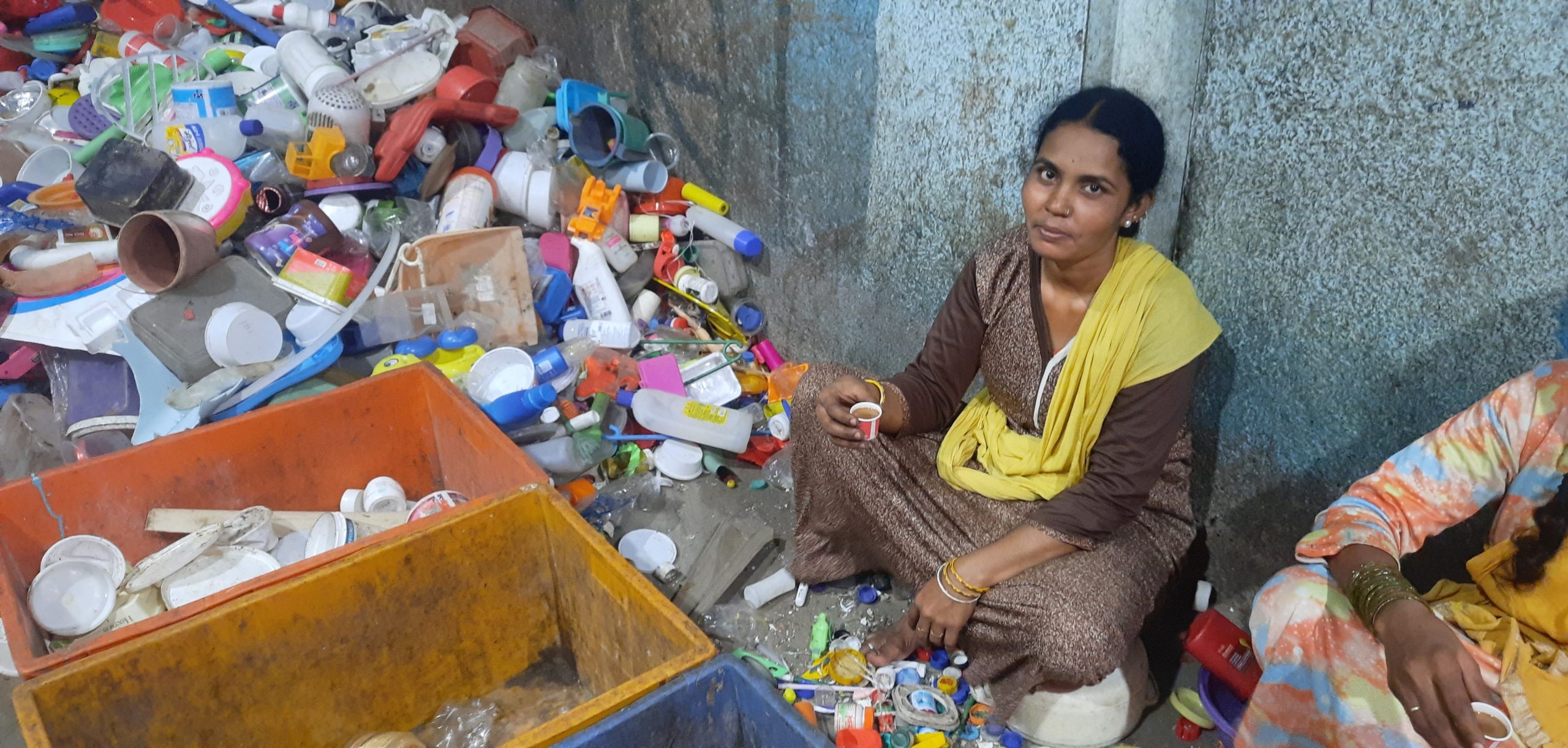
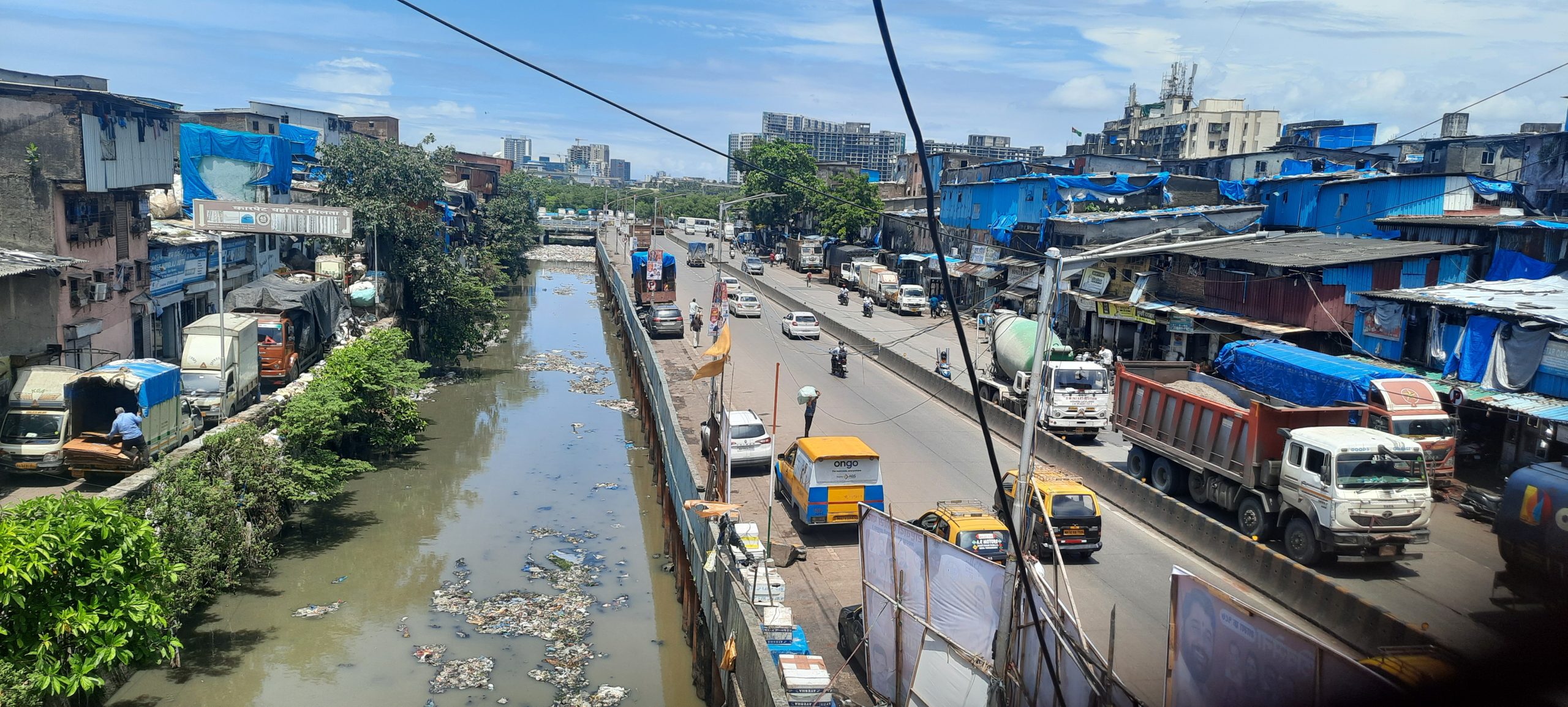
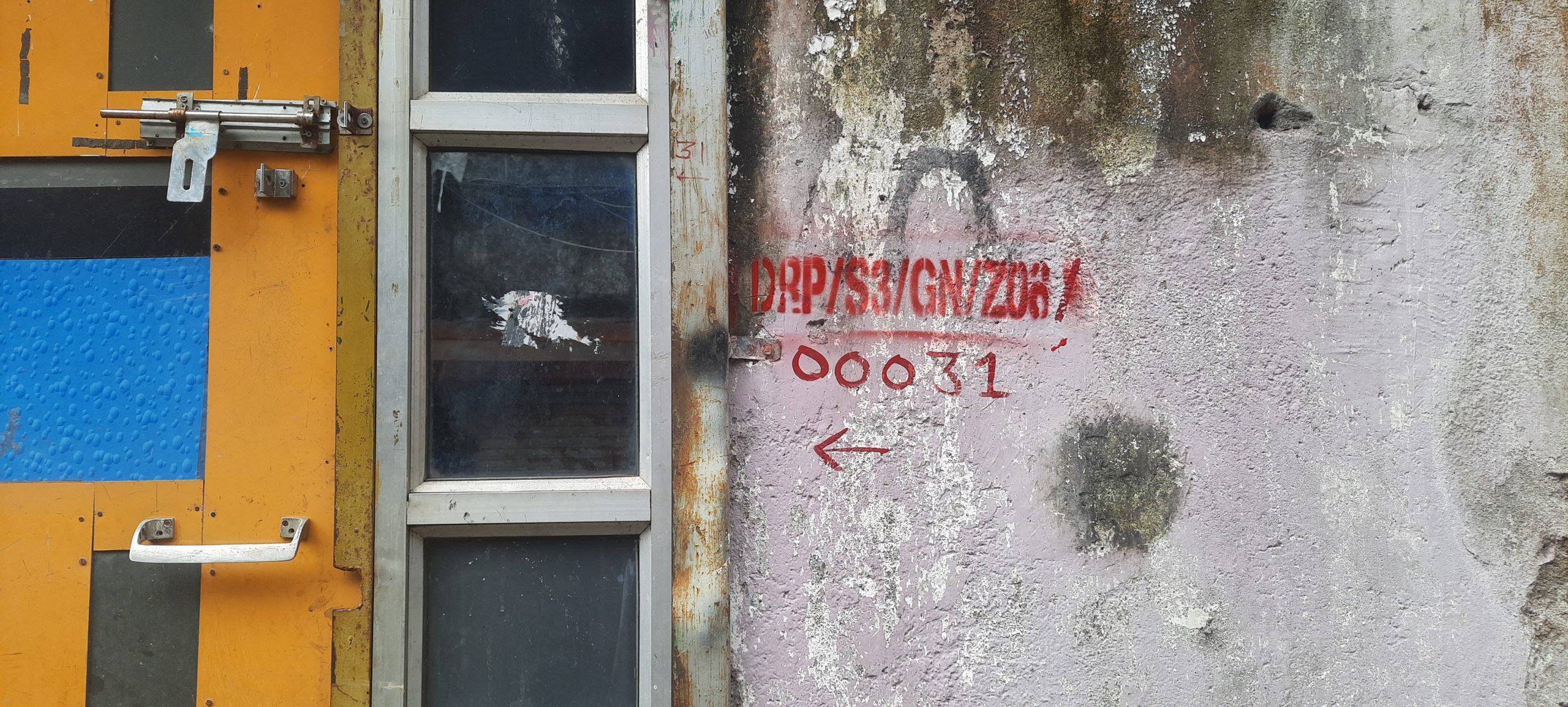
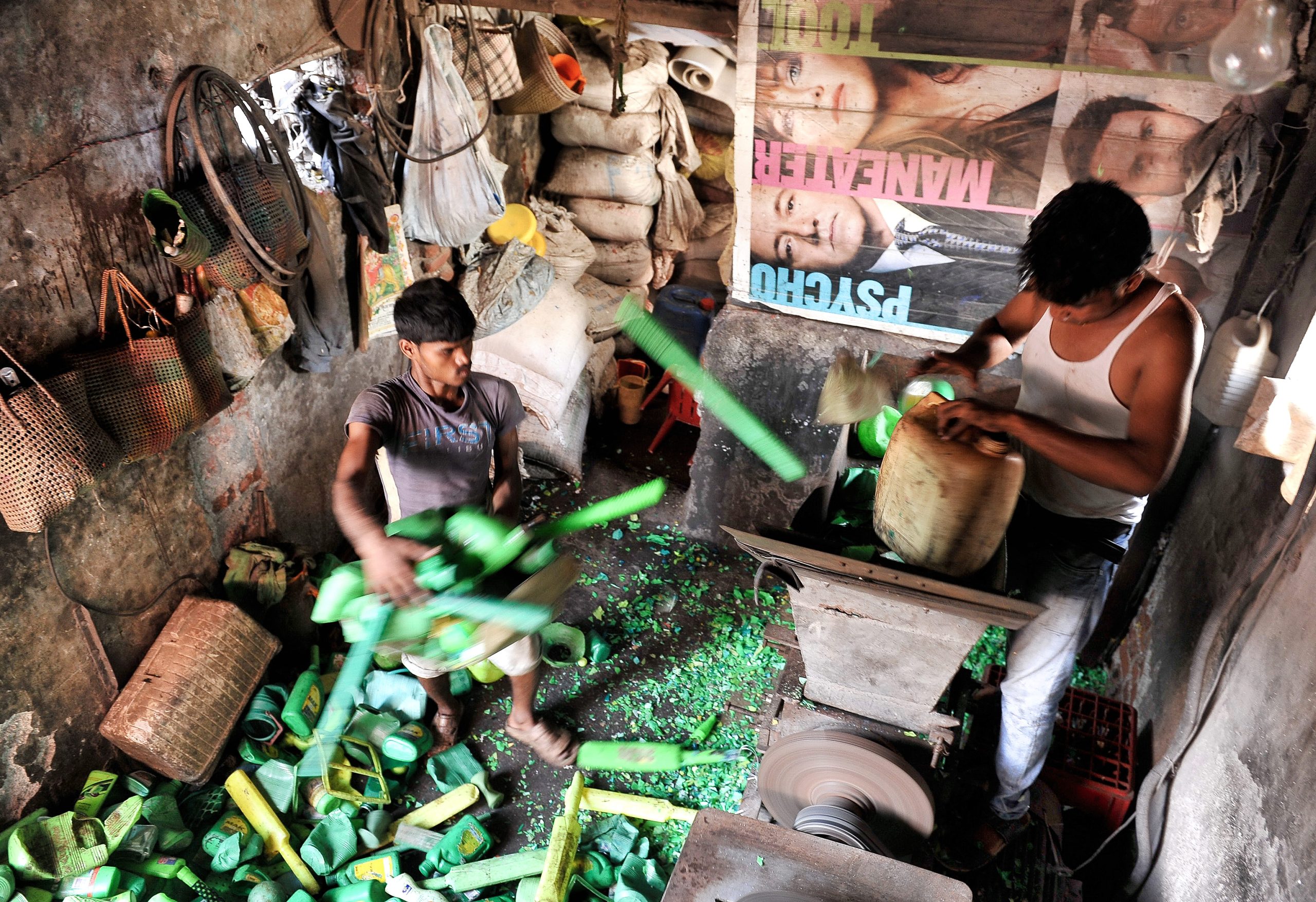
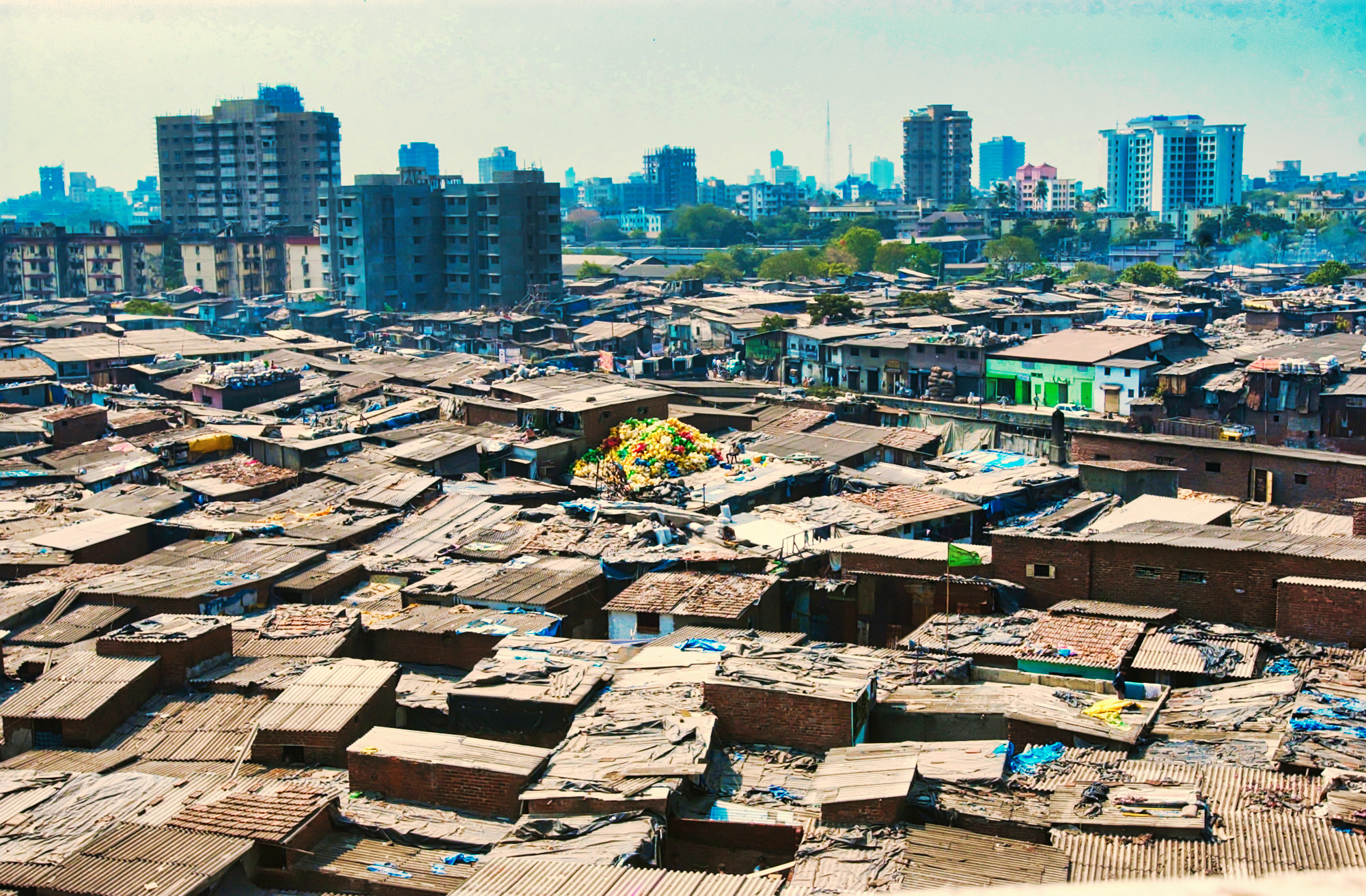
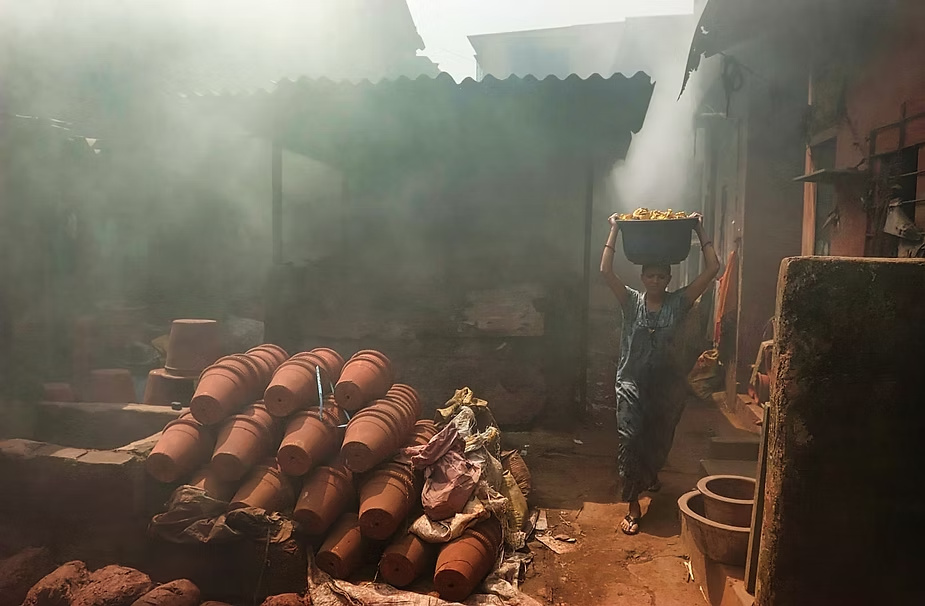
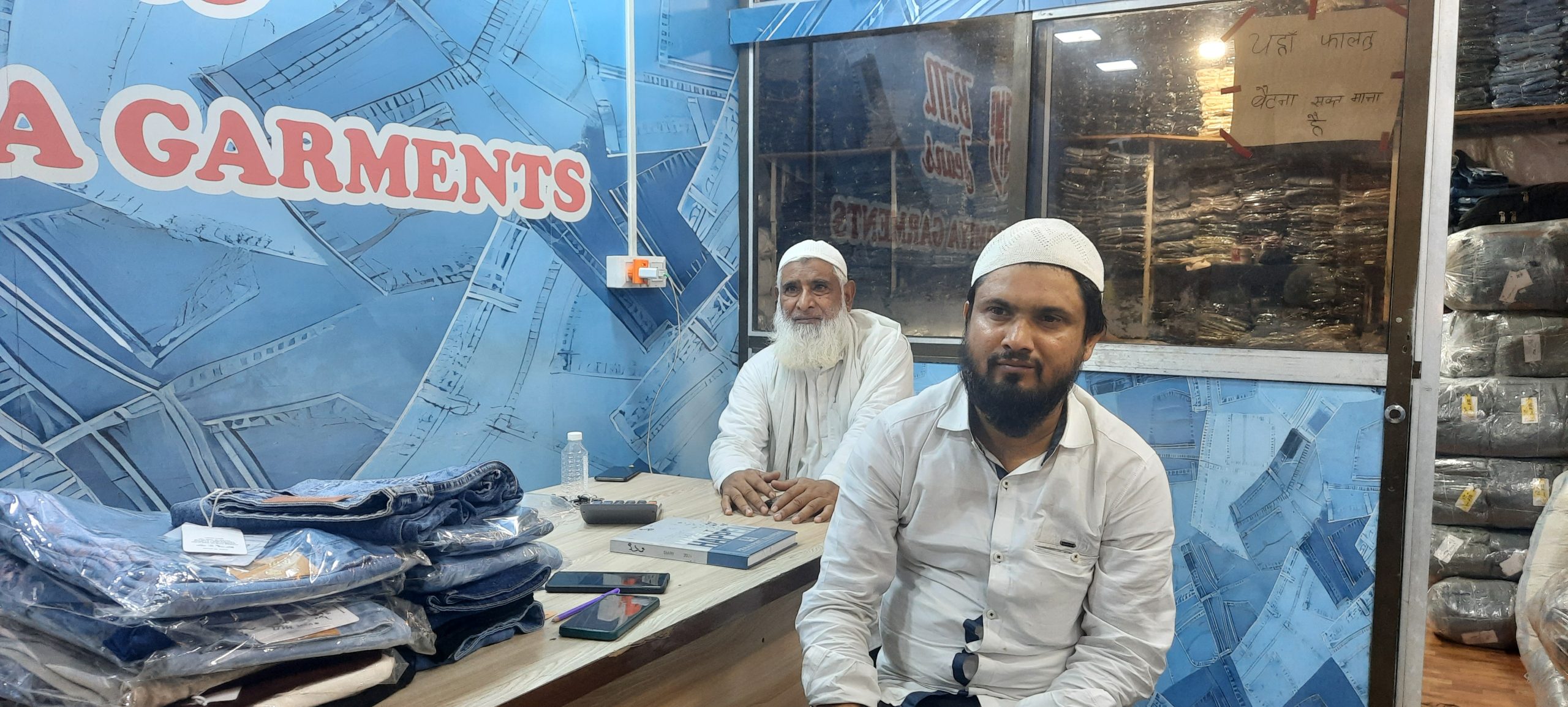
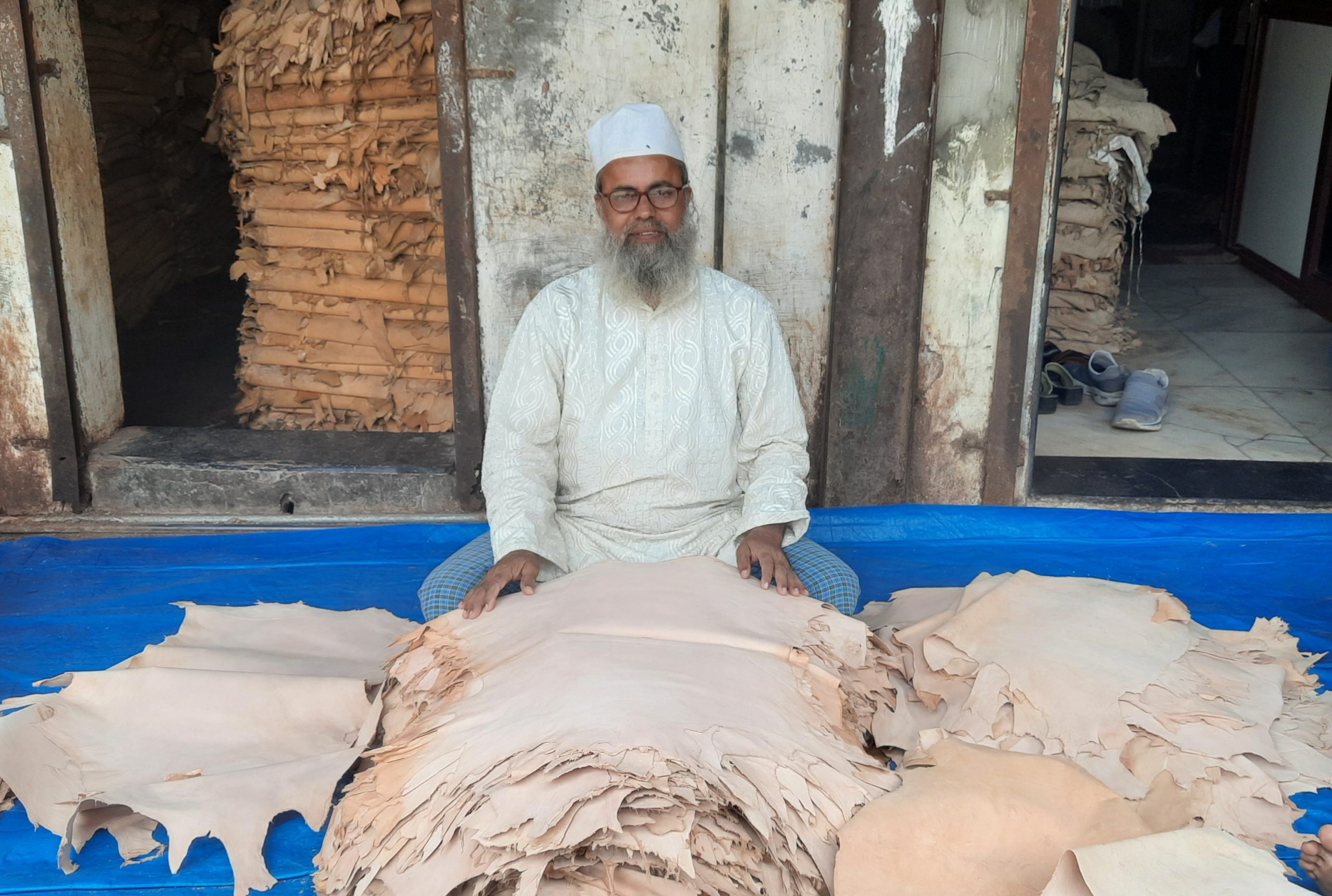
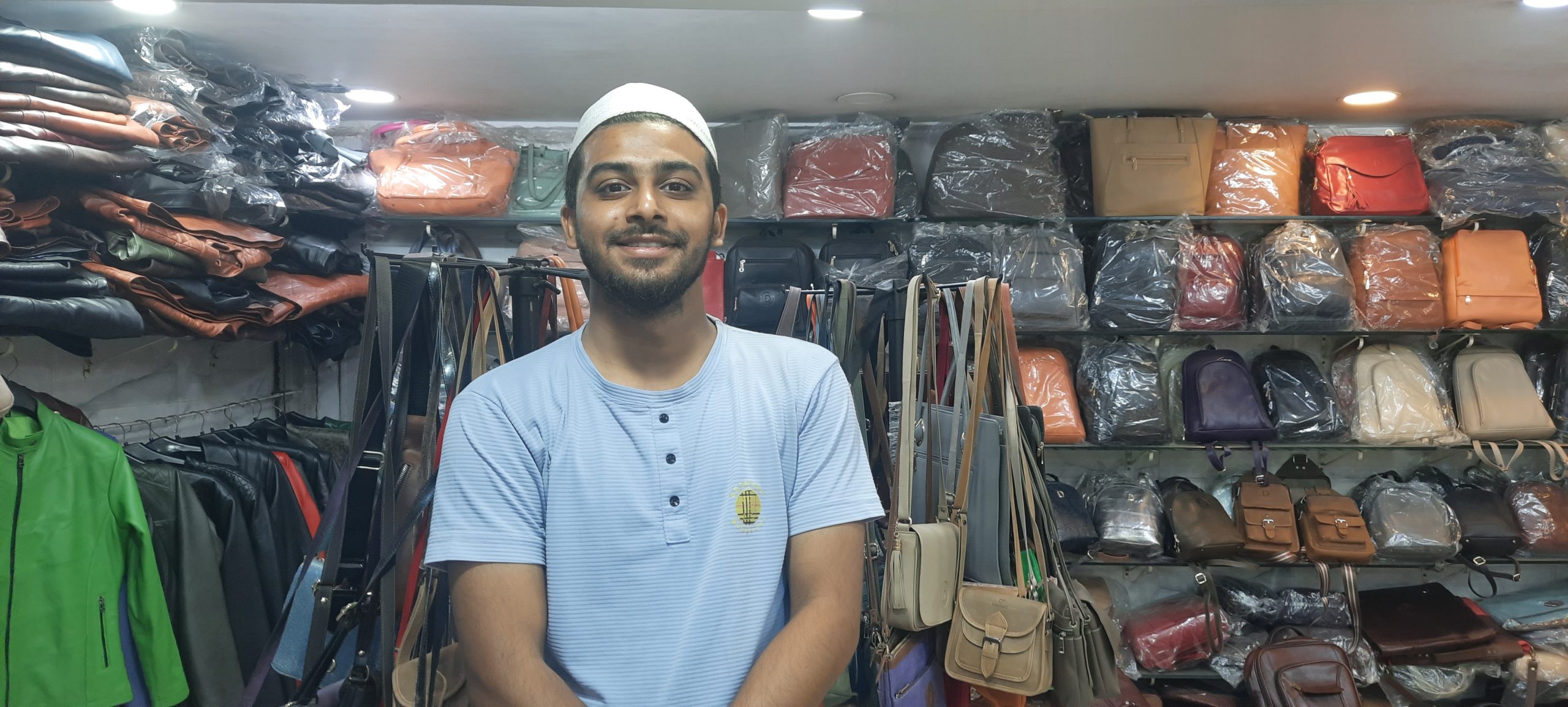
Apart from scrap recycling, Dharavi is known for a myriad other small-scale industries, including garment factories scattered throughout the slum, the kumbharwada enclave for pottery makers and the famous leather goods industry that draws tourists and shoppers from across the city.
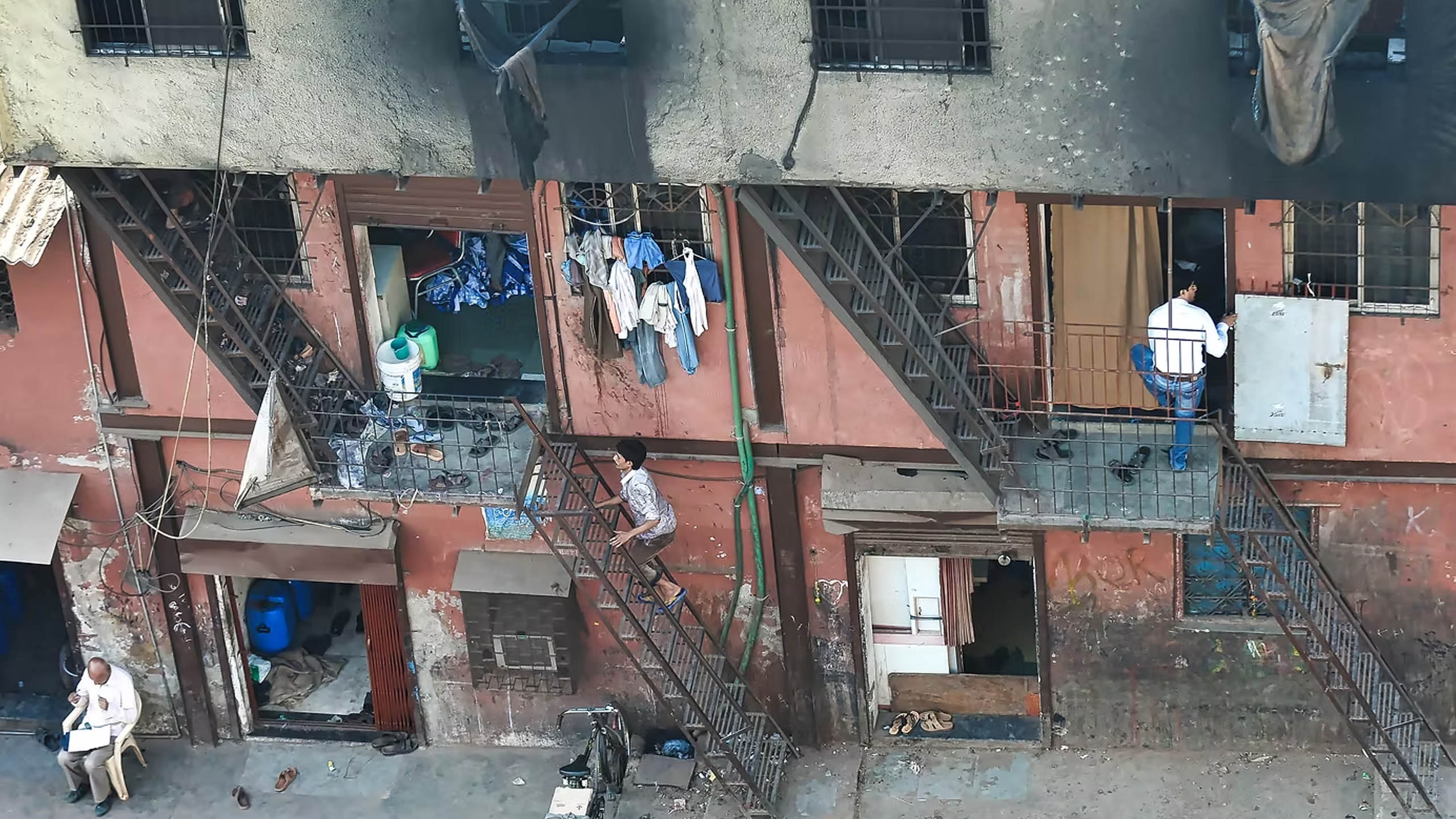
“In Dharavi, half the residential spaces are also commercial,” said Imran Khan, whose family has been manufacturing leather goods in the heart of the slum for nearly 50 years. “In some places, almost every room owner has built one or two floors on top of their ground floor homes, which they use for setting up a small business or for renting to others.”
Babu Khan, the president of the Dharavi Garment Association, says his organisation has been lobbying the DRP authorities to ensure that the slum’s existing industries remain within Dharavi even after redevelopment. “We have submitted a proposal to them suggesting multi-storey commercial buildings, with manufacturing on the upper floors and sales on the lower ones,” he said.
Babu Khan believes a revamped, good-looking Dharavi would attract bigger businesses from across the city, but admitted he “could not say” what would then happen to smaller businesses that currently operate in Dharavi.
According to DRP chief Srinivas, Dharavi has over 15,000 commercial industrial estates, and the intricate ways in which business and residential spaces are intertwined does make redevelopment more challenging. As per the state government’s slum rehabilitation rules, Srinivas said that all eligible business owners will receive around 300 to 350 sq ft free business premises under the DRP, either in separate commercial blocks or mixed-use buildings.
In this context, “eligible” refers to those who have owned ground floor level commercial spaces since before the year 2000. “Typically, under slum rehabilitation schemes, businesses on higher floors are not given anything. They are just thrown on the streets,” said Srinivas. “But this leads to tremendous dislocation of a large number of people.”
To avoid this, Srinivas said that an exception has been made for Dharavi: “ineligible” businesses – those located on higher floors and those established after the year 2000 – will have the option of being accommodated within redeveloped residential buildings.
“In every residential building, 10% of the built-up area will be reserved as commercial spaces for the housing society to rent out to businesses,” said Srinivas. These rents, he added, would help housing societies pay for building maintenance, in addition to the Rs 40,000 corpus fund that the DRP intends to provide each building’s housing society for maintenance expenses.
Srinivas believes that most of these commercial spaces will be rented out to local, existing businesses within Dharavi that are ineligible for free commercial space. “The government cannot mandate this, because sometimes you have to let the local community decide,” he said. “But it will happen, because housing societies will have locals in it, and they will choose to support their own local businesses. And no outsiders will want to set up their business in Dharavi.”
When asked how the DRP would ensure that rents in the commercial spaces in residential buildings remain affordable for local businesses, Srinivas admitted that for now, there is no plan to cap the rent that housing societies can charge. “There is always an element of demand and supply, but 95% (of the commercial premises) will go to local businesses only,” said Srinivas.
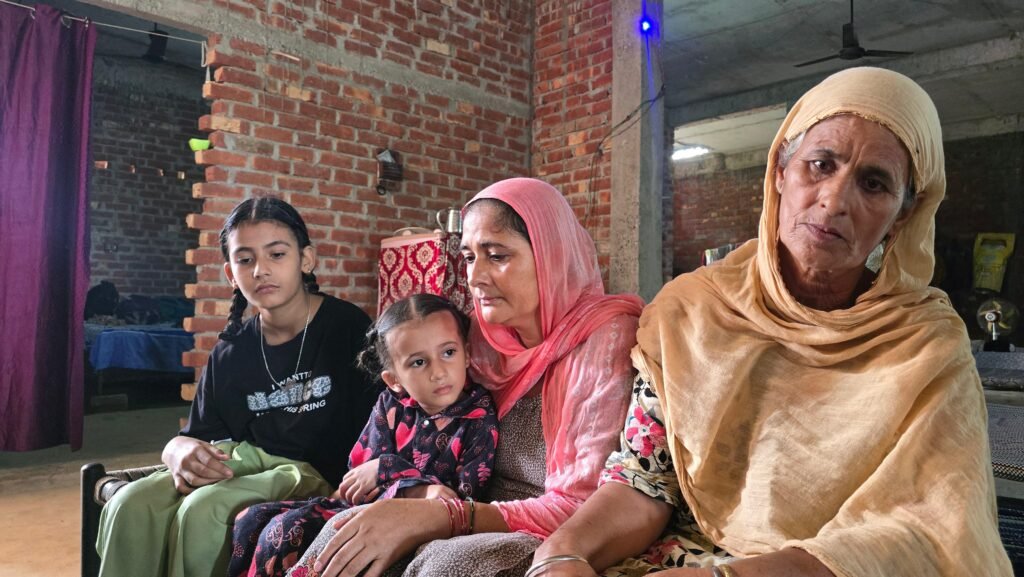
On the ground in Dharavi, business owners are unaware of any of these proposals, with many convinced they will not be able to afford commercial rents after redevelopment. The resultant uncertainty about their future has left them feeling anxious.