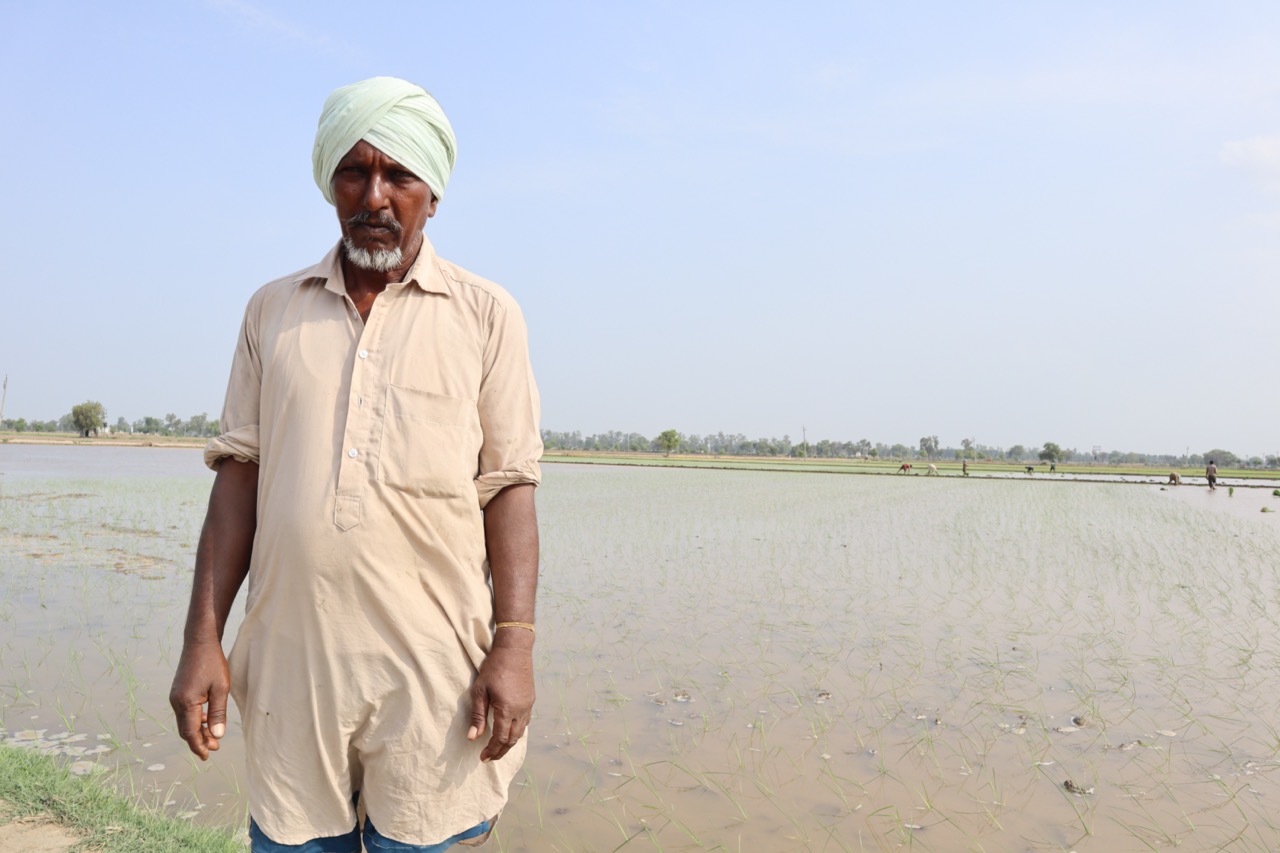
SRI MUKTSAR SAHIB, Punjab: For the past three decades, Gora Singh, a 60-year-old farm labourer, has been transplanting rice during June and July in the fields of landowning farmers in his village, Gurri Sangar, located in Punjab’s Sri Muktsar Sahib district. These seasonal earnings were crucial for his family of five, as consistent work was always scarce.
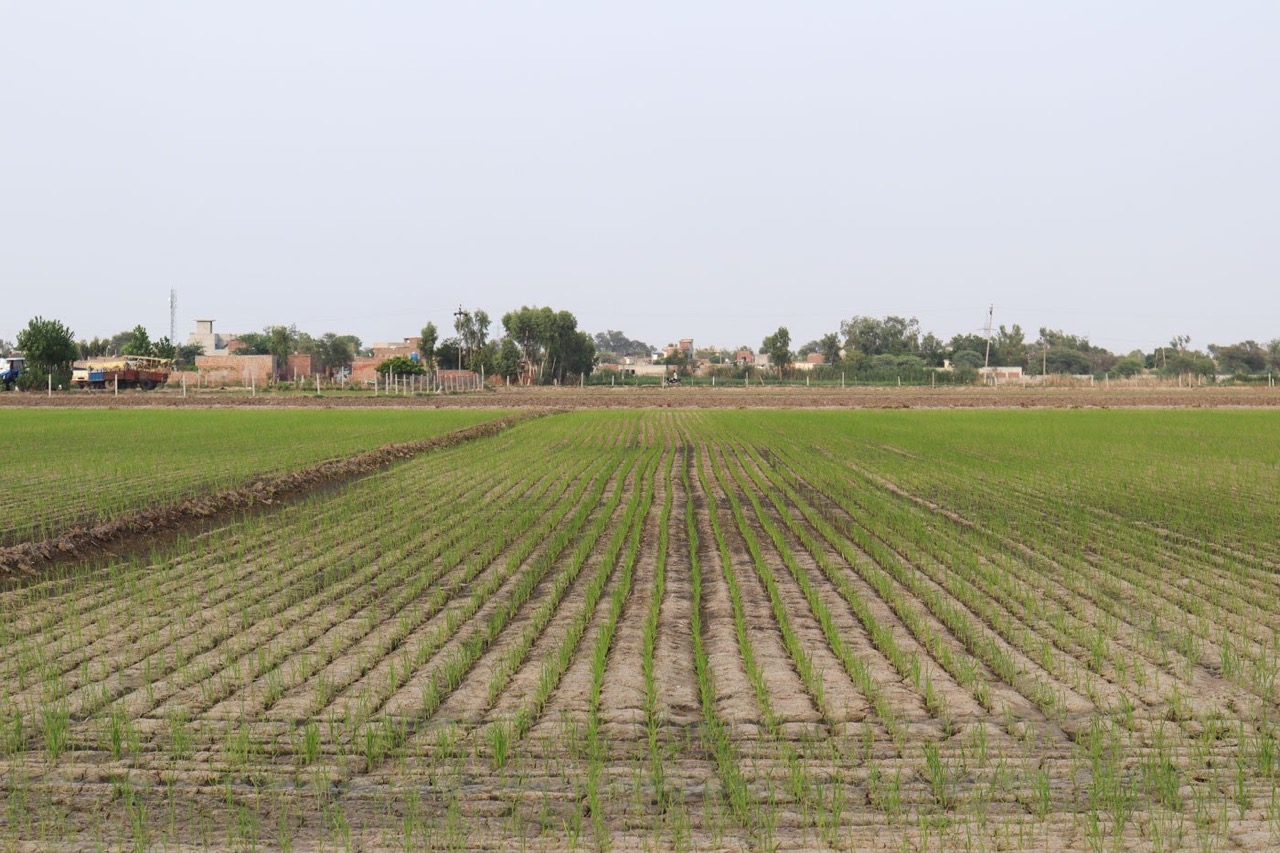
However, this year, the spurt in the adoption of direct seeding of rice (DSR) method — which uses a tractor-powered machine called the ‘lucky seeder’ to directly drill seeds into the field — in Gora’s village disrupted this long-standing routine. For the first time in his life, he was forced to travel to the neighbouring Bathinda district in search of work this year.
“For us, this is a big loss,” Gora said. “We’re not used to travelling to another village just to find work, but we have no choice. Over the past three years, many farmers in our village have opted for siddi bijae (the DSR method), so demand for our work is reducing. The government also wants farmers to switch to this method, and its we workers who pay the price.”
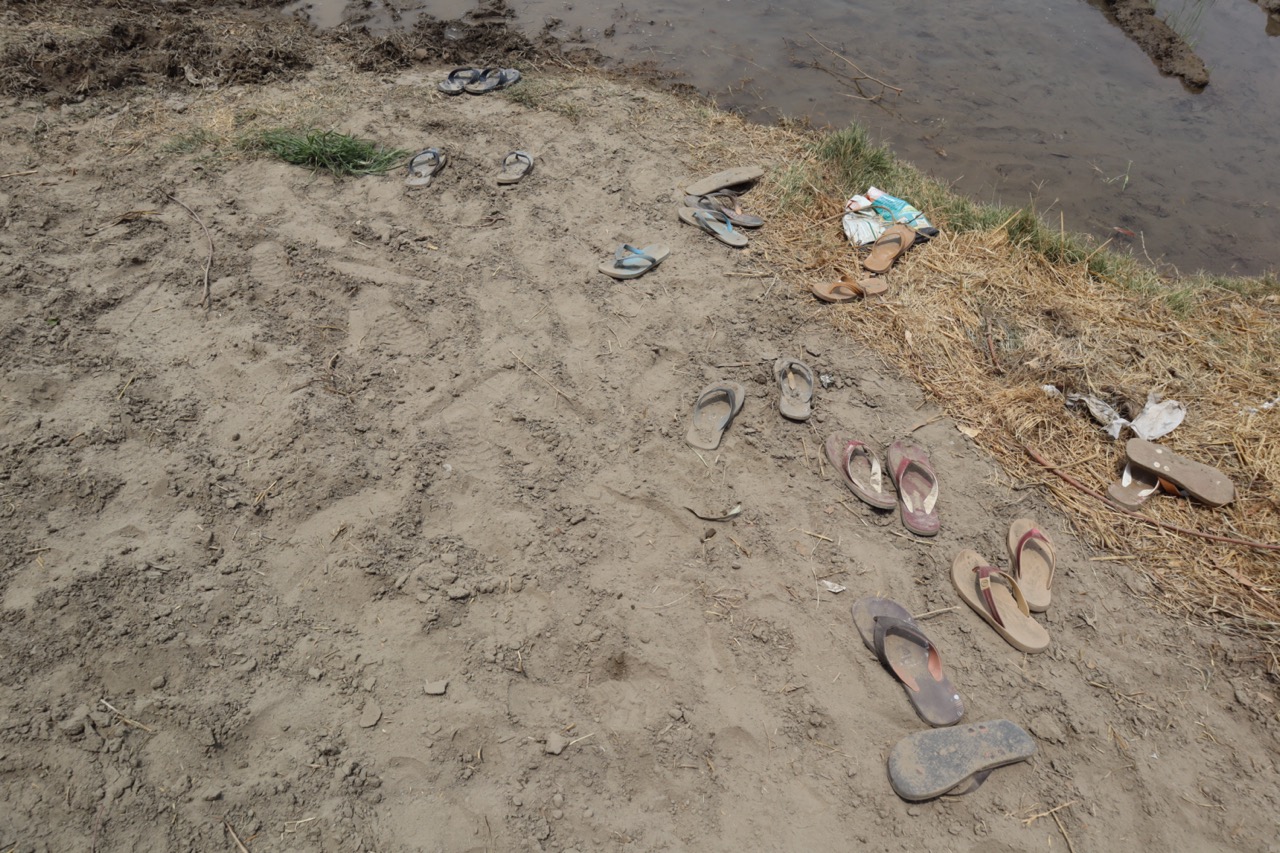
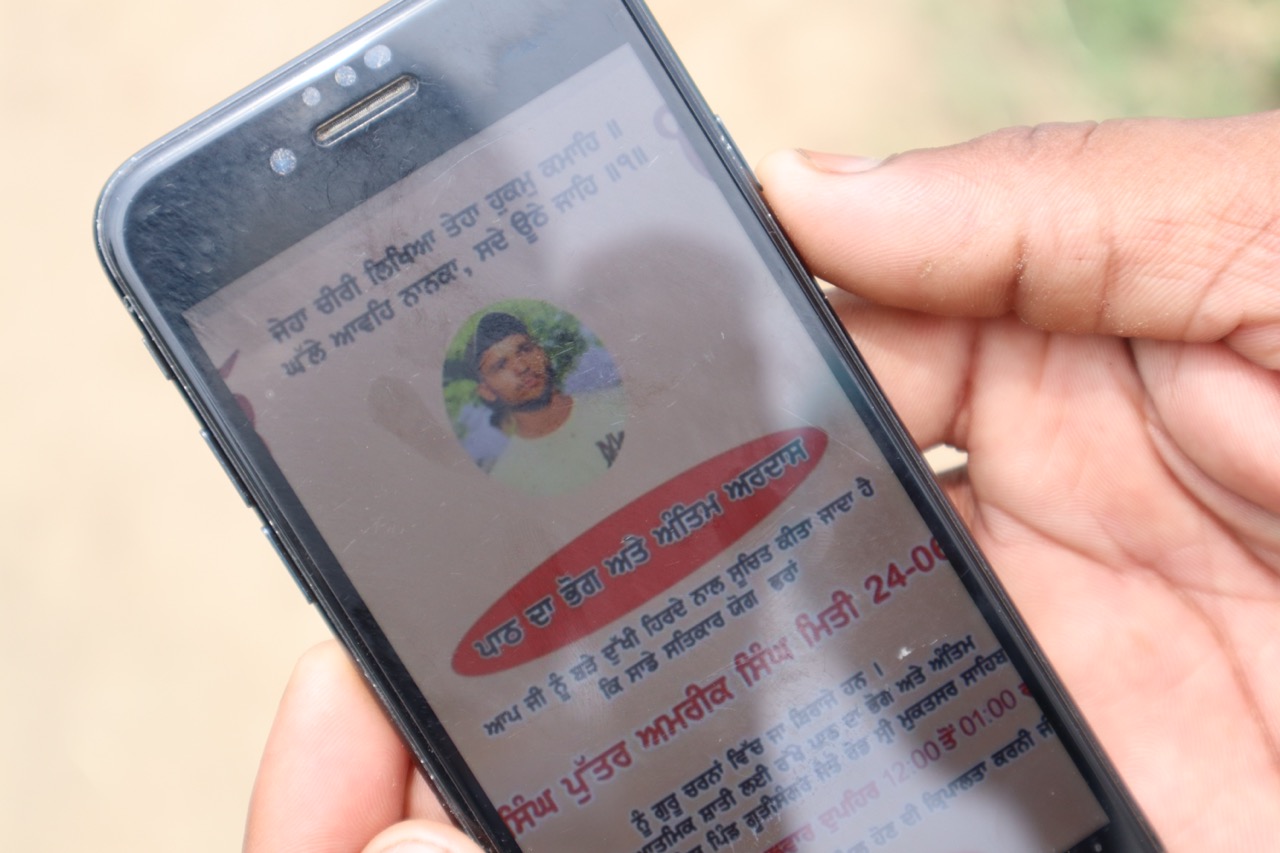
In late June, tragedy struck when one of their colleagues, 17-year-old Gurman Singh, was killed in an accident while returning home at night. His death, caused by a collision with another vehicle near Bhalaiana village, forced the group to halt their travels. “If we had work here, we wouldn’t have had to travel in the dark and instead could have just walked home,” Gora said.
This season, he and 11 others found work on just a single acre of land in their village in early July, “And that too only after pleading for it, unlike previous years when farmers would come to us,” Gora said, standing outside the field as he took a tea break from transplanting rice.
“We spent around Rs. 100 daily on fuel for our travels, which strains our already tight budgets. Meanwhile, the cost of living just keeps rising—a gas cylinder now costs Rs. 1,000. We are struggling to manage our households, and the situation feels increasingly bleak,” Gora said.
Rice is traditionally grown by manually transplanting seedlings from nursery beds into flooded and tilled fields. Called ‘puddling,’ this technique is a natural method to protect young rice plants, since unlike weeds and pests, rice seedlings can survive in water for prolonged periods.
Agricultural experts are therefore now recommending DSR as a solution for these problems associated with rice cultivation.
Since 2018-19, rice has been cultivated in more than 7.4 million acres of land annually in the state. Punjab’s shift to rice cultivation began with the Green Revolution in the 1960s, driven by extensive irrigation infrastructure and favourable government policies that incentivized rice farming in what was a traditionally wheat-growing region. This shift has played a significant role in the overexploitation of groundwater resources, leading to the drastic decline in the water table and soil quality observed today.
Punjab relies heavily on groundwater for irrigation, with over 70% of its irrigated area depending on it, sourced primarily from tube wells. This extensive use has significantly lowered the water table over the years. For now, Sri Muktsar Sahib district falls in the safe category, with water level available up to 5 feet below the ground.
The direct seeding of rice has been put forward as a more sustainable approach that conserves water while maintaining productivity.
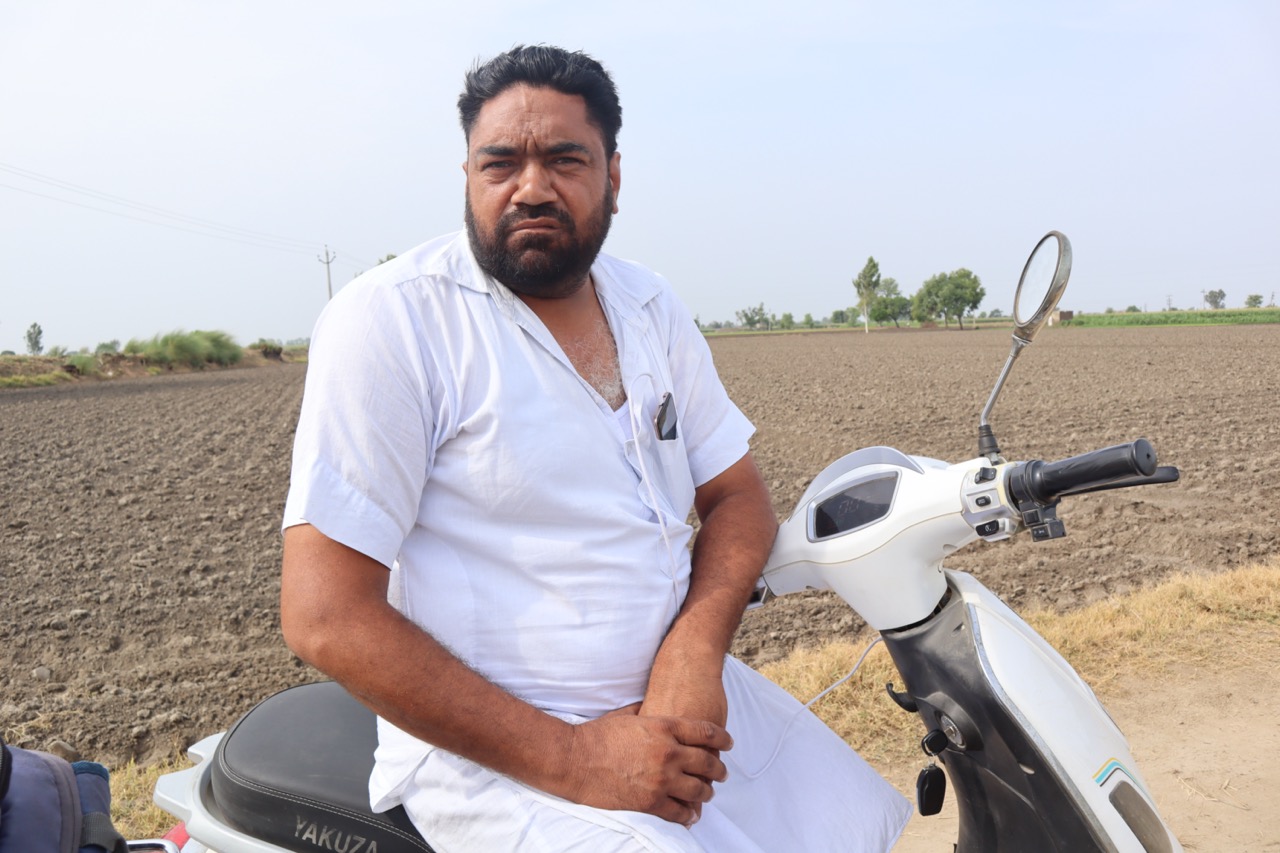
Farmer Balaur Singh of Gurri Sangar village owns four acres of land and has benefited from the new technique.
This is the third year that Balaur has used DSR to grow rice on his land, which he says has also helped increase yields. Initially, he applied the method to only half of his land for two years, wary of “gambling” on the yield. His crop initially faced weed infestation and rodent attacks since the fields were not flooded; but, over time, he and other farmers have managed the problem by using herbicides.
Besides, after pre-sowing irrigation, his field doesn’t require watering for 21 days. After that it needs to be watered weekly. But Balaur said: “The field still thrives without watering for a week.”
Direct seeding of rice saves 18-20% of irrigation water compared to traditional transplantation, according to the study ‘Agronomics and Economics Impacts of Direct Seeding of Rice in Punjab’.
Farmers are also drawn to the method as it saves them up to Rs 4,000 per acre by reducing labour needs from 10-12 person-days to just 2 person-days per acre. Add to this the state’s Rs 1,500 subsidy for DSR since 2022, and “we save up to Rs 5,500 per acre with the seeder machine, since we require fewer hands,” said farmer Gurpayal Singh.
But concerns are mounting as work shrinks on farms.
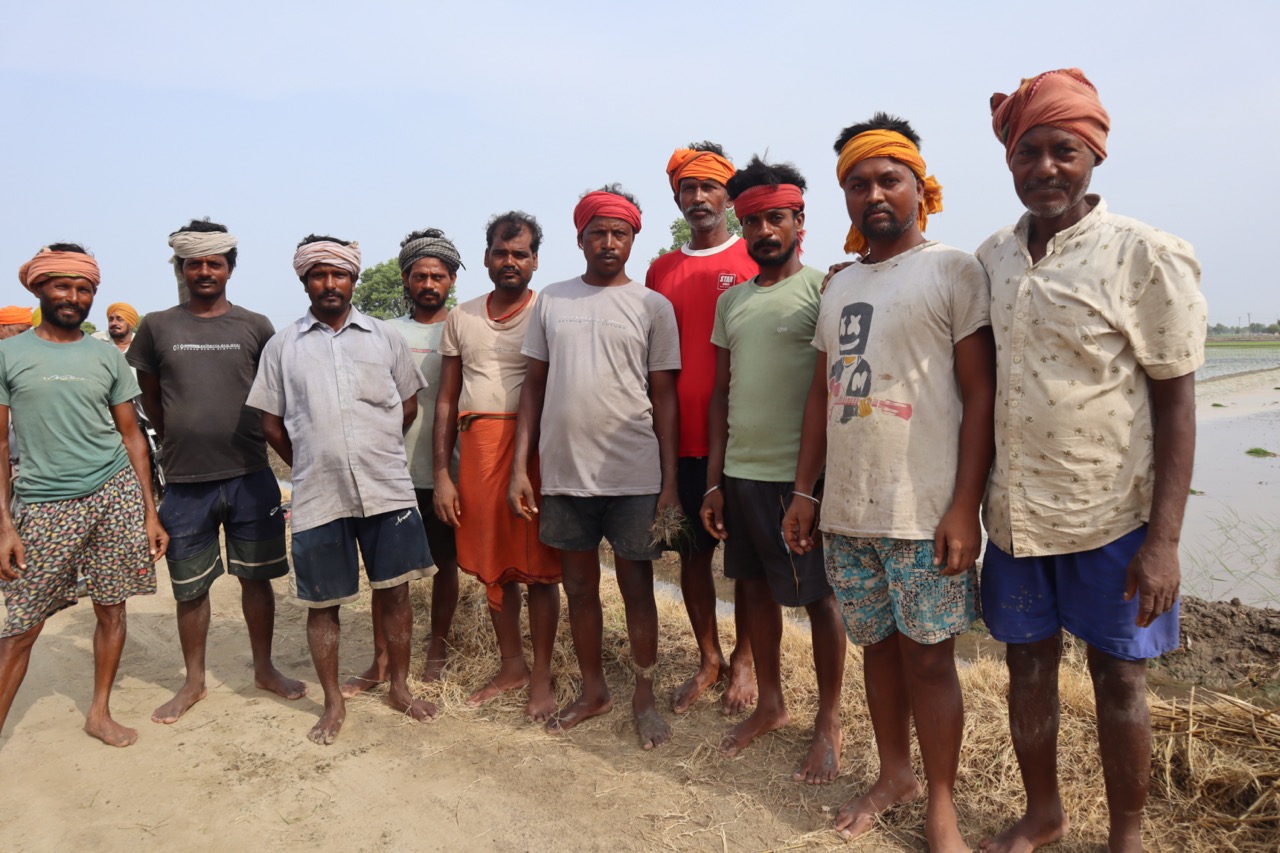
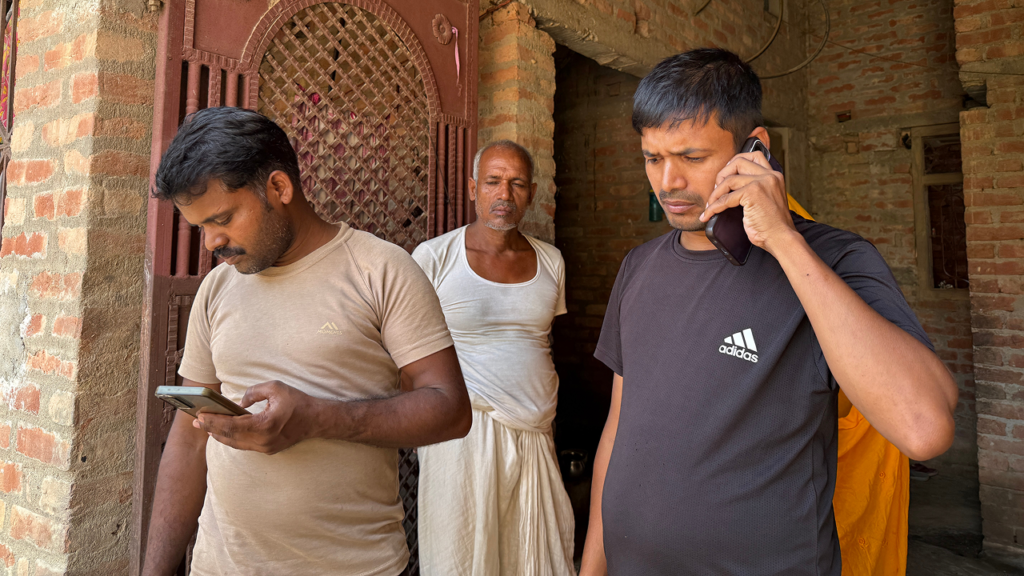
Over thirty kilometres from Gurri Sangar in Chibranwali village, migrant workers from Purnia in Bihar rued the long journeys they undertake on trains and buses for work, which was now increasingly unpredictable.
“We come here to earn a living, to support our families. Floods devastate our fields every year during the monsoon season back home. Besides, there are no jobs in Bihar,” said Mohammad Rashid, who has become a contractor, ensuring a steady supply of migrant labour to the farms in Punjab.
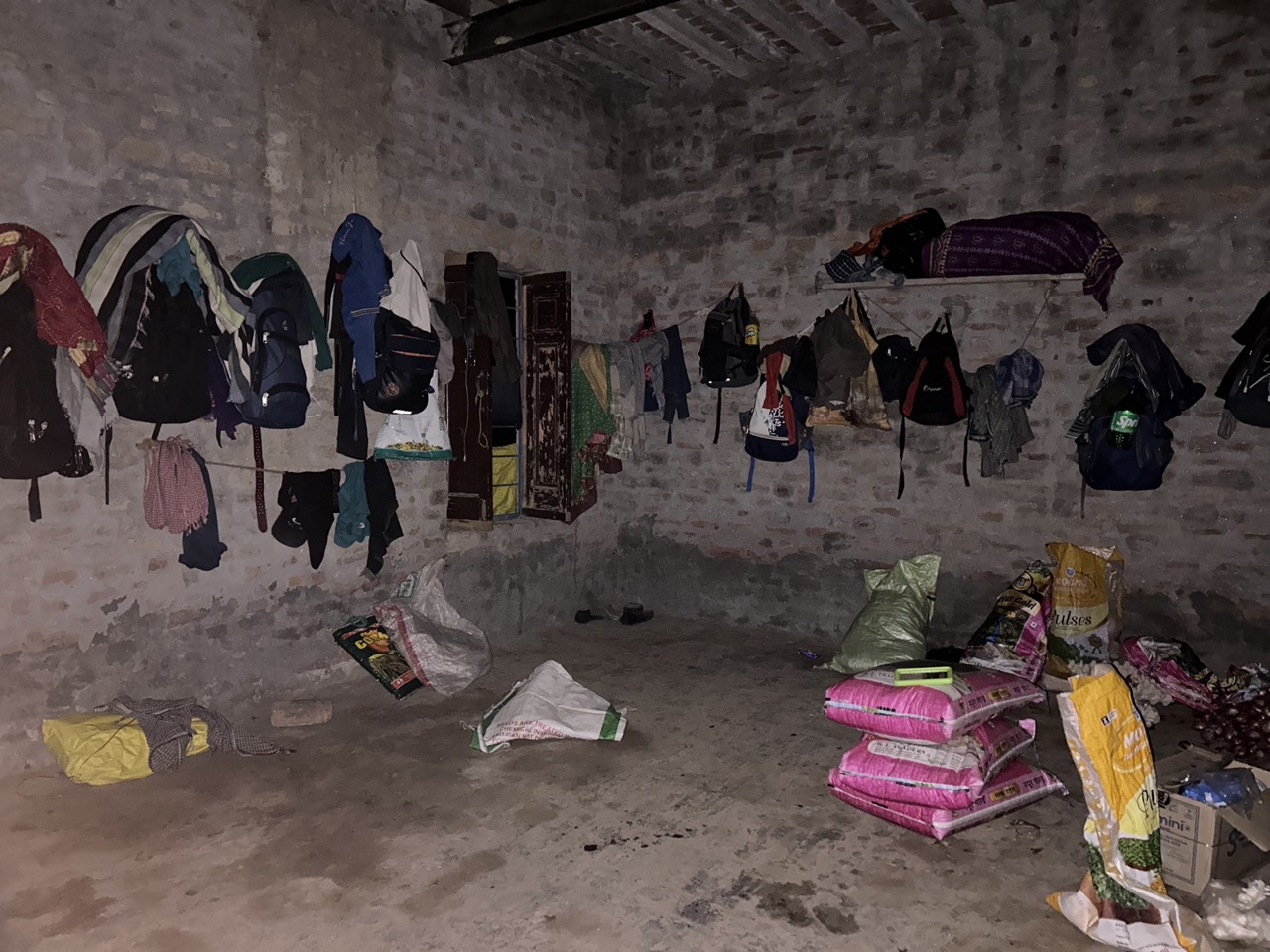
The migrants stay in the fan-less motor rooms – rooms where irrigation pumps and other farm equipment is stored – on the fields with a dim bulb the only source of light. During the sweltering summer months of June and July, many escape the oppressive heat by sleeping on the roof at night, and start work at 4.30am everyday, putting in 14-hour workdays.
“We used to work together in one village, but now we’re scattered across multiple nearby villages, toiling on smaller plots. All our time is spent moving from one village to another,” Rashid explained, reflecting on how the rise in Direct Seeding of Rice (DSR) has scattered the land they’ve tilled for decades.
The benefits of DSR notwithstanding, its adoption has raised serious concerns about job losses among farm labourers.
He suggested that non-rice cultivating regions in Punjab where cotton is traditionally grown can be revived with pest-resistant, organic cotton seeds, which would conserve water and create more jobs for farm labourers.
“The sudden shift towards DSR is displacing farm workers, both locals and migrants; this change is not merely an economic issue but also a profound social and humanitarian concern, since it could exacerbate food insecurity, increase poverty, and potentially push these communities into deeper cycles of debt. The situation is even more serious for migrant labourers. Without immediate support, these workers face a bleak future,” he warned.
Outlining probable solutions, Harjeet further said, “The government must establish monitoring mechanisms, robust policy frameworks, and strengthen social safety nets like the rural employment guarantee scheme to provide immediate relief and alternative employment opportunities. This can be achieved through direct income support, reskilling programs, and community-based employment initiatives.”
Farm workers said the problem of joblessness shouldn’t be theirs to solve alone.
“If the government is promoting direct seeding of rice among farmers, shouldn’t it also create alternative jobs for labourers like us who rely on transplantation work,” said farm worker Satnam Singh, 55, adding that unlike in the past when farmers eagerly sought them out for transplantation work, now workers were approaching them to seek work.
“The work has halved,” said Singh, as he worked on a farm in Nanakpura village with his son and daughter-in-law, the trio’s earnings feeding the family of six back home in Khunde Halal, an adjoining village to Nanakpura. “If the farmer here owns 20 acres of land, then he is directly sowing rice on 10 acres and getting the other half transplanted,” he said.
To make ends meet, Satnam and his son and daughter-in-law travelled 25 kilometres on a motorcycle to Balamgarh in early June to seek work, settling for a much lower rate, the demand-supply economics skewed against workers.
The Migration Story attempted to reach Punjab’s agriculture minister Gurmeet Singh Khudian for comments on potential support measures for affected labourers. Although he agreed to speak initially, he was unavailable when we followed up. This story will be updated when he responds.
While DSR is being presented as a cost-effective, labour saving and environment friendly option by the government, agricultural universities and other bodies, there are concerns as well.
Food policy analyst Devinder Sharma called the DSR as “a ploy to sell seeder machines and to massively increase demand for herbicides”.
He said that agricultural policies are often devised to benefit the industry at the cost of farmers and farm workers. “Whether it is ground water depletion or chemical toxicity or loss of soil nutrients or crop waste burning, almost all the problems we associate with agriculture in Punjab today are the result of some policy in the past that was imposed on farmers. Every single time, it was done in the name of productivity and so on, but was actually meant to serve industry – the makers of tractors, fertilisers, pesticides etc – and the nexus surrounding them,” he said.
UNCERTAIN FUTURE FOR MIGRANTS
Gursewak too has used the DSR method on nine acres out of the 36 acres of farmland he owns. In fact, he was planning to directly seed rice on all his land this year, when he received a call from the workers. “I gave away nearly Rs 100,000 over a phone conversation,” he said with a laugh, referring to the potential savings he forfeited by employing Shivpujan’s group for transplantation this year, at Rs 3,500 per acre.
Meanwhile, Gursewak has made it clear to the workers that he cannot afford such generosity always, and has informed them of his decision to use DSR on all his land from next year onwards. He acknowledged that workers like Shivpujan’s group will eventually lose out on transplantation work in Punjab. “They might consider migrating to other big cities such as Mumbai for work opportunities,” he said. “Ultimately, it is the responsibility of the government to create jobs for them,” Gursewak added.
Sanskriti Talwar is an independent journalist based in New Delhi. She reports on human rights, gender, sustainability and rural issues from the northern regions of India. She is a mentee of the Thomson Reuters Foundation’s Just Transition reporting programme.
Edited by Sajai Jose
Click here for