CHENNAI, Tamil Nadu: A day before she boarded a train at the Chennai Central station to head back home to Odisha, Jajanika Jaunja heard about the death of her 19-year-old cousin. She had waited anxiously for five days hoping her cousin would recover from the ammonia gas poisoning at a seafood processing factory in Tiruvallur district, about 30 km from Chennai, where they worked and lived.
“I am leaving. I was told my sister died yesterday,” she told The Migration Story. “I don’t know what we will do. My cousin’s mother will scold me for having returned without her.”
The 20-year-old had left her home in Odisha’s Keonjhar district with two of her cousins and started work at the processing factory just four months ago. They were among the 200 odd migrant workers from Odisha, Jharkhand and Assam employed at M/s St. Peter & Paul Seafoods Exports Private Limited – the site of one of the worst ammonia gas leak incidents in Tamil Nadu that claimed 16 lives.
On June 21, at around 10 am, Jajanika and 10 other workers had gone to the canteen after their night shift. The canteen was located 20 metres from their room. Her younger cousin Deepanjali was in the women worker’s residence quarters located adjacent to the ammonia gas pipeline.
When the lethal ammonia gas leaked a little later, no warning alarms went off at the factory or the residences, recalled Jajanika. The women in the residences reportedly started vomiting and bleeding.
“Nobody was allowed to return to the rooms once word about the leak spread,” said Sushil Juanja, Jajanika and Deepanjali’s elder cousin. “Everyone was hustled out onto the road in front of the factory.”
Those who were working inside the plant at the time, like Jajanika’s older sister, were also able to run out quickly when they were asked to leave. Since the male workers’ residences were about 300 metres away from the factory, they were not as severely affected by the leak as the women.
But women in the residence quarters were worst affected. Deepanjali was one of the many young girls who was hospitalized.
At the time of reporting, 16 young women have died, many are still hospitalized, with many critical. Workers were admitted in different hospitals across the Greater Chennai area, making it difficult for co-workers or family to meet them or track their recovery.
“We are really fearful for those in the hospital. All the girls are crying,” Jajanika told The Migration Story, a few days before she learnt about her cousin’s death. “Sushil was taken twice to meet Deepanjali in the hospital. Our families heard about the news on Instagram and they were crying, fearing the worst. I reassured them that we were doing okay.”
India’s seafood industry has expanded rapidly over the past decade, driven largely by shrimp exports. According to the Ministry of Commerce and Industry, India exported 1.78 million metric tonnes of seafood worth US$ 7.38 billion in 2023–24, the highest export volume on record, with frozen shrimp remaining the country’s biggest export commodity by both volume and value.
Despite this growth, the processing workforce that the industry relies on, remains largely invisible, labour rights campaigners say. According to a report by the International Labour Organization (ILO), shrimp processors estimate that women make up 70–80% of the workforce, of which 50% are migrants.
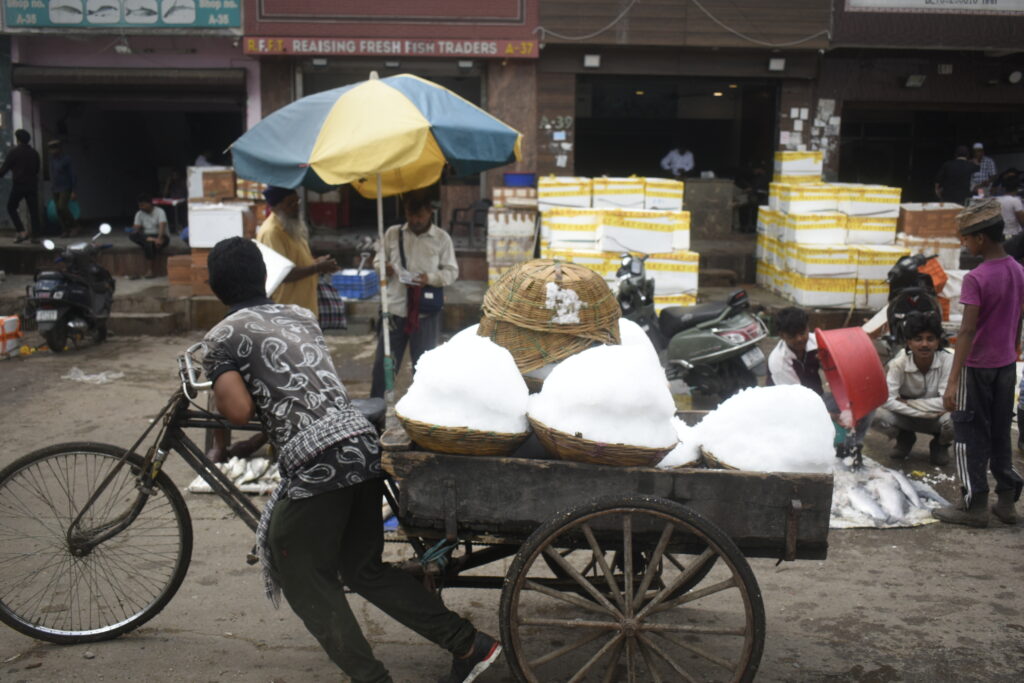
M/s St. Peter & Paul Seafoods Exports Private Limited was established about 15 years ago and employed many migrant workers at its Periyapalayam plant. The workers graded, cleaned and cut fish, octopus and shrimp, before freezing and packaging the produce. A bulk of this seafood was exported.
Most of the workers from Odisha were employed through a network of contractors and labour agents operating in their home states and Tamil Nadu, while others found the job through their friends and relatives. Many like Jajanika and her sisters belonged to the Juang adivasi community of Odisha, classified as a particularly vulnerable tribal group (PVTG).
“We’re seeing educated young women, even minors, from Odisha being recruited to work in shrimp and seafood processing units. They have little information about the market they’re entering and know nothing about the serious health hazards involved,” said Umi Daniel, Director, Migration & Education at non-profit Aide et Action.
“How are girls from particularly vulnerable communities like the Juang ending up in these units? The state has failed to identify and regulate recruiters operating in such remote villages,” said Daniel. “Despite the Juang Development Agency and micro-projects working for over 30 years, migration remains rampant. These micro-projects have failed miserably—there has been no meaningful skill development.”
Jajanika dropped out of school after class 10 and decided to support her mother and younger siblings after her father’s death. Her mother worked at the Anganwadi. The family had mortgaged the small piece of land they owned in the village because of the loans her father had taken before his death.
“There was frequently no food at home, and we had nothing to do in the village,” Jajanika said.
She and her cousins had never met the contractor who hired them. They had gotten to know of the work through their cousin Sushil, who had previously spent three years working at the same factory and travelled with him to Tiruvallur.
A working paper by the Centre for Education and Communication (CEC) on migrant women workers in India’s fish processing industry found that processing work across much of the country is performed almost entirely by migrant women from fishing communities or landless agricultural labour households with little prior exposure to industrial employment.
They are recruited through contractors, who often retain considerable control over both their work and personal lives. Multiple investigations have also documented how their socio-economic vulnerabilities translate into labour exploitation with workers being paid poorly, working long hours and living in abysmal conditions.
Corporate Accountability Lab‘s Hidden Harvest report further highlights that very few workers have employment contracts, pay slips, or official relationships with their employers. This lack of formality is especially clear in the processing sector, where companies rarely provide their employees with contracts, timesheets, or pay slips, and workers have no access to formal logs of working hours – if they exist. Workers often receive below the minimum wage and do not receive benefits that they are entitled to.
It documents widespread concerns including debt bondage through recruitment loans, absence of formal contracts, hazardous working conditions, excessive working hours, overcrowded employer-controlled housing, restrictions on workers’ movement, verbal abuse, gender discrimination and sexual harassment, alongside reports of child labour in some processing facilities.
Many of these labour violations were rampant at the processing unit in Periyapalayam also, labour rights campaigners said.
Jajanika worked in the ‘setting stage’, where the produce is heated at low temperature before freezing, of the processing unit. Like others, she worked 12 hour shifts, alternating between a day shift (from 9 am to 9 pm) and a night shift (from 9 pm – 9 am). Workers who spoke to The Migration Story, said that while switching from night to day shifts, they got a day off, but while switching from day to night they would work a double shift, which meant working for 24-hours.
They were paid between 13,000 and 15,000 Indian rupees, with some claiming they were not paid overtime or other allowances. Jajanika said she ended up getting between 10,000 to 12,000 rupees every month after deductions for the couple of days she typically took off in a month. A substantial part of her salary, 8,000 rupees, went towards repaying the loan her father had taken, and she hoped the job would help her get the land back.
Labour rights campaigners allege that many workers at the processing plant were adolescents and one of the dead workers was just 15 years old. They add that none of the workers had any social security cover or a record on the E-Shram portal, a government initiative to register migrant workers.
Many workers also said that their Aadhar cards were sometimes kept with the contractors and in some instances young women workers were registered under different names than their given names, workers said. Deepanjali for instance was called Pinky at the factory, her sister said, unsure about why this was being done.
“There were a lot of adolescents employed at the plant, who were between 14-18 years. Most of them had worked there for a year or less,” said Roseann Rajan, an advocate at the Madras High Court, who was part of an inquiry committee that spoke to workers to verify if there were instances of bonded and child labour.
“The young workers said they were being paid as promised but added that their working hours were very long, with few breaks and sometimes overtime. The company was in violation of juvenile justice and child labour norms for sure. The district child protection officer has filed a complaint to this effect at the Periyapalayam police station already.”
Multiple investigations have been ordered into the incident by the Tamil Nadu state government and women’s commission. Two people from the company have been arrested by the police so far. The National Human Rights Commission has also registered a complaint.
There has been no official communication from the management of the processing unit and the police have said that two people from the senior management have been arrested so far.
LETHAL LEAKS, LITTLE PROTECTION
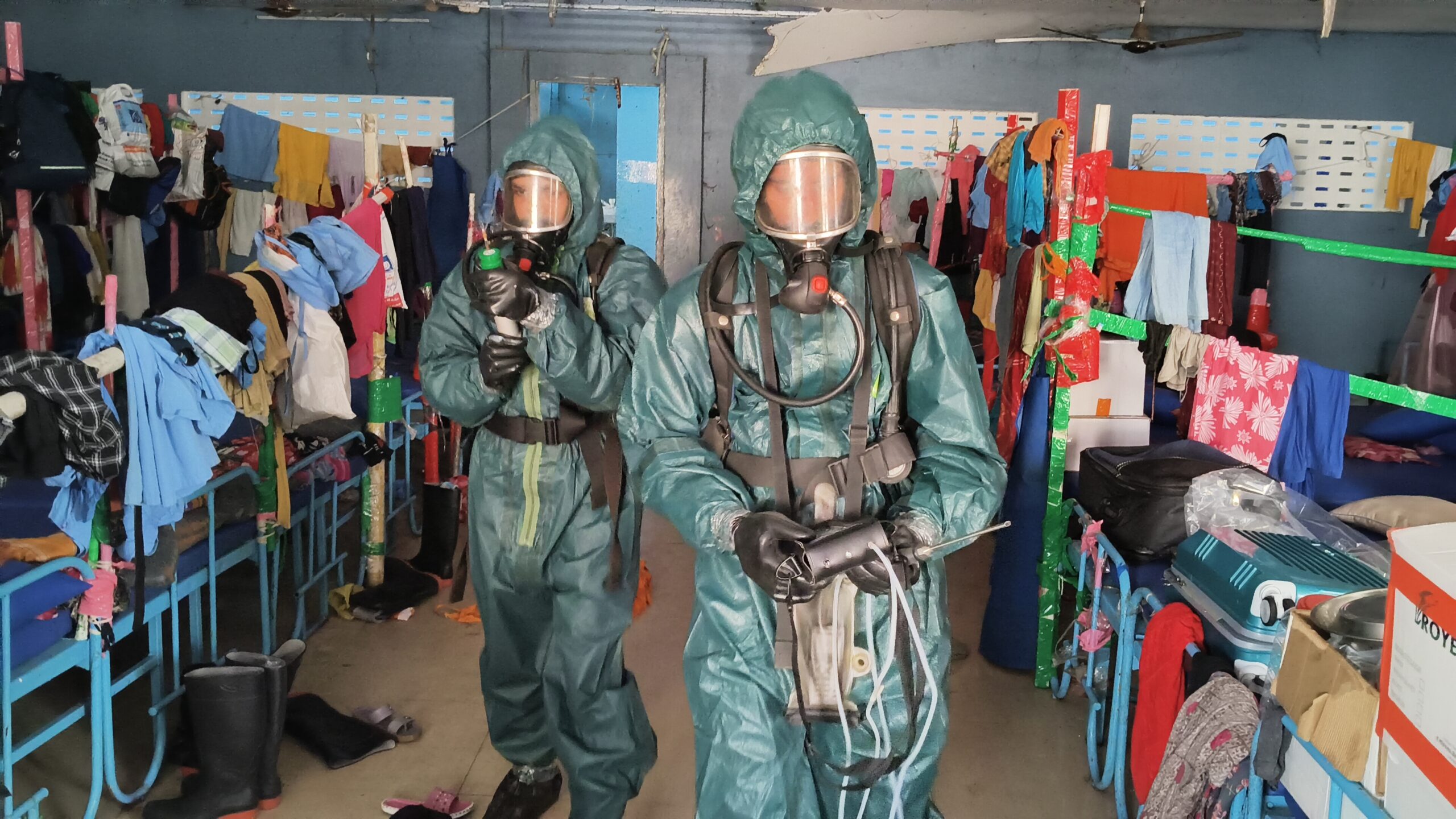
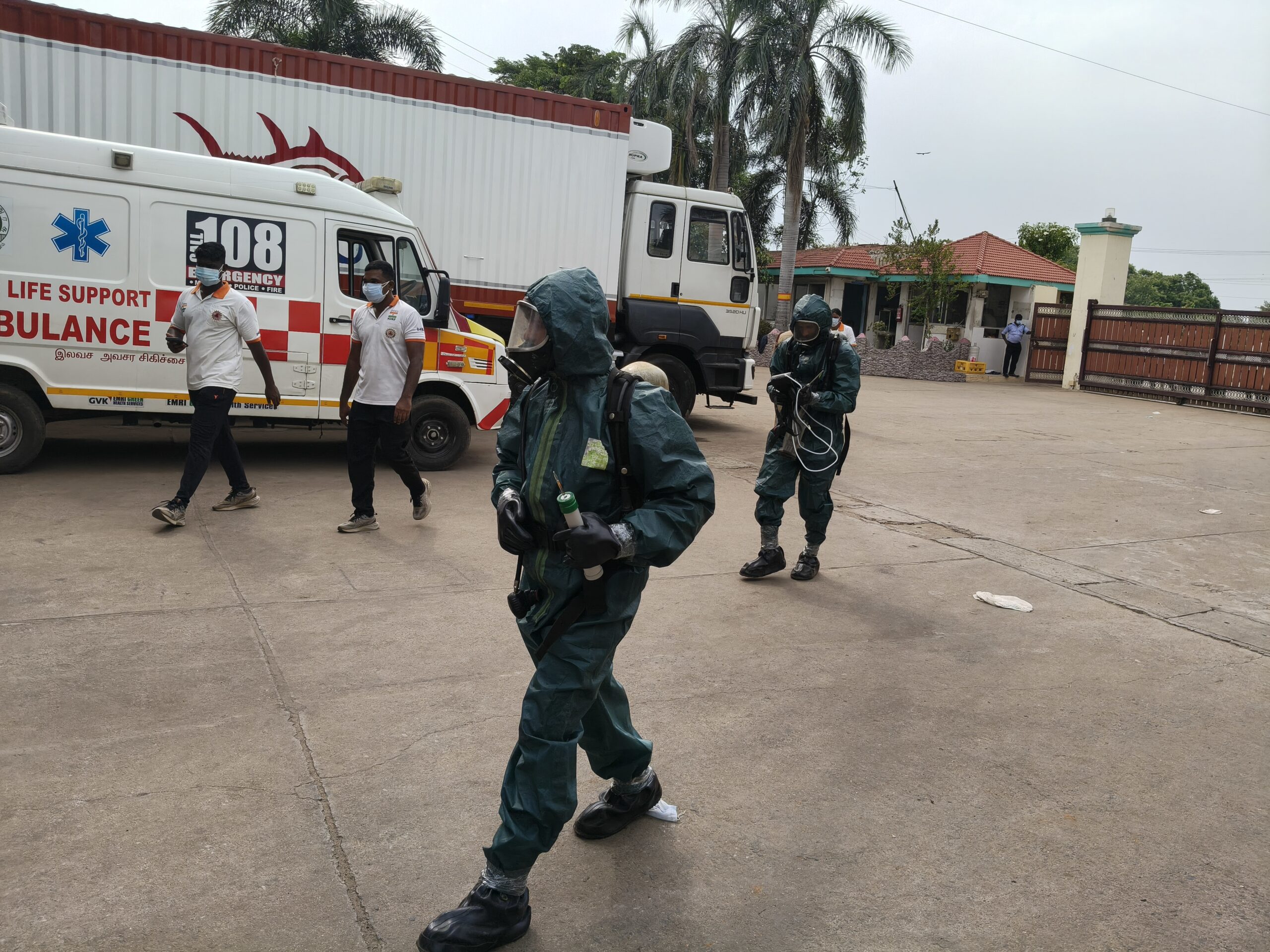
Ammonia (NH3) is a widely used industrial refrigerant in seafood cold storages and processing plants as it is cost-effective and effective for freezing produce that has to be exported. However even moderate exposures to the highly toxic and corrosive gas irritates the eyes, skin and respiratory tract, with high exposure triggering chemical burns.
On its website, M/s St. Peter & Paul Seafoods Exports Private Limited has listed all the approvals and compliance licences it has got, while mentioning its state-of-the-art facilities.
Despite being governed by these international and state-level regulations under which the plant is supposed to operate, many workers told The Migration Story that the plant regularly had leaks from its pipes of the lethal but ubiquitous cooling agent ammonia used for refrigaration. The issue had been raised on numerous occasions by residents of the village where the factory was located as the gas had travelled into their homes at times.
After leaks in an underwater pipe transporting liquid ammonia from a ship to the Coromandel International Limited fertilizer plant in Ennore, on the outskirts of Chennai, two years ago, the Directorate of Industrial and Safety Health (DISH) had released a series of guidelines for all plants using ammonia.
Recommendations from DISH included provision of adequate ammonia sensors in the plant and surrounding areas for early warning, along with water-curtain systems linked to ammonia alarms and fire-water nozzles for ammonia feed pumps to reduce the impact of leaks.
Media reports state that the seafood processing factory had not followed the norms. Workers said that they were not given any information on the hazards at their workplace.
“The people who got hurt were the new people, they did not know about these blasts,” said Sushil. “The older people like us had heard blasts and had smelt leaks previously. But we were never given any safety training or education on ammonia gas leaks.”
According to labour lawyer and researcher M Shreela such incidents are not isolated, pointing to increasing instances of fires and accidents in labour colonies and informal settlements where workers reside in bulk.
“Frequently they do not reside apart from their work, they also live where they work. The lines are blurred between living and workspaces,” Shreela said.
“A century or so back the workplace was notionally extended so that workplace injury compensation would cover injuries suffered during transportation to and from the workplace. However, workplace compensation and insurance laws remain ossified since then, and do not cover living spaces. Hazard prevention laws amended after the Bhopal disaster are thrown to the wind. This legal vacuum and wilful enforcement failure have clearly proven a deadly cocktail.”
In a statement, the World Forum for Fisher People, a social movement of small-scale fisher people from across the world, has said that the incident was a stark warning on the occupational dangers in the global seafood supply chain.
“This preventable tragedy in Tamil Nadu is a painful reminder that the industrial model of seafood production endangers people at every stage — from the sea to the plate. Fisher communities worldwide will continue to resist exploitation and demand a just transition. A transition that values human dignity, protects the environment and ensures that the benefits of the ocean’s bounty reach those who sustain it,” the statement said.
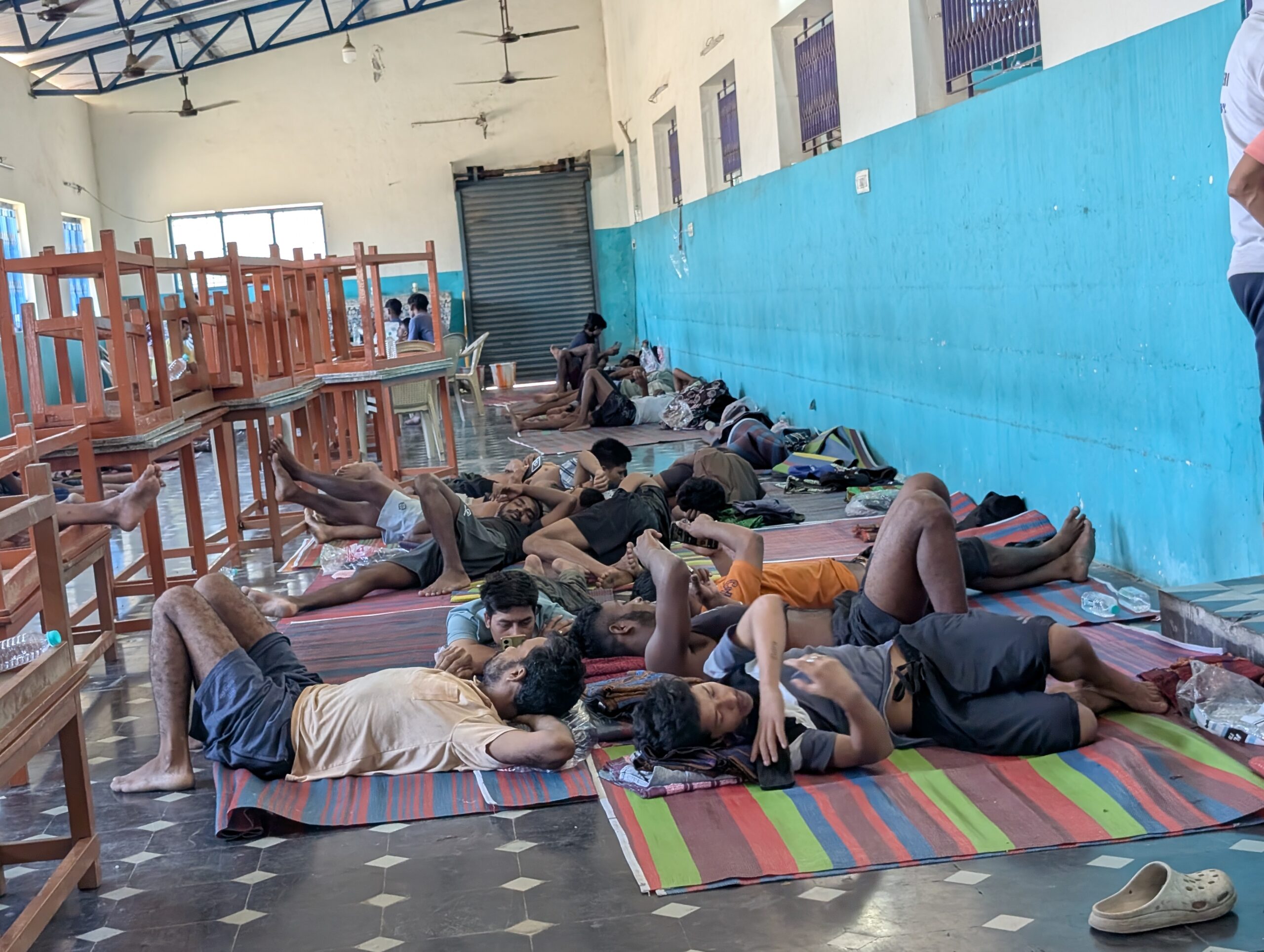
After the gas leak, the workers who had survived were moved to the MNS Mandapam, a marriage hall about 10 km from the factory site. Many said they were very anxious as there was no clear information given to them about their co-workers and there were restrictions on them leaving the place.
A senior company representative visited the Mandapam on June 24-25, and the workers were told they would be sent back to their homes. Some workers wrote down and presented their demands for being provided better accommodation and permissions to meet their relatives in hospital.
“We will do our best to not return to Odisha right now. Those who do not have relatives in the hospital can go. But I get three calls an hour from people in Odisha checking on their family members, I cannot leave,” Sushil said.
Both requests were dismissed by the company, and workers, including Sushil, were instead taken to the Chennai Central station the next day. A large number of workers, particularly those from Odisha, have been sent back to their villages, regardless of whether they had relatives who were still in critical condition in the hospitals.
Labour right campaginers who are in touch with the workers added that since the Odisha government had been pro-active, their workers were being sent home. In the case of workers from Jharkhand and other states, there was no clarity on whether they would continue to stay at the marriage hall or be sent home.
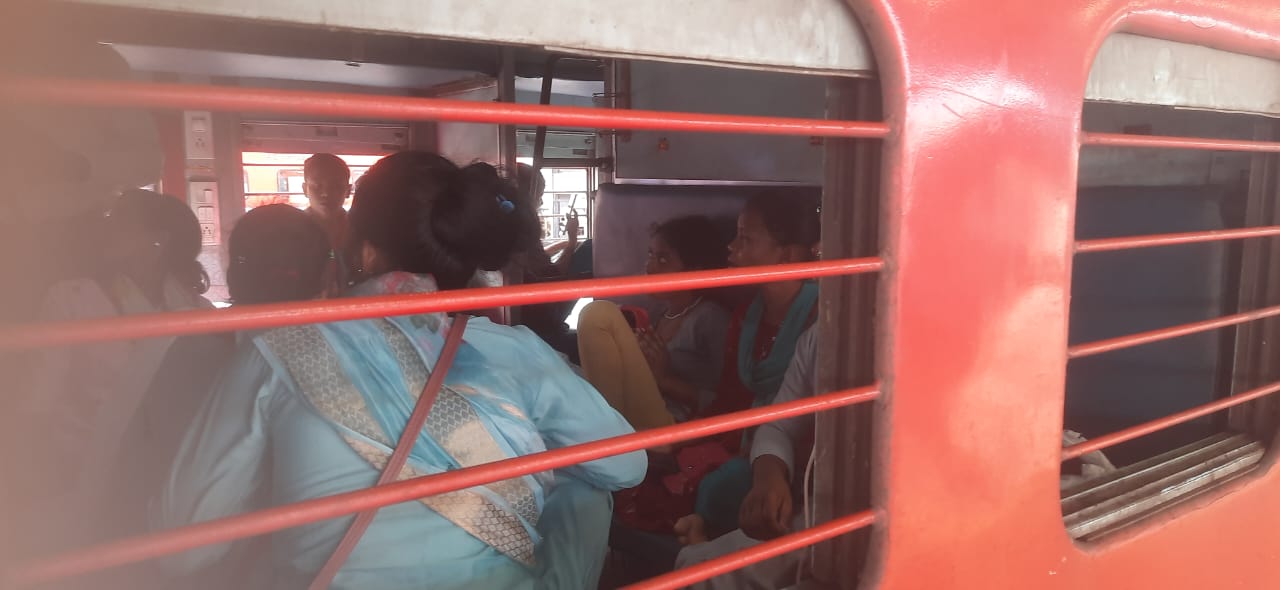
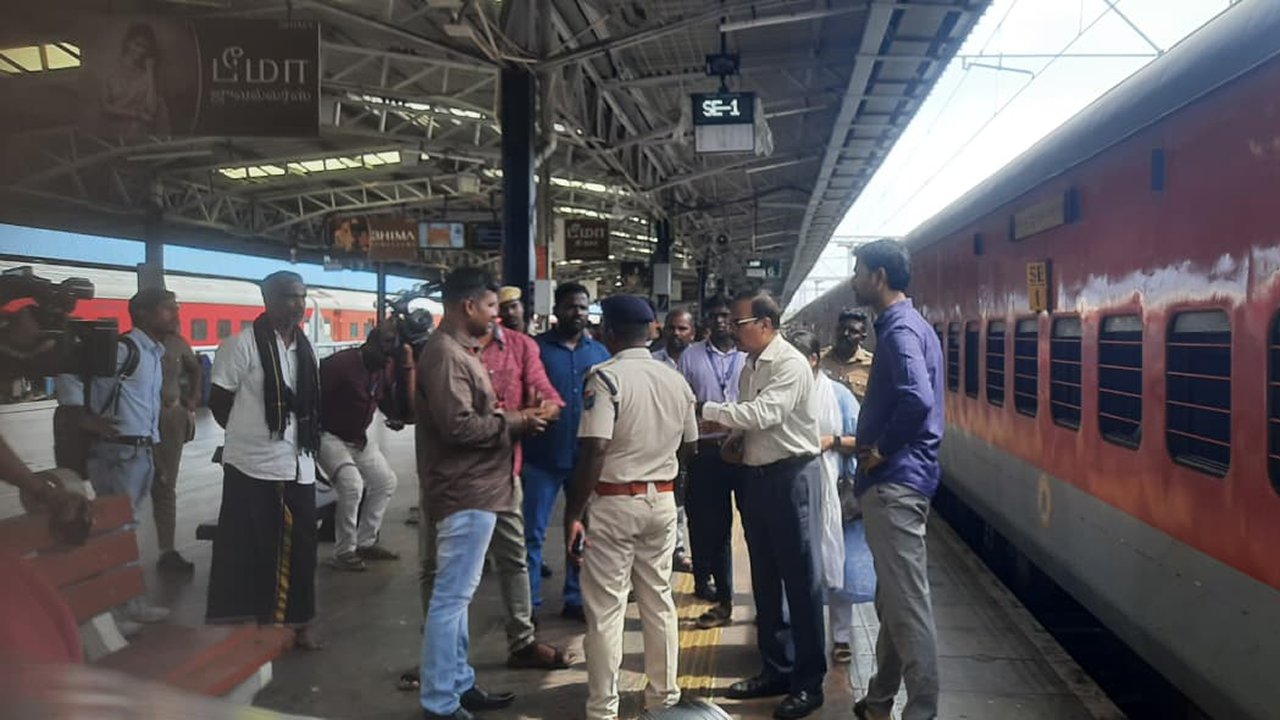
At Chennai’s Central station, officials from Odisha, as well as from the Tamil Nadu Disaster Management and Labour Welfare Departments, ticked off names from their lists on platform six and accompanied workers to the train. Workers were handed a plastic sack with essentials and shepherded onto a special bogey on the train.
Some of the workers who interacted with The Migration Story said that they wanted to remain in Chennai but did not know if they could disembark the train with so many officials around them.
Later that night, on board the train, the workers heard that co-worker Buduwari Naik had died in a Chennai hospital. Her husband, Ashok, was travelling on the train.
Speaking to The Migration Story over the phone from the train, 22-year-old Sumanto Juang said that his wife Sima was also in hospital and he felt terrible about leaving her and returning home. “How could they not let us be with our family? How could they force us to return?” he asked.
Additional reporting by Aishwarya Mohanty
Sara Abraham is a sociologist, a former lawyer and member of Samarthan, a collective working with migrant workers