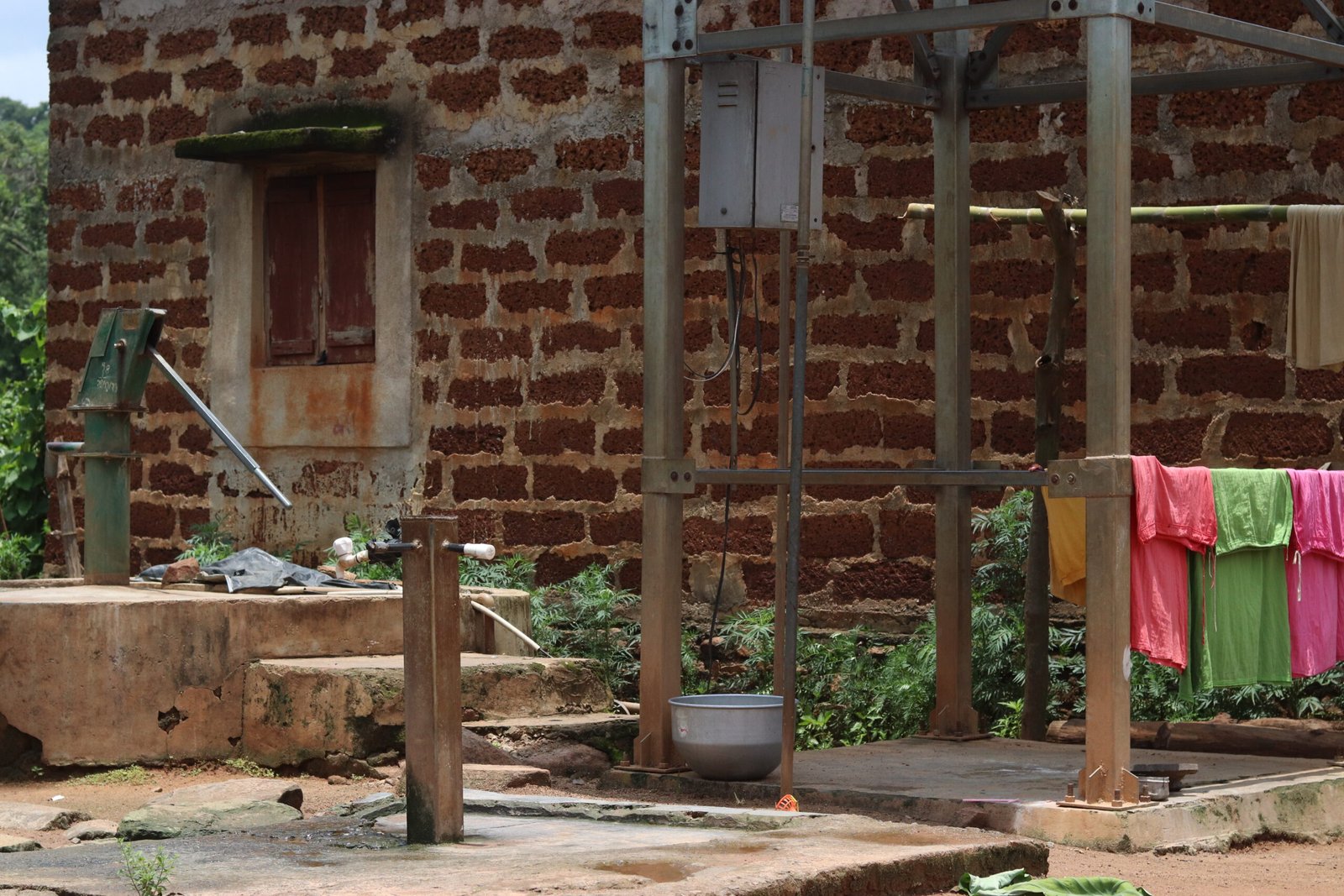
NAYAGARH, Odisha: A water tap sits in the heart of Kampala, a tiny village of 16 households, under Kaptapalli gram panchayat, in the eastern Indian state of Odisha. Men, women and children use this tap to collect water to cook, wash and bathe, and until recently to also gauge the groundwater level in this water-scarce village.
The tap, apart from being the only water source in peak summer when nearby ponds and wells dry up, for years served as an indicator of the groundwater level with villagers estimating available water for them to draw from the water colour: clear water indicating a healthy level while murky water signalling the level had plummeted.
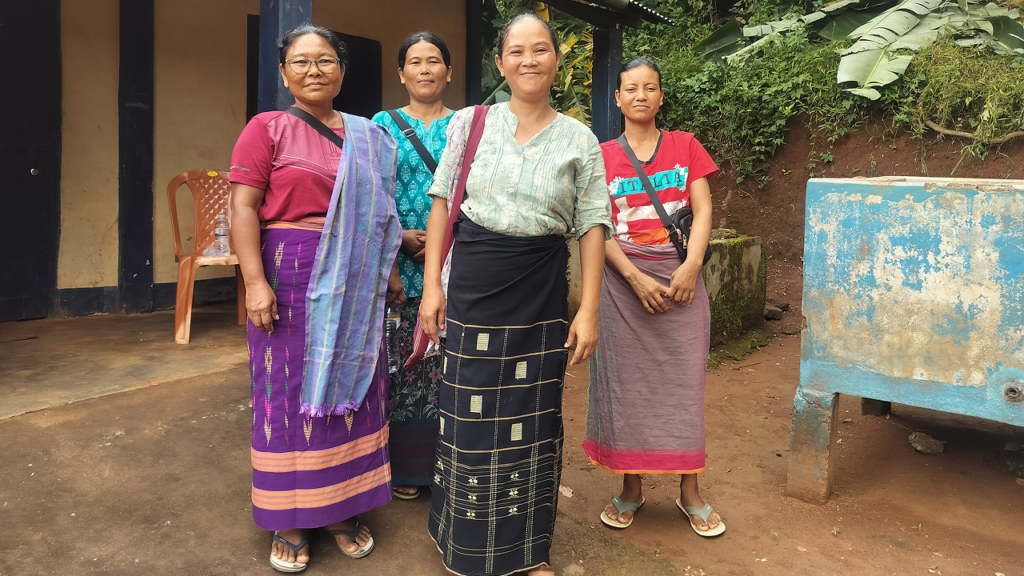
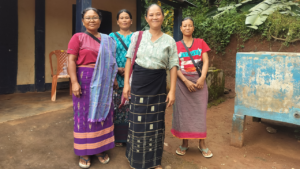
“During summers, when we need water the most, the tap water starts turning brown because its level under the ground reduces,” said Sushma Jani, 40, standing beside the community tap on an overcast August morning, her village dry even as the rest of the state was recording heavy rains.
“When we cook using the same water, it tastes rusty on the tongue. We don’t like the food we cook during summer,” she told The Migration Story.
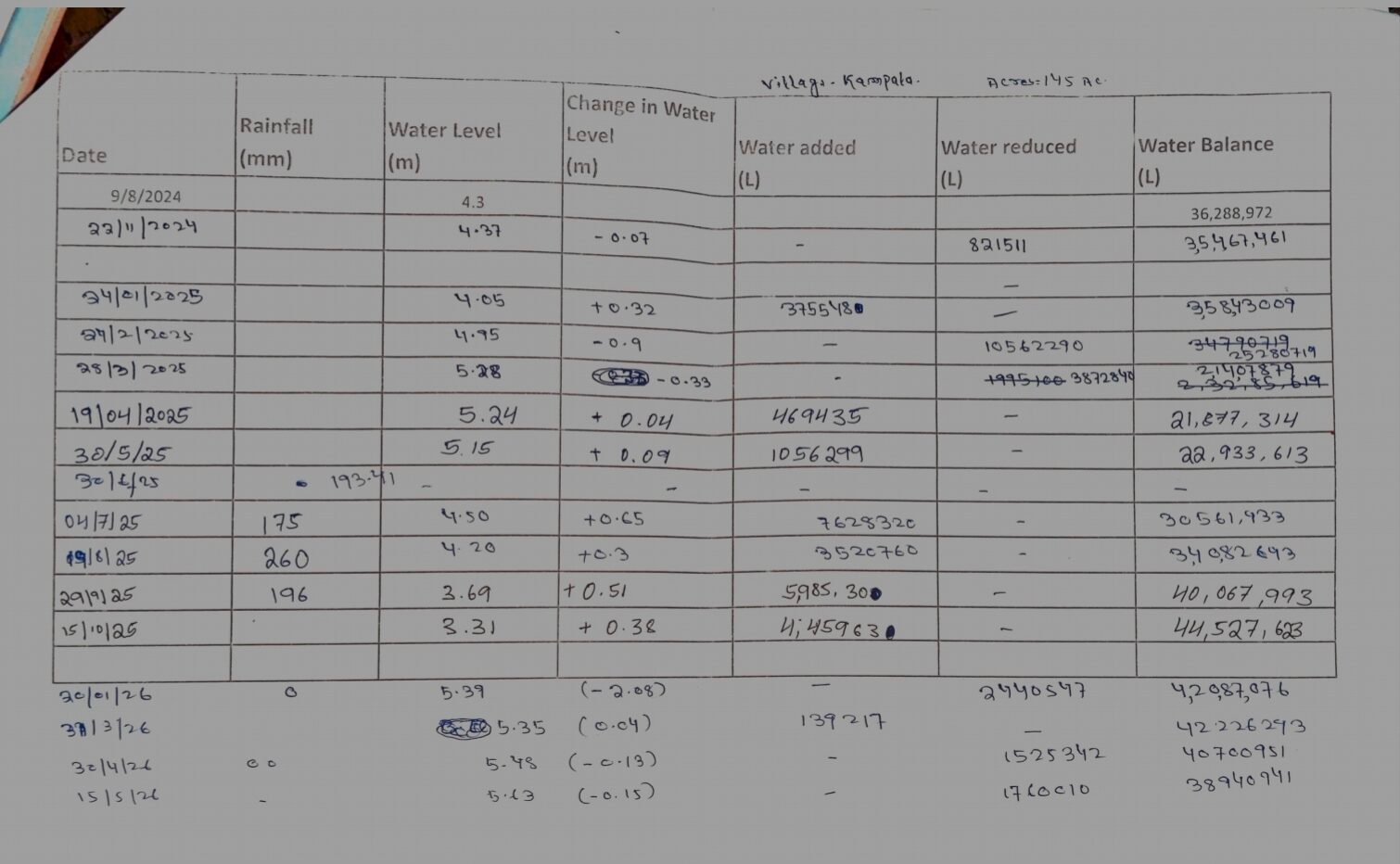
But this morning, clear water gushed from the tap, the risk of murky water on the tap now tackled by the ‘water passbook’ system Kampala adopted two years ago. The simple ledger with numbers handwritten in ink shows the water balance, based on which the village calculates how much is safe for households to draw.
Now, they know how much water is available, and how quickly they are using it. They record the rainfall received and the rise in the groundwater level in the passbook. The passbook is a plain A4 sized paper with jottings on the groundwater level for every month, the water balance calculated at the end.
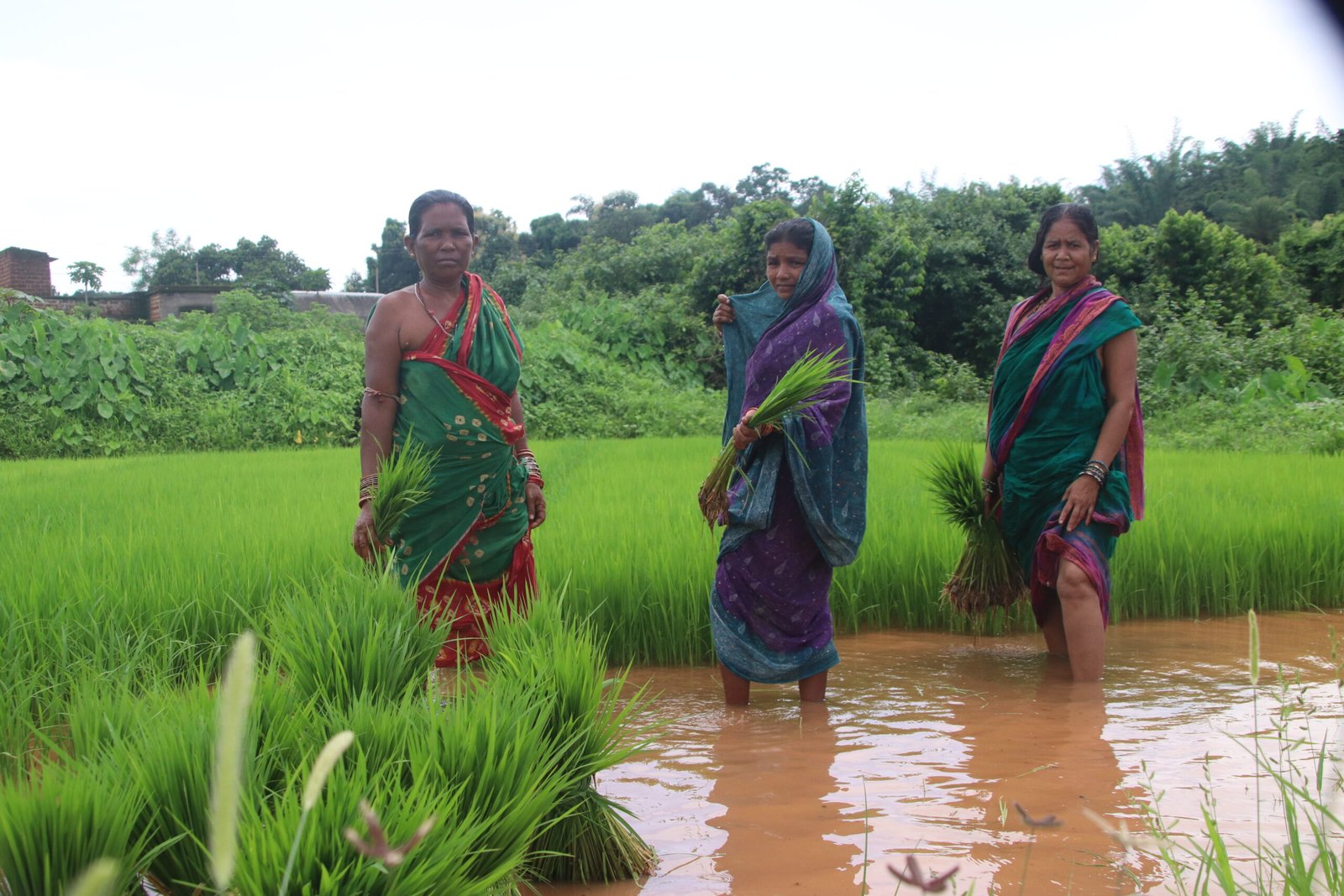
Based on the water availability calculations, households such as Sushma’s started growing vegetables as opposed to devoting the entire farmland to the more water-intensive paddy.
Besides that they also ensure that they use water judiciously for domestic purposes like cooking, washing clothes etc.
Kampala, nestled in lush forests and hills, is located in Odisha’s Nayagarh district, about 100 kms from the state capital of Bhubaneshwar. Local officials here said that Kampala’s interior location, and the surrounding hilly terrain had made it one of the more water-scarce villages in the district. The region where Kampala is located also receives less rainfall. In the first half of August, it received only a third of the average rainfall the entire state received in the first half of August, as per data from the Indian Meteorological Department (IMD).
On this humid, warm, overcast August morning, villagers said it hadn’t rained in two days, in contrast to many parts of the state where heavy rainfall led to swollen rivers and flooding.
Locals almost habitually glance towards the sky while speaking – to check if the rain clouds would relent.
So the initiative to conserve groundwater so it lasts them through the year was widely accepted, even treasured.
The villagers here keep all important village council documents such as land records, electricity bills among others in a small tin box. The water passbook is now the latest document to be stored carefully in the tiny locker, a part of a larger village-level effort in Nayagarh to treat water as a shared common resource rather than an unlimited one.
The water passbook has entries for every month starting November 2024, when the water level was recorded at 4.3 metres. By May 2026, it had risen to 5.63 metres – which villagers credited to rationalised water usage.
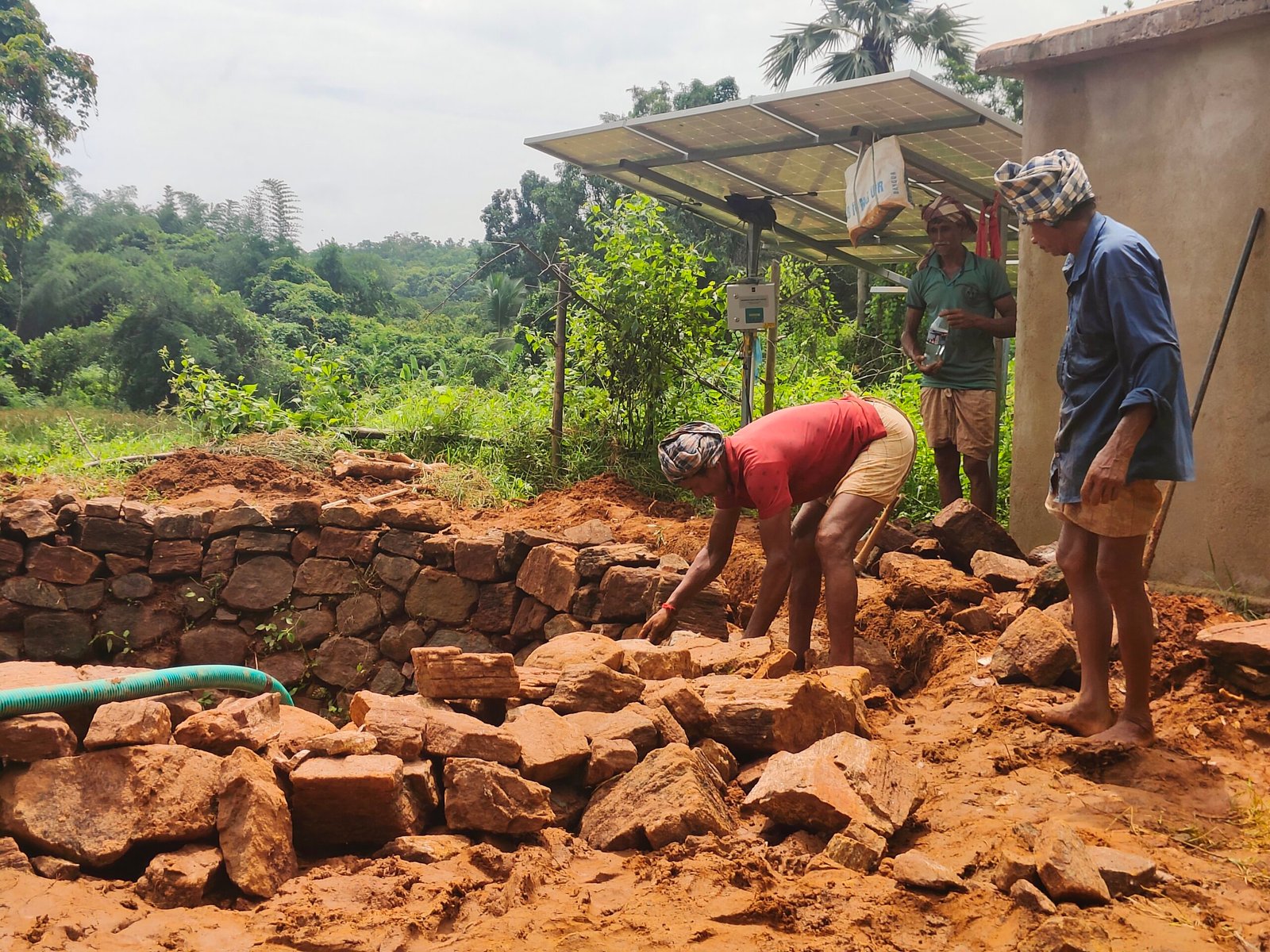
Kampala has two underground water sources, or aquifers, spread across 145 acres. Together, they can hold about 86 million litres of water.
Referring to the ‘water balance’ of 38 million litres in the passbook, locals said the groundwater level had improved in the past year.
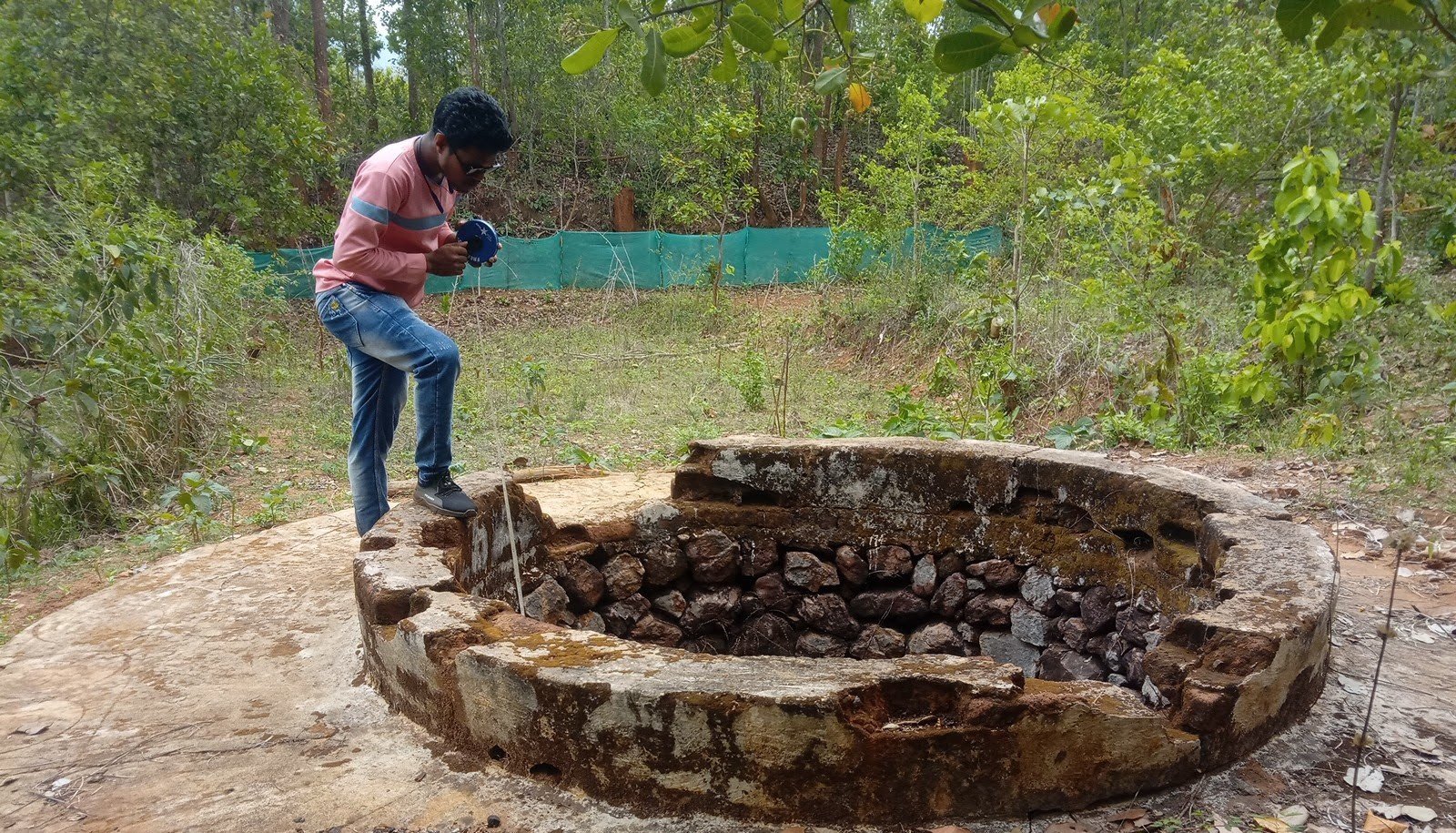
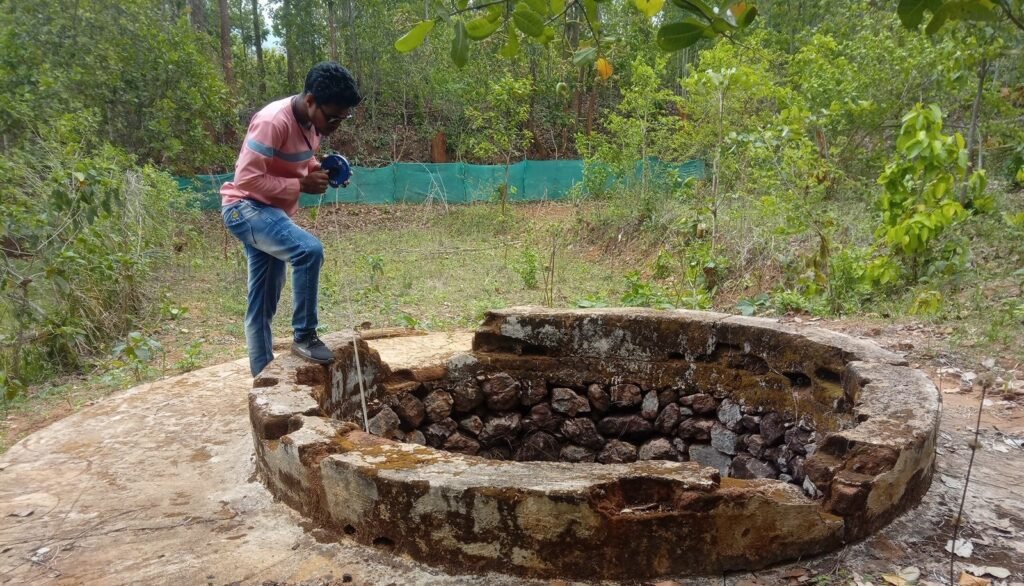
Over the past two years, Kampala’s villagers measure the groundwater level by tying a stone to the end of a measuring tape and slowly lowering it into a well or borewell.
As soon as the stone touches the surface of the water, the sound of the splash acts as an alert. The person holding the tape – mostly volunteers who are called ‘Jal Bandhu’ or friends of water – puts a line on it with a marker pen. The tape is then lowered further until the stone touches the bottom, giving the total depth of the well or borewell.
By comparing this mark with the reading on the tape at the top of the well, villagers calculate how far below the top of the well the groundwater is.
There are five small sized ponds around Kampala. By summer, four of them usually dry up. The fifth retains water but is far from the settlement, villagers said.
“We do not understand terminologies like aquifers, groundwater level, change in water level a lot. But we have gradually learned the idea of why we are undertaking the process,” said Sushma’s husband, Biranch, who migrated to different cities in Kerala and Andhra Pradesh for over two decades and worked at construction sites but has now returned to his farms.
“Like if I know I have 100 rupees in my bank account, I will spend accordingly and so will my family so that I can spend as required and also save some until and unless there is more cash flow,” he said, adding that he equated the same logic to the water passbook.
The most recent passbook entry from May 2026 showed a water balance of nearly 40 million litres. This would take care of the village’s needs for drinking, other household chores and farming, while trying to save for the winter season when the village can cultivate Rabi crops, villagers said.
“We understand how much water we have and how much we can collectively use per household so we have enough until it rains,” Biranch added.
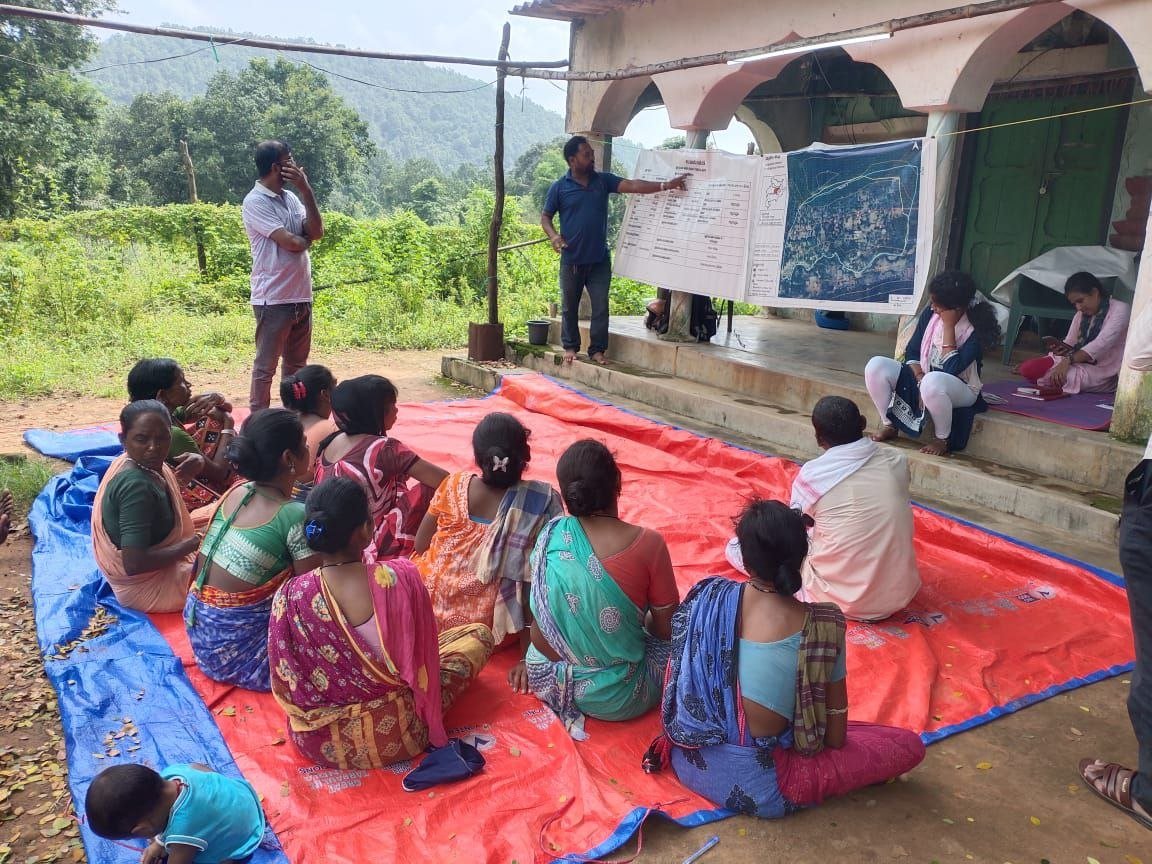
Measuring available water through maintaining a water passbook, is part of Odisha-based nonprofit Gram Vikas‘ Water Secure Gram Panchayat programme.
Kampala is among the nearly 70 villages in the region that have a water passbook now. Gram Vikas, which has been working with Odisha’s rural communities to manage their local resources better, has also created an inventory of water sources in nearly 1700 villages so far in the past five years.
As per the last available ground water report of 2020 by Central Ground Water Board (CGWB), the district has over 35,000 crore litres of annual extractable groundwater resource, with an annual extraction of nearly 40% of the existing groundwater.
According to a groundwater analysis for 30 years (1990 – 2020) published in Springer Nature Link, an online research platform, groundwater levels in Odisha show an overall declining trend, due to erratic rainfall and rising extraction rates.
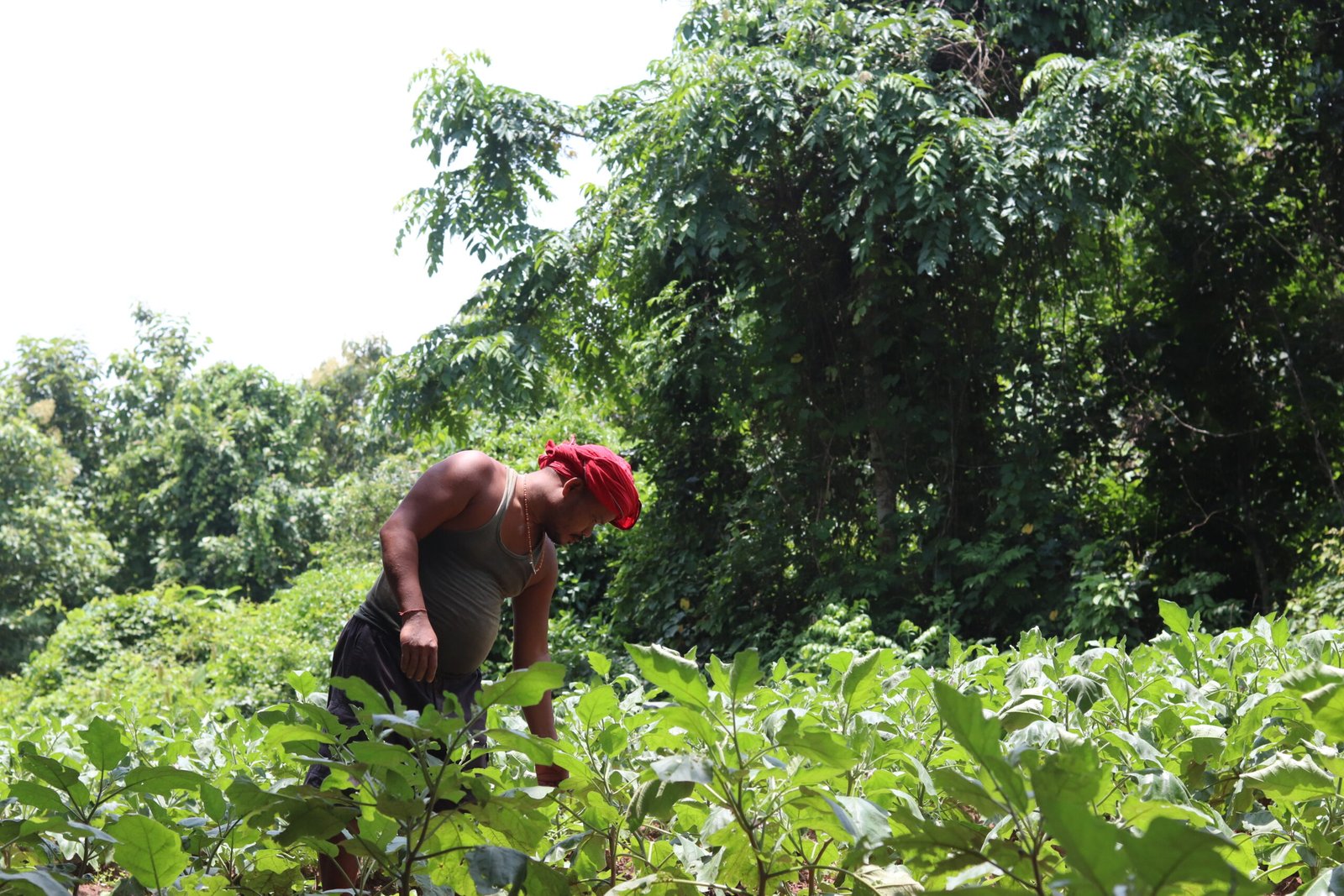
“In the last one year, there has been a slight increase in our groundwater levels. Last year for the first time, in over a decade and a half, we grew green gram on our land. We sold half the produce and kept the other half for our consumption. I started cultivating vegetables too – gourds, brinjals, cabbage and tomatoes. I do not go to the market much anymore,” Sushma said.
As part of the water passbook initiative, Kampala’s villagers now decide which crops to grow based on their water consumption. The Jal Bandhus offer them an easy data set: paddy requires 6166 cubic meters of water for one acre of land, while cabbage requires only 1000 cubic meters for the same land size or bitter gourd requires just 14 cubic metres of water.
So the decision becomes simpler, said villagers, who have started growing more vegetables than dedicating the entire farm to paddy.
Rohit Jani, 35 until two years ago migrated to Bengaluru and Ahmedabad in search of work.
“We never cared much about the water underground,” Rohit said. “The water on the surface would disappear, the ponds and wells would run dry, and we would be left with very little water for most of the year. The water would only return with the monsoon,” he said.
But even then most villagers grew paddy but after the passbook system took hold, households like his started growing vegetables. He grows brinjal on his farm measuring less than an acre, but is yielding enough for him to stay in the village.
“I manage to make around 10,000 to 15,000 rupees a month from the farm produce and some forest produce as well. Since I am now at home, we have more hands to collect forest produce like cashews and edible mushrooms as well, which we can sell and also consume,” Rohit said, adding that their food expenses have also come down as a portion of their plate comes from their farm or from within the village.
“A major part of the expenditure is on food and that we have curtailed with our farm produce. We also barter vegetables among ourselves. We grow our own paddy. So the dependence on the market has come down,” he added.
For a village dependent on groundwater for bathing, cooking, drinking, farming and also feeding livestock, a falling water table means there is less to go around.
“The groundwater level is measured in the village wells and the readings recorded every month. The measurements from different sources are then used to calculate the average water level, which is compared with the previous month to see whether the village’s water availability has increased or declined,” said Trinath Pradhan, thematic coordinator, water source sustainability programme, with Gram Vikas.
The ‘Jal Bandhus’ are trained by Gram Vikas to help create a water secure gram panchayat (village council). The Jal Bandhus are also trained to track the rainfall using a rain gauge.
Experts hail the initiative, but caution that its long-term success will depend on collective management and a broader understanding of how aquifers function.
“The only concern is what happens if the collective model ceases to exist,” said Rajan Panda, called the Water Man of Odisha and convenor at Water Initiatives Odisha, a state wide campaign seeking water security and sustainability.
“Groundwater does not follow village boundaries, and an aquifer’s water availability is influenced not only by extraction within a village but also by water use in surrounding areas. For instance, a large borewell dug in a neighbouring village could affect the same aquifer on which this village depends,” he added.
He said that the approach also needs to remain equity-based over the long term, ensuring that water remains available to all villagers and that its use does not become concentrated among a few households. Existing caste, class and social inequalities can sometimes influence who gets access to common resources, he noted.
And then there is the climate uncertainty.
Amid scant rainfall are spells of excessive rainfall during a shorter duration and more erratic rainfall patterns that are difficult for small farmers to cope with, said Anil Kumar Swain, who heads Nuagaon’s Krishi Vigyan Kendra, a state-run farmer support group.
“We are seeing changes in rainfall patterns, and these are not always easy to explain or analyse. Phenomena such as El Niño can influence rainfall, but the situation varies considerably from one location to another. For instance, despite the El Nino effect, in some parts of Nayagarh there has been heavy rainfall since June compared to others,” he said.
Due to limited agricultural activities, men migrated from the village to Kerala, Andhra Pradesh and Gujarat, most of them engaged as construction workers. They returned only during the monsoon or festivals.
During the years when Biranch migrated for work, he managed to send 8000 rupees back home after his own expenditures. “But managing the expenses was still a challenge and so was managing home all alone with the children. He longed more to be home and not migrate,” Sushma said.
Today, he is back home. Together, Sushma and Biranch manage their 1.5 acre land growing more than just paddy and ensuring income throughout the year.
Aishwarya Mohanty is Special Correspondent with The Migration Story.
The author has researched this story as part of the Promise of Commons Fellowship