NEEMUCH, Madhya Pradesh: Mantu Mahapatra and his elder brother packed up their bags late last month and boarded a packed train to travel hundreds of miles back to their home in eastern India after a shortage of cooking gas left them scrambling for food.
Mahapatra, who hails from Odisha state, worked with his brother in Surat in western Gujarat state, India’s bustling diamond and textile hub.
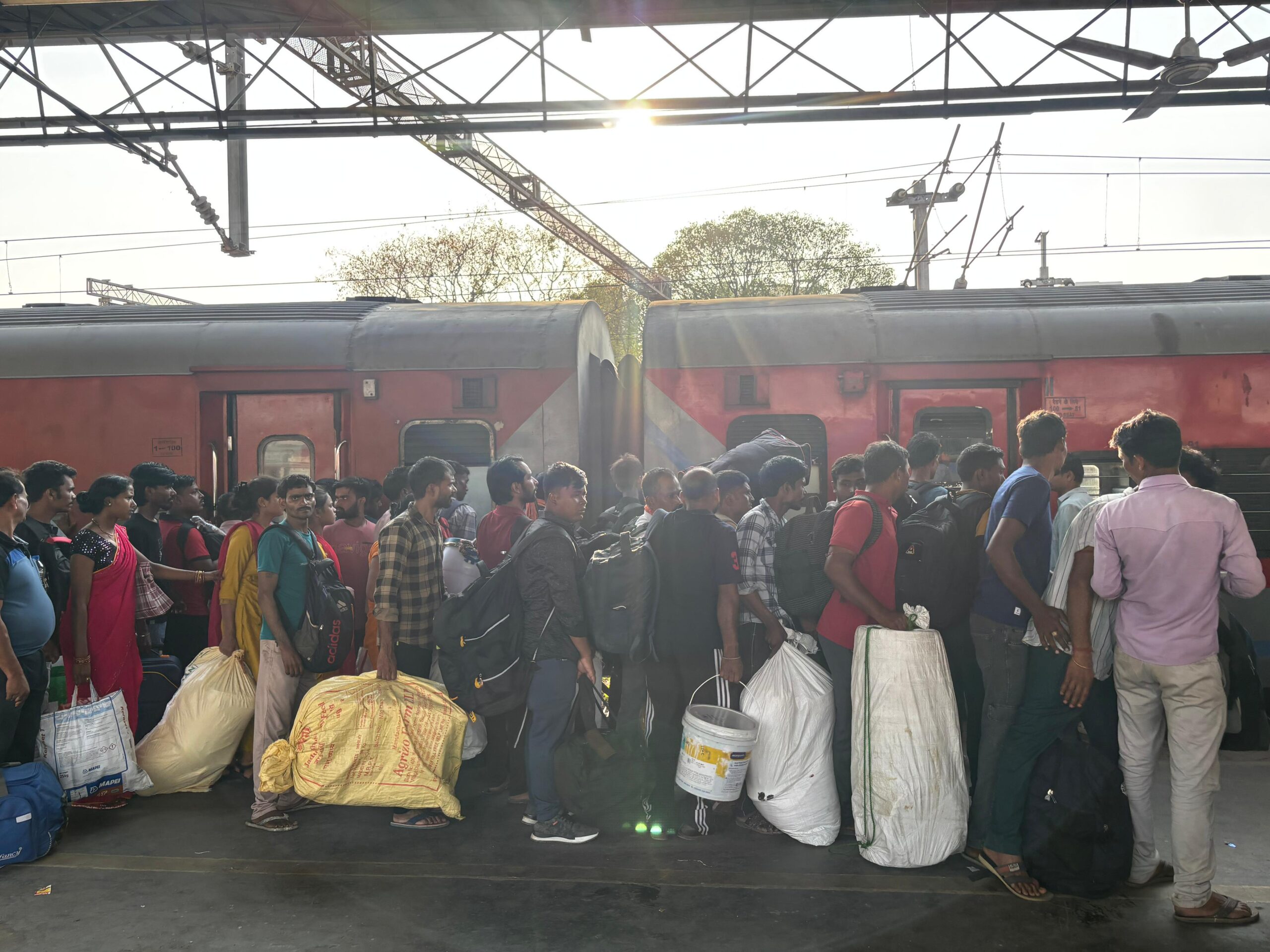
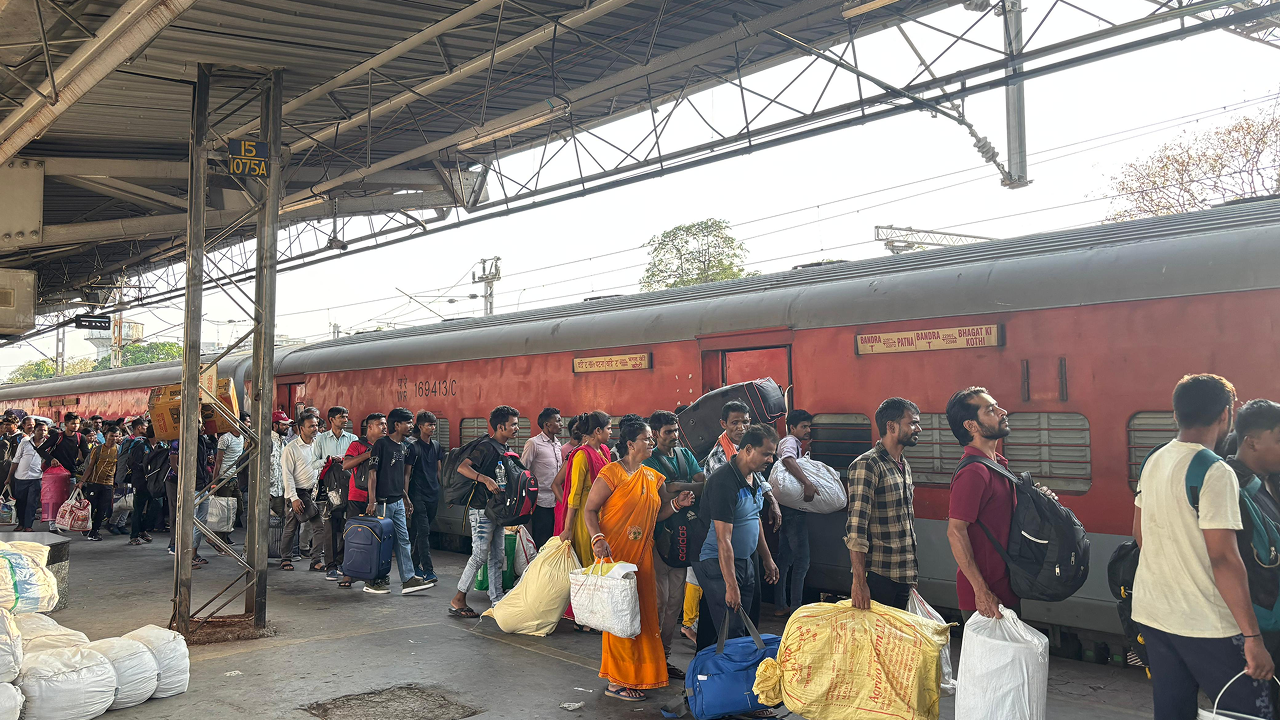
Unlike his usual visits home, with a confirmed train ticket, and gifts for his wife and children, this was a rather unplanned journey that saw him cram into a carriage with no reserved seat for more than 30 hours, pressed shoulder to shoulder with dozens of others making similar journeys.
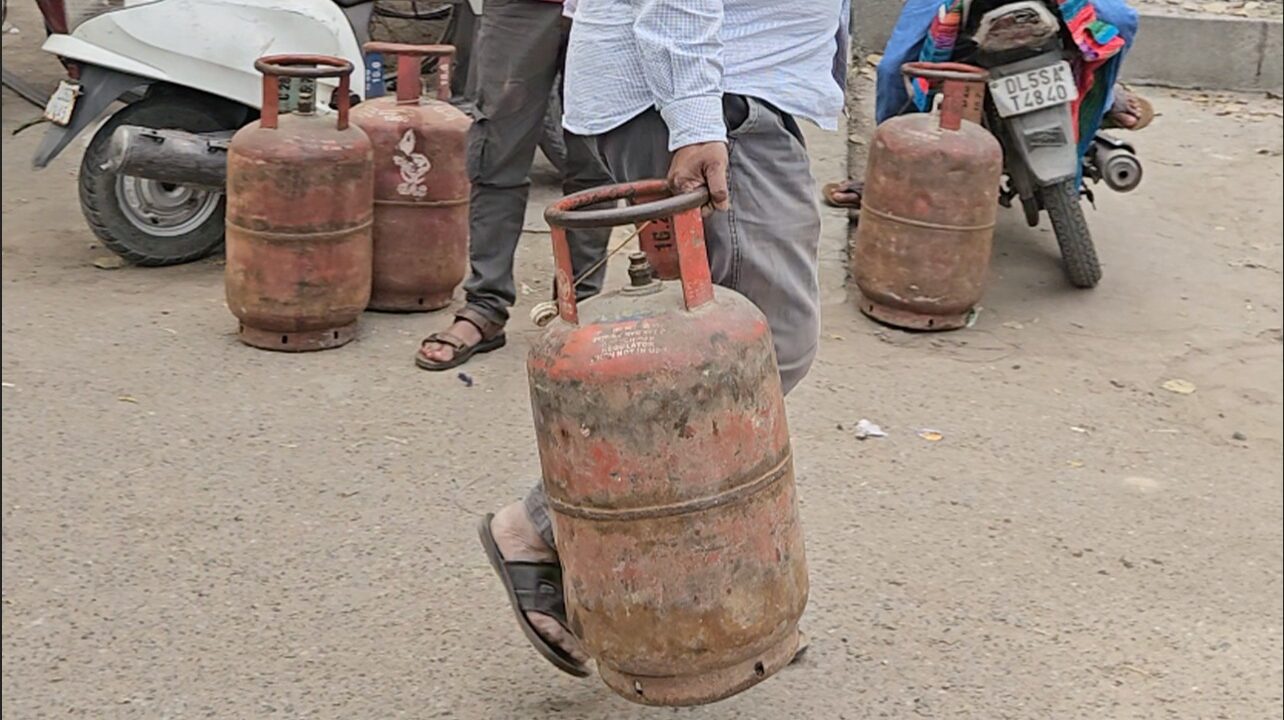
Mahapatra is among a growing number of migrants reeling under a severe cooking gas, or liquified petroleum gas (LPG), crunch in India – the world’s second-largest importer of the fuel – as disrupted Middle East shipping lanes hit supplies and force workers to abandon city jobs for their native villages.
India is facing its worst gas crisis in decades, with the government slashing industrial supplies to protect households. But even households are feeling the pinch now.
Mahapatra spent nearly a week without any cooking gas, prompting him to pack up.
With an existing connection back home in his village, he lacked local documentation required for a registered LPG connection. Domestic cylinders of about 14 kgs that officially cost 913 rupees were now being sold in the black market for as high as 4,000 rupees each – a more than four-fold leap since the war began.
“We attempted getting a cylinder but the prices were around 3,200 rupees then. Then tiffin services also increased their prices. So, we were spending more and eating less,” he said.
As LPG shortages deepened, work slowed and expenses rose, survival in the city became harder.
Once home, a new challenge awaited him – he did not know what to do in his village. Mahapatra, a second-generation migrant, worked in Surat’s textile sector. For 15 years, his work was limited to power loom units, where he engaged in synthetic fabric production for sarees and dress materials.
“I haven’t done any other work. I don’t think I have any other skill,” he said.
Many migrants going back home said they faced the same dilemma.
Most rural youth migrate to cities in search of work, driven either by the lack of local job opportunities or declining agricultural productivity.
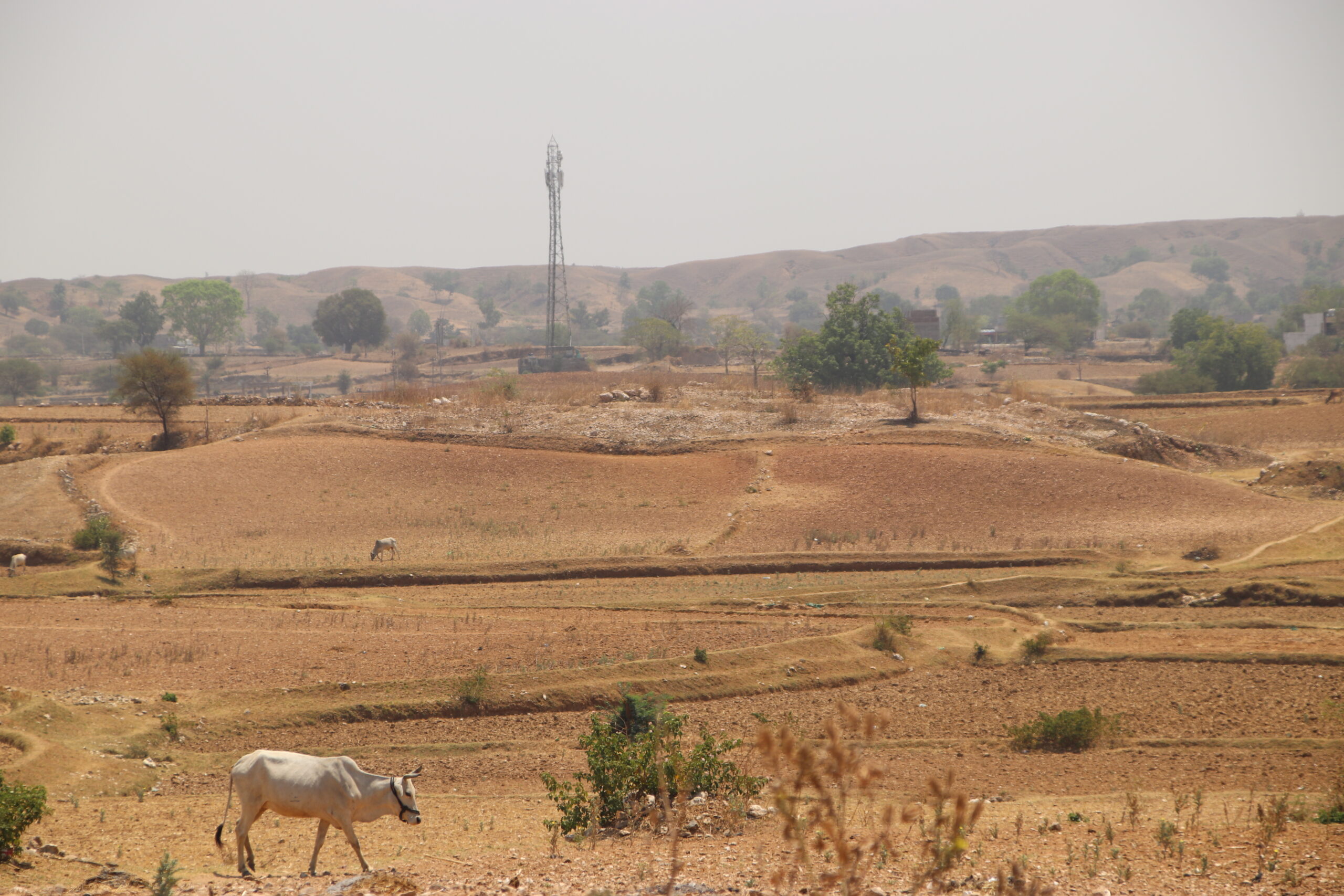
With over 50% of India’s agricultural output dependent on rainfall, summer months can be particularly harsh as limited irrigation facilities make farming difficult. These seasonal pressures have long shaped migration patterns, with many leaving for work and returning only when the monsoon revives agricultural activity.
This time, however, the pattern has changed. The current crisis has forced migrants to return home during one of the most uncertain and least productive periods of the year.
The Ministry of Labour and Employment did not respond to repeated requests for comment.
The government has said that despite supply being hit, there had been no “dry-outs” at LPG distributors. It also said it had taken a series of measures to ease pressure on LPG demand, including making alternate fuels like kerosene and coal more available, and cracking down on hoarding and black market practices.
It has doubled the supply of smaller 5kg cylinders to migrant labourers in every state, with more than 100,000 5kg cylinders sold across the country on April 11, compared to a daily average of 77,000 in the month of February, according to a press statement.
No jobs, wages or safety nets
In the rented rooms where Mahapatra lived with five other workers, cooking arrangements were shared. But with rising LPG costs and delays in refills, cooking regular meals became a challenge.
Eating out was not feasible. Workers said tiffin services, which earlier charged between 40 and 60 rupees per meal, were now charging nearly 100 rupees.
“Food prices were increasing day by day. I could not survive on tea and biscuits,” he said.
But the main tragedy of his return has been the lack of any safety net. The Mahapatra family does not own agricultural land in their native village of Kalamba.
His wife and sister-in-law, who stay back in the village, work as contractual farm labourers when work is available, generally during monsoon months for sowing paddy, and again during harvest time.
The family stays afloat with the income that the brothers send back from Surat, as much as 20,000 rupees per month individually.
“Its been eight days since I have returned, but there is no work in sight. This is also the time for our festival Danda Jatra,” he said, referring to a weeks-long folk festival held during the months of March and April in southern Odisha, particularly Ganjam.
“Maybe once that is over I will start looking for work, if nothing else comes up,” he told The Migration Story by phone from his village.
Better preparation
The brothers do not possess job cards under the MGNREGA, a government scheme that promises 100 days of wage labour to rural poor, either.
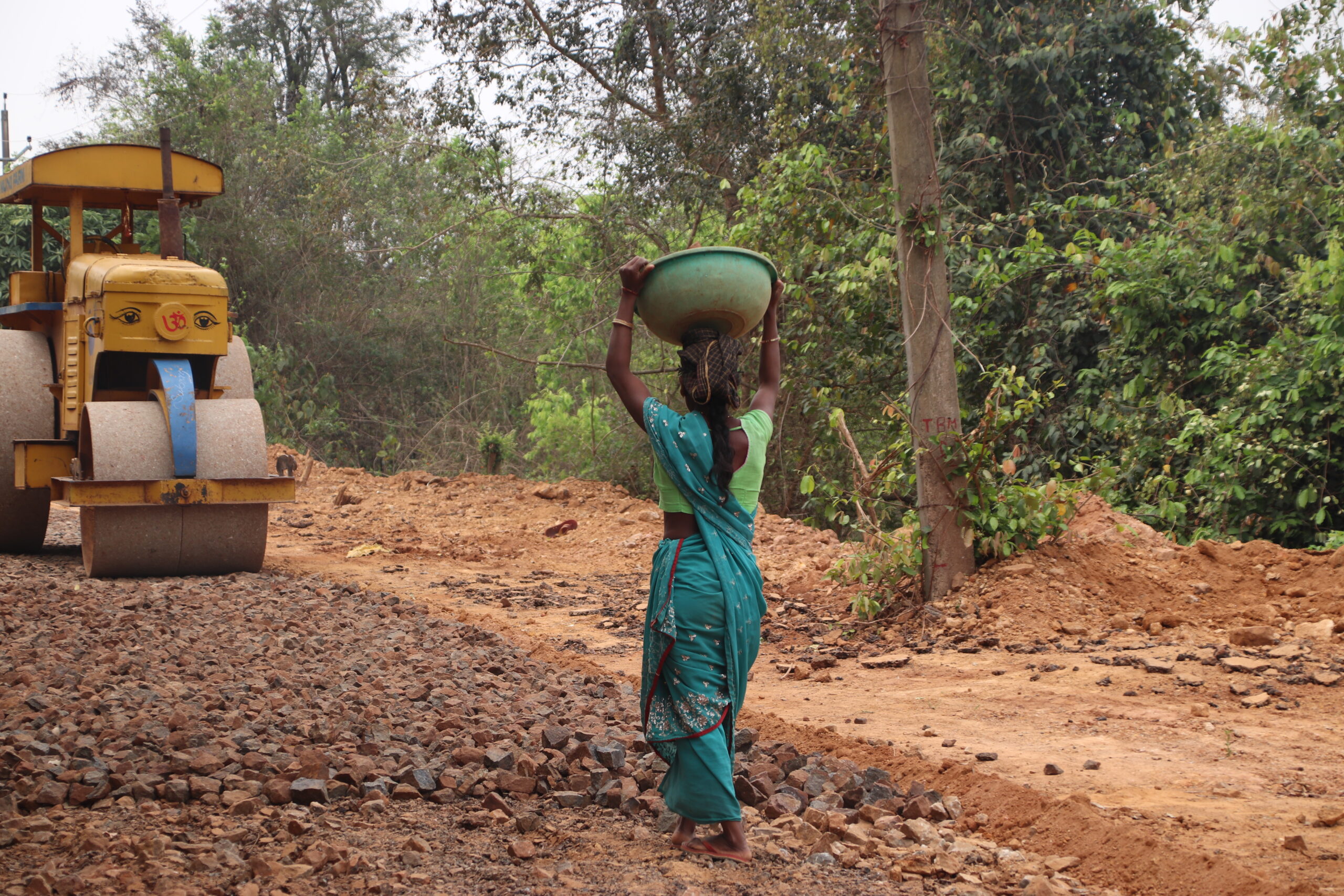
“I don’t know if I want to dig up ponds. But if there is no other work, maybe I will take that up. During COVID I had faced similar issues. It was a long time and we were compelled to take up such jobs,” he said, recalling the two-month pandemic lockdown in 2020.
Mahapatra said he expected to return to Surat once conditions improved, but was not sure when that would happen.
For now he spends his days at home, tracking expenses and waiting for work to resume.
Migration experts caution that while the current situation may not be at the same scale as the COVID-19 lockdown, there is little certainty about how it will unfold.
Sameet Panda, National Convenor of the Right to Food Campaign, which advocates for food security, said that the government had provided protections like MGNREGA during COVID-19 which has been missing this time.
“While states have allocated higher budgets compared to previous years, the work is yet to be rolled out,” said Panda, who is also an independent researcher on migration in Odisha.
“In such a scenario, people may be forced to look for work closer to home at lower wages, depend on their limited savings, or take on debt to sustain themselves.”
Expenses looked even higher for those whose factories shut down.
Raju Pradhan, another worker from Surat and a native of Bhadrak district of Odisha, attempted taking a train for three days but surging crowds kept pushing him out until the fourth day when he finally made it home.
But now he stares at a deeper uncertainty.
“My family has less than an acre of land on which we cultivate paddy during monsoon. There is not much to do in April and May. My family sustains on the money I earn in Surat, but we are yet to figure out what we will do over the next two months,” he said.
Babloo Chaudhary, who worked in Vadodara in Gujarat and returned to his village in northern India’s Uttar Pradesh six days ago, said that while his family owned one acre of agricultural land, it did not provide sufficient income.
“There is land, but either there is no rain or so much rain that the crops get damaged. The weather keeps changing and agricultural production takes a hit,” said Chaudhary, who started migrating for work 10 years ago.
“I worked at a paint factory and then a chemical plant. There is no fixed work, but I always manage to find work and earn around 18,000 rupees a month,” he said by phone from his village in Barabanki district.
“But back in the village there is no work at all. I’m looking for work at nearby places where I can commute daily, but I’m yet to find anything,” he said.
Cutting back
As workers return to their villages with little to no job prospects, they are forced to depend on their savings to get through the coming days, weeks, or even months. Many are already cutting back, adjusting their diets, reducing daily expenses, and putting off plans or work they had been saving for.
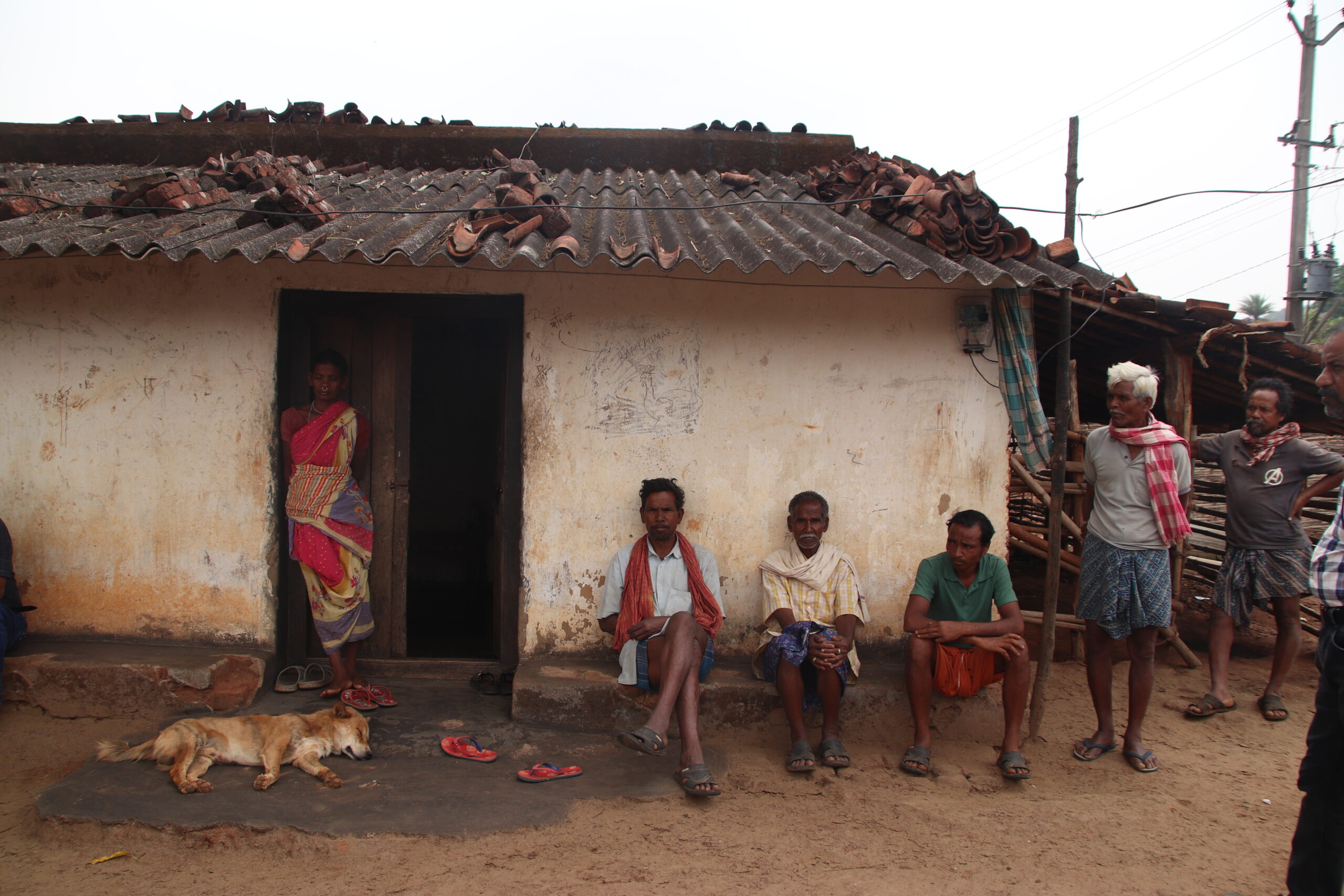
Pradhan lives with his wife, his two children and his parents in his Odia village.
“In the village we use firewood, so LPG is not a problem. But we will restrict our diet. It will mostly be rice and potatoes again, no dal or other vegetables. There is no money for that. One respite is also that the children go to school and get midday meals, so at least the children are fed well,” he added.
Pradhan returned home with savings of 20,000 rupees. “If any medical or any other emergency comes up, I will take a loan, how else will I manage,” he said.
Over the years migration to cities like Surat has become a primary source of income for many families in the region. Earnings from textile work are used to meet annual household expenses, including maintenance, repairs and daily consumption.
The Mahapatra brothers returned home with savings of 50,000 rupees. Any other year this money would have been used to fix a leaking roof or reinforce a wall. This year, they are hoarding every rupee.
“During summers we usually take up maintenance work, if any, at our home. There are also expenses for the children as new classes begin. But with the savings we have right now, it will hardly take 15 to 20 days to run out,” Mahapatra said.
“Savings cannot be exhausted when there is a regular source of income to replace them. But in our case, we do not know when or how we will go back,” he said.
Without migrant workers in the city, local businesses are also struggling.
In Pandesara, a textile worker-dense area, Manoj Pradhan, who runs a grocery shop, said there had been a noticeable decline in customers over the past two months. Pradhan, who migrated to Surat around 30 years ago, said most of his customers are textile workers.
“Earlier there was daily buying.Now many have gone back. Those who are here are buying less. My daily income has come down by over 40%,” he told The Migration Story sitting at his shop and waiting for customers.
Aishwarya Mohanty is Special Correspondent with The Migration Story.