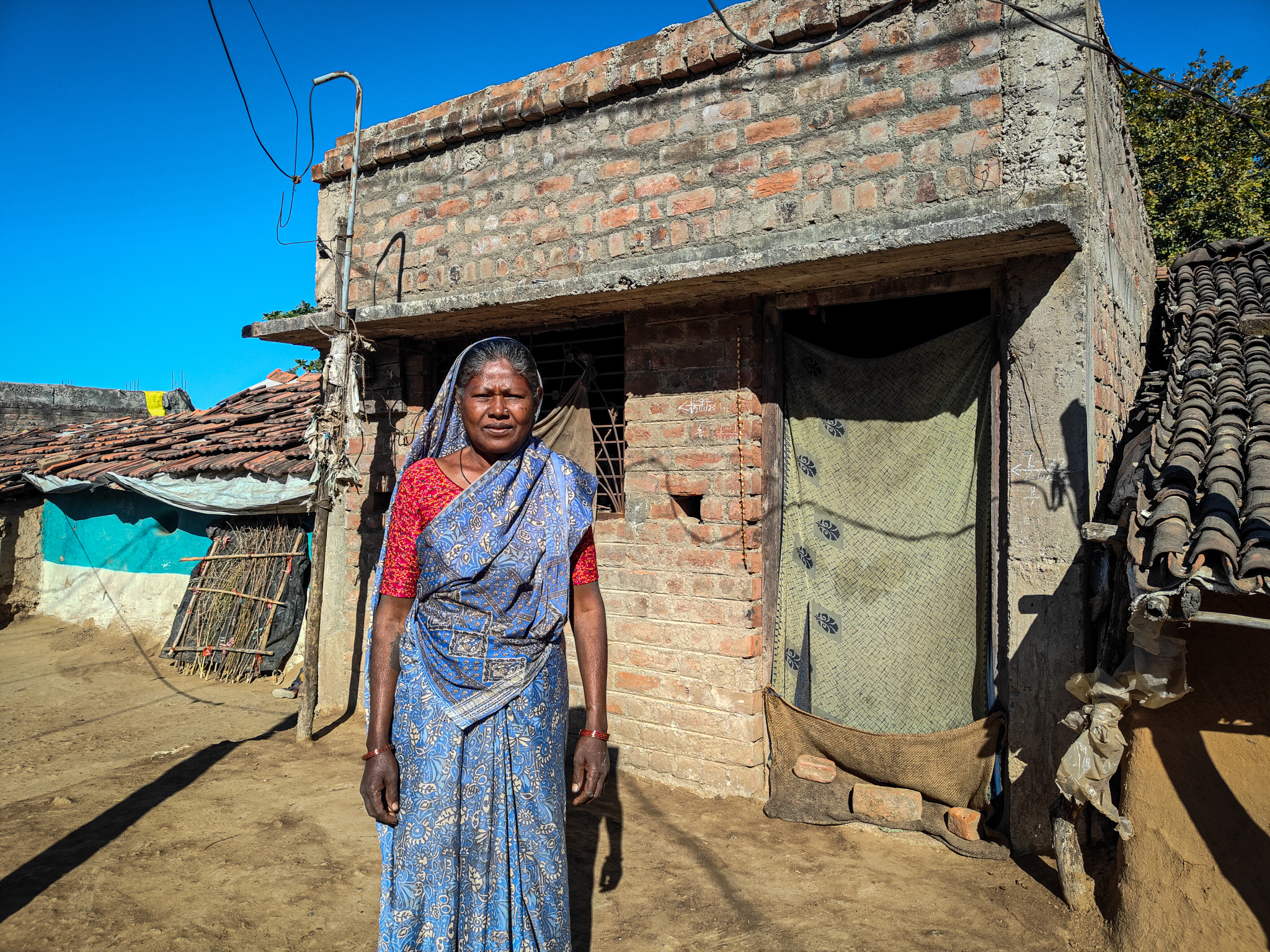
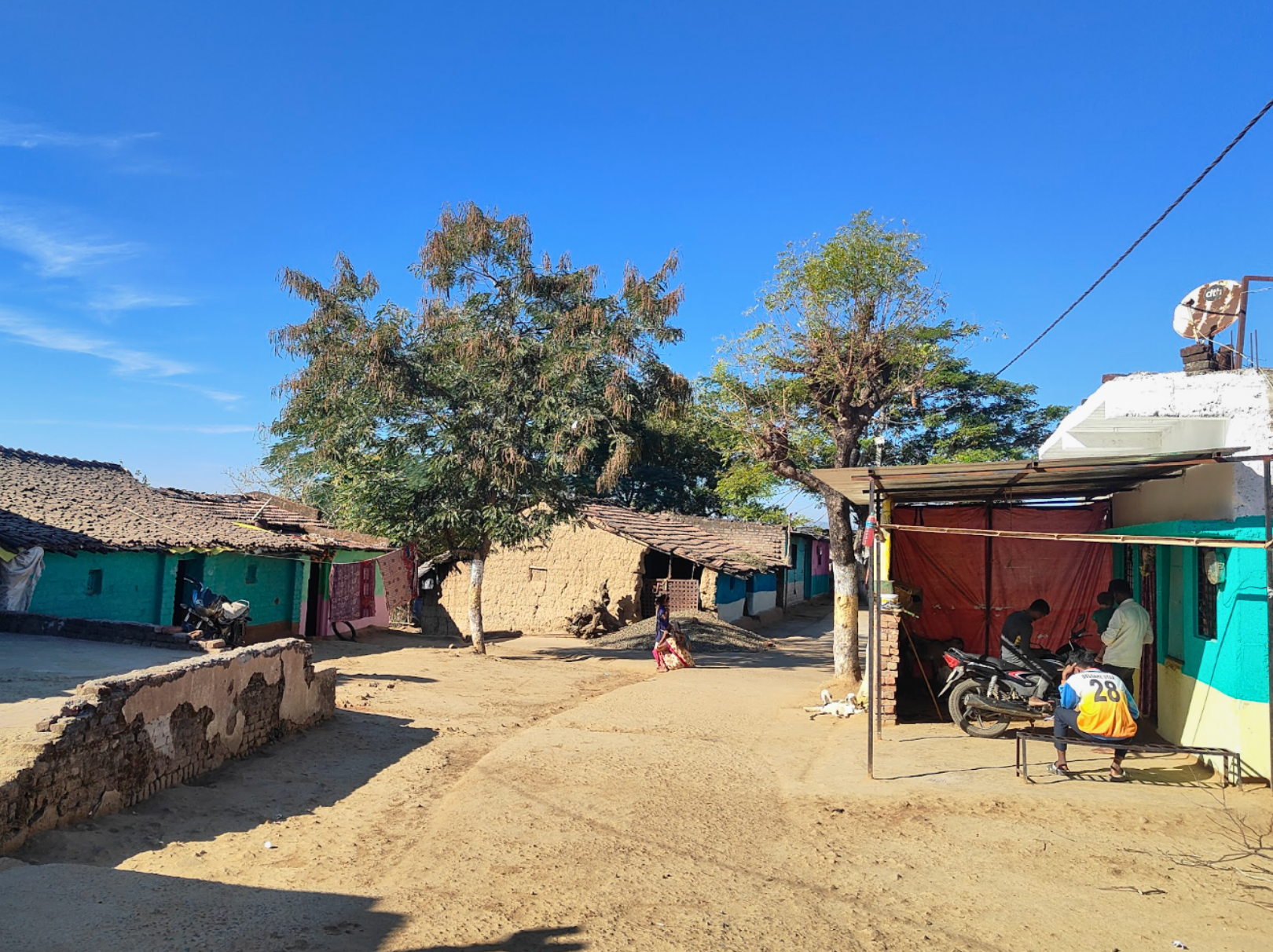
PAYVIHIR, Maharashtra: It was not too long ago that Mangrai Mannu Thandil, now 55 years old, spent most of her day fetching water.
It would start before sunrise, when she would walk nearly two kilometers to Gaimukh River, a temporary stream that flowed out from the hills that flanked the village. She’d return balancing metal pots on her head. The trip was done multiple times throughout the day.
“My legs would ache and during summers, it would be very difficult to walk in the heat,” she said. “Effectively, one person in every household would have to take responsibility for this.”
For decades, this was the daily burden that determined routines in Payvihir, a village set in the undulating hills of Amravati district in northern Maharashtra. Acute water shortage in summers exacerbated migration: with locals estimating that nearly 80% of the 700 people who live here migrated seasonally to work in the cotton mills of Vidharbha.
Somewhere along the way, the community decided that something had to change. Through collective action, strong community decision-making and prudent use of entitlements and rights under government policies, Payvihir has now stopped migration almost entirely.
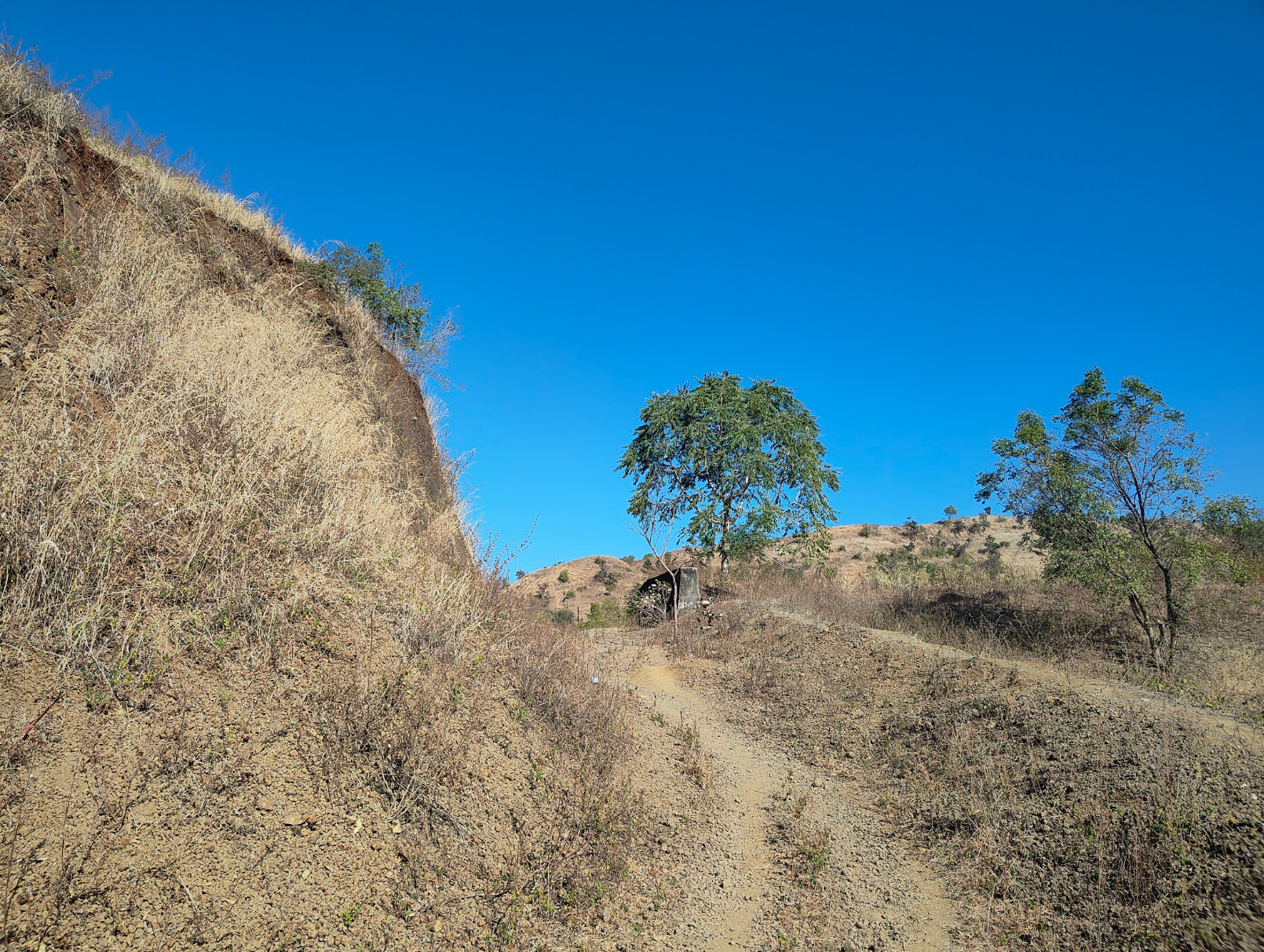
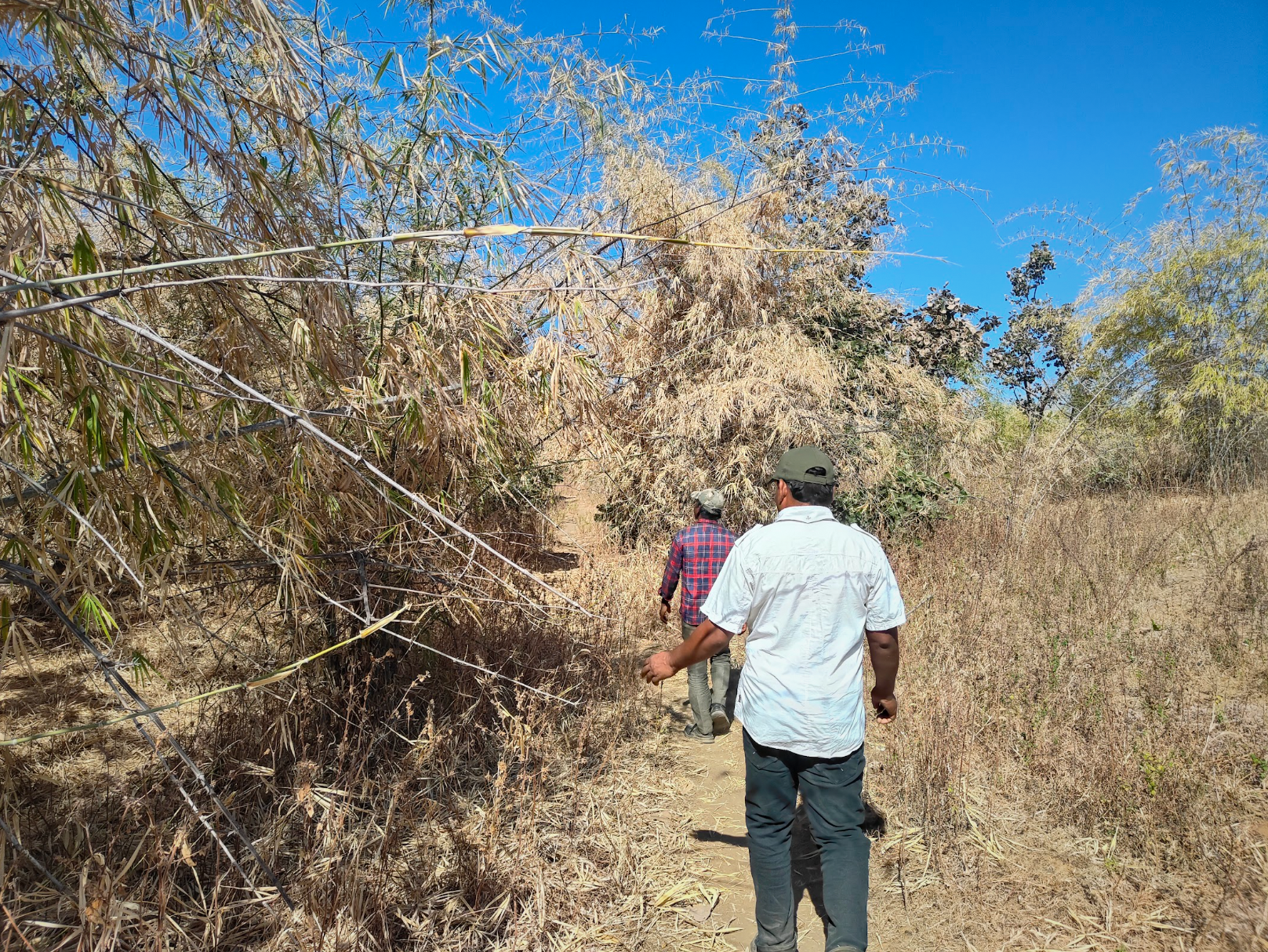
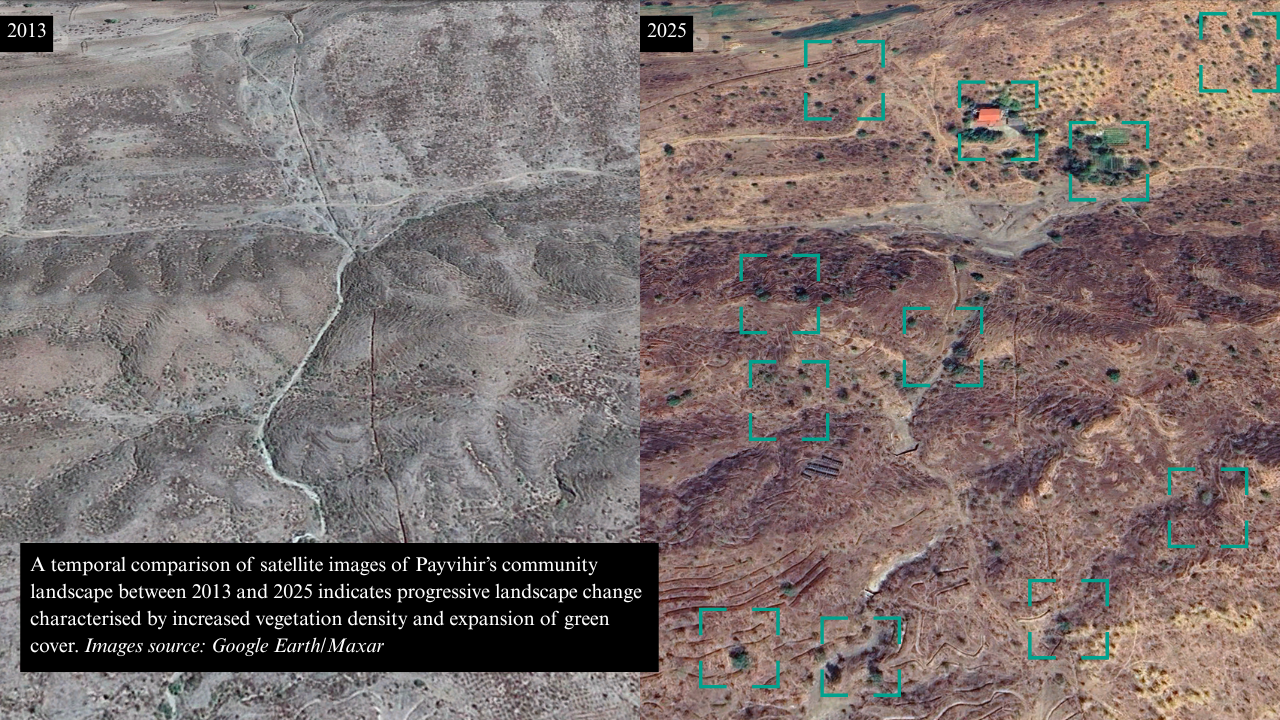
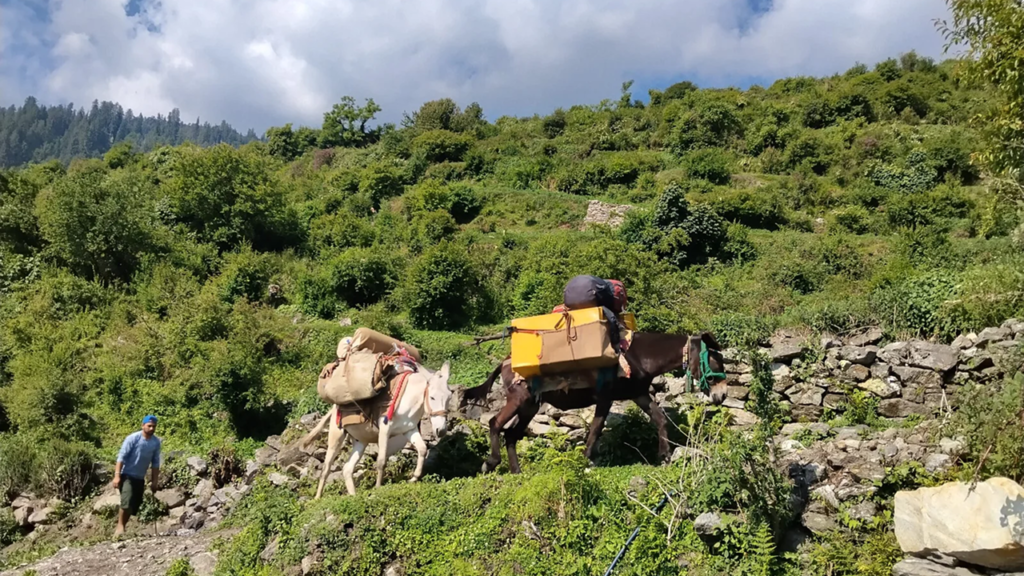
At the core of this change is its residents’ assertion of rights over 192 hectares of the village’s forest. Once they had community rights over these commonly-governed spaces, the village pooled in voluntary labour to effect a dramatic transformation: the once bare, deforested hillsides are now covered in the verdant green of bamboo and teak.
Across India, commons—shared lands such as forests, pastures, water bodies and mangroves— cover 205 million acres or one fourth of the country and form the lifeline for over 350 million people, including marginalised groups like Scheduled Castes, Scheduled Tribes and women. Communities have traditionally protected, restored and managed these commons through customary self-governance practices. These customary rights and practices, however, haven’t been formally recognised in many parts of the country.
Land Conflict Watch, a Delhi-based research group, in collaboration with Common Ground Initiative, a collaborative working on the commons, is documenting stories of successful collective action. These stories show that communities across India are reclaiming, restoring and managing commons through customary self-governance practices that can play a crucial role in their ecological, social and economic upliftment.
At Payvihir, locals asserted their rights and used their traditional knowledge of the land, to reshape the landscape from being chronically water scarce to now a model of ecological recovery and economic self-reliance.
A history shaped by water scarcity
Payvihir has long been home to the Korku tribe, who have inhabited the plains and the rolling hills of the region for generations. The village lies near the Gaimuk and Gaidand rivers, yet access to water remained difficult for decades. Even the village’s name reflects this complex relationship with water: Payvihir refers to a stepped well, or bhil, a traditional water structure.
The sparsely-populated area remained largely unmarked on administrative maps and ignored by local policy and land reform. In the 1990s, the Balei pastoral community, who had been using the open natural ecosystem for grazing, settled here. By 1994, Payvihir was recognised as a revenue village.
This history has translated to a low proportion of formal land ownership. Of the 135 households, just 35 own land. A majority of these landowners depend on the fickle monsoon rains to sow crops.
This means that even a season of bad rains can lead to severe water shortages. The immediate impact of droughts and water stress was felt on the forests and grazing pastures around.
For villagers like Mangrai, firewood came to play an important role in household income. Villagers would get 7 Rupees for one bhoja (30-35 kgs) of firewood. Overgrazing, rampant firewood collection and over-extraction of forest produce denuded the hills.
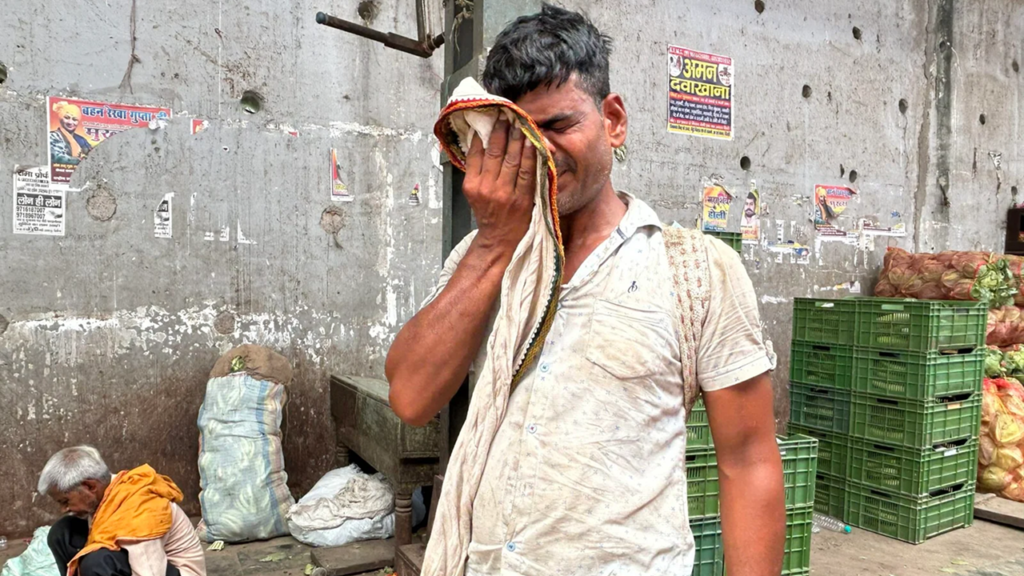
“We had to go 7km into the forests to get firewood. It became harder and harder to find, and to sell. It was easier to just migrate for work,” she told The Migration Story. As with others in the village, Mangrai spent most of the year working at the cotton mills in the region. “There was still no stability. We had to take our children along. They had to be away from schools,” she said.
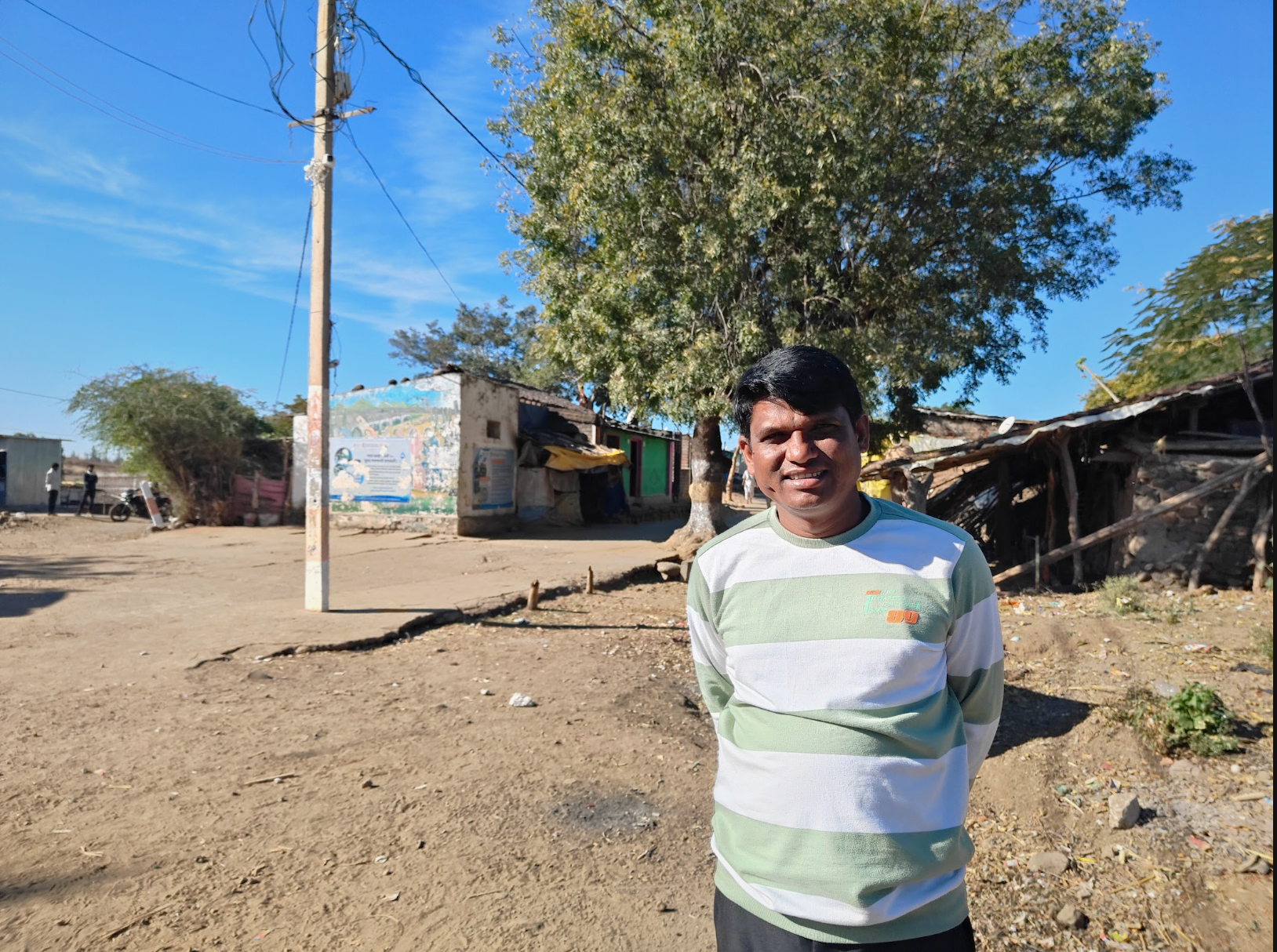
Migration then becomes the only choice for survival. “The community never thought of these as problems it could solve. It simply believed that the government was responsible,” said Ramlal Kale, a 39-year-old Gram Sabha member.
Change begins with a simple idea
The winds of change blew in 2005, as an unexpected offshoot to a protest movement. Ramlal, who is among the few who completed their 12th standard in Payvihir, joined a rally demanding a legal right to employment. That movement met with success: with the Centre launching the Mahatma Gandhi National Rural Employment Guarantee Act 2005 (MGNREGA) later that year.
Buoyed by the success of collective action, Ramlal returned to Payvihir with an idea: to use MGNREGA to restore the land that was driving his fellow villagers away.
A year later, the Scheduled Tribes and Other Traditional Forest Dwellers (Recognition of Forest Rights) Act, 2006 – or, commonly known as the Forest Rights Act – was also enacted, which recognised the rights of tribal and other forest dwelling communities over their forest commons.
Ramlal galvanised other youth to suggest that the village should claim Community Forest Rights (CFR) under the Act. These rights allow communities to claim forest lands that they have traditionally used. “But, our elders were sceptical. Over the years, there had been so many confrontations with the forest department over forest resources and access to forests that it had made many in the village distrustful of governments’ intentions. They felt getting rights would instead conflict with authorities,” said Ramlal.
The impasse was broken through by Mangrai who was the village sarpanch at the time. She called a Gram Sabha meeting where she laid clear the path ahead, particularly, in how they could solve water shortages in the village.
In 2007, the village applied for CFR rights, with a local non-governmental organisation, Khoj, being instrumental in organising the required documents.
Rebuilding trust, restoring land
To ease tensions with the forest department, the village youth invited senior forest department officials to Payvihir. “We could arrange only four chairs from the whole village. And so, many officers sat on the ground along with the rest of the villagers. This became a sign for villagers that they could trust officers,” Ramlal told The Migration Story.
As conversation flowed, a sense of comfort descended: that the village and the government could work together. During the meeting, villagers made a commitment. “If the department would stand with us, we, as a village, would help prevent forest fires, keep grazing in check and work proactively to restore the land,” said Kale.
By 2012, the community forest resource rights over 192 hectares of land was granted.
The latest available government figures show about 1,24,153 community rights have been granted across India since the inaction of the Act. However, research organisations, civil society groups and even experts on the subject repeatedly stress that the implementation of these rights has been poor.
Manohar Chauhan, who has been working on the overlapping subjects of forest rights, local governance and natural resource management, for nearly two decades listed out four major reasons behind the poor implementation; resistance from the forest department, lack of legal awareness, conflict with panchayati raj systems, and the lack of political will to give ownership to communities.
While Payvihir is among a bunch of Indian villages that have successfully won this right, which has helped them turn around their fortunes, for many it still remains difficult to do so.
“The gram sabhas that hold the prime responsibility in the process mostly lack land records of their forest commons and even mapping and technical capacity to decide their commons area,” Chauhan told The Migration Story.
In addition to bureaucratic hurdles for communities to claim their right on the forest, many villages are also unaware that they are legal owners of these resources under the FRA, Chauhan said.
“Moreover, even governments across different states do not take efforts to educate the public about these processes,” he said.
Communities that have won this right are mostly able to do so with the intervention of different civil society groups across the country.
He describes FRA as a “system-changing act” meant to establish Gram Swaraj (village self-rule) over resources. “And the Payvihir case shows how CFR and the community can actually change the fate of even the most vulnerable ”.
Payvihir’s Gram Sabha made a ten-year plan that would restore the ecology and also secure livelihoods. A key part of this was shramdan, a voluntary collective labour. Contour trenches were to be dug along the hillsides to prevent rainwater run-off. This would replenish groundwater.
For this, said Ramlal, villagers had to stop their migration and work here. “People just wanted to survive. It’s a simple fact, if they miss one day of work, they lose wages, and ultimately affect their livelihood, even if one day’s effort would help the community in the long-term,” he said. “We had to keep talking to people. We had to ensure their decision to stay would lead to an impact they can see,” he said.
To sustain the labour, the Gram Sabha used MGNREGA prudently, to ensure people were paid wages while working for community welfare. Among those who decided to stay was Dinesh Dahikar, who, since dropping out of school, had regularly migrated to work at factories where a day’s labour earned him 75 Rupees. “It was wages under MGNREGA that convinced us to stay. We could feed our family while working in our villages,” he said.
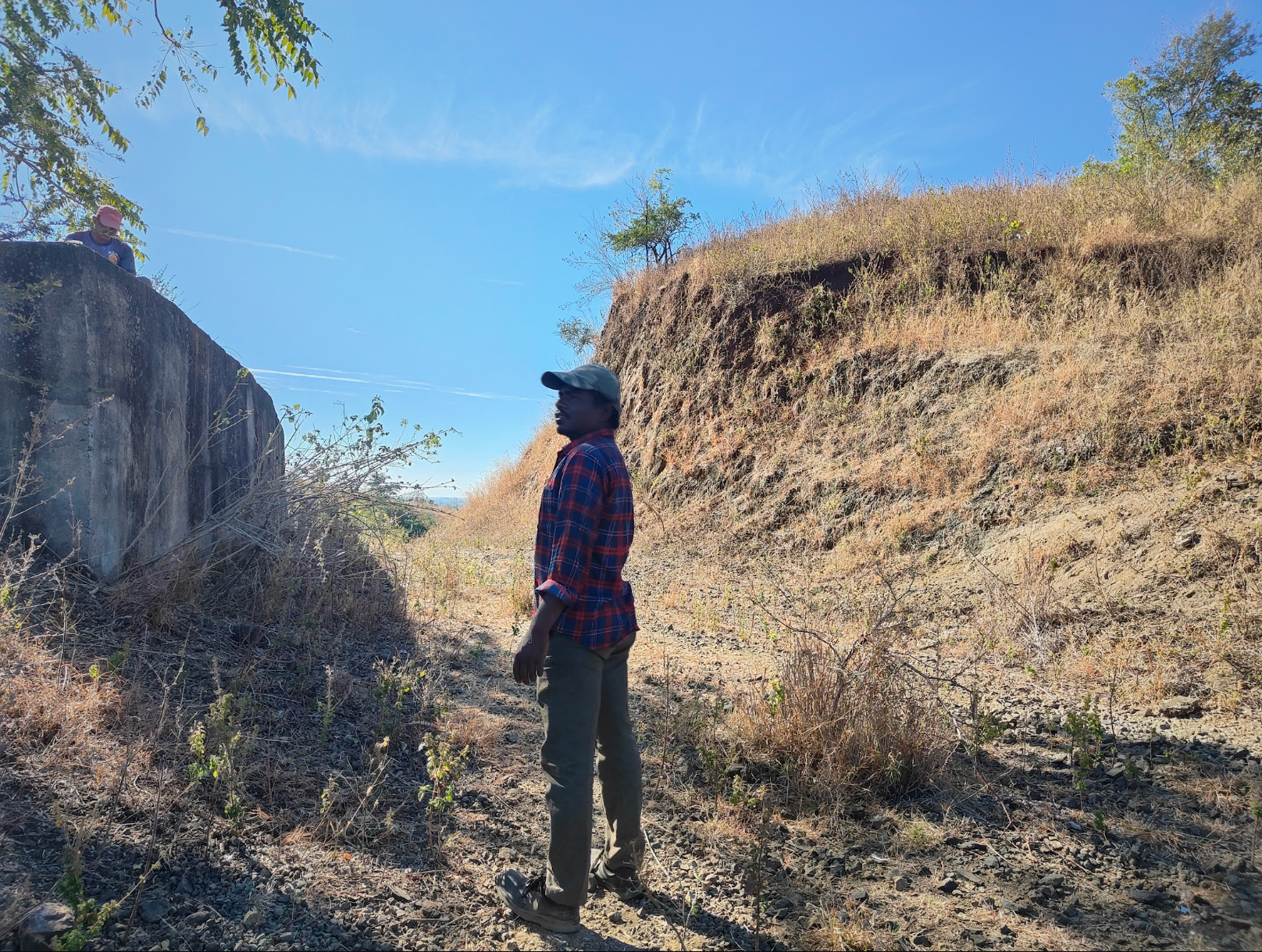
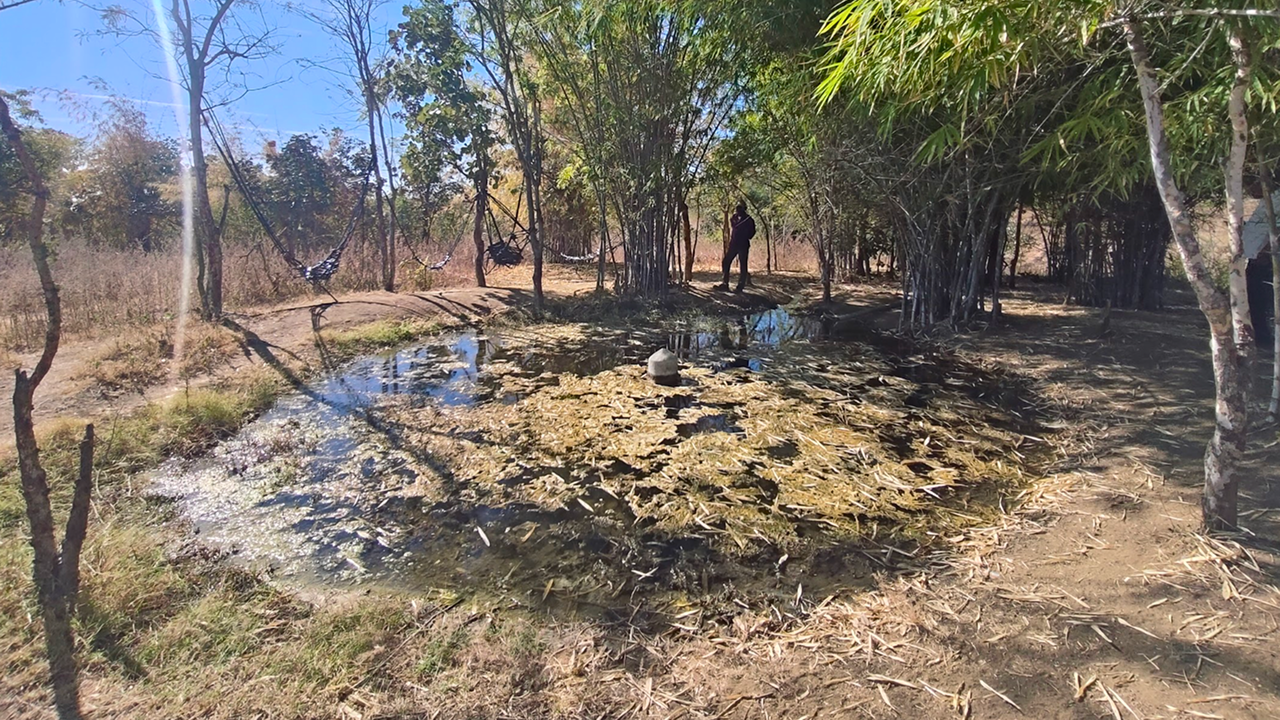
After the trenches were dug, the village took up plantation works. On 30 hectares of land, the amla, bamboos, tamarind, mango, mahua, neem and others. Over the years, the village built 98 check dams on the hills. to slow water flow and recharge groundwater. Protective stone nets were installed, and ponds were constructed to hold rainwater.
The Gram Sabha was also proactive in ensuring delays in disbursal of MGNREGA funds did not demotivate villagers or stall their projects. “We would follow up with officials to ensure payment was done within 16 days of the work. It was important to ensure people trusted the system” said Ramlal.
As water returned, migration stopped
By 2015, groundwater levels in Payvihir had stabilised with borewell diggers finding water at 115 feet, while the water level was at 300 feet dug in neighbouring villages.
With water available, the village has turned to forest-based livelihoods. Tendu leaves, used to roll bidis, have become an important part of the village economy now. Kale said that Payvihir has begun to conduct its own tendu auctions. In 2013, the turnover was 1.3 lakh rupees. By 2024, Payvihir had helped form a federation of 52 villages, with a combined turnover of 2.7 crore rupees.
Payvihir is now preparing to harvest its bamboo crop and plans to sell directly to buyers, avoiding middlemen.
Income from forest produce is used by the Gram Sabha to protect forest, maintain village offices, support schools and provide interest-free loans of Rs. 10,000 to landless families to buy livestock.
For Dinesh Dahikar, the change has meant that he does not migrate anymore. He now works as a forest guard, protecting the forests, and being paid by the Gram Sabha a wage equivalent to the MGNREGA rate. It’s a better life than the uncertainty of the cotton mills, he said.
For Kale, the transformation of the landscape is testimony to the fruits of a long struggle. Black eagles have come to roost in restored forests, and villagers have spotted leopards.
And, for the Gram Sabha, migration – once the curse that broke the backbone of the village – has nearly stopped. Amit Sunare, a Gram Sabha member, said that children no longer follow their parents to cotton fields. “For the first time, a generation is growing up in a village where water is available year-round and the forest provides steady income,” he said.
Mahmodul Hassan is a multimedia journalist and researcher. His work takes an investigative approach to the intersection of human rights, natural resource governance, policy, and justice issues.
The author researched this story for a protection of commons series being documented by Land Conflict Watch, a Delhi-based research group, in collaboration with Common Ground Initiative, a collaborative working on the commons.