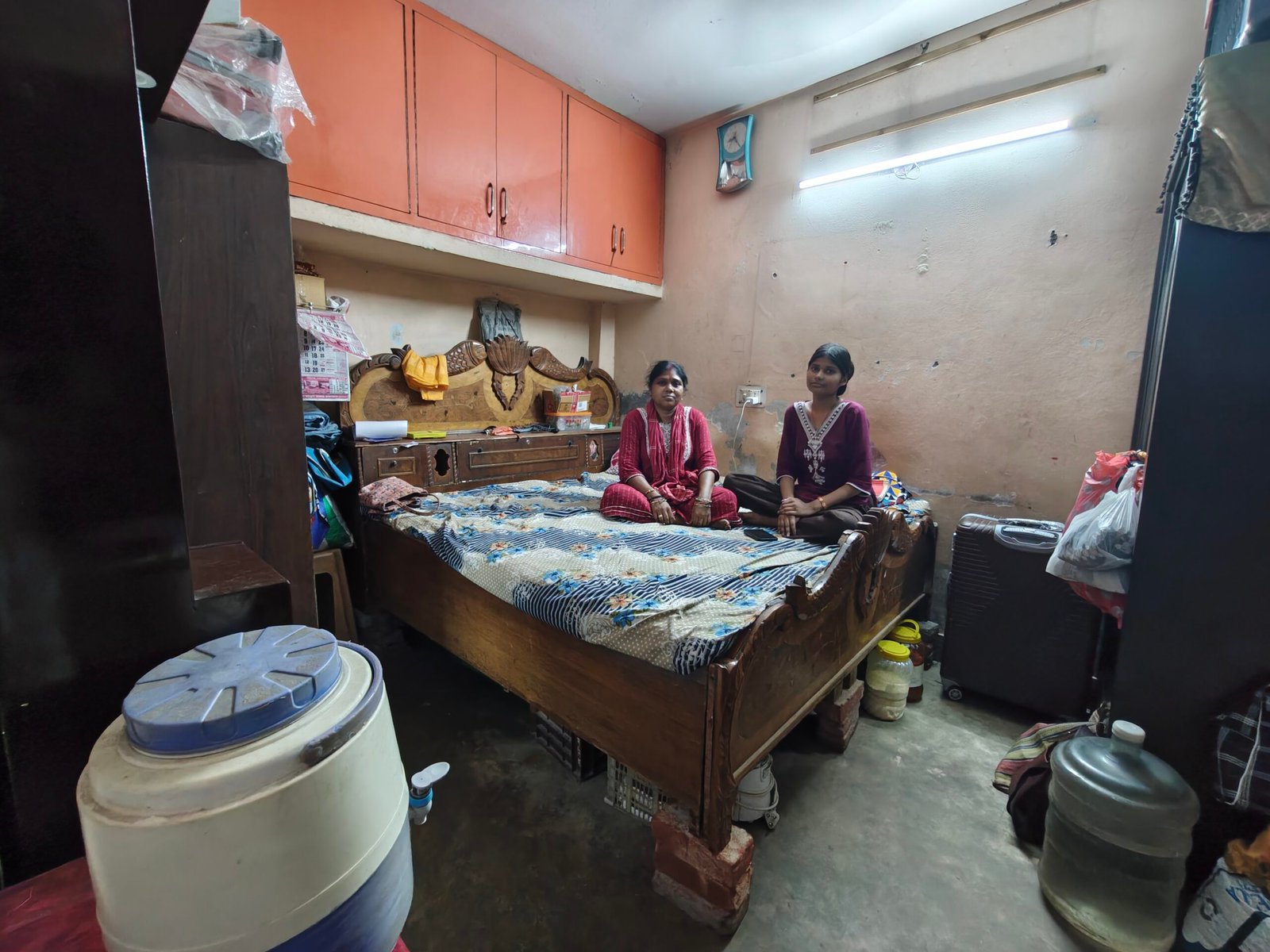
NEW DELHI: It was 9pm on a hot May night. Street food vendor Gunja Devi (37) and her family of four were finally back together in their one room home in India’s capital, New Delhi. Inside the 8×8 feet windowless room, the air felt scarcely cooler than what it was outdoors. There was only one ceiling fan to cool their room.
Two months later, in the fag end of July, Devi said the even the rainy month didn’t ‘feel any different’ from May and June. To her, it felt equally hot both at day time and night.
“Now, it has been raining this week. While it rains, it feels a little cool indoors but as soon as it stops raining, it gets hotter and more humid,” Devi said.
“I feel no change at night, it is still as hot at our home,” she told The Migration Story.
The Migration Story tracked the family over the course of Delhi’s hottest season: the late-May pre-monsoon period, when elevated night-time temperatures compounded daytime heat stress, and in late July, when the active monsoon made the family ‘feel cooler briefly’ but increased humidity, created a different kind of nocturnal thermal discomfort.
The heat radiated from the brick-and-mortar walls and ceiling that were exposed to temperatures between 43 and 45 degree Celsius in May and June. In May, the India Meteorological Department (IMD), the country’s national weather forecaster, had declared it as severe heat wave conditions.
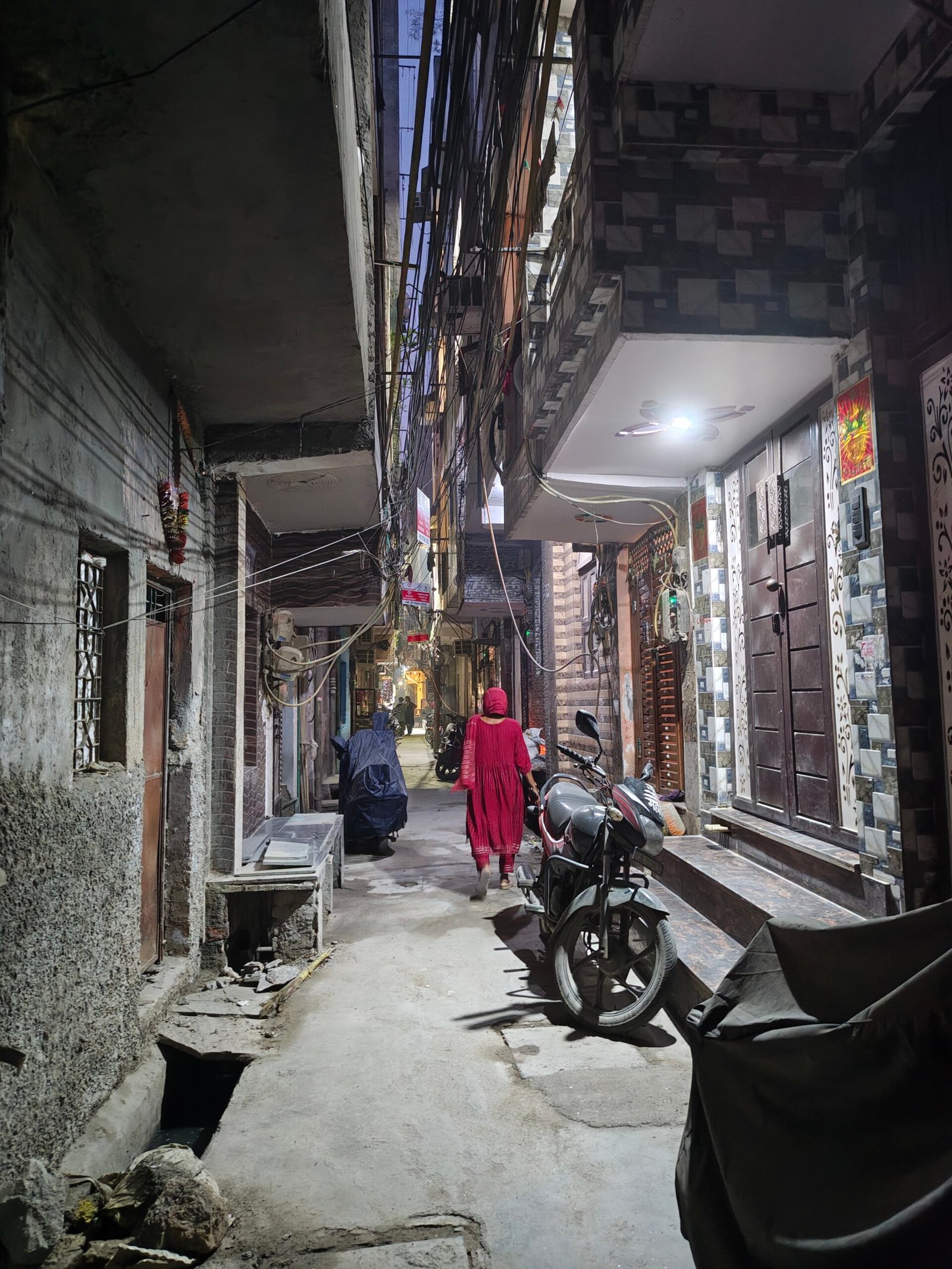
On that May night, Devi and her two teenaged children, sat cross-legged on a 6×5 double bed, at their home in New Ashok Nagar, a densely packed low-income neighbourhood of East Delhi. Her husband, Ganesh Sah (41), had just returned after working 12 hours in searing heat at their family-run food cart where they sell food items like chhole bhature and their home state Bihar’s local delicacy litti chokha. He headed straight for a bath.
Both Sah and Devi are migrant workers from Bihar.
“People return home to escape from the heat outside. But where does one escape after one reaches home?” asked Devi a night after Delhi recorded its warmest May night in nearly 14 years.
With an outdoor vending business, the couple is exposed to different kinds of heat and air pollution. From their cart’s cooking stove, charcoal is used for the grill, and trapped heat that radiates off of concrete structures. There is little to no shade.
At night they return to their small dwelling, where the ventilation is even worse. Together, it creates an urban landscape that absorbs heat during the day and releases it slowly after sunset.
For low-income outdoor workers Devi and Sah, there is no point in the day or night during summers when the body gets to cool down.
A news report by The Times of India on Tuesday analysed IMD data and showed that Delhi’s minimum temperature stayed at or above 30 degree Celsius on 11 nights between May and July this year compared to only two last year. In May this year there were two such nights, four in June and five in July, it added.
For Devi, however, heat is the dominant season through the year.
The number of pleasant or cold days have reduced in the past decade, she said.
“Now it feels like endless months of heat starting with February end or March. Earlier we used to say that Chhath (typically celebrated in October or November) is celebrated when winters arrive but now it is hot even during that time,” she said, referring to the widely celebrated festival dedicated to the Sun God in Devi’s home state of Bihar.
As climate change drives rising nighttime temperatures, there is growing attention on the ‘warm night’ phenomena when the nighttime lows are above mean temperature. This phenomenon is aggravated in low-income housing by the urban heat-island effect and lack of means to access air-coolers or air-conditioners.
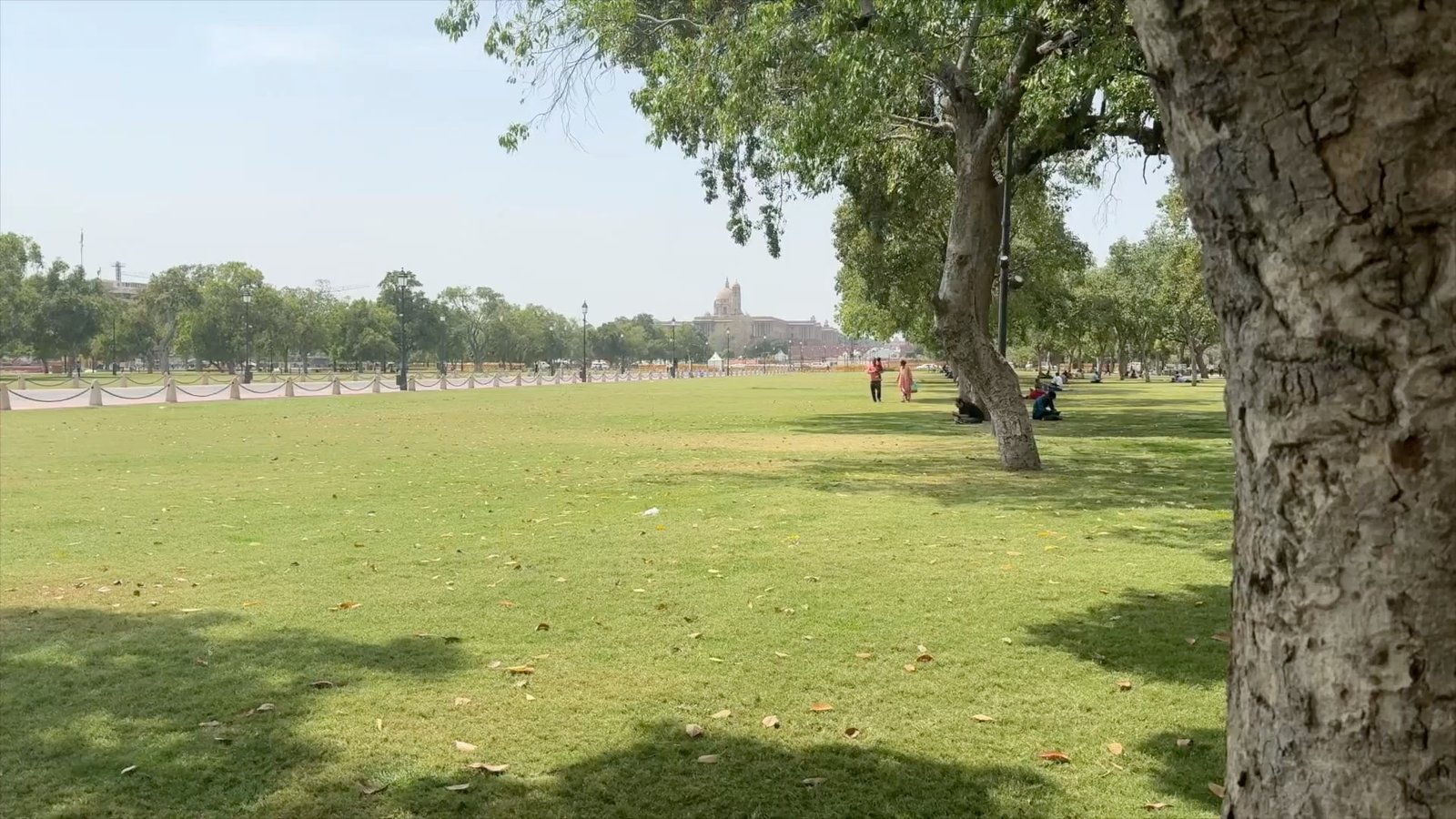
Urban heat-island (UHI) effect is characterized by the trapping of heat in built-up structures – concrete, glass, asphalt – which gets released at night slowly, and is compounded by the lack of green cover and blue cover, such as water bodies.
There are a clear and growing evidence and documentation of night-time heat and its impacts.
Urbanization alone has led to an overall 60% enhancement in warming in Indian cities, according to a study done by IIT (Indian Institute of Technology) – Bhubaneswar, in India’s eastern state Odisha. Tier – II cities in eastern India showed stronger urbanization-driven warming compared to larger metro cities like New Delhi and Mumbai, as per the study.
A 2024 Centre for Science and Environment (CSE), a New Delhi based public interest research organisation, analysis of six major Indian cities found that they were not cooling down at night. Nighttime cooling is getting lesser in the last few years for all megacities compared to the mid-2010s, it said.
“Heat is no longer a day time problem. Our cities are also becoming much hotter at night. Mega cities experience a much larger drop in land surface temperature. Nighttime cooling has reduced in most cities. Hot days are followed by hot nights leading to continuous heat exposure,” said Sharanjeet Kaur, deputy programme manager at CSE.
“Single hot days are a problem but several hot days when combined with hot nights – they become far more dangerous because there is no recovery period,” she added.
Kaur said that there is a need to implement year-round city-wide actions which includes thermal efficient roofs in industrial areas, office and informal settlements.
“Addressing heat vulnerability requires an active heat management approach,” she said, adding that there was a need to focus on heat resilient urban designs and public cooling infrastructure.
According to Kaur, low-income families are worse affected as they often live in congested informal settlements as their homes are heat traps, where indoor temperatures remain perilously high.
Nighttime temperatures in India have been steadily increasing. The all-India average nighttime temperature shows an estimated rise of about 0.21°C per decade over 2010–2024, according to an analysis of IMD data this year by Climate Trends, research-based consulting and capacity building initiative focusing on environment, climate change and sustainable development.
But what do warm nights feel like on the ground? For families of migrant informal workers like Devi, it translates to interrupted or less sleep, lack of physical rest, health issues which leads to lower productivity and reduced earnings at work.
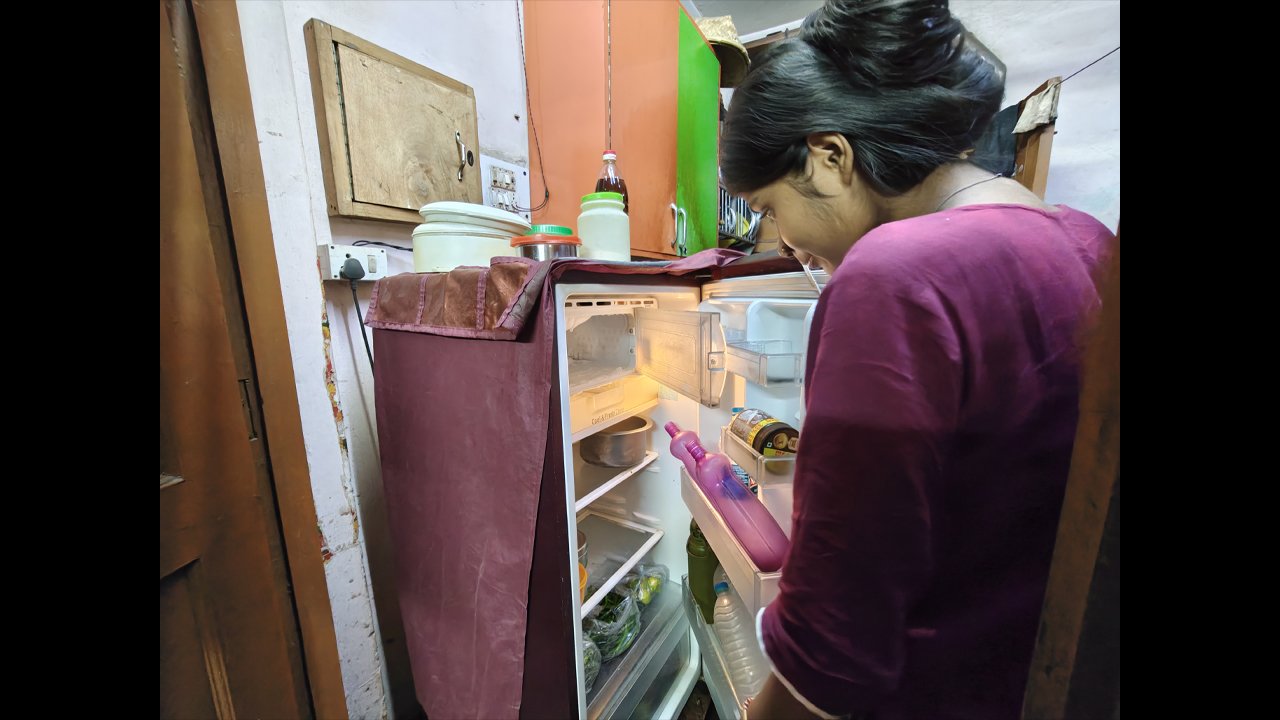
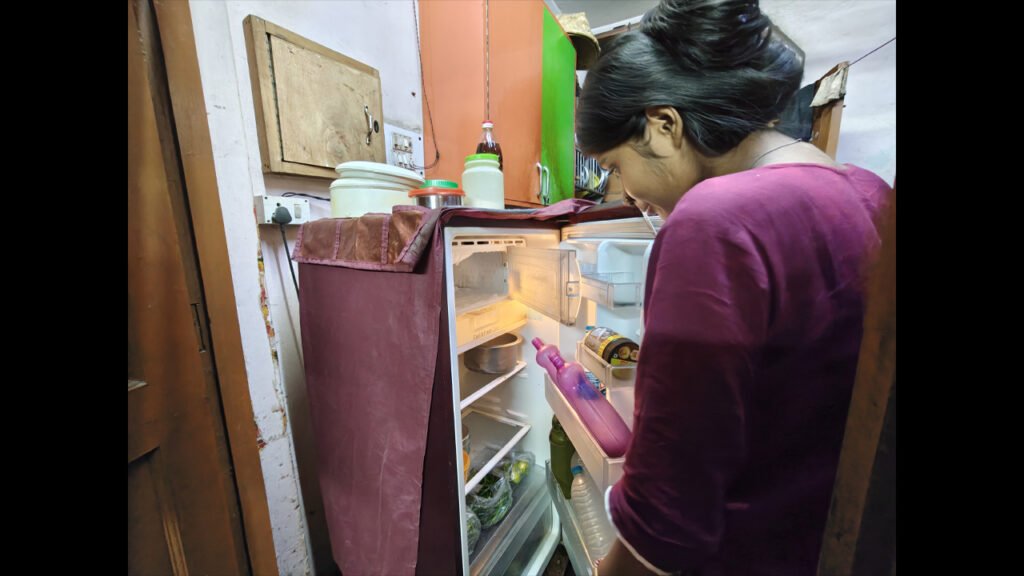
On hot days and warm nights, her routine after returning from work is fixed – first she drinks a full bottle of cold water, followed by a bath and wiping her home’s floor to keep it cool. Her family owns a small refrigerator which they bought when they started their vending business post Covid-19 pandemic. Prior to that, her husband was a factory worker and lost his job. She did not work previously.
“I get angry with the kids a lot. I feel dizzy at night and experience anxiety as I struggle to sleep,” she added.
For Sah, her husband, the outdoor work is physically strenuous and heat exacerbates it. He has to manually push his food cart to and from the market where he vends. He covers more than three kilometres one way and it takes him roughly 45 minutes.
HOW DOES IT IMPACT WORKERS?
On the ground, the health impact of nighttime heat is worse on elderly members of low-income worker families. One of them is Tarawati, a 61-year-old street vendor, from Kalyanpuri locality in East Delhi.
She is diabetic and heat stress exacerbates her health risks, particularly due to prolonged outdoor work. This summer, her son, who works as a driver, bought a small air cooler on instalments. She says that while it helps, it is not enough to deal with hot nights at her one room ground floor home shared by four people.
“I often wake up in the middle of the night and open my window or the door because I feel short of breath,” Tarawati said, adding she knew she would need the cooler through the year now.
Informal migrant workers from Delhi said that health and economic loss were two of the most visible impacts of continuous heat exposure including nighttime heat.
A systematic review from earlier this year highlighted how rising nighttime temperatures were undermining workers’ health by disrupting the sleep needed to recover from day time heat exposure.
“Poor sleep exacerbates fatigue, reduces productivity, increases risk of occupational injuries, and contributes to long-term health outcomes such as cardiovascular disease, diabetes, and mental health disorders,” the review said.
While health is a critical concern, continuous heat exposure also has grave economic impacts particularly on informal workers. High temperatures trigger a double blow for informal workers – customer footfall plumages slashing daily earnings and perishable inventory spoils faster, driving up capital losses.
Estimates by the International Labour Organisation (ILO) in 2024 show that globally 70% of all workers are exposed to excessive heat. According to another ILO report of 2019, India is projected to lose 5.8% of working hours in 2030.
Dharmendra Kumar, secretary of Jan Pahal, a New Delhi based nonprofit which focuses on poor and low-income migrant families, identified income constraints, lack of homeownership, rental barriers and inadequate pass-through of electricity subsidies as factors disproportionately exposing informal workers to impacts of rising nighttime heat.
“This issue is directly related to income and work loss. In summers, workers report more missed days of work so their income levels drop immediately. But expenditure increases to access cooling facilities, meet higher electricity bills and medical costs due to heat impact,” he said.
A research released in February by Women in Informal Employment: Globalizing and Organizing (WIEGO), a global network that supports the movement of workers in informal employment, showed that heat stress is eroding incomes of street vendors in Delhi, particularly women, and pushing them into cycles of debt.
NEED FOR POLICY INTERVENTIONS
Aravind Unni, an urban practitioner and researcher, said that data and research has existed in the past few years but what is missing is a large-scale policy intervention that accounts for nighttime heat and how to deal with it.
“These issues have to be addressed from a lens of urban planning and urban governance which is a long-term approach. Heat action has to be included in different kinds of schemes including those on housing, financial inclusion, urban planning among others,” he said.
According to campaigner Kumar, there is a ‘policy blind spot’ when it comes to dealing with nighttime heat distress. “Policy makers have found a way to deal with warmer nights like using air conditioners. The voices of people who actually suffer from it do not reach them. The whole debate is missing this perspective,” he said.
Back at Devi’s home in New Ashok Nagar, the family of four is bracing for yet another night of uneasy sleep. Both Devi and Sah will wake up in a few hours at 4am to begin preparing for their day’s work.
“We don’t understand these issues much. All we know is we feel hot. If government can help us with financial assistance to get air coolers, that would be of great help,” said Sah.
Anuja is an independent journalist based in New Delhi. She reports extensively on issues of politics, policy, labour, migration, gender and informal economy.