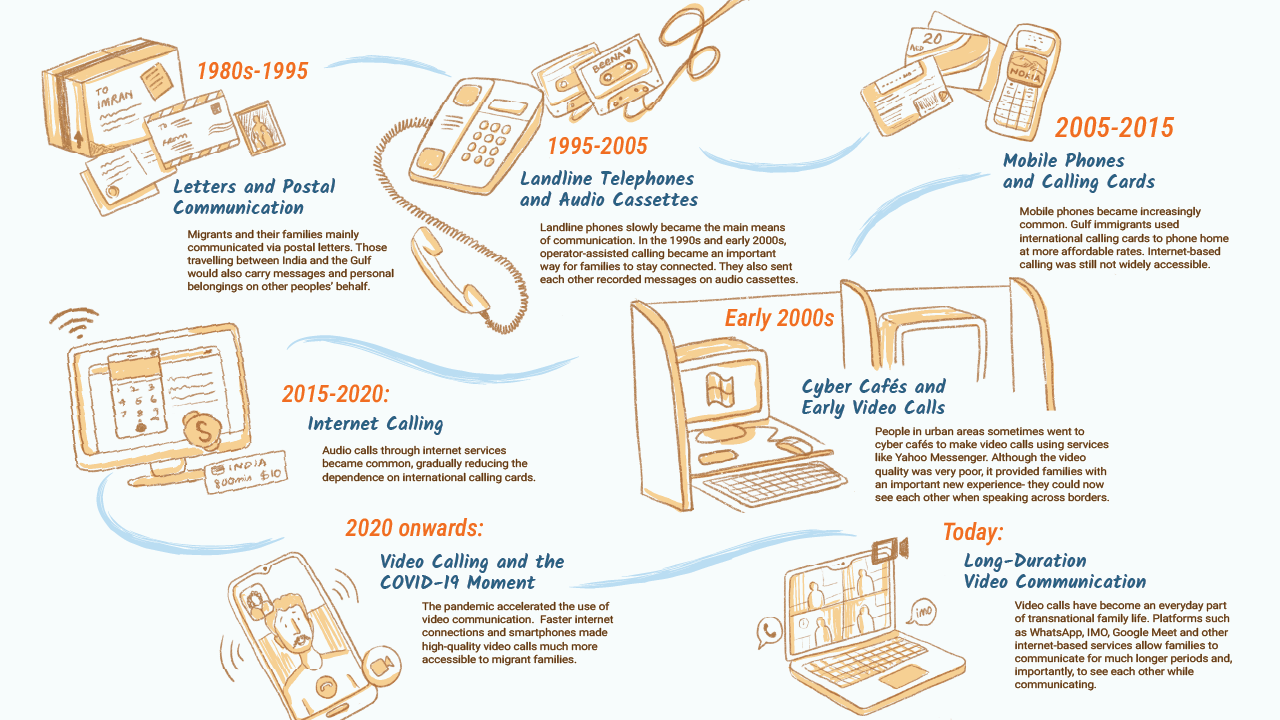
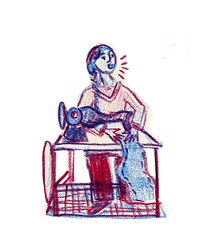
The villages of Bihar saw more people migrating outwards from the late 1980s. Back then, letters remained the primary means of communication with loved ones overseas for many years, a practice that continued well into the 2000s. What changed over time was not simply the presence of letters, but their frequency and form. In earlier years, letters were often long and detailed, while later they became shorter and less frequent as other forms of communication became available.
Around 1995, landline telephones began appearing in relatively affluent households in the villages, and migrants started making calls home, often once a month. By the mid-2000s, these landlines had become more common, with perhaps every second or third household having a connection, including mine. We got our own landline connection at our home in the 2000s. Ours was probably amongst the last batch of landline connections in my village, and quite a few people in our village were dependent on it.
After 2005, analog mobile phones started coming into our village. Most of these phones were sent home by male family members who were migrants living in the Gulf. Their keypads had Arabic lettering.
The analog mobile phone reduced the dependency of the village on my home landline phone. Yet even later, when landline phones came to our village, letters went out to migrants in the Gulf simultaneously because traditions take time to die. The letter was also more personal, affordable, and accessible than a phone. It was a quiet secret keeper, and one used to write one’s heart out.
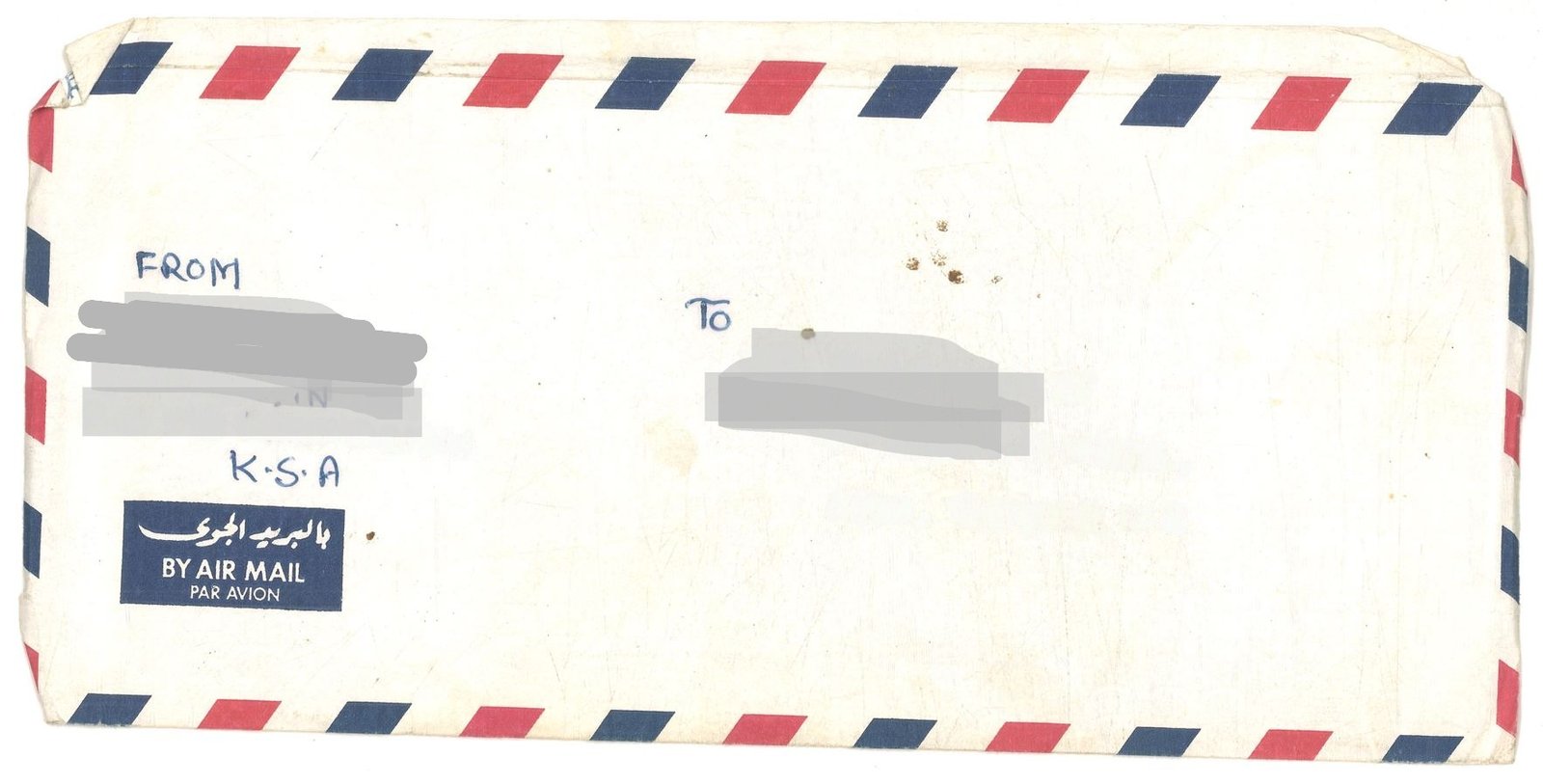
Us kids also wrote to Papa, who was in Saudi Arabia back then. Talking to him on the landline phone was very costly and only he could call us: we couldn’t call him. So, whenever some migrant from our village went back to the Gulf, we were all given the option to write letters which he would carry with him. All of us siblings would sit down and write religiously. Amma, Dada and us siblings used to write, and send the letters along with Amma’s specialty foods like khasta and bhooja, which she makes at home. All the foodstuff and other items would get packed and stitched in a cloth and then sent along with the letters to Papa. I remember once Papa wrote back once mentioning my name.“Jab bhi Nehal ka khat aata hai, main kai maah tak usko padhta hoon.”
This was the first time I had heard the Urdu word “maah”, and in my young years, I could not properly comprehend the intensity of this line. It was only when I grew older and learned Urdu that I fully understood the meaning of this line: I came to know the meaning of “maah” is month.
The essence of my father’s letter was that he would read my one letter over and over again, for many months.
Thus, even though the landline telephone was quite common, letters were still being used for various reasons, such as having emotional conversations, conveying secret information, and allowing newlywed girls a chance to communicate with their husbands without the presence of their in-laws. Once, one of my aunts wrote a 14-page letter to her husband to discuss issues with her in-laws which stemmed from disagreements regarding the consumption of milk in the household. This became the talk of the town. Usually, young married women living in joint families had fewer opportunities to speak privately with their husbands. Landline telephones were often kept in the men’s section of the house, making them difficult for women to access freely. In this patriarchal setting, letters offered women a greater sense of autonomy, allowing them to communicate with their husbands in their own time and with relative privacy.
Letters and phones were not static mediums either: they changed significantly. During the era of letters and phones, yet another mode of communication was prevalent— recorded audio tapes. Migrants used audio tapes to record their voices and send messages to their families in India, and vice versa. My family did not engage in this practice because it was not highly respected amongst the elders, mostly because it was often used by newly married couples. While letters gave women a certain degree of autonomy and freedom, audio cassettes took this a step further, becoming a relatively private and intimate form of communication. They were particularly popular amongst newly married couples separated by migration.
Given this context, a good-quality tape recorder was almost a prized possession in Bihar’s Gulf migrant households. Many migrants brought tape recorders back home as part of the goods they carried from the Gulf. The practice was simple: a woman could take the recorder into a private space and record her voice for her husband on a cassette. Unlike a short telephone call, the cassette allowed her to speak at length and express a whole range of emotions—love, longing, anger, affection, romance, and even her intimate feelings—which could then be recorded and sent to her husband abroad.
This practice of exchanging audio cassettes was not just a practice in Bihar, but also wildly popular in Kerala, another major state source of Gulf migration. This became part of what has often been described as “cassette culture”. These cassettes were called letter songs (Kathu Pattu), in which songs and spoken messages became a way for couples and families separated by migration to maintain intimacy across distance.
Then the coin calling system emerged and spread to smaller villages, especially in the 1980s and 1990s. Migrants used coins for calls to landlines, with one coin equal to one minute. Another method was operator calling, often considered illegal (with someone in-between connecting our calls) but still used frequently. This allowed migrants to talk for longer hours and at any time of the month or day. The operator calling system worked by an unknown person informing you that you would receive a call from Hafeez Bhai, and after waiting for some time, Papa would start speaking. This marked the first time when talking to someone in the Gulf was easier, without the need to count minutes and seconds. In this calling system, someone would act as an operator who connected the call between the migrant and his family. There was always the possibility that the operator could hear the entire conversation. I remember that my father usually preferred to use a Malayali operator.
Once, I answered the phone and a Malayali man started speaking to me in English. I could not understand what he was saying, so my elder sister took the phone from me. Later, she poked fun at me, saying, “You can’t even understand a single sentence of English!”
The advent of mobile phones, somewhere around 2005 in our village, changed everything. Mobile phones now provided private spaces for conversations. Initially, migrants used mobiles, especially GSMs (Global System for Mobile Communications), while families in Bihar used landline phones to speak with them. Later, both families and migrants began using mobile phones, leading to the removal of landline connections from homes. With mobiles, people could call their loved ones anytime and anywhere, transforming the concept of accessibility and distance. Women would go upstairs to talk to their husbands in private. Another reason to go upstairs was network problems: one could not call easily inside the room. Either one had to go outside, or to the backyard of the house or terrace. In the initial years of analog phones, most of the time, phones were kept on terraces. They were placed on a wall somewhere, safeguarding the device from direct sunlight. Initially in the pre-internet era, there were options like calling cards for limited minutes. Papa would caution us to talk for five minutes when calling on someone else’s mobile, as he had bought a five-minute calling card.
After 2010, both my father and uncle returned home from the Gulf as they reached the age of 55 to 60 years. They were part of the first batch of men from our village to go to the Gulf. Today, the third generation is working there. With the changes across generations, the calling system has also evolved, and now, internet calling has become more affordable. Besides WhatsApp, other apps like IMO are accessible due to the widespread availability of mobiles and the internet. Today, talking on the phone has become far easier, as both parties are free to call each other whenever they get the chance.
Especially after the COVID period, the widespread use of smartphones in villages, along with the availability of cheap internet and Wi-Fi, have transformed the way migrant families communicate. Communication, which was once dependent on shared community resources such as a neighbour’s telephone or a public phone booth, has become much more individualised and immediate. Today, migrants and their families can speak almost every day and remain closely involved in each other’s lives. They know what is happening with each other in real time—through messages, photographs, voice notes, and video calls. It is certainly different from how things used to be.
I remember when we would visit the railway station to receive our father or uncle after years away. One of the first things they would say after seeing us was, “Itne bade ho gaye!” (“You have grown so much!”) They had only seen us occasionally- and as children, we would change dramatically between each visit. That is different now. With constant video calls and photographs, migrants can watch their children grow, see their families regularly, and remain part of everyday life even from thousands of kilometres away. Communication has become almost seamless, and with it, the experience of distance itself has changed.
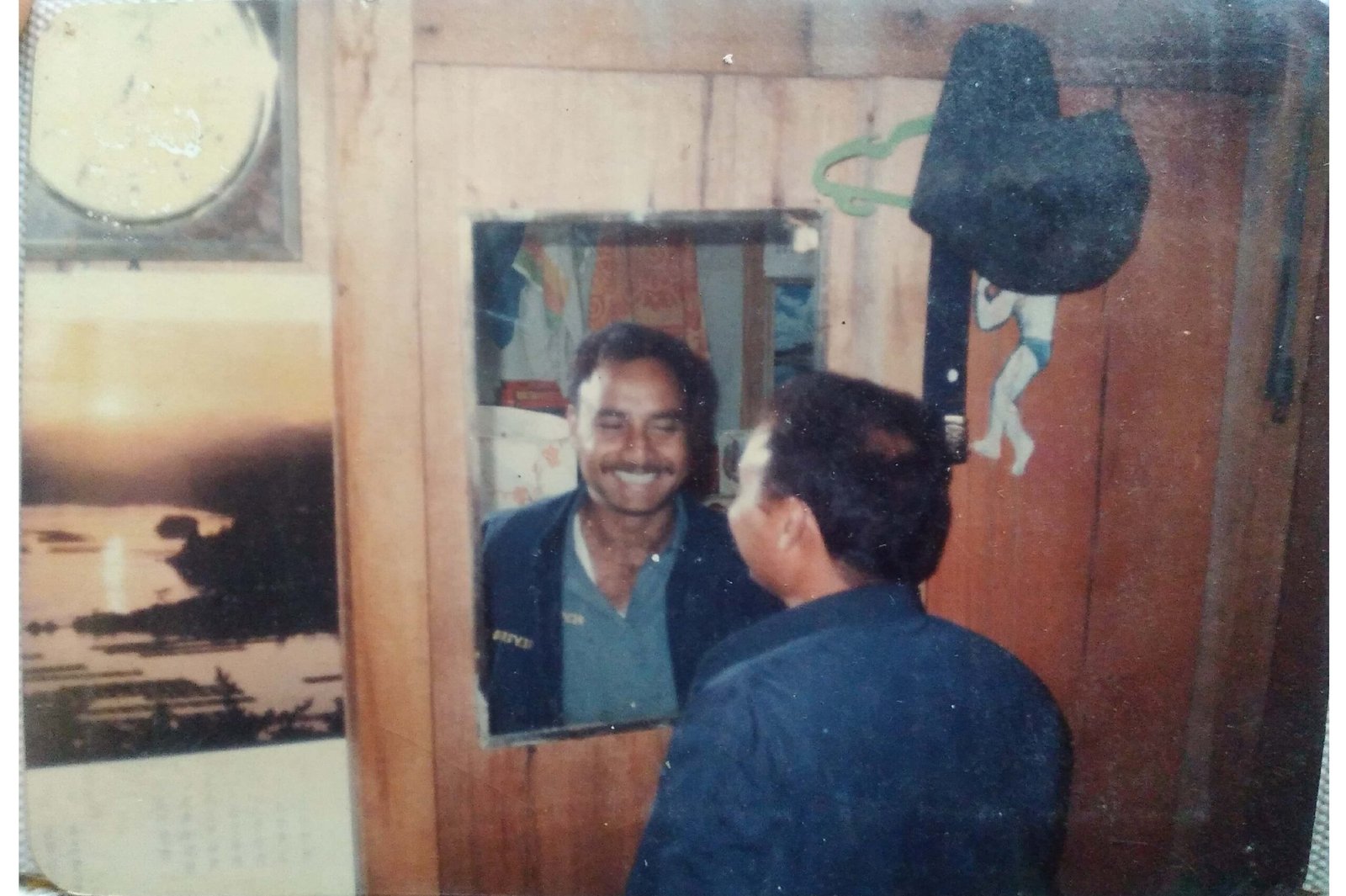
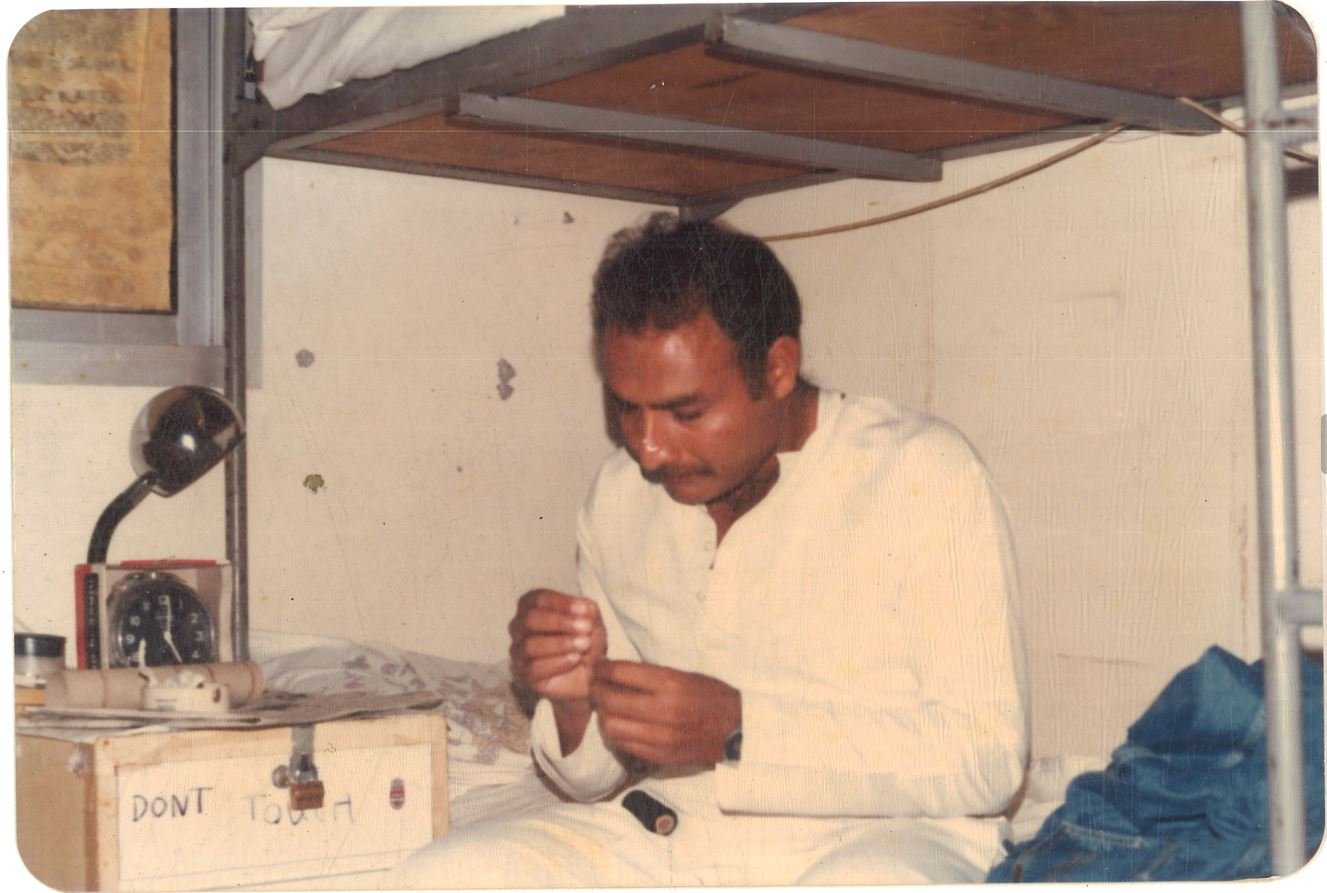
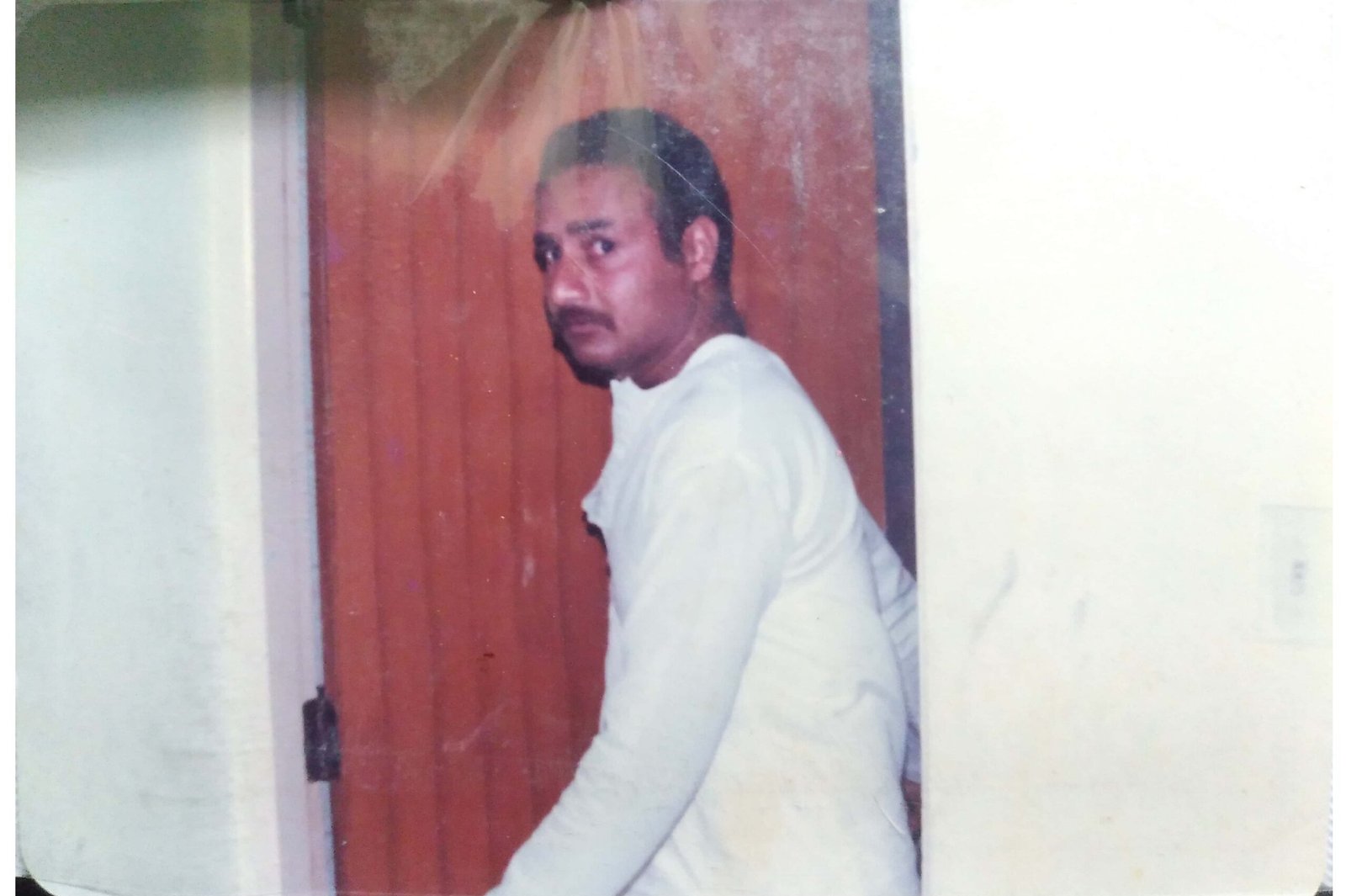
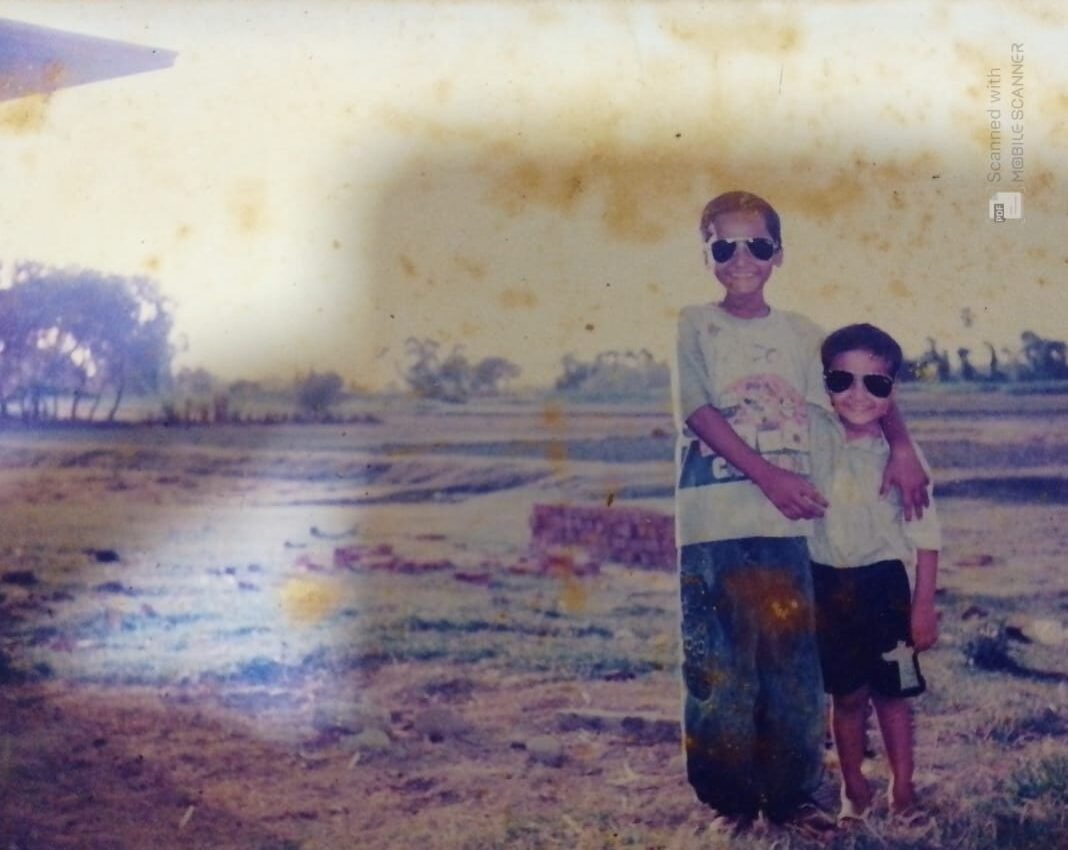
Another form of communication was visual, which was not considered as communication at that time. After the landline phone, the camera became the second most affordable item, and almost every household had one, initially manual and later automatic. Film rolls for cameras used to be expensive, so people typically reserved them for significant occasions such as weddings and festivals. Migrant workers would send film rolls to their families back home, requesting everyone to get clicked, and then the rolls would be sent back. Clicking photos was an event for us, and an expert person was requested to fix the roll in the camera, a task requiring special technical skills. The roll would then be sent back to Papa. He always got two copies developed. One he kept with himself, and the other he sent back via some person headed home. It is from one of those same envelopes in which he sent photos from the Gulf that I found the photos used in this article.
By the late 2000s, the second generation of migrants had also started moving overseas to the Gulf, but their experiences were quite different from those of their parents. The first generation had spent years working abroad, educating their children and building a better life for their families. Now, their children were beginning to migrate to the same countries, but often for white-collar and managerial positions. This generation was also more familiar with newer forms of communication. With the spread of cyber cafés in urban India, particularly after 2000, Yahoo Messenger became an important platform for internet-based communication. Some migrant families living in bigger cities were able to use Yahoo Messenger for video calls, allowing them to see their relatives in the Gulf for the first time.
Yet video calling was still relatively rare. Many first-generation migrants did not know how to use these technologies, and they often depended on their children or educated relatives and friends to help them connect. I remember one of my aunts who would come to my brother’s room simply to ask for his help in connecting with her husband on Yahoo Messenger at a cybercafé. She wanted nothing more than to see her husband. Even when the connection was established at the café, it was far from seamless. Sometimes only the voice would come through without the video. At other times, there would be visuals but no sound. Sometimes the headphones would not work, the internet connection would fail, or a power cut would suddenly end the whole conversation. While this technology allowed families to see each other, the experience was often fragile and uncertain.
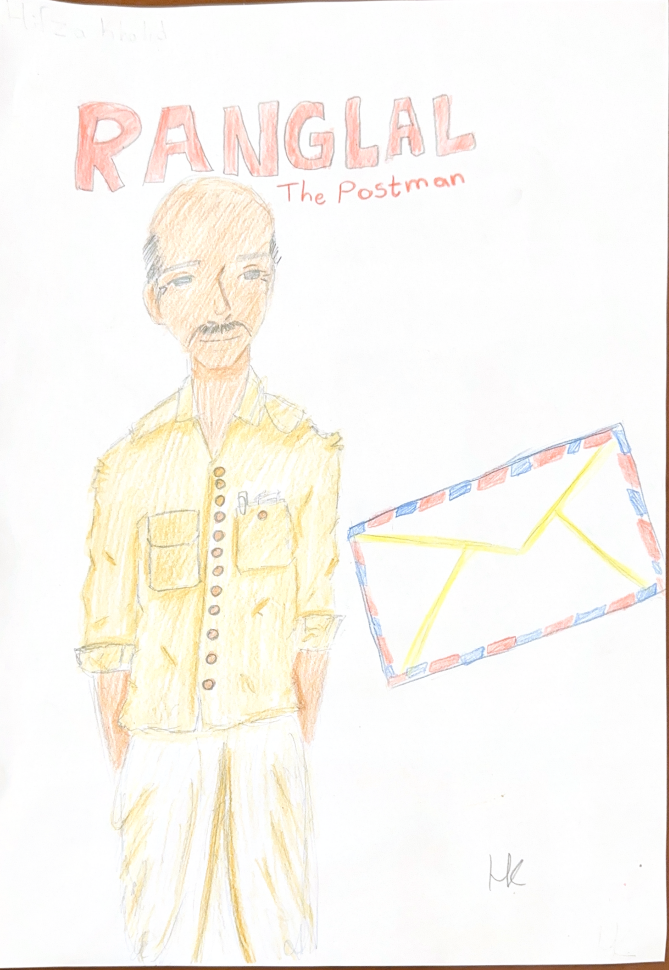
In this landscape of evolving communication, one more person played a crucial role—the postman of my village, whose name was Ranglal. Ranglal was also a tuition teacher, so while delivering letters and money orders, he used to give tuition lessons to kids as well. His home was very close to my village, and his post office was in my village. He was a trusted secret keeper and loyalty towards him from the entire village cut across all other considerations such as gender, religion, or caste. He used to ride a bicycle, and people would often ask him, “Ranglal, Hamari koi chitthi aayi hai?” (Ranglal, has any letter arrived for us?)
While cycling with one hand, he would wave his other hand and say, “Nahi aayi” (No, it hasn’t arrived). Whenever someone received letters and money orders, he would go to their house, hand-deliver them, and express his love by taking just 4-5 rupees from them. There was never any need to inquire with Ranglal about your mail because he never missed delivering it. Still, people asked him the same question every day.
Ranglal was also not just the person who delivered letters _ he was a great listener to people’s problems. He read many people’s letters and wrote replies for those who couldn’t read and write. Amidst the changing times, Ranglal was a constant in his dedication and love for the people of my village. I remember when Ranglal said there was no letter from loved ones in the Gulf just yet, people often shared their messages and whatever was on their mind with him, as if they would still be heard. I saw him in his old age and he was always on a cycle, people asking him about their letters, him replying to everyone without even looking at them.
Though he was an important person in our everyday lives and someone we eventually lost, we have almost no visual record of Ranglal. We remember his face, but the younger generations in our family do not even know what he looked like. Recently, my brother told his daughters- my young nieces- the story of Ranglal. My brother and his daughters are also migrants and currently live abroad. While telling them about the earlier ways in which migrant families communicated, he mentioned how sadly, we have no visual records of Ranglal. This seemed to affect my niece. She asked her father to describe Ranglal in detail—his face, clothes, appearance, bicycle, and other features. Using those descriptions, she created a caricature of him on her iPad. This is now the only visual representation of Ranglal that our family has.
In the end, it is an interesting twist of irony. The Gen Alpha generation that has grown up with smartphones, tablets, and endless visual communication finally had to draw by hand to recreate the image of someone from an earlier generation- simply because no photograph of him survived.
Nehal Ahmed is a Research Fellow with Arisi Policy Lab. His research interests consist of Indian cinema, world cinema, and migration studies. Nehal runs a multimedia project on Gulf migration called The Pardesi Project.
This is the second of a two-part essay and has been co-published with the Arisi Policy Lab