KRUSHNAPRASAD BLOCK, Odisha: Laxmi Behera (52) of Arakhakuda village in Odisha’s Puri district, was busy packing her son’s luggage and making sure not to forget the food. Her son, Sumant Beherat (22) works in a fishing trawler company in Mangalore, Karnataka, and was returning to work after a two month break.
“Mo pua chilika machha aau ambula khaibaku bhalapaye (My son loves eating Chilika fish, and dried mango). I prepare ambula during summer and store it. This home-made ambula is the only thing that binds a connection between my children and home,” said Laxmi while packing ambula in polythene packets.
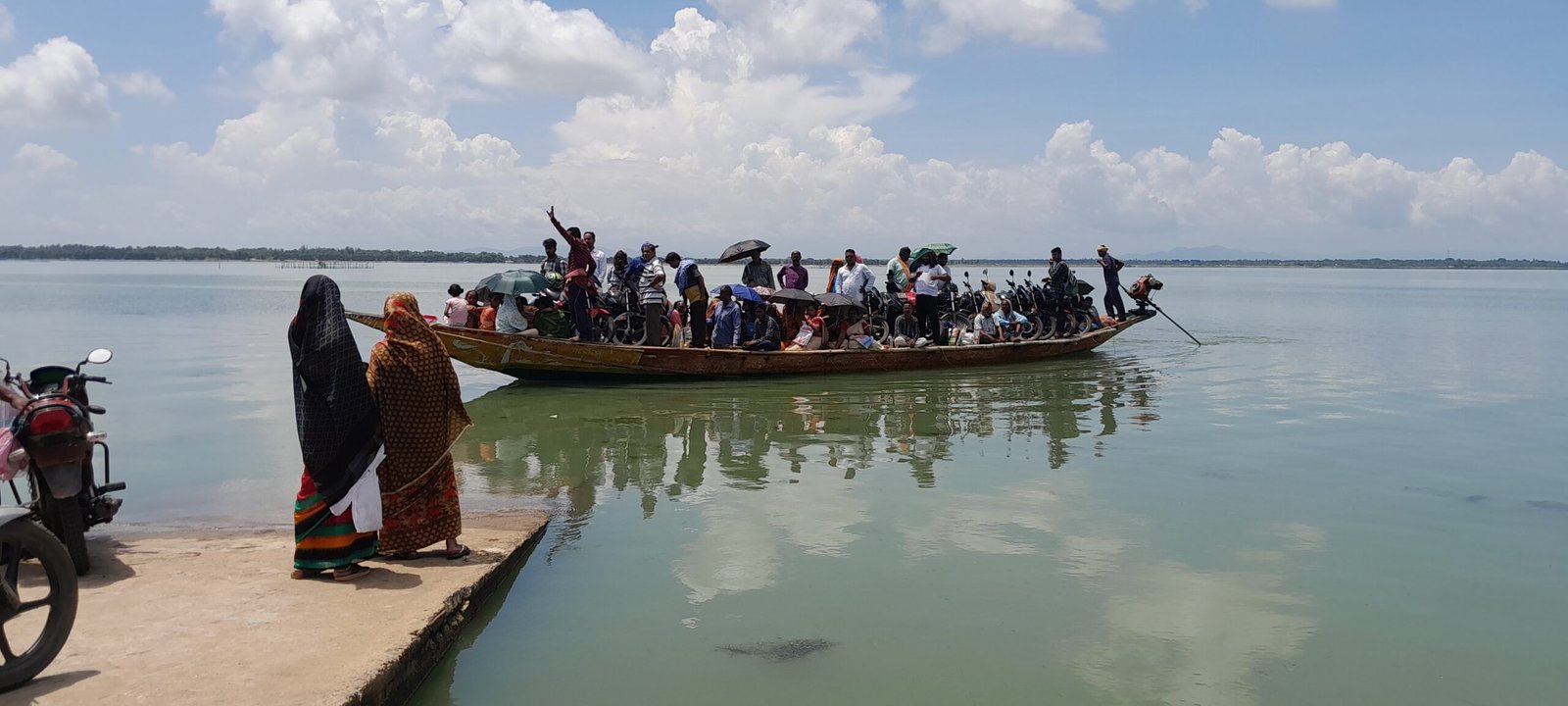
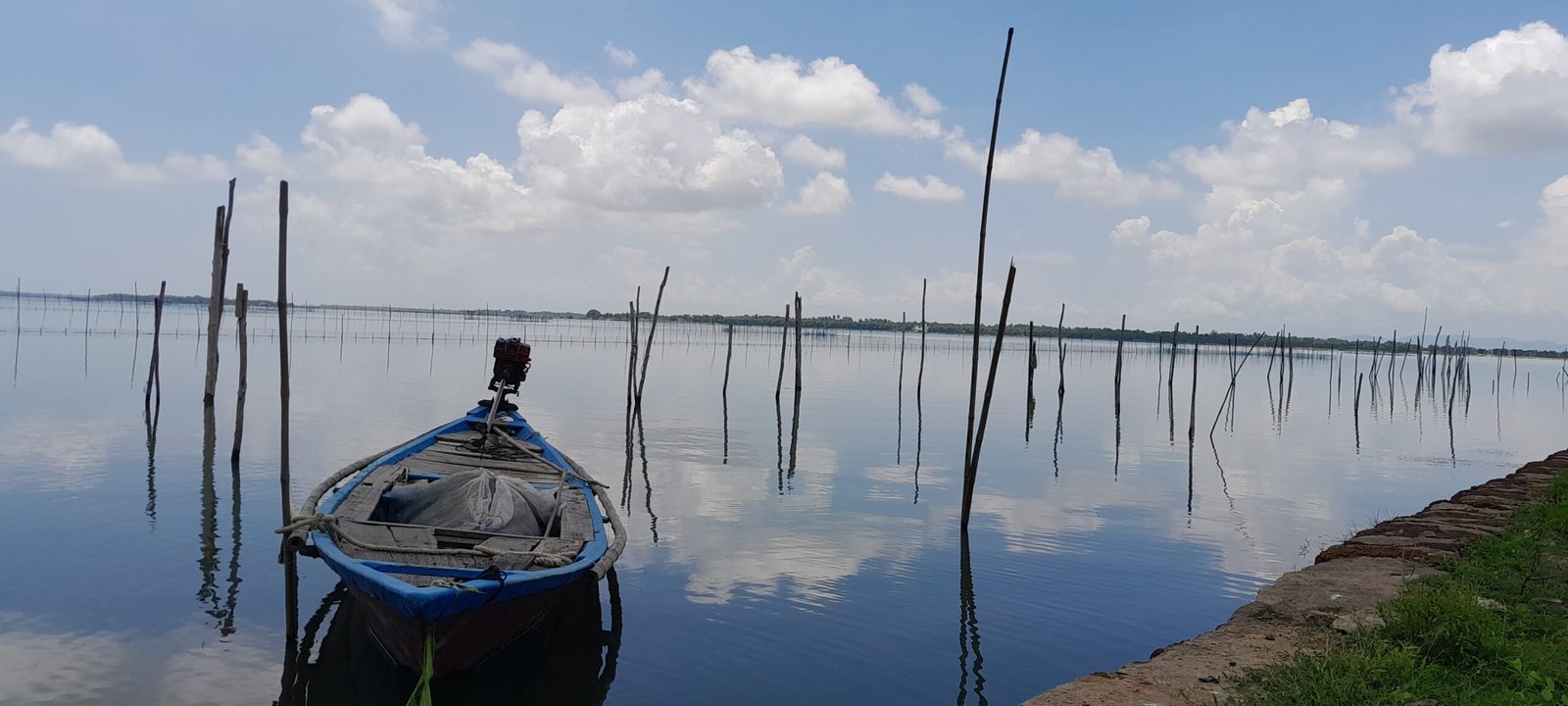
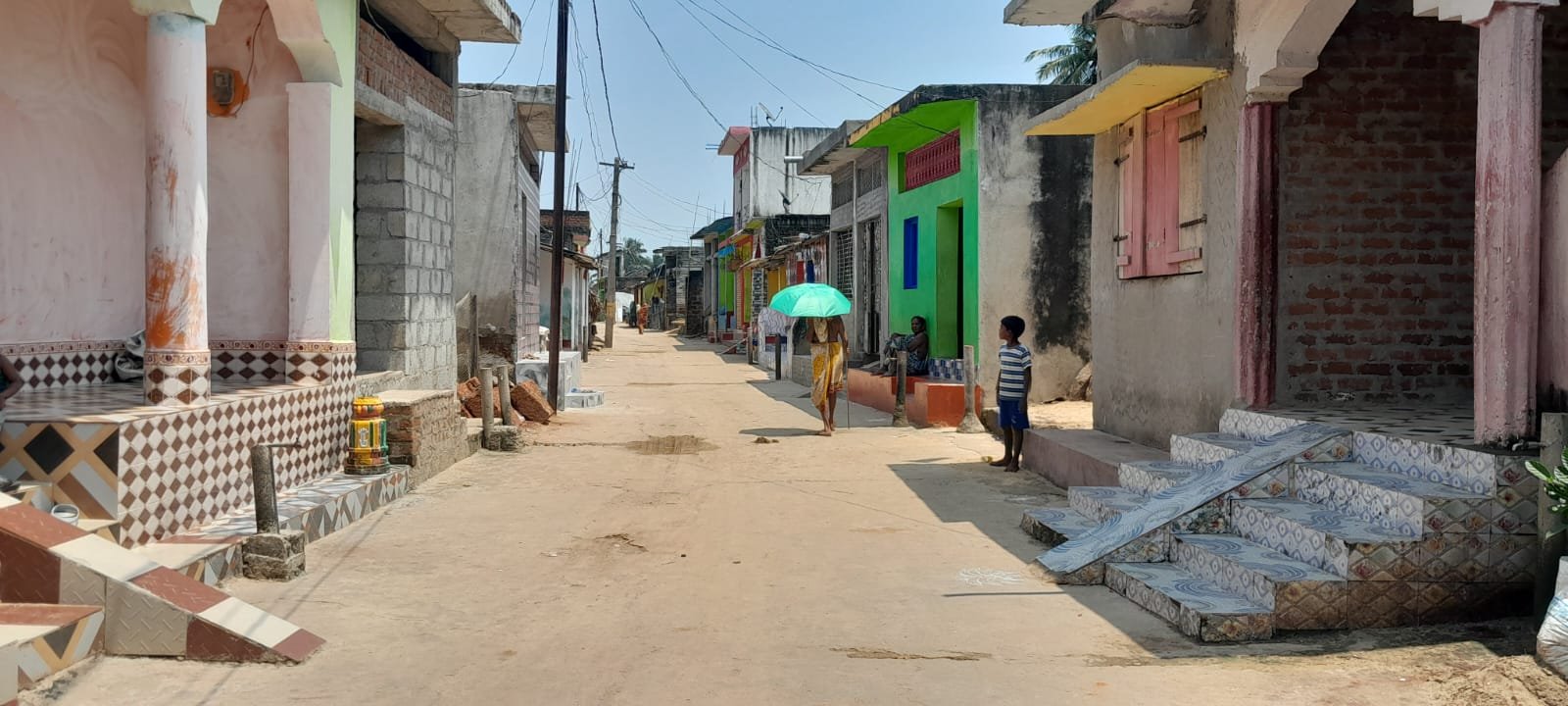
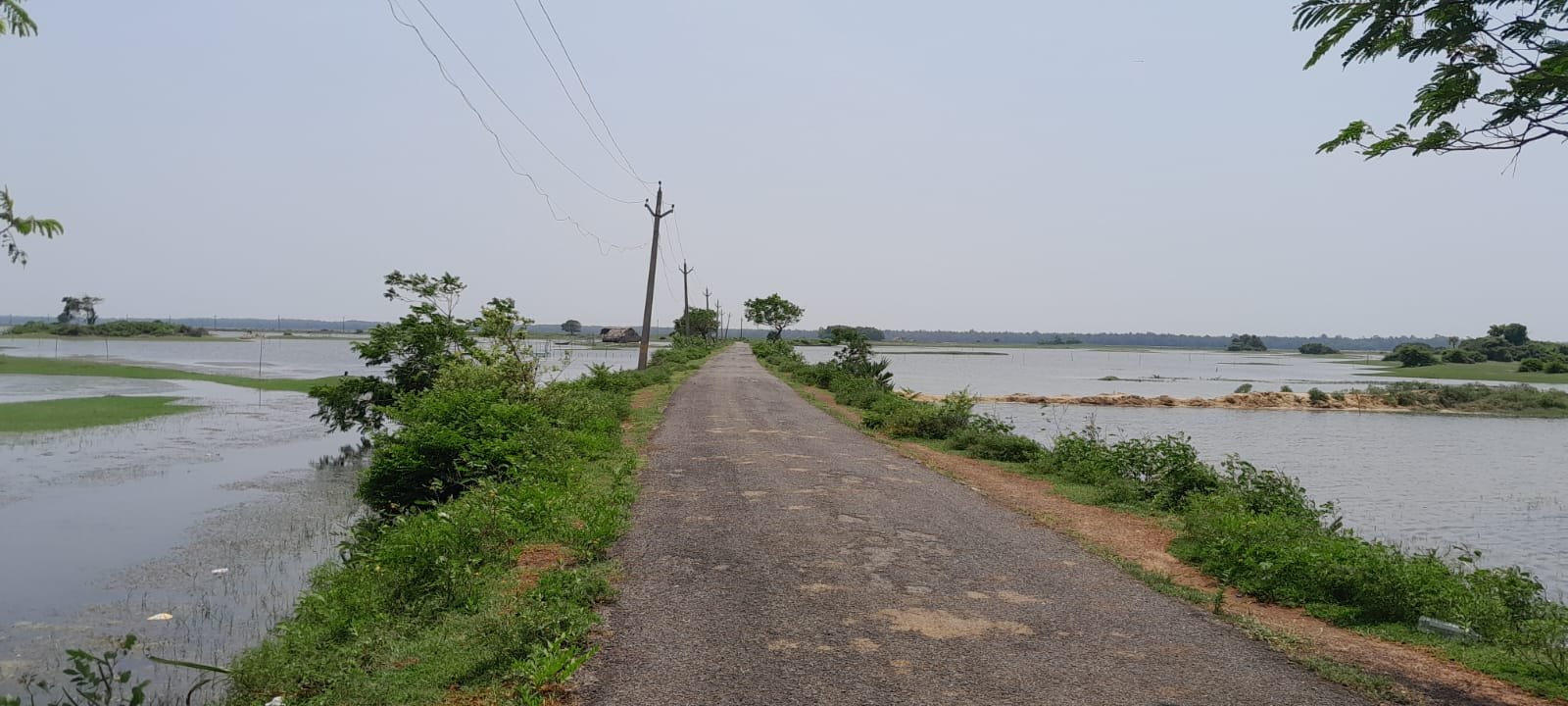
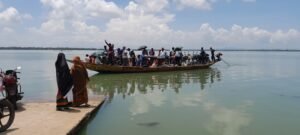
Arakhakuda is a coastal fishing village with a population of nearly 8,000, on the shore of Chilika lake. Laxmi Behera’s family lives along the lake, which is the largest brackish water lagoon along the east coast of the Indian sub-continent and second largest coastal lagoon in the world. The lake spreads across Puri, Khordha and Ganjam districts, and empties into the Bay of Bengal.
Who keeps cities running and homes sparkling?
Follow The Migration Story’s nuanced coverage of India’s massive informal workforce.
Chilika is classified as a Ramsar site – a wetland of global conservation importance. It covers an area of 900 square kilometres in summer, and 1,165 sq km during the monsoon. It supports the livelihood of more than 2 lakh fisherfolk and is central to the regional economy.
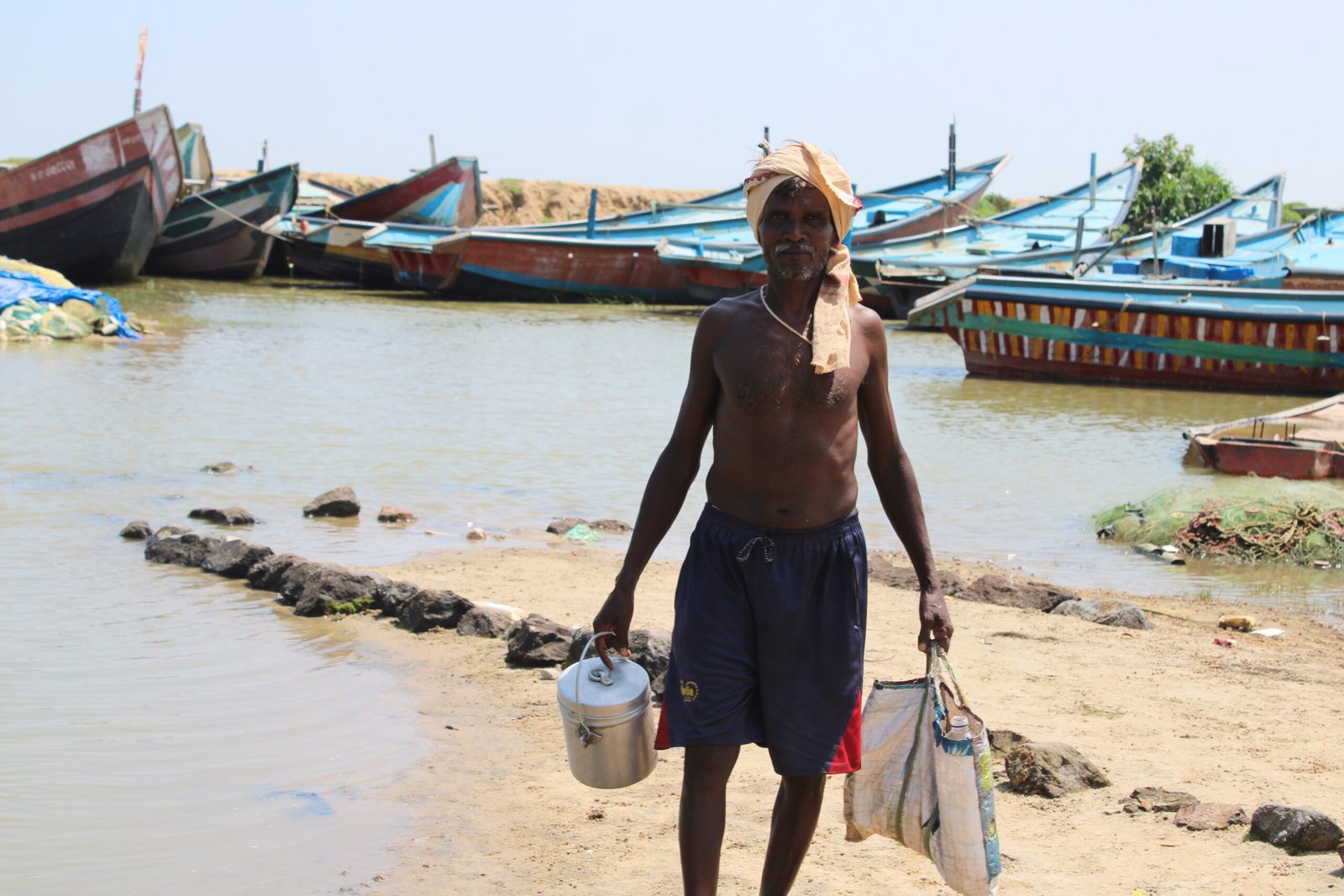
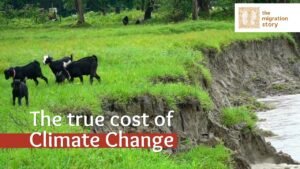
But traditional fishing is not lucrative anymore because of declining fish populations in Chilika. Due to extreme weather conditions, land use changes and the impacts of climate extremes, fish catch in Chilika lake has declined. Now young fishermen are migrating to cities to work in apparel factories, construction sites, and trawler companies. The impact of this shift in profession is not just economic. It has led to loss of identity, traditional knowledge and skill, and left the entire burden of household work on the community’s women, locals said.
For 22-year-old Sumant Behera, the young migrant worker, his life is quite different from that of his forefathers. He left his newlywed wife at home when he followed the other youth of his village and migrated to Mangalore to work for a trawling company.
The fishing trawler company in Mangalore pays Rs 12,000 a month, barely enough to scrape through after sending money home, said Sumant. The 10-month job entails that they leave for Mangalore around August and return home in June.
Kailash Chandra Behera, a teacher at Project Primary School Harachandi Sahi at Arakhakuda village, recalls that agents came to persuade young men in the village to work in trawler companies in other states.
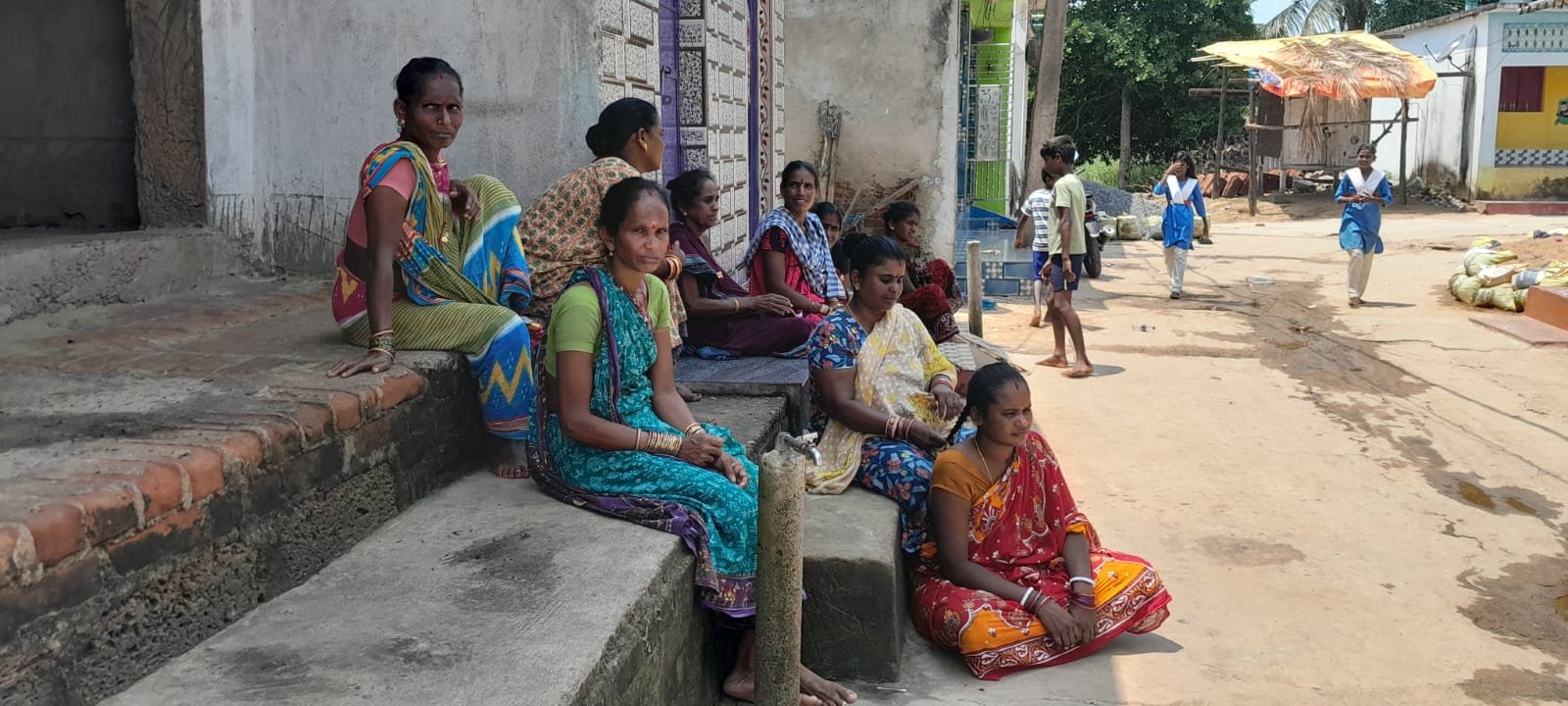
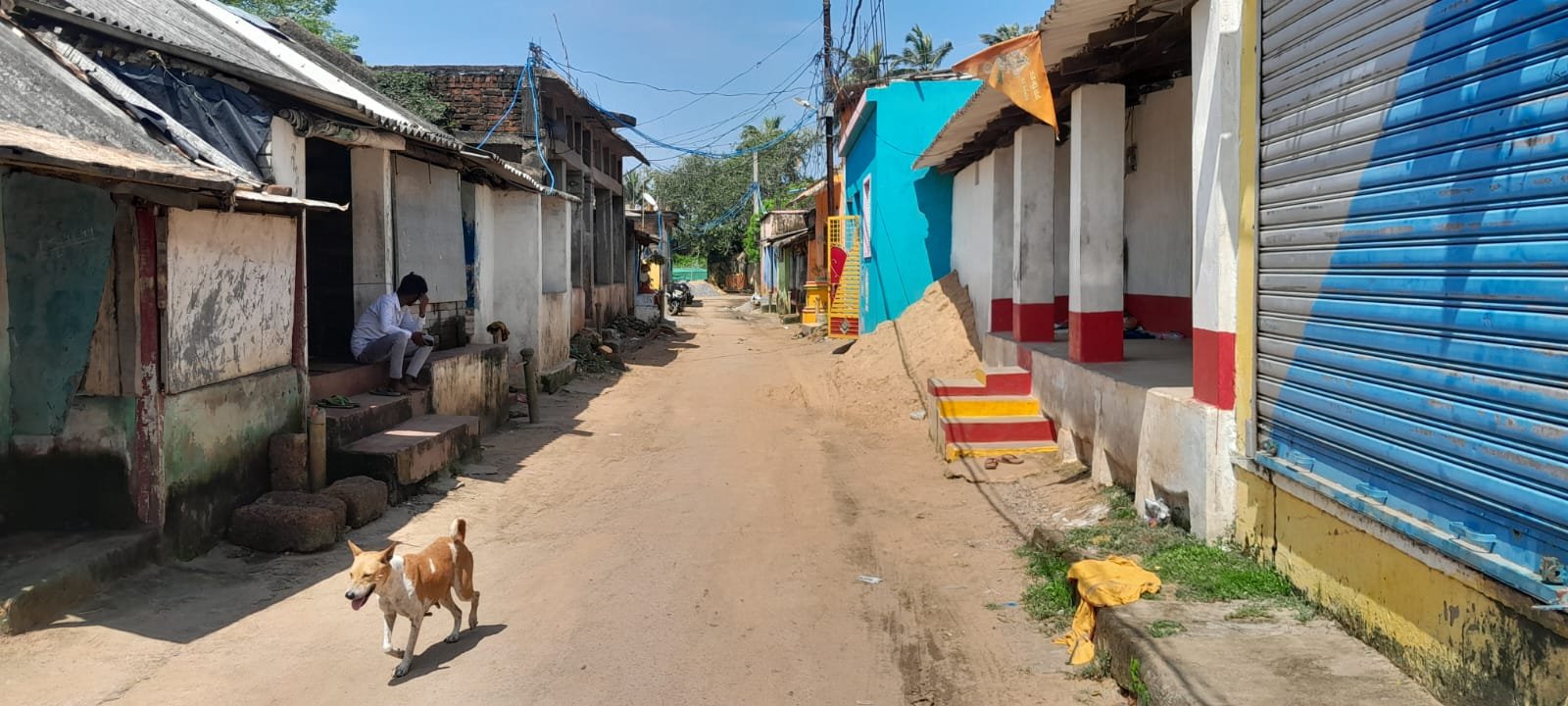
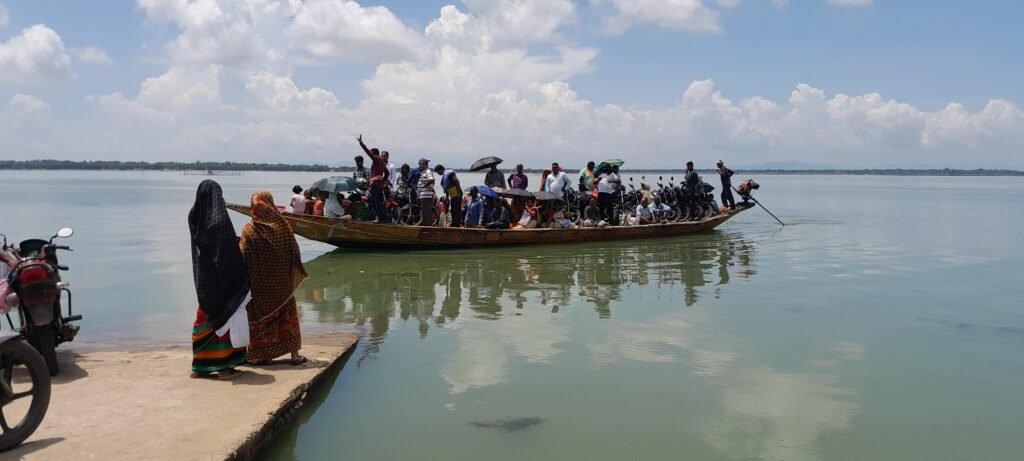
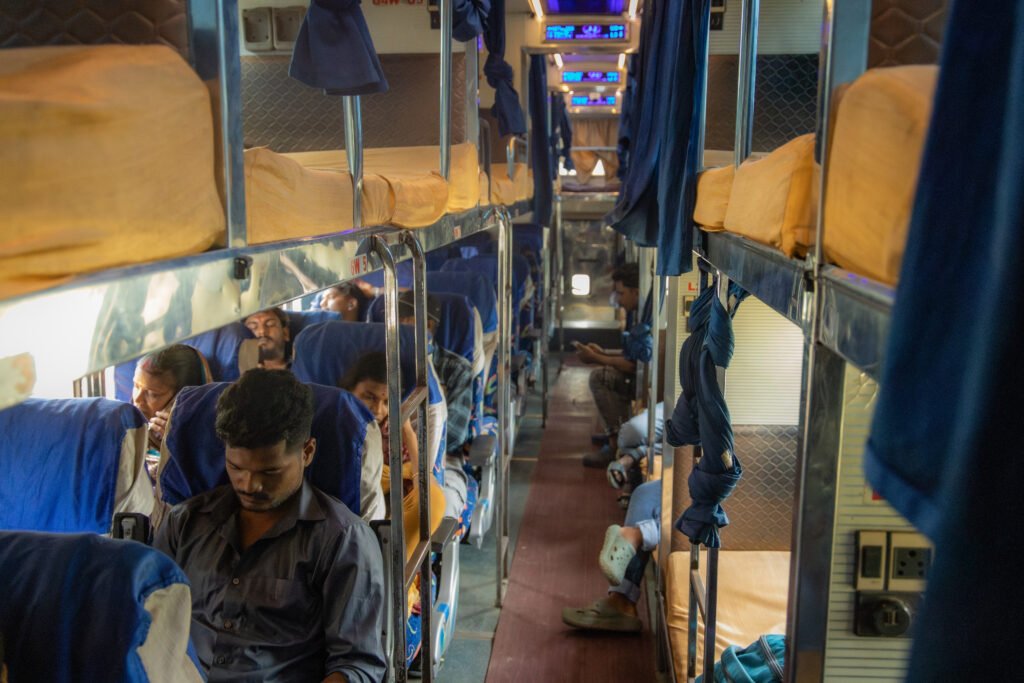
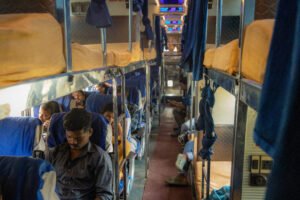
Now they send a bus to pick up youth workers. “Most men go to work in Tamil Nadu, Goa, Karnataka and Kerala. And, during those 10 months, most villages on the shore are empty. You will find only women, elderly and children,” Kailash Chandra said.
A SHIFTING LIVELIHOOD
Like many in the village, Sumant learned fishing from his father by accompanying him into Chilika lake. He started at age 13, during summer vacations and other holidays. Sumant finished his schooling up to the 10th grade.
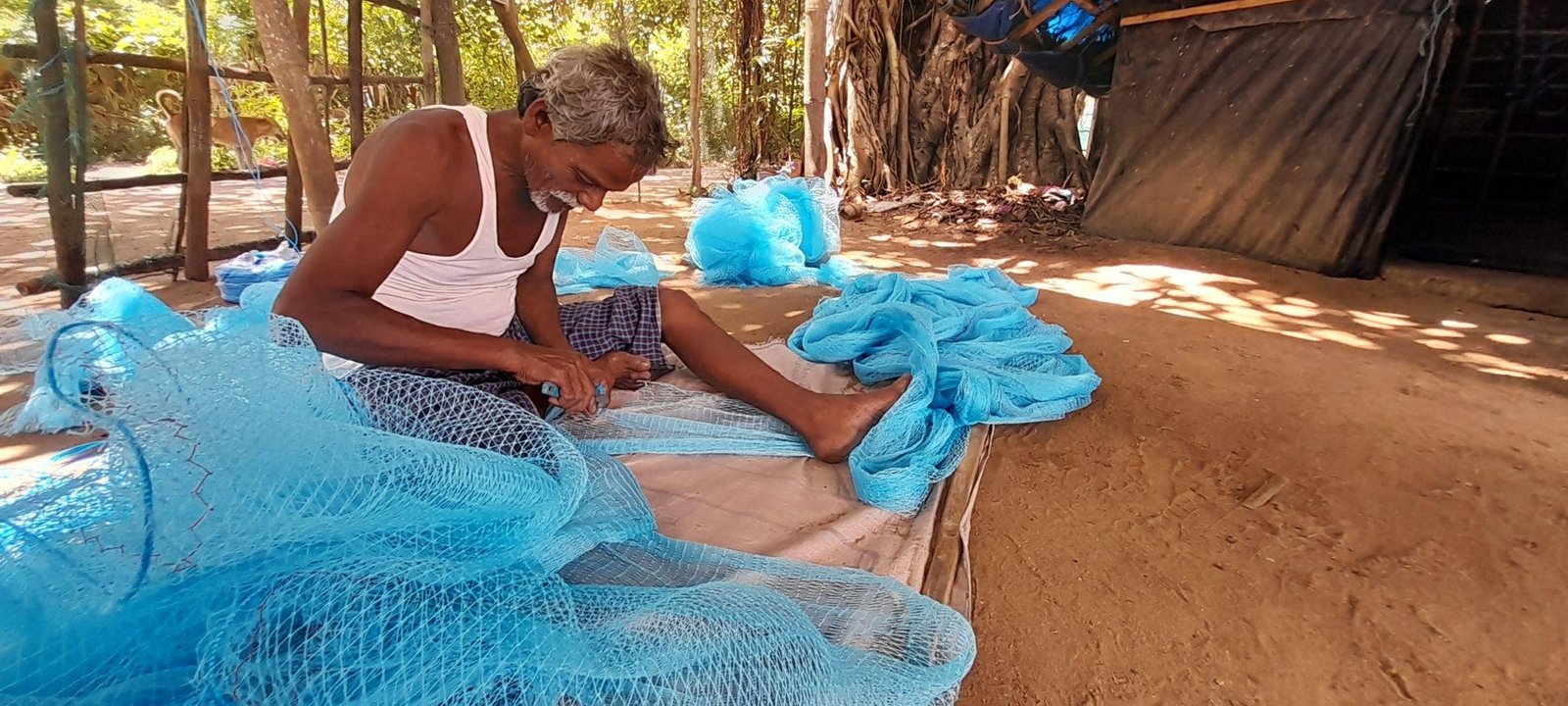
“This is the skill I and others have inherited from our forefathers, and this helped us acquire jobs in Kerala, Goa and Mangalore. It is a skill that [the fishing community] pass[es] from generation to generation in our Kaibarta community,” said Sumant, who used to watch his father and other fishermen discussing the weather forecast and breeding season.
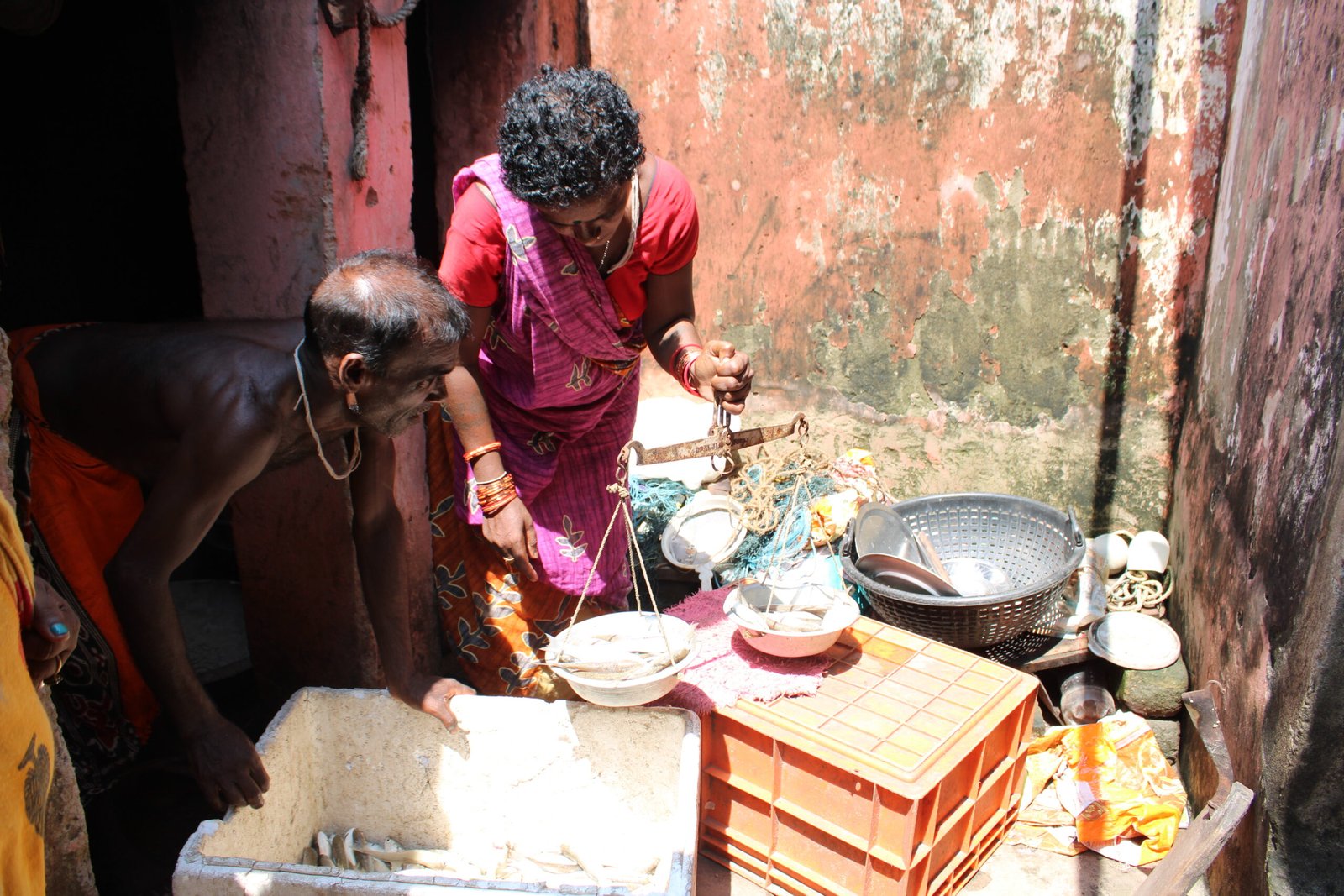
The fish they caught would be divided among themselves; some would be kept at home for consumption and the rest sold in the market.
But when the fish catch declined, the young men started migrating to other states,. and the impact of Cyclone Fani further impacted fish catch.. Young women from the villages also began moving to cities to work in seafood processing units. Many now work as daily wage labourers in cities as they have to look after their families in the absence of their husbands.
Life changed when the fishermen migrated to work in the trawler companies.
Villagers from Arakhakuda, Khirisahi, Berhampura and Janhikuda said fishing earns them between Rs 200 and Rs 300 a day but this is not constant. However, trawler companies, seafood processing factories or apparel factories pay them Rs 12,000 to Rs 14,000 a month, which usually meets their needs. As a result, many fishermen migrate out of the village.
“For months, we stay in a trawler and fish in the Arabian Sea and do hard work. At the work place we have no voice, even if you don’t like to continue, you cannot return home,” said Sumant.
Like Sumant, 36-year-old Bachhan Behera started working in a trawler company in Mangalore three years ago. “The reason [for] migrating outside my village is decline in the fish catch in Chilika, which has been caused by extreme weather conditions and opening up of sea mouths,” he said.
It’s a tough life away from home, the young men said. After spending 20-25 days at sea, they return to the shore. It is stressful as the young fishermen are completely cut off from their family and friends.
Many young men stopped going after a few years and some shifted to other livelihoods. “I have learned only this skill so it is difficult for me to take up other work,” said Bachhan..
“Since my marriage when I came to this village, I had not seen men migrating. Even my husband did not migrate for work,” said Laxmi Behera, Sumant’s mother.. “Whatever we were catching from Chilika, we were leading a good life. Now three of my sons are working in Mangalore and Kerala in trawler companies.”
Working outside brings numerous challenges. Twenty-four-year-old Satish (name changed on request) is yet to come out of the trauma of his friend’s death while working in a trawler company in Mangalore.
“The boat turned and three of them fell into the sea. Two of them swam to safety but my friend couldn’t as his leg was trapped in the net. I couldn’t sleep and work, so I returned home,” he said.
A study by researcher Bushra Ali Khan titled “Chilika Lake and Climate-induced Migration: Bridging Legal and Policy Gaps for Displaced Communities looked at the complexities faced by displaced families who migrate to urban areas in search of security and livelihood.
Without formal recognition or state support, migrants struggle to access essential services such as housing, health care and education. They are frequently pushed into informal settlements where infrastructure is inadequate and public services are difficult to access. This marginalization reinforces cycles of poverty and exclusion making it difficult for displaced populations to integrate into the social and economic fabric of cities.
Subashis Behera, 51, of Khirisahi village was one of those who struggled. Although he left for Bengaluru to work in an apparel factory, he returned after a few months.
“We are fishers, we love going into Chilika for fishing. I felt suffocated working for hours inside four walls so I left. I am fishing in Chilika although the income is meagre,” said Subashis.
CHILIKA IS NO MORE THE “RICE BOWL” OF FISH
Umakant Mohanty, an activist working for the rights of fishing communities on Chilika shores explained the structural changes that eventually led to fish catch decline. Traditional fishing communities had full access to fish, and depended on Chilika lake for their livelihood for generations. The non-fishers were only fishing for their own consumption.
Later these fishing areas were leased out to cooperatives. “Since the 1970s a steady increase in the global demand for fish and a consistent decline in the total yield from capture fishery sources have brought aquaculture development to the forefront,” Mohanty said.
Traditional caste-based fishing communities who used to hold customary fishing rights over Chilika were using indigenous gear like barrier nets (Khanda), gill nets and traps (bejas) for fishing. With time their fishing areas were encroached and converted into shrimp farms.
“We had rights over Chilika for catching fish, until the government started leasing out to non-fishing communities. Later, this became another threat for traditional fishers as the non-fishers started encroaching most parts of the lagoon for shrimp cultivation,” Upendra Karan (54) a fisherman at Berhampura village, an island on Chilika lake told The Migration Story.
Eventually, in 1991 the government divided Chilika lake into separate zones for culture and capture and granted legal rights to players outside the traditional fishing community.
Author Ranjana Padhi writes in her book ‘Resisting Dispossession, The Odisha Story’ that these non-fishers ‘took over almost 75 percent of Chilika.’
By 1990, Chilika lagoon was experiencing heavy sediment buildup that blocked the inflow and outflow to the Bay of Bengal. The existing opening with the sea was barely functional creating further problems in hydrological interaction between the sea and the lagoon.
Sources told The Migration Story that in 2001, instead of clearing away sediment buildup in the 32 kilometer-long Magarmukh channel connecting Chilika to the Bay of Bengal, the state government decided to open an artificial mouth. The mouth was positioned in an area that increased the severity of daily tides.
Banamali Jena, was the joint secretary of the Chilika traditional fisherfolk joint committee at the time. “We urged the officials of the Chilika Development Authority to clear siltation by dredging old sea mouths at Arakhakuda as it was clogged due to regular siltation. But they didn’t heed to our plight, instead they opened a new sea mouth at Sipakuda. This has impacted the production of Khainga fish (flathead grey mullet) from Chilika, which had a good commercial demand,” Jena said.
Jena said the villagers of Berhampura and Mahisha, which are situated on an island, were the most affected by the opening of a new sea mouth. The two villages used to get sufficient Khaniga fish from the Marei river flowing through their village. But the opening of the new mouth completely depleted fish numbers.
“Due to decline in fish catch, less fishing area, control of mafias on lagoon, climate change and opening up of artificial sea mouth vulnerability of traditional fishers increased”, said Jena.
OF CYCLONES AND MIGRATION
Nagendra Behera (43), a fisherman, rues the crisis. He said extreme weather conditions and frequent cyclones have ruined their livelihood.
“Chilika amara Maa aau macha dhariba aamara jeevan, Chilika is our mother and fishing was our way of life. From venturing into [the] sea, catching fishes, shrimps and crabs, we were leading a better life,” said Nagendra. “Earlier, we were following a seasonal routine to catch fish, shrimp and crab, but later, we started fishing throughout the year, catching all sizes of fish, even juveniles.”
Extreme climate events have aggravated the intensity and frequency of cyclones and these changes are poised to exacerbate forced migration in and around the region of Chilika lake. One study by Bushra Ali Khan mentioned above, suggests frequent extreme weather events, mostly cyclones, have resulted in migration since the loss of fish and other ecosystemic effects are not easy to recover.
The rise of cyclones like Phailin in 2013 and Fani in 2019 have led to infrastructure destruction alongside loss of livelihood for thousands. Research revealed that the fish stock in Chilika reduced by 30 per cent over the last ten years which has cropped over 2 lakh fishers and their families. The lack of a policy to address climate related displacement in Indian law leaves internally displaced climate migrants from the Chilika region unprotected and vulnerable, according to Ali Khan’s study..
Sisir Kanta Pradhan, an academic practitioner partly attributed changing salinity levels, decreasing quality of sediment discharge and other environmental factors to climate change. ‘The impact of climate change over Chilika needs to be viewed through an interconnected landscape lens as 52 rivers and rivulets flow into the Chilika,’ said Pradhan.
After Cyclone Titli in 2018 a new sea mouth opened at Chilika lake, about 2.5 km north of the existing one at Arakhkuda. The severe cyclonic storm Fani that struck the Odisha coast on May 3, 2019, made a landfall in Puri, a few kilometers away from Chilika lake and opened four new mouths.. While two were closed in April 2022, the others are still open, affecting the biodiversity of the lake and livelihood of the fishers.
According to Banamali Jena, joint secretary of Chilika traditional fisherfolk joint committee, the opening of more sea mouths changes the brackish quality of the lagoon. “The 52 rivers and rivulets, mostly polluted, flow into Chilika, impacting the quality and growth of fish,” he said.
When the income from Chilika declined, villagers could barely make ends meet and so started taking loans from local money lenders
“After Cyclone Fani fish catch from Chilika has gone down by 70 percent and many of the villagers started migrating.” Surjya Jena (48), a fisherman said. “Families in almost all fishing villages, households are burdened with loans and debt.”
“Families usually take loans for weddings, health crises or any other emergencies but by taking loans for their daily needs, the villagers fall into the trap,” said Umakant Mohanty, the activist. The fishermen look for more work to repay loans, and the vicious cycle to take loans to repay huge debts begins.
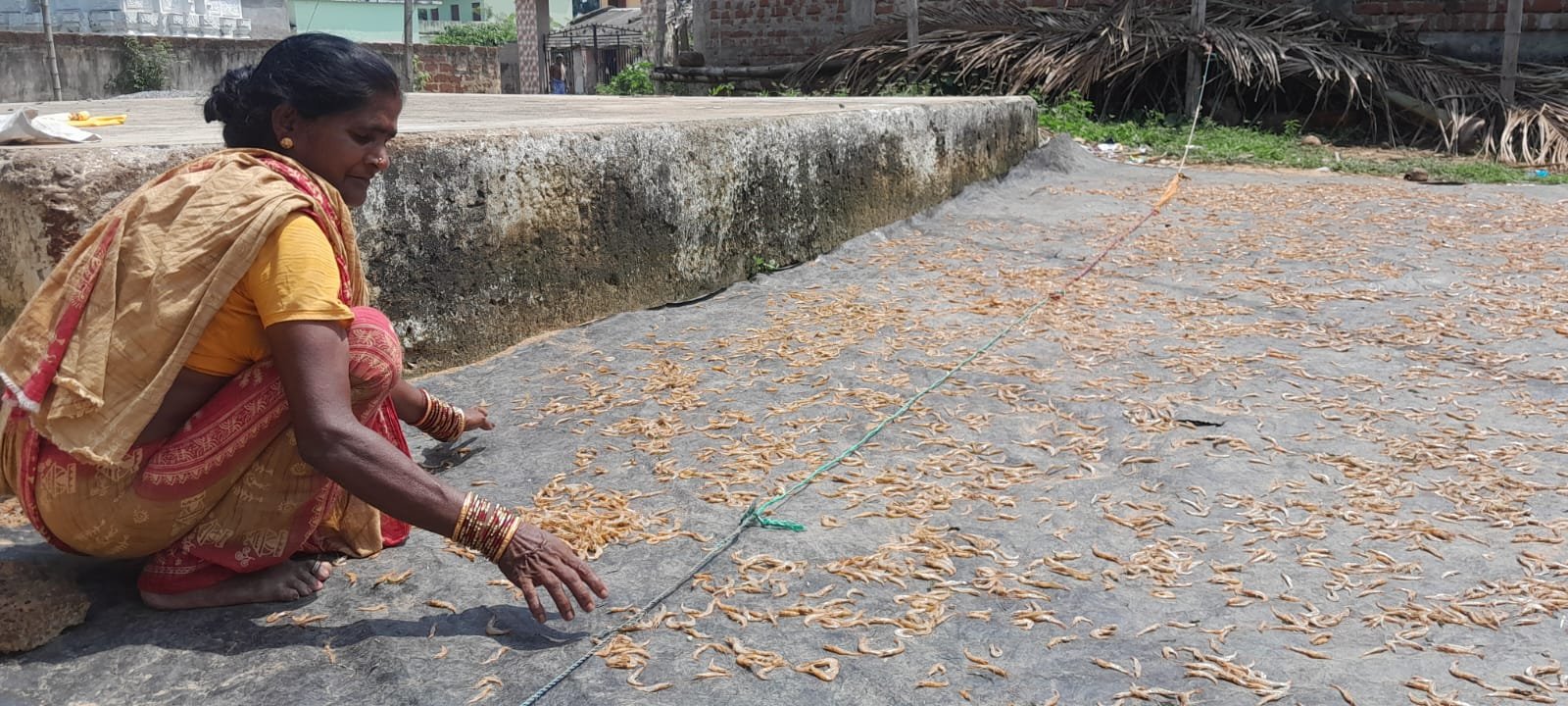
A few years ago, Chilika fisherfolk had a thriving business with high fish demand and a good catch. Fishermen would be out on the lake the entire night, said Chhabi Behera (43). “After they returned in the morning, women took over by cleaning the fish and sorting out in baskets to be taken to markets. Chilika fish fetched us good money.”
Some of the women would also go to far places such as Khordha and Bhubaneswar to sell fish. “After our husbands migrated to other states, we do not have fish to sell in the market. Instead, we go to the same cities to work in construction sites as daily wage labourers,” she said.
In 2019, 42-year-old Geeta Behera’s husband migrated to Mangalore to work in a trawler company. She rued her loneliness, particularly during festivals.
“We miss him, especially during festivals. We do not feel like making pitha (rice cake) or celebrating. The most painful moment is when we celebrate Sabitri brata (‘puja’ performed by married women for their husbands) without our husbands,” said Geeta.
The wives shared the many likes and dislikes of their husbands that they were mindful of, and now worry about their lives in the city even as they spoke of the adjustments they make at home in their absence.
“My husband likes pitha (rice cakes) but in worksites they eat at hotels or prepare in their small room,” said 33-year-old Priya Behera, whose husband also works in Mangalore. “He misses homemade food. When he comes home I prepare his favourite food items,” she said.
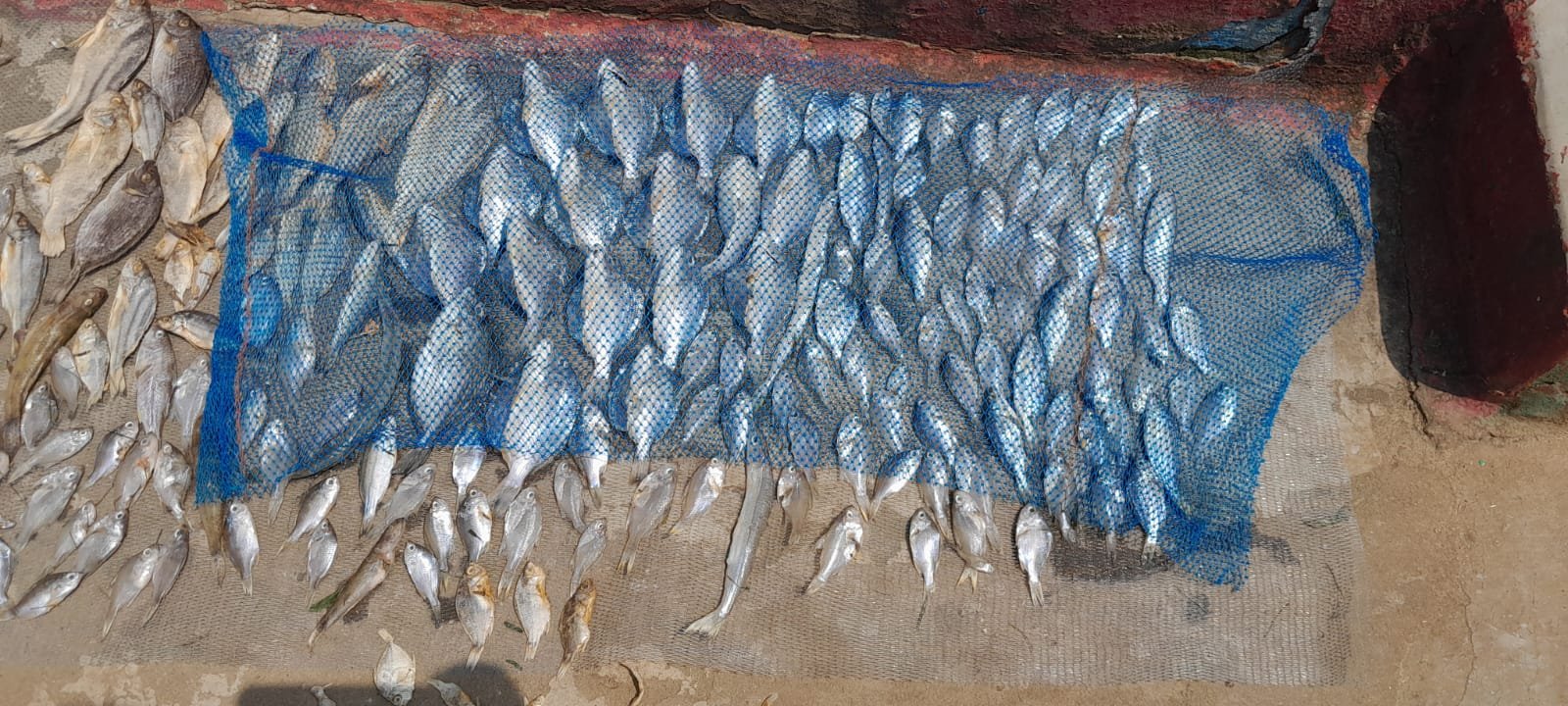
Meena Behera, 45 said earlier they used to eat fish thrice a day, but now it has reduced to one to two days a week. “When fathers have migrated, who will bring fish for children?”
It is a tough life for many in villages. “We get rice through the public distribution system (PDS) but we need money to buy food, clothes, tuition fees and to celebrate festivals. We take loans from Self-Help Groups, and wait for our husband to send money. Sometimes we also go to nearby towns to work as daily wage workers to support our family financially,” said Meena.
While the male members migrate for work, women have to stay in the village because of patriarchal social norms. “This leads to an increased triple burden of work on women- childcare, livelihood restoration and managing household chores,” said gender expert Upasana Ghosh.
“These increase stress and anxiety among women indeed. But the major challenge faced by these de facto women [led[ households…in the absence of their husbands is the intra household negotiation of power and resources,” she said.
Ghosh observes how women now have decision-making power in terms of resources control. “While the women are gaining more aspirations and empowerment, the initial struggle is real and profound.”
After a few years of Kabita Jena’s marriage, her husband went to Kerala to work as a construction worker. Since then she raised two of their daughters singlehandedly and made all household decisions. “It is difficult to take decisions in his absence, but I consult him over phone. Many times he agrees [with] my decision”, said Kabita.
But she also said that living alone and raising children as a single parent is difficult.
“When he leaves for work I get disturbed because I have to shoulder all the responsibilities alone. When my husband migrates for work I worry about his well being. During Covid I was very worried as he decided to stay there” she said .’ I always feel if there would be some work near our village or in Odisha, he could come home if there is any emergency.”
Fisherfolk from these villages start migrating when they are 17-18 years and work outside till they are 45-50 years. Women are left to shoulder the responsibilities of looking after extended families when they are still very young.
“Engaging them in activities will help them to live with dignity rather than working as daily wage workers,” said Bishnupriya Swain, coordinator of Alok Mahila Sangathan. The NGO counsels the women and engages them in activities like mangrove planting, incense stick making and other such work.
PIONEERING SCHEMES TO ADDRESS WELFARE SUPPORT
Odisha’s state labour department is continuously organising awareness programmes in villages around Chilika lake. One official, who requested anonymity, admitted that decline in fish, increased salinity of the lake, pollution, and erratic monsoon patterns have forced fishers out of their villages. “But for a safe migration they should follow certain procedures for families to get compensation in incidences of death and accidents,” he said.
Odisha’s Labour Commissioner has directed collectors across 14 districts to register interstate migrant workers at Gram Panchayat level with the involvement of Sarpanchs. Villagers and fishermen register their details with the Sarpanch so that if any incident – injury or death -occurs while they are away, the Sarpanch can support them.
Registering locally helps protect workers from exploitation, track returnee or outgoing movements and connect them with state backed welfare support.. Without registration, people run the risk of being left without compensation when facing hardship.
While Odisha is a pioneering state in implementing this Sarpanch registration scheme, villages rarely do so before migrating.
As climate change continues to build new challenges each year, the non-economic losses will unfold in new ways through the impacts of migration and changing gender roles, caution climate experts.
Those who migrate do it not as a choice, locals said. The men who migrate would prefer to be with their families and their village near Chilika, the lake which has given them livelihood, they said.
Prasad Jena, like many others, has had to make the choice to migrate, but not without a lament. “Once we were fishers. But now we are daily wage labourers in Kerala,” he said. “Sometimes it is difficult to accept.”
The author researched the story as part of Internews’ Earth Journalism Network (EJN) fellowship
Rakhi Ghosh is an independent Journalist based in Odisha. She reports on climate change, health, migration, food security and gender.