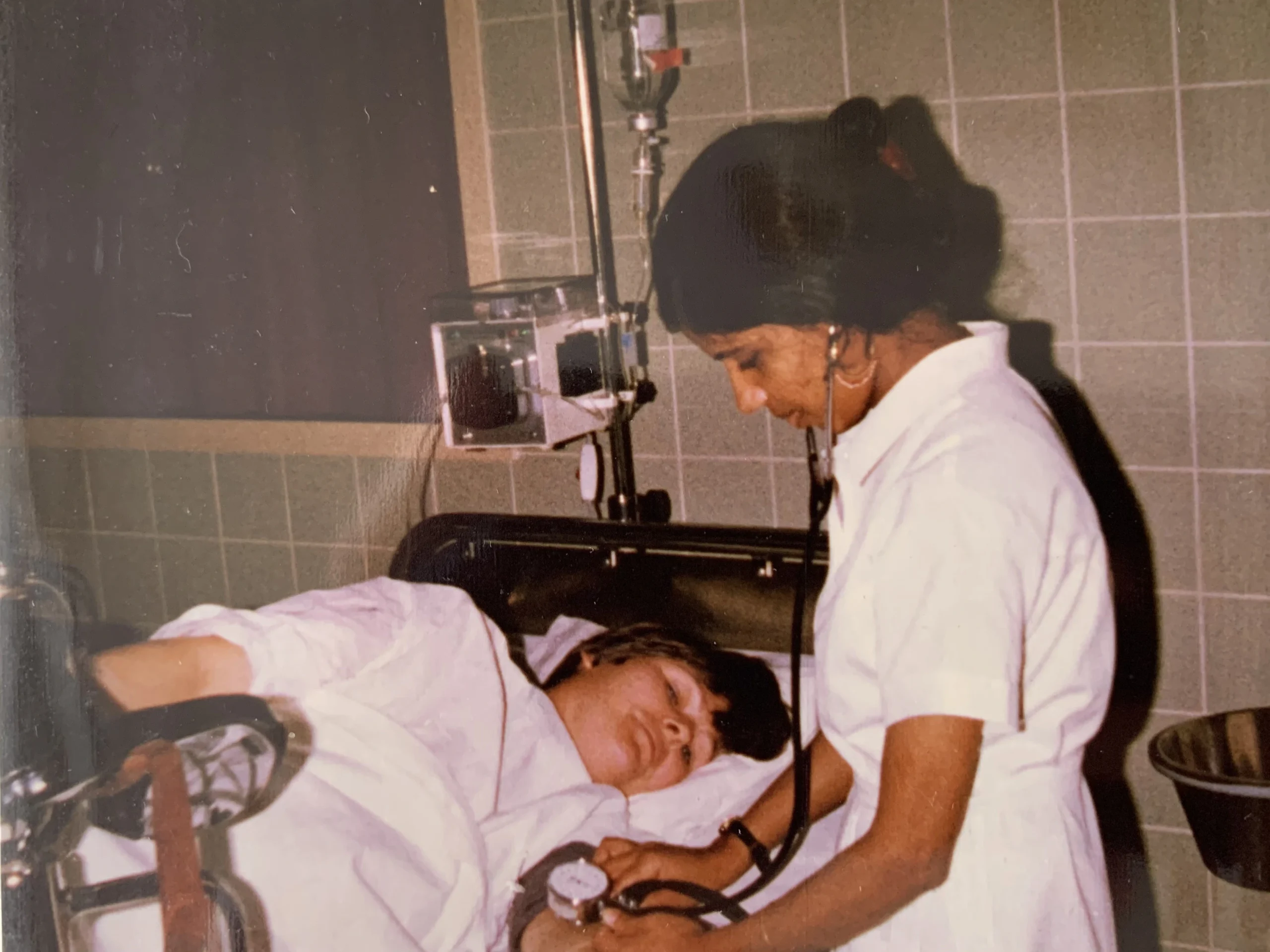
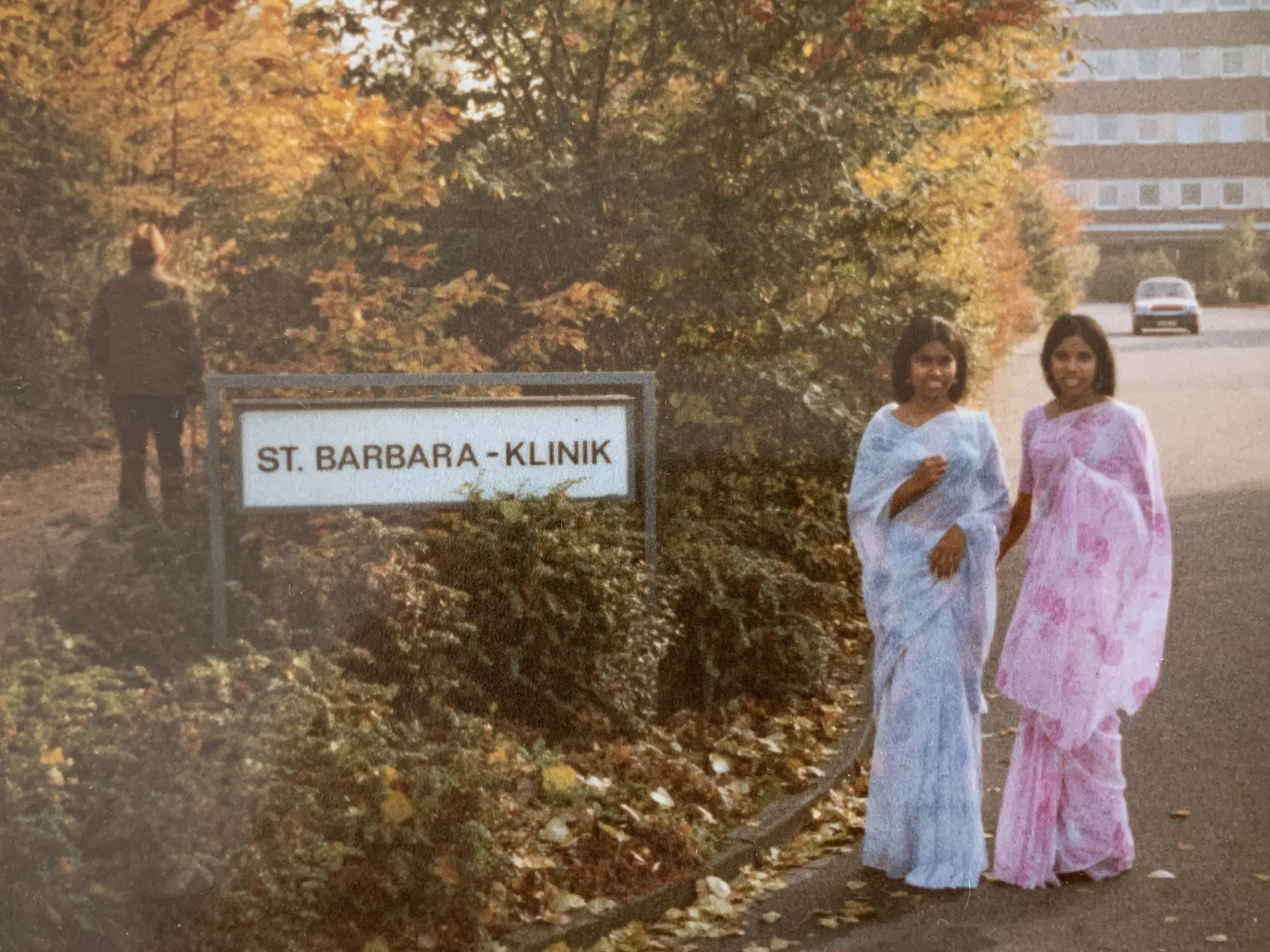
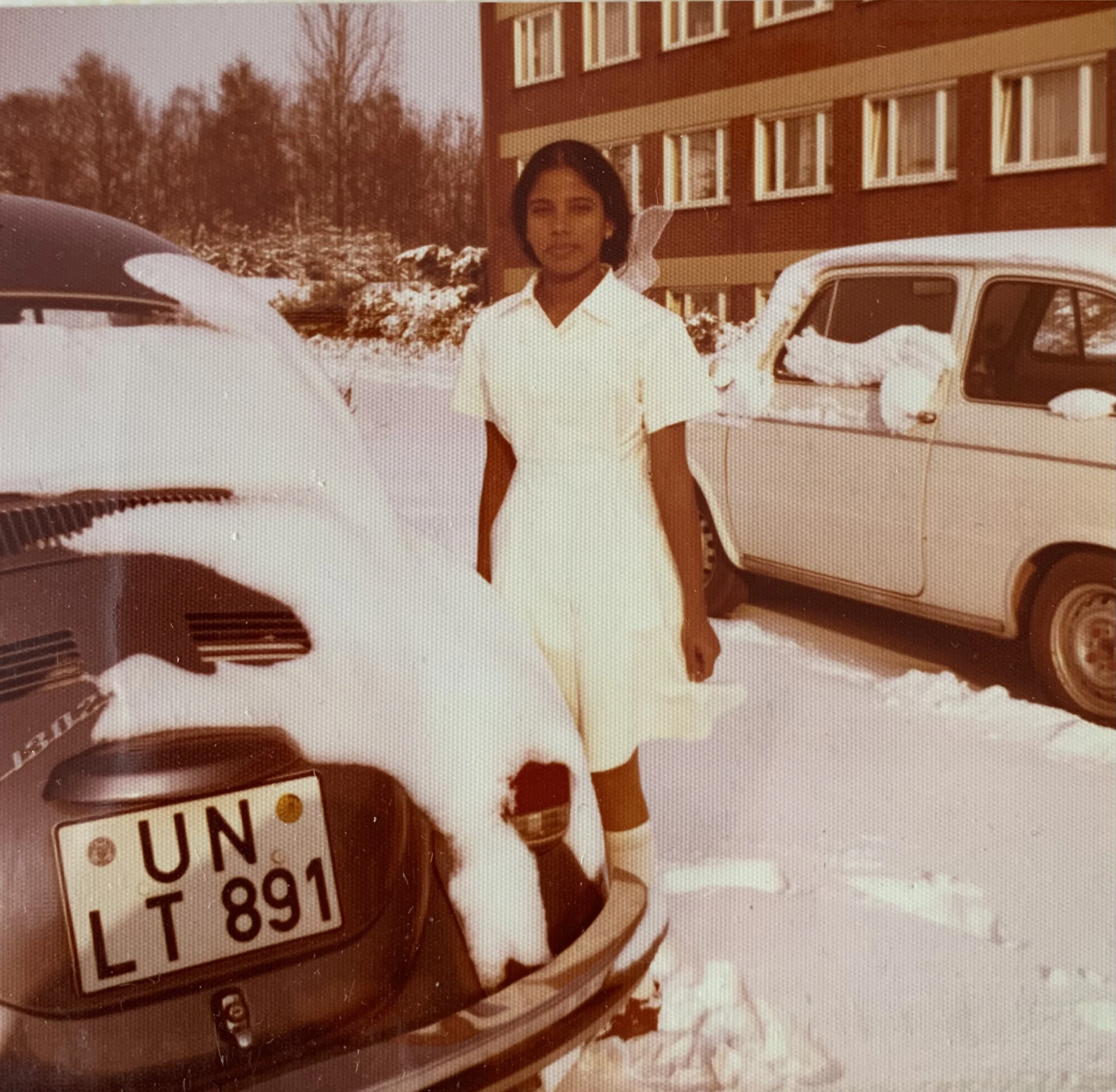
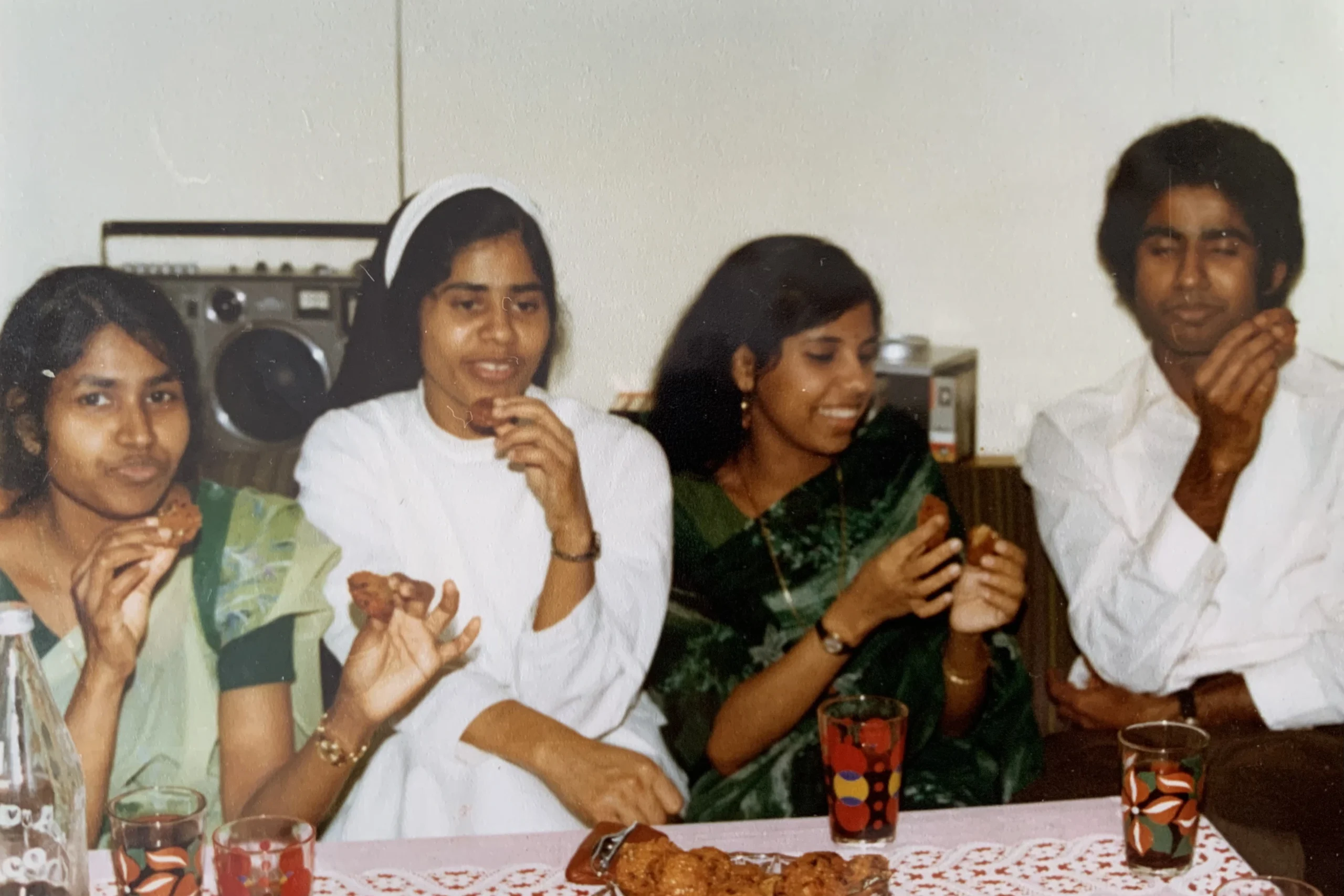
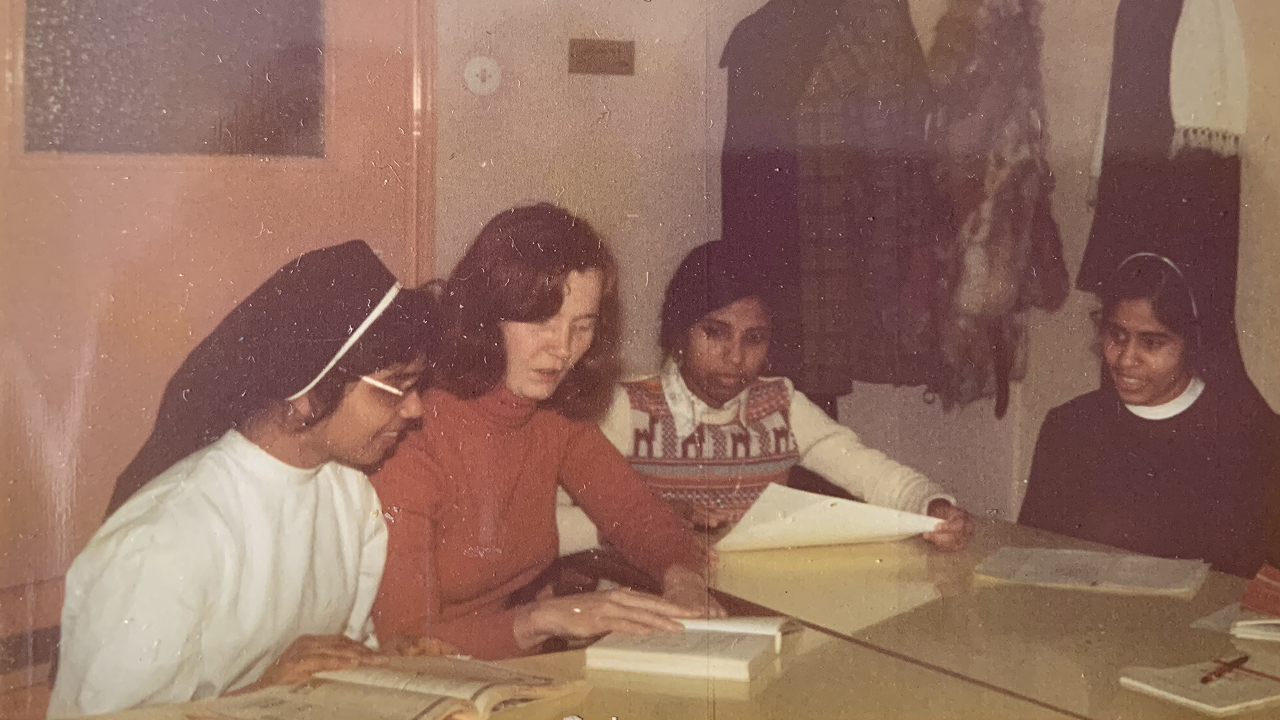
BERLIN, Germany: Thresiamma Arackal completed 50 years of living in Germany this year. She celebrated it by having a small get-together with her closest friends, relatives and colleagues. When she was just 16 years old, she travelled alone from Kerala to West Germany or the German Federal Republic, to be trained as a nurse. Her story is one among the many that make up the online archive Who Cared, which aims to document the stories of women who migrated to East and West Germany after the Second World War to fill gaps in the nursing sector. Thousands of mostly young women migrated from the Philippines, South Korea and Kerala, India.
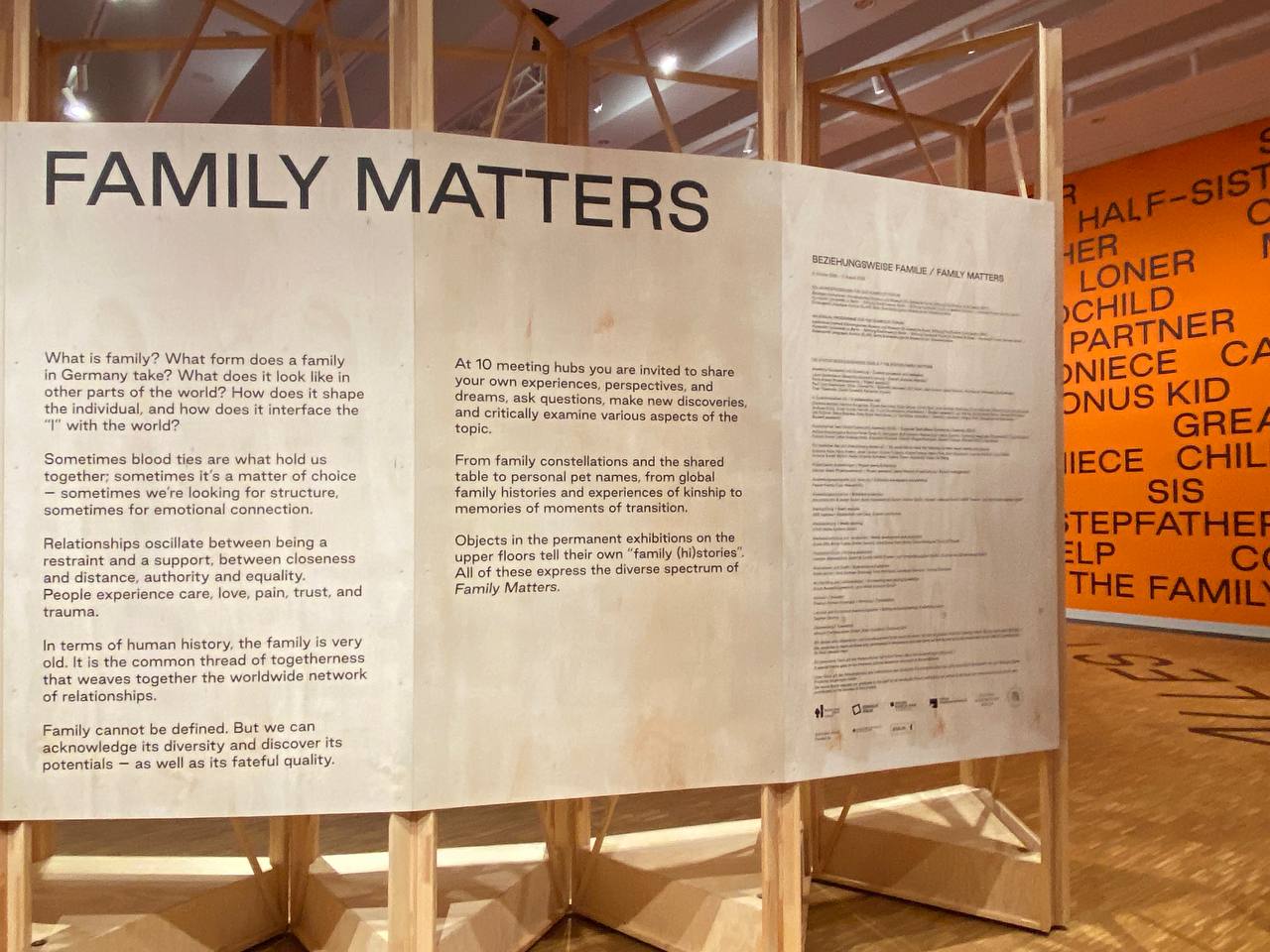
“I was 16 and a half when I said yes to the opportunity of receiving training as a nurse in Germany. I still remember the day I landed in Germany after a 30-hour journey from my hometown in Kerala,” Thresiamma narrated during a panel discussion at the Humboldt Forum in Berlin, Germany, in April 2026, where the archive is part of an exhibition titled Family Matters. “I was received by a nun, whom I only recognised from descriptions,” Thresiamma said.
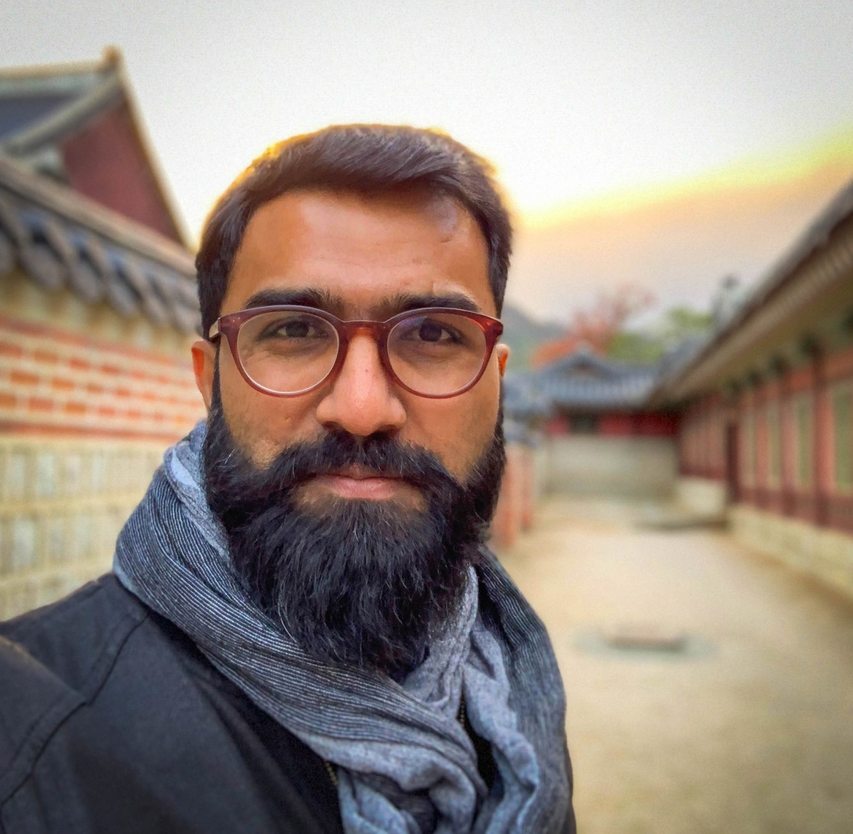
Her 34-year-old son, Abhilash, works as a culture and music manager in Cologne and is the project co-ordinator for Who Cared, a digital archive that features video portraits and interviews with these nurses, conducted by their children or relatives, to document their migration experiences and contributions to the German healthcare system.
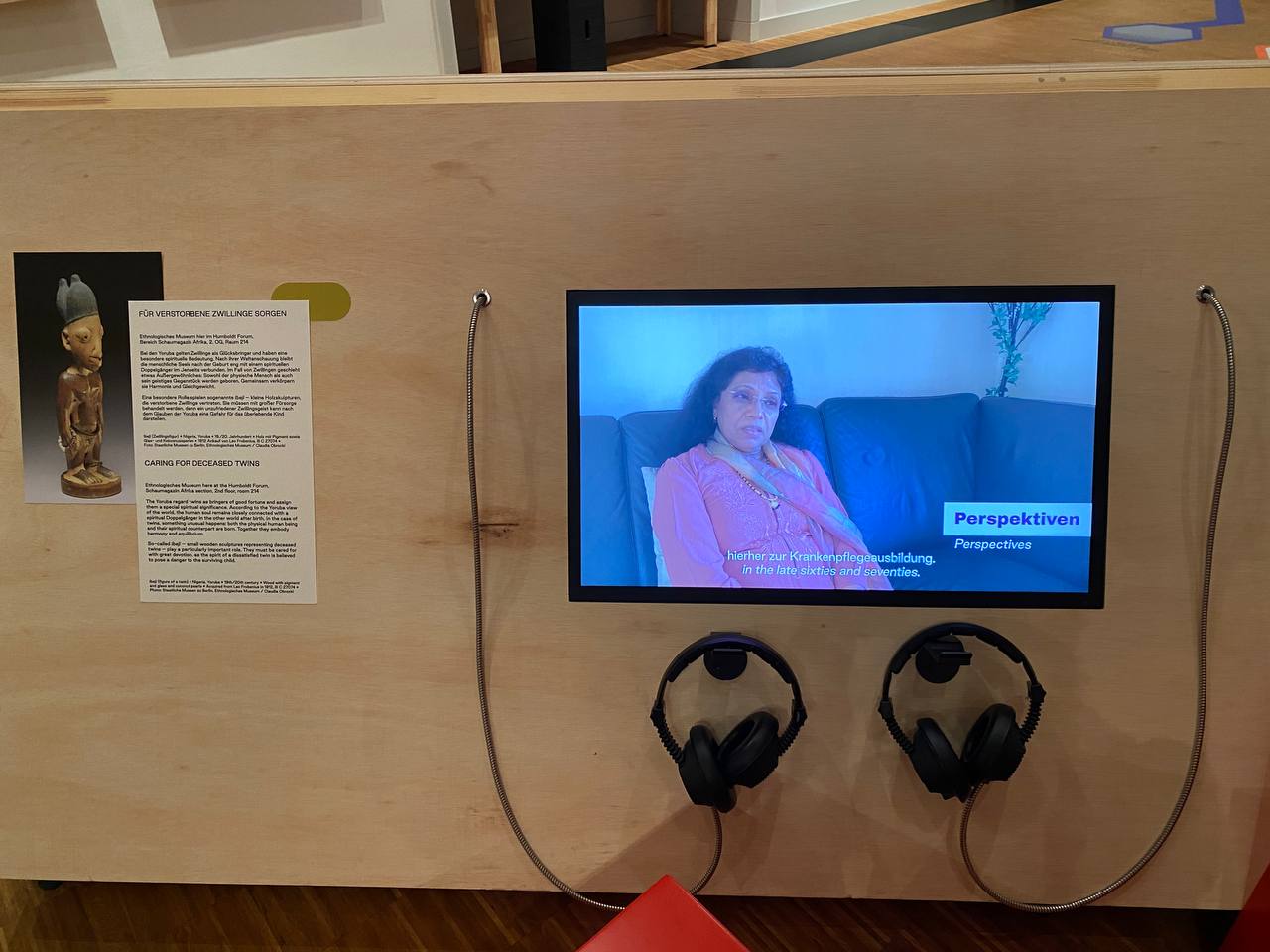
A section of the exhibition has video interviews playing on loop, featuring two women speaking fluent German, each with a noticeable soft Malayali accent. Among them is Thresiamma, sitting on a sofa in a pink dress, who reminisces about her work. The other is Annamma Kalluparackal, who looks like she’s at her home in Kerala, the Mangalore-tiled rooftops giving away her location. She talks, among other things, about how she met her husband and they fell in love via letters. The two are among thousands of young women, some as young as 16, from Kerala, who would travel to a foreign land that they would call home.
The story of care workers coming from Asian countries is often taken for granted in Germany, to the extent that there is little documentation, except by scholars such as Dr Urmila Goel, a cultural anthropologist and visiting professor at Humboldt University in Berlin. She is also one of the main researchers behind the archive.
The larger aim of Who Cared is to make the migration experiences of care workers accessible not just to nurses who hope to come here today, but also to provide a more complete picture to those involved in the recruitment process in the nursing sector, the organisers said. The archive wants to make a statement through its collection of videos, oral histories and photographs. By documenting the shift from the teenage migrants to retired professionals, the project hopes to ask the German society a question: Who cared for Germany when it couldn’t care for itself?
A PROFESSION MASKED AS A SERVICE
After the Second World War, West Germany faced a massive shortage of people in the care sector. The working conditions in West Germany were not attractive enough for most people in Europe, where countries faced similar issues. Moreover, most elderly care and nursing were managed by Catholic orders, following the model of nuns and deaconesses, and were seen more as a service to God and the community. As a result, low pay was normalised.
In the 1960s, the Wirtschaftswunder, or economic miracle, led to a rise in the middle class, but left the nursing sector severely decimated, according to a research paper by Dr Goel in the European Journal for Nursing History and Ethics. Nursing was considered a low-paid profession for German women. By the 1970s, the ‘male breadwinner model’ had become dominant, and women were expected to quit their jobs after becoming mothers, the study notes. Nursing work, which involved night shifts and weekend work, didn’t fit into the dominant social ideal for women of “Kinder, Küche, Kirche”—children, kitchen, church.
The combination of these factors prompted care and nursing facilities to hire nurses from Asia using the network of Catholic institutions in those countries. Dr Goel noted in a research paper that Kerala was particularly attractive since it was home to a large Christian community, in which many women were already working as nurses and had already been migrating, both within India and internationally. The West German recruiters, she noted, were able to build on this background.
Dr Goel has focused on Indian nurses immigrating to Germany since the late 1990s and has published extensively on the subject. Dr Goel’s parents migrated from Haryana, and her proximity to nurses from Kerala in her hometown, Karlsruhe, and their children prompted her to delve deeper into this phenomenon, focusing especially on the gender aspect.
During the panel discussion, Dr Goel highlighted how the German documents from the 1970s cast these nurses as Mädchen, or girls, a term that’s noted in many studies of that era and irked Dr Goel. “Young women were recruited as professional workers; the healthcare system couldn’t have continued to function without them. That might be an exaggeration, but they were absolutely essential, just as the South Korean and Filipino nurses were. In the documents, it’s the term “girls” that keeps popping up, which says something about how they were needed, how they worked as professionals, and how, at the same time, they were devalued. And they were also depersonalised, when it’s all lumped into one term,” Dr Goel said in a panel discussion on the sidelines of the exhibition.
FLIPPING THE GENDER SCRIPT
The young, single women from Kerala didn’t just fill up a gap in West Germany in the 1970s, but also challenged well-established gender roles, according to researchers. The migration of Malayali nurses occurred at a time when West German society was very patriarchal.
Until 1977, men could deny their wives permission to work professionally, the country’s documented history shows, citing her work as interfering with marital duties. In sharp contrast, most of the nurses who migrated from India were single, had work permits, earned an income, and were financially independent, according to many studies. Since they often came from middle-class backgrounds, they also regularly sent remittances back home. They would work in Germany for a few years before getting married in Kerala.
Studies show their husbands had to come to Germany as dependents. Due to the immigration policy in the 1970s, they could not be employed for up to four years after arrival. As a result, many stayed at home and took on household responsibilities. Husbands and fathers often published magazines for the Malayali community, such as Ente Lokam, Meine Welt, and Wartha, which documented the lives of the Malayali diaspora in Malayalam and German.
The women thus became the sole earners and the anchor for the family’s right to remain in Germany, Dr Goel noted during the panel discussion. She added that the role reversal continued even after they had kids. The mothers never stopped working, and fathers looked after the children. If the fathers eventually had jobs, childcare duties were divided, with one parent taking a day shift and the other a night shift. Second-generation children called it “high-five” parenting, a concept alien to West German society, where the man was the primary earner, and the wife was the dependent who bore all childcare responsibilities.
Viola Mattathil-Reuther, a lawyer and a team member of Who Cared, grew up as a second-generation child. “In our case, it was clear that both parents worked, and many spoke German relatively well,” Mattathil-Reuther said and added that there was a strong sense of integration and a shared sense of community as they had German friends while growing up.
And yet she said the lived experience of her German friends was different from hers due to the reversed gender roles in their families.
RACISM AND THE MODEL MINORITY
Germany in the 1970s was less diverse than it is today. The country received nearly 1.5 million people in 2025, up from 0.43 million in 1975, the German government’s migration data shows.
The ‘Who Cared’ archives show that nurses from Kerala had their fair share of racist experiences, but they dealt with them by showing polite indifference, even while being deeply affected. The archive highlights some of these uncomfortable conversations where the two generations were at odds regarding dealing with racism and discrimination in German society.
“I know I’m Indian. I have a homeland somewhere else. So when people were mean, I told myself, ‘They don’t know any better.’ I looked the other way because I was here to work. I thought I’d go back eventually,” Thresiamma said.
This approach was in stark contrast to the way the following generation dealt with racism.
“Our generation simply has a different sense of belonging. We belong here. So when someone says something racist to us, we take it differently. We don’t want to brush it off with a smile,” Abhilash said. He also reminisced about his father reminding him and his brothers to always be aware that they looked different from the native Germans, and there were people who had a problem with that.
Mattathil-Reuther said that her experience growing up in Germany in the 1980s sparked her political engagement, and that after one realises that they are different, they start “grappling with the whys and wherefores” and you are left with questions like: “How do we actually find our place in the world, and who really gets to decide the direction we take?”
Dr Goel highlighted the model minority trap that Indians faced in general and the Malayali nurses had to deal with. While on the one hand, they were praised for being hardworking, gentle and subservient, on the other hand, it was also used as a tool to devalue other migrant communities. This created a pressure situation where they were expected to perform their best, and any negative stories involving failure, depression or struggle were buried.
“There is a tendency for Indian migration to be sold as a role model. We use it to devalue others. But this means we don’t talk about the emotional cost, such as those incurred by parents who sent their children to boarding schools in India for years, because the parents planned to return someday,” said Dr Goel, reminiscing about interviews where some women burst into tears at these memories.
By all accounts, the German healthcare system is in a crisis mode, and the German demographics are not in its favour. In December 2021, an agreement was signed between the federal employment agency, the Bundesagentur für Arbeit, and the state of Kerala to address the shortage of nurses in Germany. As of June 2025, 16,600 Indian nurses are working in German care facilities, according to a Nikkei Asia report.
The current shortage crisis in the care ecosystem has been a systemic issue for decades, researchers note. But the political debates around it often treat the recruitment of nurses from foreign countries as a new solution. Thresiamma remembers being warmly welcomed when she arrived in Germany and receiving a lot of help from locals, which made her integration easier. She feels the need for nursing staff is high today as well, but it is purely seen as a work exchange.
“We need workers, that’s what they always say, not that we need to get ‘people’ here. My wish would be to put the person at the centre, to see them, and to signal that they are welcome as a human being first, and then as a worker. At the very least, to offer a smile to signal, ‘Yes, you’re welcome here. We need you.’ That’s actually the case. We need these people,” Thresiamma said.
The Who Cared initiative is currently focusing on the Malayali community, but its vision is much larger. It aims to create a framework that can be applied to Filipino, South Korean, and other migrant communities who have kept the German state functioning while remaining in the shadows of its history, the organisers said.
(“Who Cared” is part of the “Family Matters” exhibition at Berlin’s Humboldt Forum, running through mid-July. The online archive is a living project that invites the children of migrant nurses to contribute their families’ stories to the national record.)
Nimish Sawant is a Berlin-based independent journalist contributing to Indian and German publications. He writes regularly on India-Germany-related issues for The Hindu and German publications such as Table.Media, Deutschlandfunk, Deutsche Welle, WDR5, The Berliner, among others.