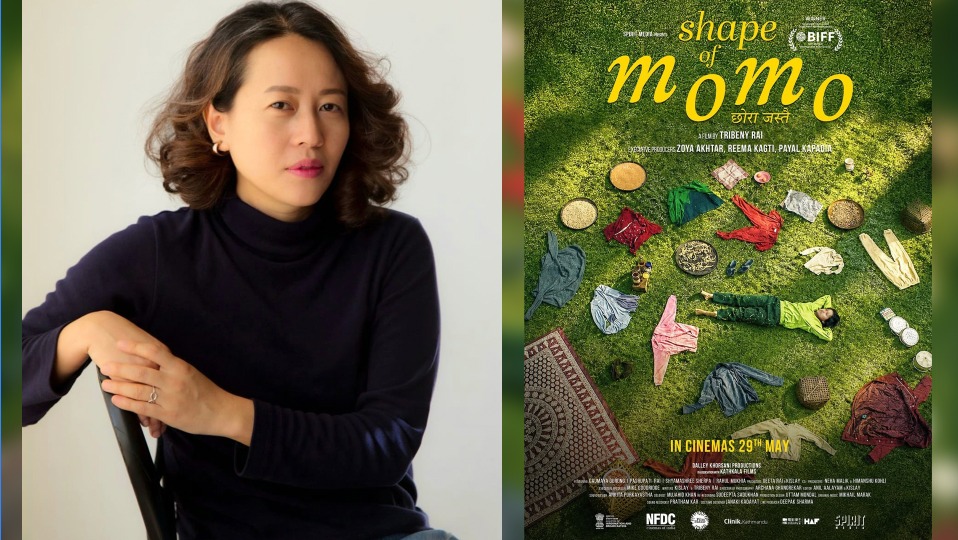
Tribeny Rai’s Shape of Momo (2025) is a poignant yet gentle coming-of-age narrative of womanhood, migration, and belonging. It revolves around Bishnu, a middle-aged woman who migrates from the capital city to her village in Sikkim. While Bishnu’s journey forms the emotional core of the film, Rai is also interested in exploring migration through an intersectional lens, examining how class, community, and gender shape the experiences of homecoming and displacement.
The Nepali-language film, co-written by Kislay Kislay and Rai, has been executive produced by award-winning filmmakers Payal Kapadia (All We Imagine as Light), Reema Kagti and Zoya Akhtar (Luck By Chance, Zindagi Na Milegi Dobara, Dil Dhadakne Do), along with international producer Mike Goodridge, who has produced films including Touch (2024), Sisu (2022), Santosh (2024), Triangle of Sadness (2022), among others.
Following its premiere at the Busan International Film Festival in September 2025, where it won the Songwon Vision Award and Taipei Film Commission Award, the Shape of Momo was theatrically released in India and Nepal on May 29, 2026. The film received massive critical acclaim for its exploration of cultural identity, patriarchy, and migration.
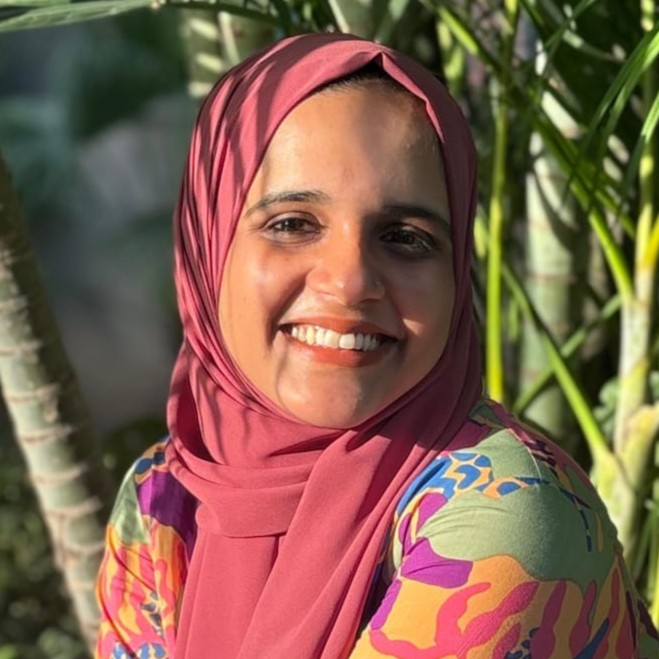
Rai, who pursued a diploma in direction and screenplay writing from Satyajit Ray Film and Television Institute, India, says that the film loosely revolves around her life. She has previously worked as a producer on A Death Foretold and made her directorial debut with As It Is. Her work focuses on identity, gender, and memory, along with exploring the lived realities of people from India’s northeastern and Himalayan regions.
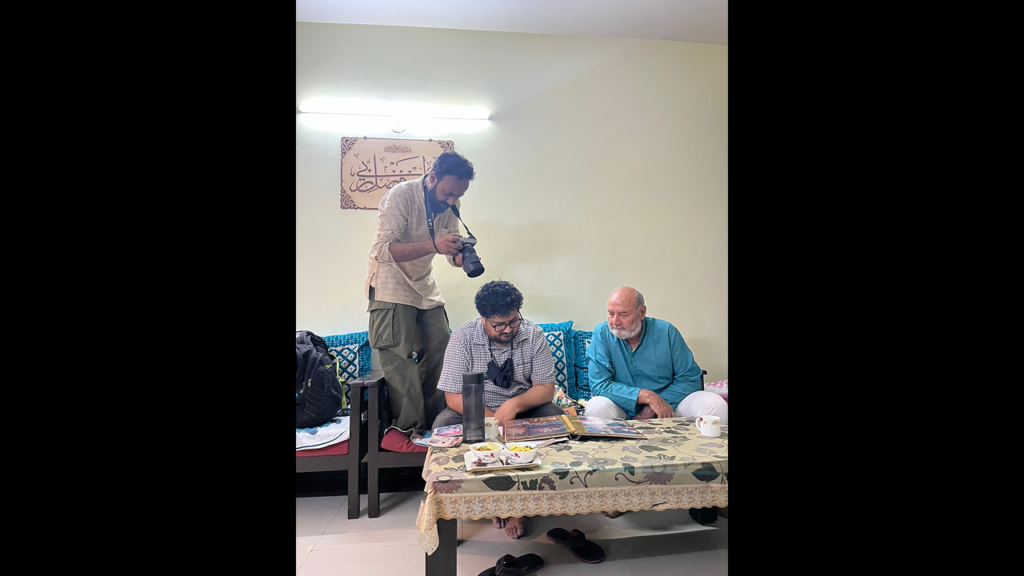
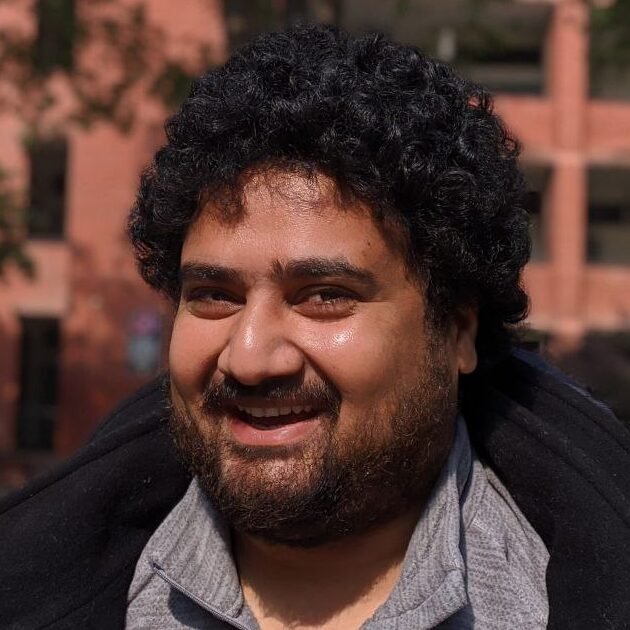
In this interview with The Migration Story, Rai, in conversation with Zainab S Qazi, reflects on her writing process, thematic structure, and the inspiration behind the film.
Given that the film is autobiographical in nature, how much has the film drawn from your own experiences as a Sikkimese woman?
The emotional truth of the film comes from my own experiences growing up as a Sikkimese woman. Like Bishnu, I left home to pursue my studies in cinema and later found myself negotiating the complicated emotions of returning. However, the film is not a direct retelling of my story. It draws from my memories, observations, and emotional experiences, which were then shaped into a fictional narrative.
What was your thought process behind the ideas of home and belongingness that the film evokes?
For me, the idea of home is both comforting and complicated. It is a place and a feeling shaped by memory, relationships, and identity. Through the film, I wanted to explore the complexities of returning home and questioning where one belongs. The idea of belonging interested me because it is something many people experience, especially those who leave home in pursuit of education, work, or personal aspirations.
At the same time, I wanted to reflect on the belief that true belonging should not come with conditions. It should not demand conformity or sacrifice; rather, it should offer the freedom to be oneself. Rather than offering clear answers, I wanted to create a space where audiences could reflect on their own understanding of home, belonging, and the people who shape those feelings.
Bishnu is a flawed yet very humane protagonist. She wants to be the feminist voice in her matriarchal family, yet constantly slips as a feminist in many moments. Could you elaborate on this a little, especially how you wrote about Bishnu as a character?
I was interested in writing Bishnu as a complex and contradictory person rather than as an ideal feminist figure. Even though she sees herself as progressive and questions many of the expectations placed on women, she is not immune to the biases, insecurities, and emotional baggage that shape all of us. I think that is true of most people. We can hold certain beliefs and still struggle to live up to them in practice.
For me, Bishnu’s contradictions make her more human. She wants autonomy and freedom for herself, but at times, she is unable to extend the same understanding to the women around her. Those moments are not meant to undermine her feminism; rather, they reflect how difficult it can be to unlearn deeply ingrained ways of thinking, even within a matriarchal household. I wanted to portray feminism not as a fixed identity but as an ongoing process of self-reflection, growth, and confronting one’s own limitations.
Often, we are able to recognise injustice through the lens of our own lived experiences, but remain blind to the ways we may perpetuate it elsewhere. Through Bishnu, I wanted to explore how people can be both oppressed and complicit at the same time, and how personal growth often begins with recognising those contradictions within ourselves.
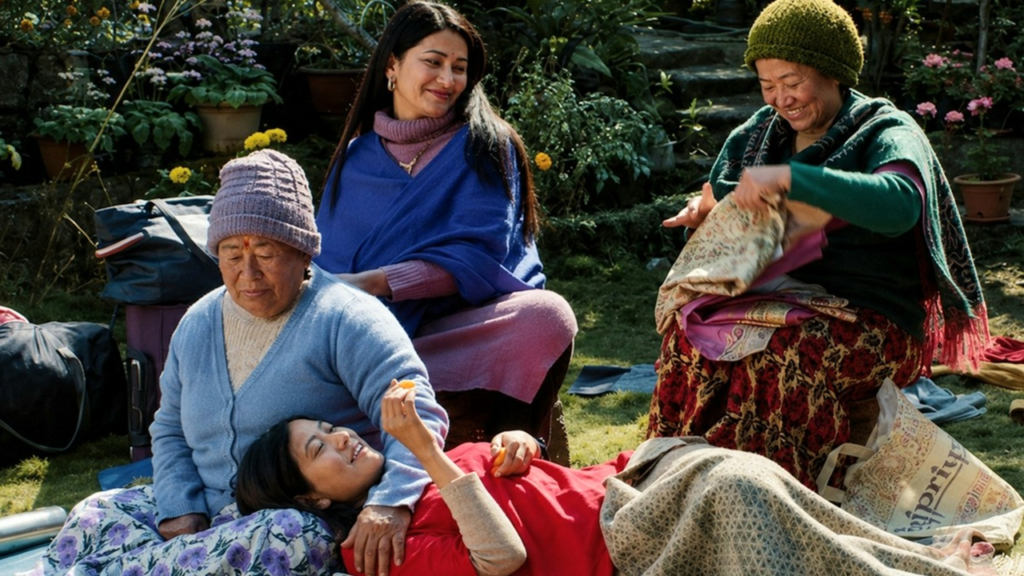
Could you elaborate on the aspirations and desires of the four females?
While the four women belong to different generations and have very different personalities, they are all searching for a sense of agency and fulfilment in their own ways. Bishnu aspires to live life on her own terms and reconcile her individual desires with her sense of responsibility towards her family.
Her mother carries the burden of caregiving and stability, but beneath that lies a desire for recognition.
Her grandmother represents a generation shaped by endurance and tradition; she longs to be with her son because that is the life she has known for most of her years.
Meanwhile, Bishnu’s sister is exhausted by life with her in-laws but sees no way out of her situation. She believes that giving birth to a male child will finally give her some power and status within the family. In many ways, she aspires to be the “good” woman, wife, and daughter-in-law that society expects her to be, hoping that fulfilling these roles will earn her respect and security.
What interested me was not just their differences but the emotional threads that connect them. Despite their conflicts and misunderstandings, they are all negotiating questions of freedom, identity, and belonging.
Could you also discuss how the politics of migration came about as a major theme in the film?
Since Bishnu returns to her village from Delhi, migration naturally became part of the story. When we think about migration, we usually imagine people moving from villages to bigger cities, but we rarely think about movement in the other direction.
I was particularly interested in exploring this from the perspective of the Northeast, where questions of mobility, belonging, and identity are deeply intertwined. Migration emerged as an important theme because it is a reality that shapes so many of our lives.
Whether we move for education, work, love, or survival, almost everyone is a migrant somewhere. I was interested in exploring the emotional consequences of leaving home, such as longing, displacement, and the search for belonging.
I think this is one of the reasons the film has resonated with audiences across different places and cultures. While the story is rooted in a specific context, the experience of searching for home is universal. More than anything, I hope the film encourages empathy and reminds us that every migrant carries a deeply human story.
Lastly, could you comment on the relationship between Bishnu and her mother?
At the heart of the film is the relationship between Bishnu and her mother, and for me, it is one of the most emotionally complex relationships in the story. Bishnu is constantly questioning the choices and compromises her mother has made, while her mother struggles to understand Bishnu’s desire for independence and a life beyond the family.
They are both strong-willed women, but they express love very differently.
What interested me was how each of them sees the other through their own fears and disappointments. Bishnu often mistakes her mother’s care for control, while her mother sees Bishnu’s distance as a rejection of the family and everything she has sacrificed for them. Yet beneath their conflicts is a deep love and dependence on one another. In many ways, the film is about their gradual attempt to see each other not just as daughter and mother, but as women shaped by different circumstances, desires, and limitations.
Zainab is an independent writer, researcher, and filmmaker based in New Delhi. Her work focuses on gender, decolonisation, identity, and cultural criticism.