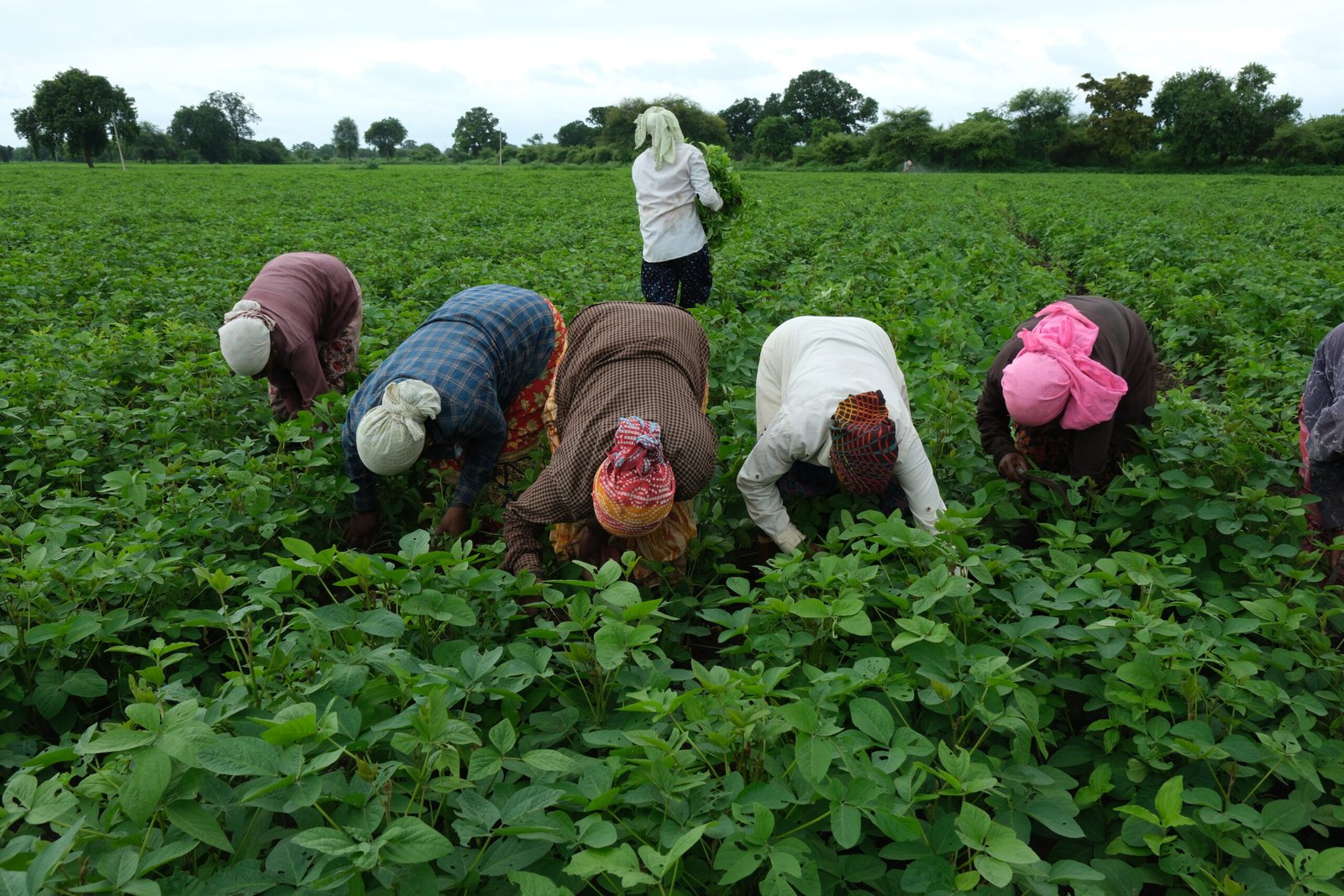
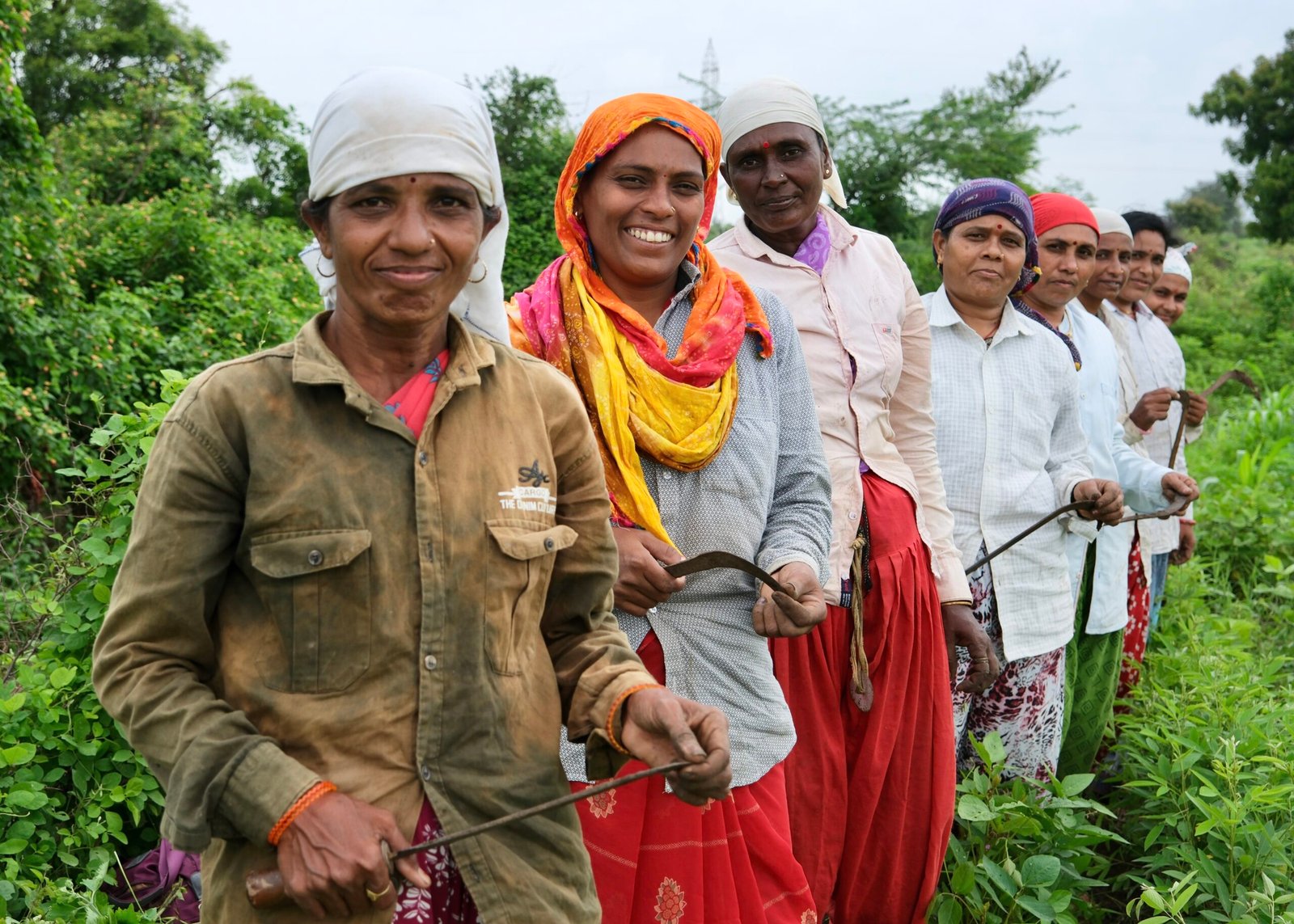
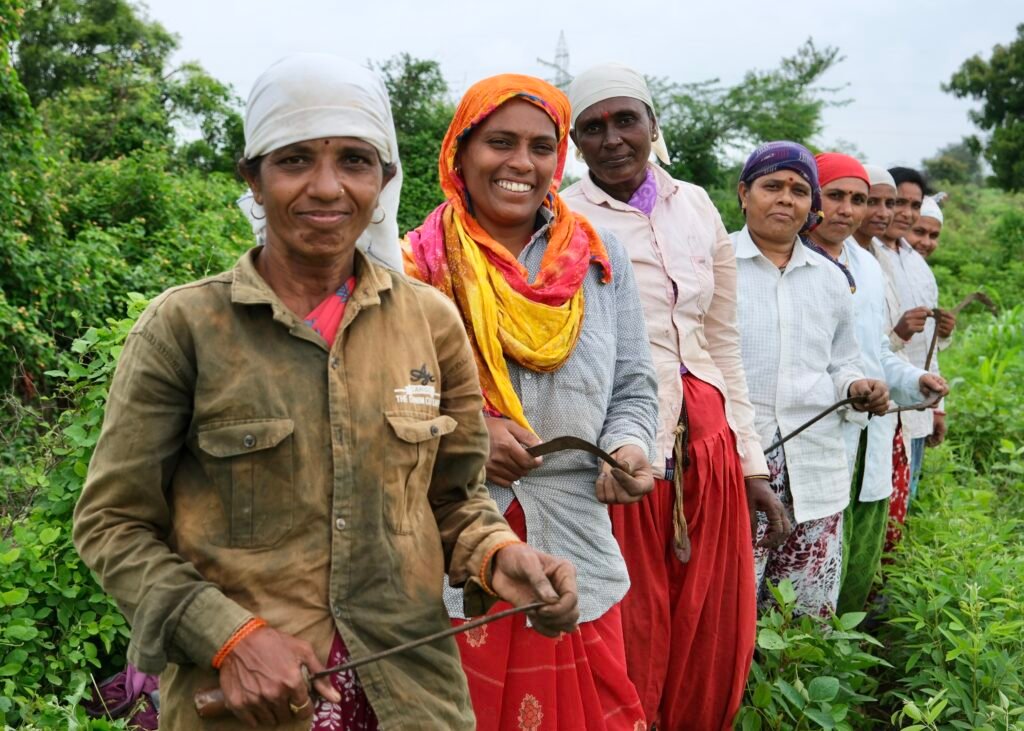
Sarita is a fish farmer who leases a pond with other women, rears fish and sells them in the local market. Susheela spends part of the year harvesting sugarcane and the rest working as an agricultural labourer in onion and chilli fields. Chanda, collects forest produce for the survival of her family. Sheila, from a farmer suicide-affected family, cultivates leased land to survive. Until now, none of them was recognised as a farmer.
A new law has changed that.
The Maharashtra government’s enactment of the Maharashtra Women Farmers Empowerment Law, 2026 marks a historic milestone in Indian agriculture. Coming in the International Year of Women Farmers, it recognises nearly 15 million women in Maharashtra who sustain agriculture yet have remained invisible in official records. By granting women legal recognition through the Woman Farmer Certificate (WFC), the law acknowledges a long-denied reality: women are not merely helpers on farms but farmers in their own right.
This recognition corrects a long-standing injustice. For decades, land ownership rather than agricultural labour has determined who is recognised as a farmer, excluding millions of women from credit, insurance, extension services, markets and other agricultural entitlements. By recognising women irrespective of land ownership, the law has the potential to dismantle this structural exclusion and expand their access to rights and opportunities.
The law could not have come at a more appropriate time. Over the past three decades, male out-migration, agrarian distress and farmer suicides have fundamentally reshaped agriculture in Maharashtra, leaving women to shoulder primary responsibility for cultivation, livestock and household survival under mounting ecological and economic pressures. Yet official systems have continued to treat them as dependents rather than farmers. This law finally acknowledges that reality.
But recognition alone will not change women’s lives. The real test lies in ensuring that the WFC translates into meaningful access to agricultural schemes. While the certificate establishes a woman’s legal status as a farmer, it should not become another document requiring multiple layers of proof before benefits can be accessed. Instead, it should serve as a single gateway to agricultural services, credit, insurance and extension support. This will require integration with a unified database recording the holder’s farming category- cultivator, tenant farmer, agricultural labourer, livestock rearer, fisher or forest produce collector, to enable appropriate targeting of schemes. A simple implementation handbook should clearly explain available programmes and how women can access them.
The rules framed under the law must address the distinct circumstances of different categories of women farmers. The largest group is likely to be women who cultivate family land but are not recorded as landowners as they do not have the AgriStack Farmer ID , a unique identity linked to Aadhaar and land records through the Farmer Registry and intended to become the single gateway for accessing agricultural schemes, credit, insurance, subsidies and other government services. As it is linked to land records, women have largely remained outside the digital architecture through which agricultural schemes and services are delivered.
The WFC provides an opportunity to correct this exclusion. However, the rules must clearly address intra-household access to agricultural schemes. Concerns about duplication of benefits can be resolved through careful entitlement design. Individual entitlements such as training, credit, insurance and pensions should accrue to every recognised woman farmer. Household-based schemes, including PM-KISAN and other Direct Benefit Transfer programmes, should prioritise transfers to certified women farmers or provide for equitable sharing or targeted top-ups. Such an approach would ensure that recognition translates into meaningful access to benefits while correcting the long-standing exclusion of women from agricultural support.
The law brings within its ambit large groups of women long excluded from agricultural policy, including landless agricultural workers and those engaged in livestock rearing, fisheries, forest produce collection and several other allied occupations. Existing schemes alone cannot meet their needs; the State must design new programmes backed by adequate budgetary support. Implementation should prioritise the most vulnerable women farmers such as single women, women-headed households, farmer suicide-affected families, migrant and tenant farmers through targeted outreach and simplified procedures. Maharashtra must also work with the Centre to align the eligibility criteria and implementation of Central agricultural schemes with the legal recognition of women farmers.
FROM RECOGNITION TO PROVIDING RESOURCES
Women in rural India are saving more but are able to borrow far less from the formal banking system. They hold nearly one-third of all individual bank accounts and contribute one-fourth of deposits in scheduled commercial banks, yet receive loans worth only 27 per cent of their deposits, compared with 52 per cent for men. Without land titles or collateral, many women are forced to rely on exploitative credit systems represented by moneylenders, microfinance institutions, traders and relatives for credit. Maharashtra should work with the Reserve Bank of India and the banking system to recognise the Woman Farmer Certificate as valid proof of farmer identity, enabling women to access collateral-free institutional credit on equal terms.
Legal recognition must be matched by stronger rights over productive resources. Effective implementation of existing laws governing land, water, forests and other natural resources is essential; without greater control over these assets, the promise of the new law will remain only partially fulfilled.
Recognition must now be backed by resources. The Maharashtra Gender Budget Statement for 2025–26 shows that only about three per cent of the Agriculture Department’s expenditure benefits women farmers. A law of this significance cannot be implemented with yesterday’s budget priorities. Maharashtra should therefore announce a dedicated implementation budget, beginning with the 2026 supplementary budget, while encouraging Gram Panchayats to earmark at least 10 per cent of their budgets for women farmers.
Investments should focus on three priorities: a state-wide certification drive and a robust database of women farmers; strengthening women’s productive capacity through affordable credit, quality inputs, irrigation, markets, women-friendly tools and support for agroecological farming; and recognising care as productive infrastructure. Childcare, nutrition support, worksite crèches and community care services reduce women’s unpaid care burden and enable them to participate more fully in agriculture. These are not welfare measures but essential investments in unlocking the productive potential of women farmers.
Implementation must be phased and supported by strong institutions at the local and state levels. The first phase should prioritise certification, creation of a comprehensive database and integration with existing schemes, followed by new programmes, credit reforms, market support and social protection. The rules under the Act should be notified without delay, ensuring time-bound delivery of benefits, effective grievance redressal, social audits through Gram Sabhas and gender budgeting across agriculture-related departments. Women farmers must be represented at every level of implementation, while convergence across departments and dedicated extension programmes through State Agricultural Universities will be critical to translating legal recognition into meaningful change.
The recognition of women farmers is the culmination of decades of advocacy and collective struggle by women farmers, grassroots organisations, researchers and policymakers. The journey gained momentum when the Maharashtra Government invited the M. S. Swaminathan Research Foundation (MSSRF) to advance women farmers’ empowerment. The late Professor M. S. Swaminathan had long championed legal recognition for women farmers, and Maharashtra has now translated that vision into law.
The Mahila Kisan Adhikar Manch (MAKAAM), a national network of women farmers, has played a pivotal role in this journey through research, grassroots mobilisation and sustained policy engagement. In Maharashtra, it has worked with women affected by agrarian distress, farmer suicides, migration and forest- and livestock-based livelihoods, helping build the intellectual, social and political foundations for this landmark legislation. The next challenge is to ensure that legal recognition is translated into substantive rights, resources and dignity for women farmers.
Maharashtra has taken a historic first step. But history will judge this law not by the number of certificates issued, but by whether it enables Sarita, Susheela, Chanda, Sheila and millions of other women farmers to lead the transition from an agrarian economy marked by distress, farmer suicides, ecological degradation and migration to one that is just, resilient and ecologically sustainable.