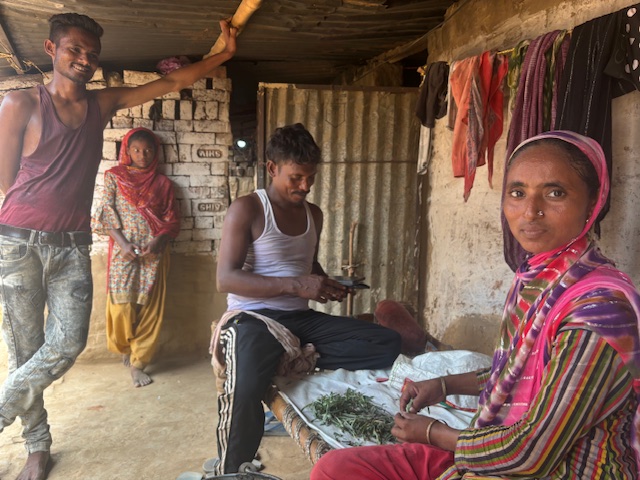
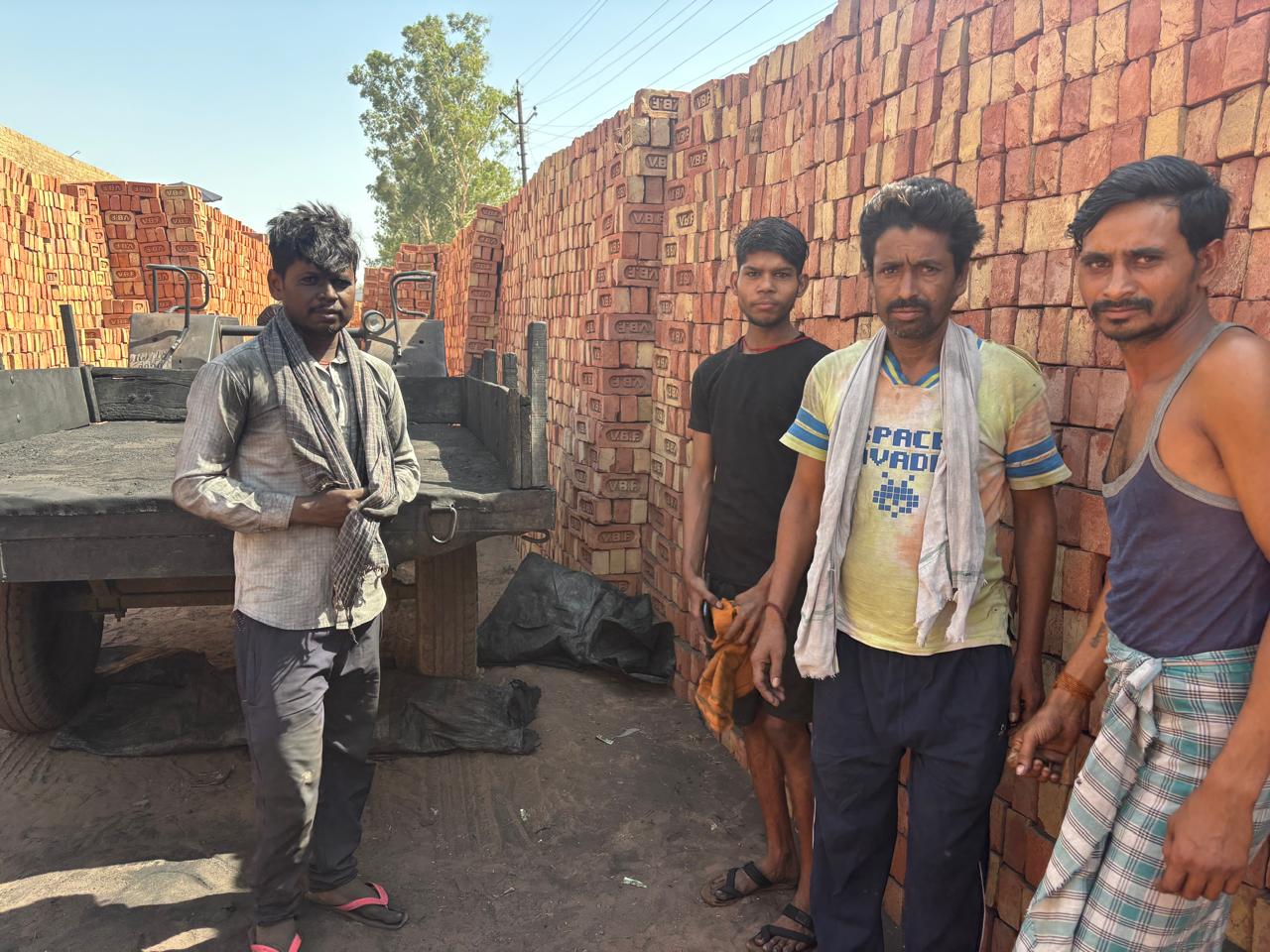
GHAZIABAD, Uttar Pradesh: On the outskirts of New Delhi, the four-month brick making season is coming to a close and Munna Majnu is preparing to make the arduous 1,560 km journey back home to Cooch Behar, West Bengal’s northeastern most district.
Majnu, 40, joined this kiln in Uttar Pradesh’s (UP) Gautam Buddha Nagar this year, when the earlier one he had migrated to shut down as the government executed new norms to decarbonise the heavily polluting brick kiln sector, to clear up Delhi’s toxic air.
The green switch has been unaffordable for many owners and has had a domino effect with kilns shutting down one after the other in districts around the Indian capital.
“The kiln we were working at shut down and the owner sold his land to a builder. Wahan makaan banaenge (a house will be built there),’’ said Majnu, speaking in a mix of Bengali and Hindi.
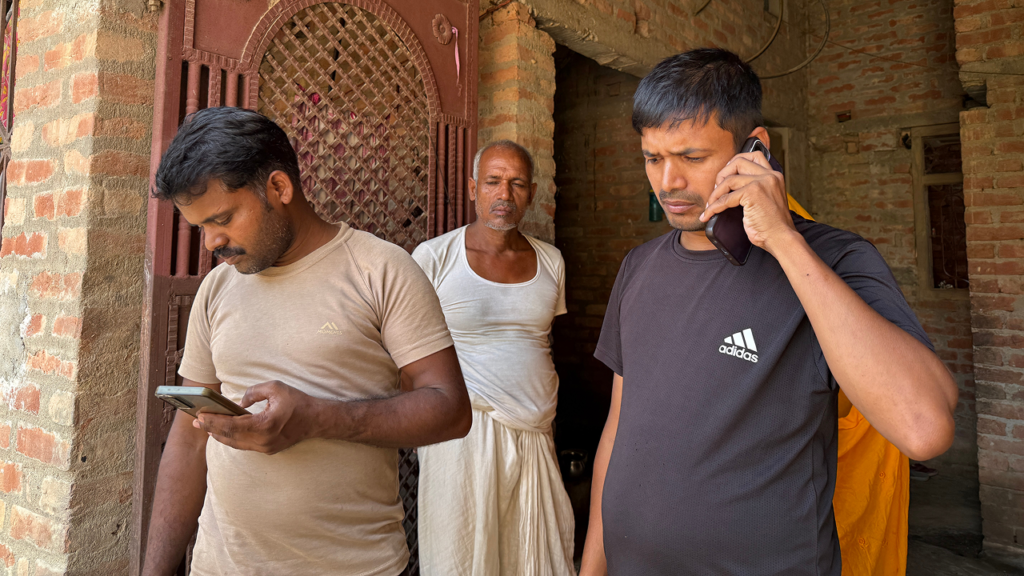
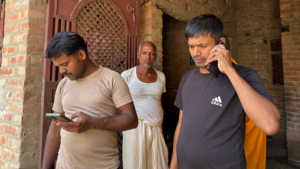
Majnu had found work in the now closed kiln in the Ghaziabad district of Uttar Pradesh through a network of thekedars (contractors) back home, all connected to workers over the phone. The same network helped him find work again.
“We did not lose a season of work when the kiln shut,” Majnu said, adding the six-month period before the new season began was enough time for him to find work.
The contribution of brick kilns to Delhi’s overall emissions was around 6 to 7%, according to a 2018 report by research organisation Centre for Science and Environment.
The greening measures introduced for brick kilns to combat air pollution including shifting some, mandating new technology and banning coal to fire them is showing results, with the air quality in Delhi having considerably improved.
But with no proper transition plans for owners and workers, the sector, which is among the biggest employers in the country, is floundering, labour rights experts and brick kiln owners said.
“There needs to be research done in UP on the impact of the use of biofuel and the transition on the kiln workers,” said Saniya Anwar, campaigner at non-profit The Climate Agenda.
“These workers are unskilled, often landless and in our experience change their phone numbers frequently, making registration of these workers difficult. This in turn, means that they often fall outside the safety net of welfare schemes provided by the government for migrant workers,’’ Anwar added.
Like Majnu, Salam Hak, 29, also moved from Cooch Behar to Gautam Buddha Nagar when the kiln he worked at in Ghaziabad shut down.
“We don’t have job cards (for work under the national rural employment guarantee scheme), so while we do daily wage back home, it is not often easy to find,” Hak told The Migration Story.
“It’s the income from the kilns that sustains us through the year. There have been many kilns shutting, and we don’t know what will happen in the future – but we feel that there is no point worrying about it for now,’’ he said.
ISOLATED
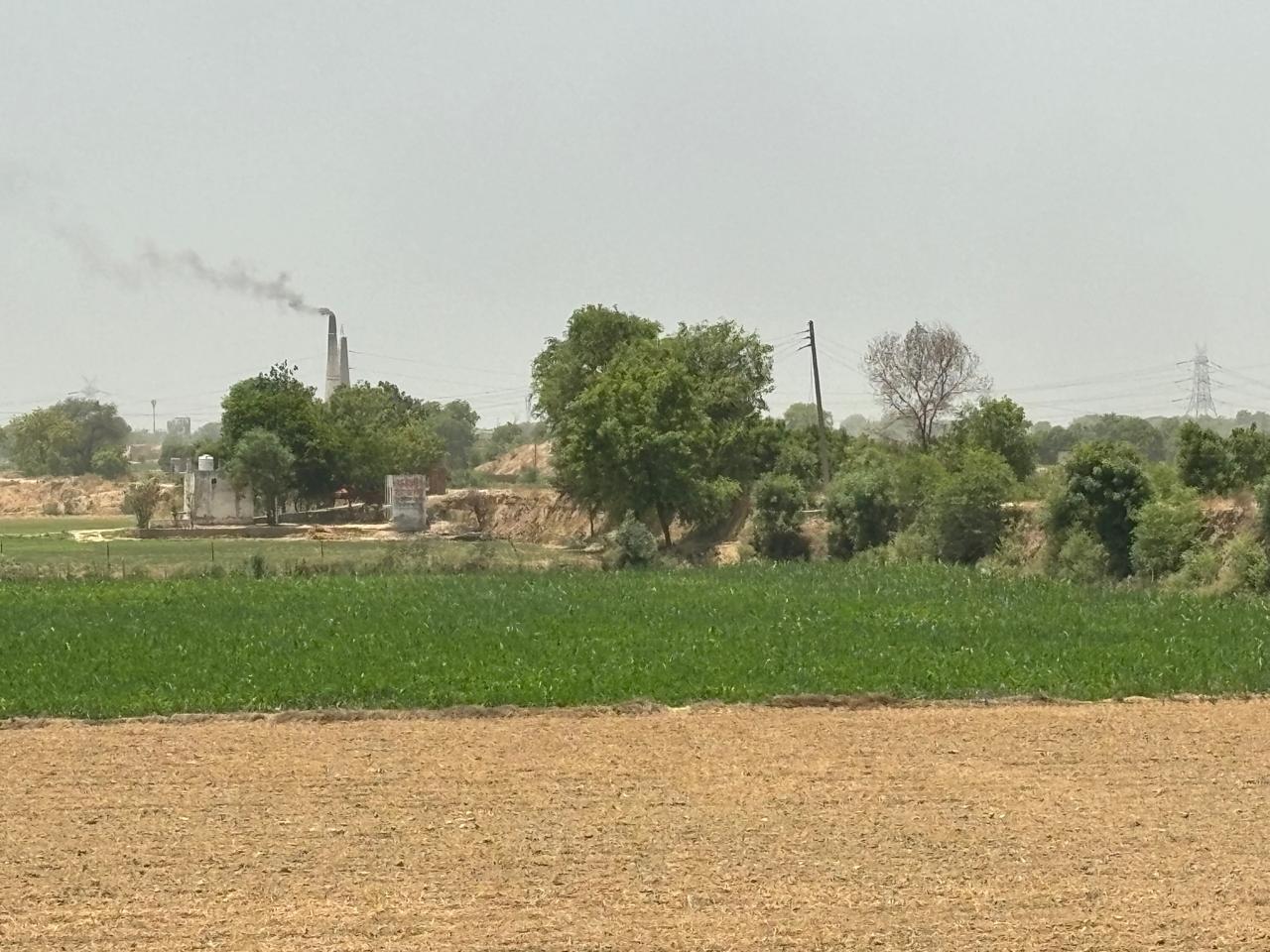
New Delhi has been strictly implementing green rules for brick kilns both in the city and surrounding areas, referred to as the national capital region or NCR, with the largely informal sector being identified as one of the most polluting industries, impacting air quality in the national capital.
The 22 districts of the Delhi-National Capital Region, including those that fall within other states but are adjacent to Delhi, are home to 3,823 brick kilns.
Among these, Uttar Pradesh has the highest concentration of kilns at 2,062.
Uttar Pradesh officials said Ghaziabad is one of the most affected areas by the transition, with the number of kilns reducing by half over the past six years, adding that there is no count of or plan for workers like Majnu who lost their jobs here.
“Brick kiln workers are seasonal workers and not permanent workers – so, they are not entitled to alternate employment schemes from the government, like for instance schemes that we have in place for factory workers in case a factory shuts down,” said a UP state official.
“They are agricultural workers and are already engaged in farming, and do this work only part time,’’ he added.
But agriculture has never provided enough for Majnu and his family, who cultivate land belonging to landlords, getting to keep a portion of the crop, mostly paddy, as income.
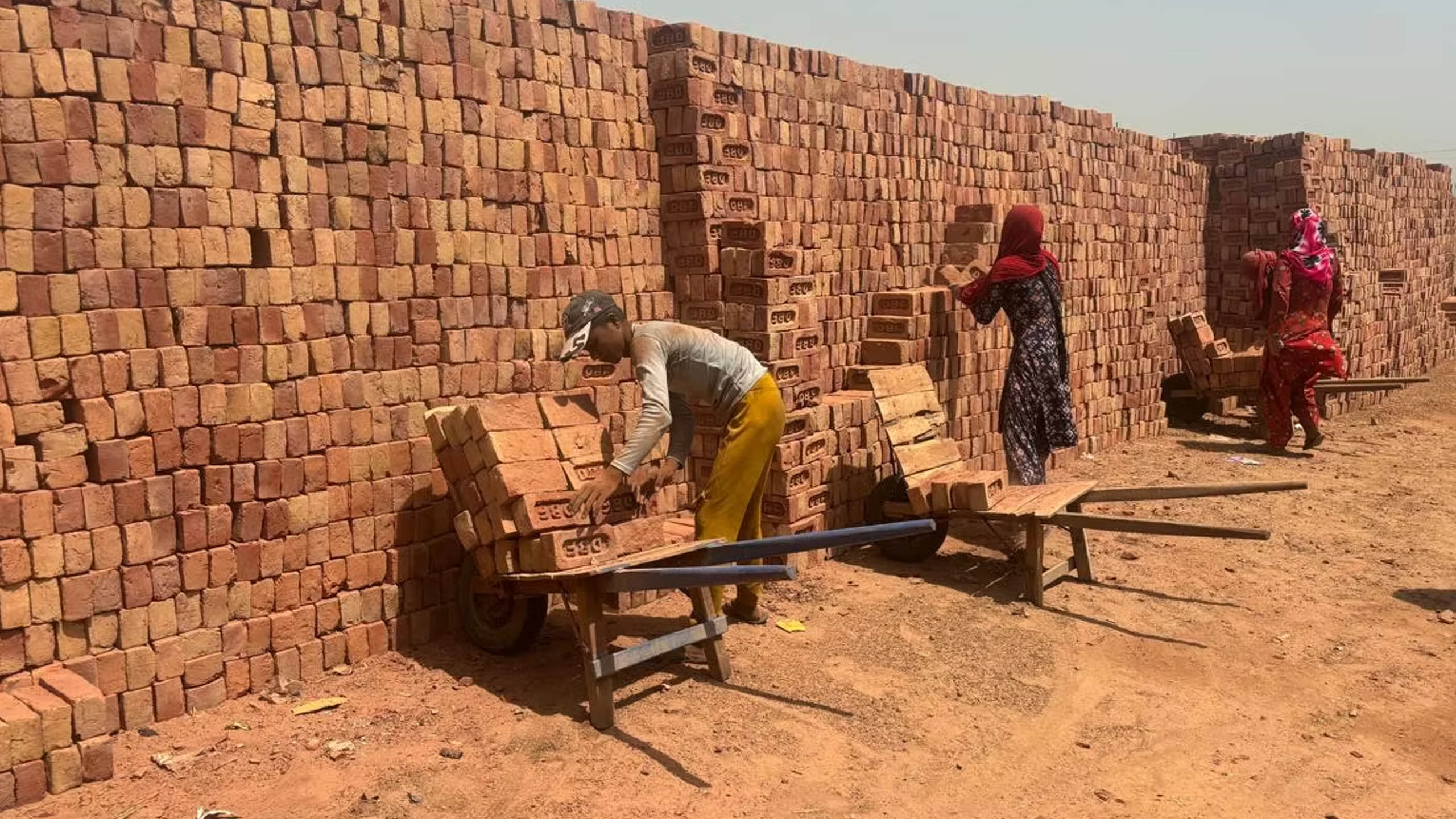
“We are Bhag Chashis (landless farmers) back home, and we never make enough,’’ said Majnu, as he stacked the last lot of bricks adjacent to mountains of agricultural waste being used to fire the Dankaur kilns.
“The earnings here (at kilns) are more than what we make back home, where we only get part of the crop to either consume or sell. Whereas here, we make Rs 600 per 1000 bricks made and can make up to Rs 1200 a day,’’ he said.
The Building and Other Construction Workers (BoCW) Act of 1996 does offer social security and welfare benefits to construction workers, including brick kiln workers. These include education scholarships, maternity benefits, marriage assistance, pensions, financial assistance for funeral services and rations.
But experts say that most brick kiln workers are not registered under the scheme and therefore cannot avail of any benefit and are not part of the energy transition conversation.
“The isolated nature of seasonal migrant workers at brick kilns is a major factor in preventing access to services, and makes them entirely dependent on the kiln owners,” said Ravi Srivastava, Director of the Centre for Employment Studies at the Institute for Human Development.
“The kilns are a geographically segregated sector and usually lie on the outskirts of villages, which means that even when the ‘one nation, one ration card’ scheme is being implemented, they are either not aware of it or cannot access these ration shops. They are also cut off from anganwadi services, maternity and other medical benefits,” he said.
THE COST OF GOING GREEN
Ghaziabad is a congested, booming industrial township 36 kilometres from the national capital, housing industries varying from electronics, auto-parts, pharmaceuticals and steel and was once a major hub of brick-manufacture.
Many brick kilns have shut down over the past six years, and land where the tall chimneys of the kilns once stood have since been levelled and shifted to agriculture.
Ravinder Kumar Tewatia, former general secretary of the All India Bricks and Tile Manufacturers Federation, said 200 of 430 brick kilns in Ghaziabad have shut since 2018, with 15 kilns shutting down last year. Tewatia shut down the last of the four kilns he owned two years ago as norms got stricter and the business less profitable.
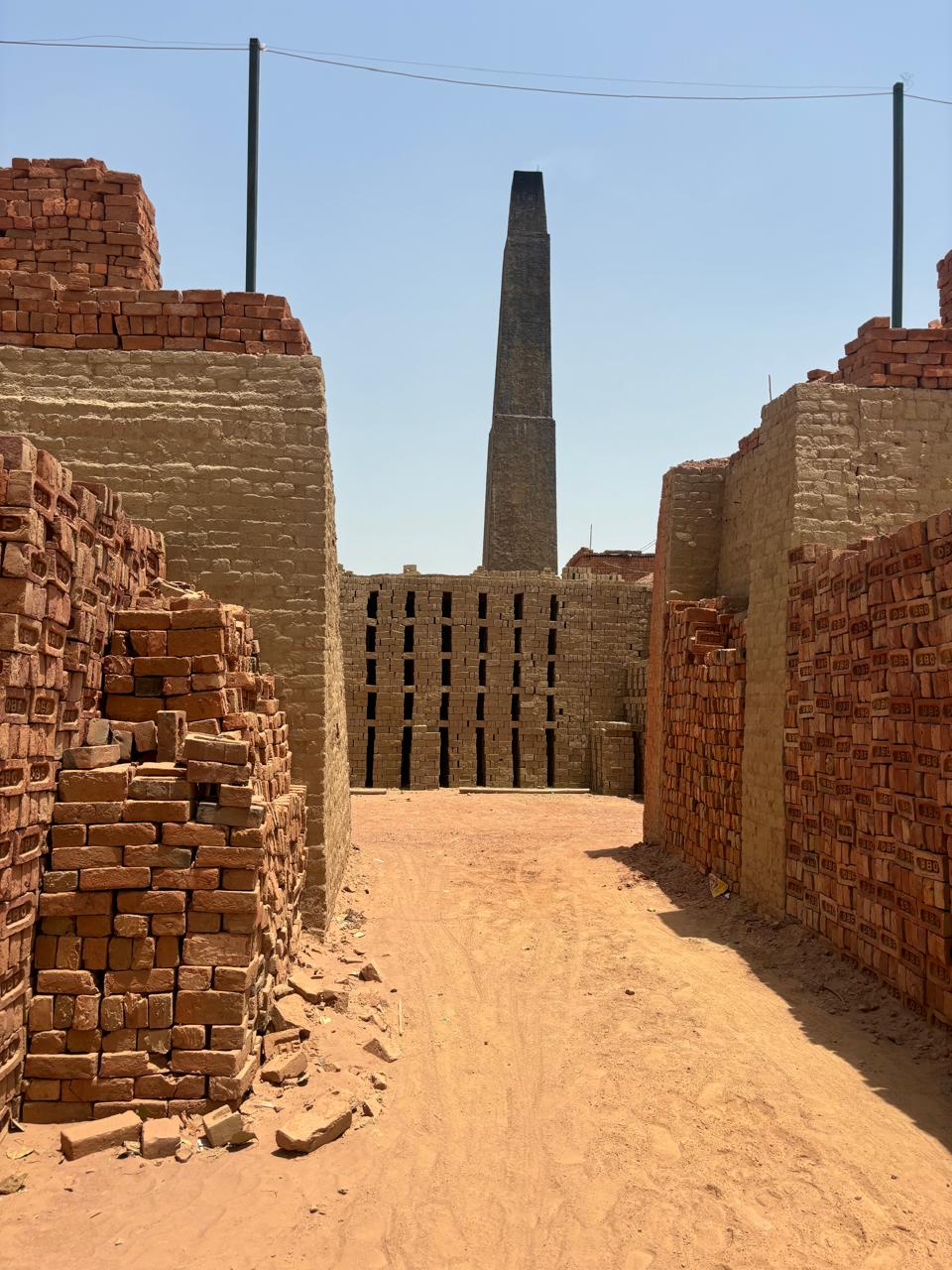
In 2016, the Environment Pollution (Prevention and Control) Authority had issued directions giving a two-year period for all kilns in Ghaziabad to switch to zig zag technology – an energy efficient kiln design where the chimney retains heat for longer. Subsequently, the Supreme Court ordered the reduction of the period of manufacturing bricks from seven to four months, and the mandatory use of agricultural waste instead of coal.
This marked the beginning of many challenges the sector would face.
“Now you can’t get coal even if you want to,’’ Tewatia said, adding that the main issue with using agricultural waste was the lower temperatures achieved in the kilns compared to when coal was used to fire them.
“We need a temperature of 1200 degrees Celsius to cook the clay. With agricultural waste, this temperature can’t be maintained, and reaches only 900-950 degrees. As a result of this, the bricks that are being produced are of lower quality and more fragile,” he explained.
Utsav Sharma, who oversaw the Ghaziabad division for the UP Pollution Control Board during the initial years of the transition, said the brick kilns closed in phases.
“The transition to zig-zag requires an initial investment cost of Rs 40-50 lakh, and many kiln owners at the time had shut down. Last year, the use of coal was banned in the Delhi-NCR, and the use of agricultural waste was mandated, leading to further shutdowns,’’ said Sharma, who now heads the pollution board’s Noida division.
Kiln owners said the reduced duration of the brick baking season also impacted production volumes, hitting overall earnings, even as brick quality started dipping owing to the use of agricultural waste instead of coal. Closures, they said, were inevitable.
Coal-fired, high-quality bricks fetched Rs 5,500 per 1000 bricks, which were now being sold for Rs 2500-3000.
“We have been demanding that the government allow us to use a mix of coal and agricultural waste,’’ said Tewatia.
Pollution control board officials said the central government did provide alternatives, including biomass brickets and CNG. “But these will also not give a calorific valuesimilar to coal. CNG also needs different infrastructure, which the kilns do not have,’’ an official said.