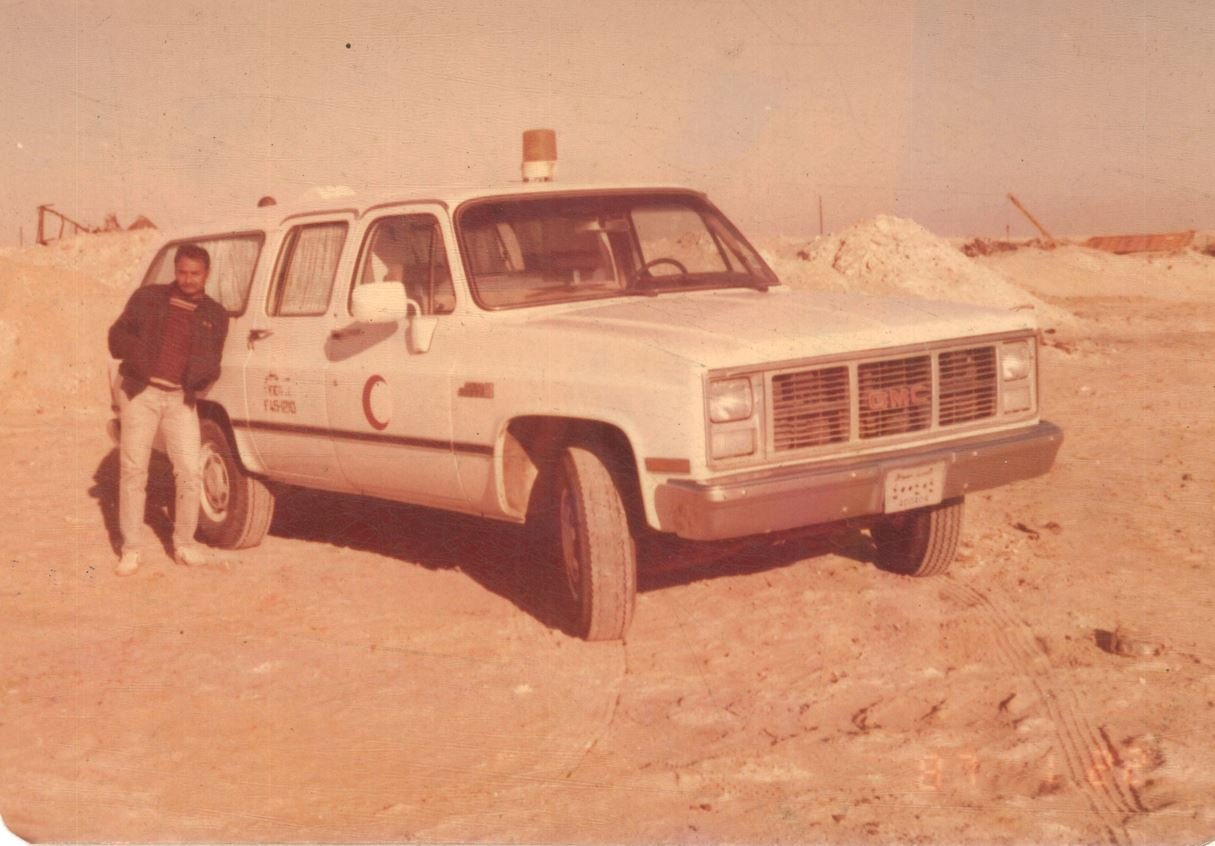
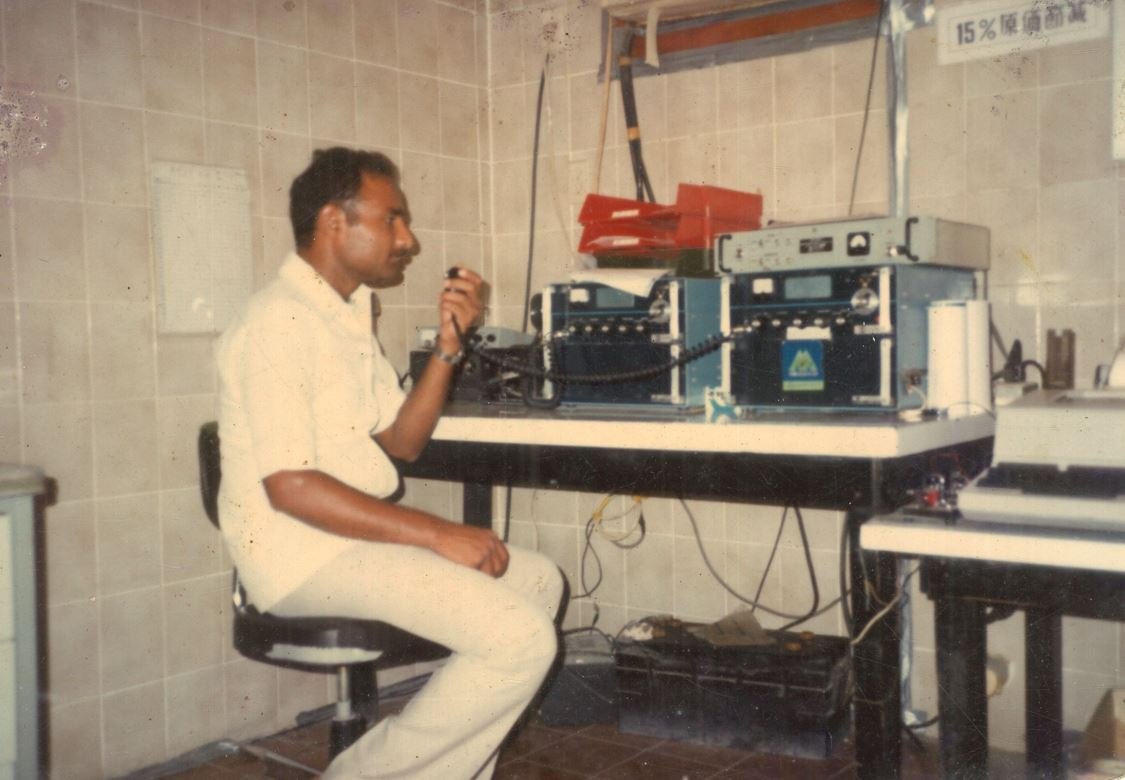
Having a landline telephone was a major achievement and a sign of wealth in villages across North India back in the 2000s. At home, this was the only luxury we saw on TV which we could afford. This luxury became possible solely because of “Gulf Money.” The primary purpose of our landline telephone was to receive calls from the Gulf countries.
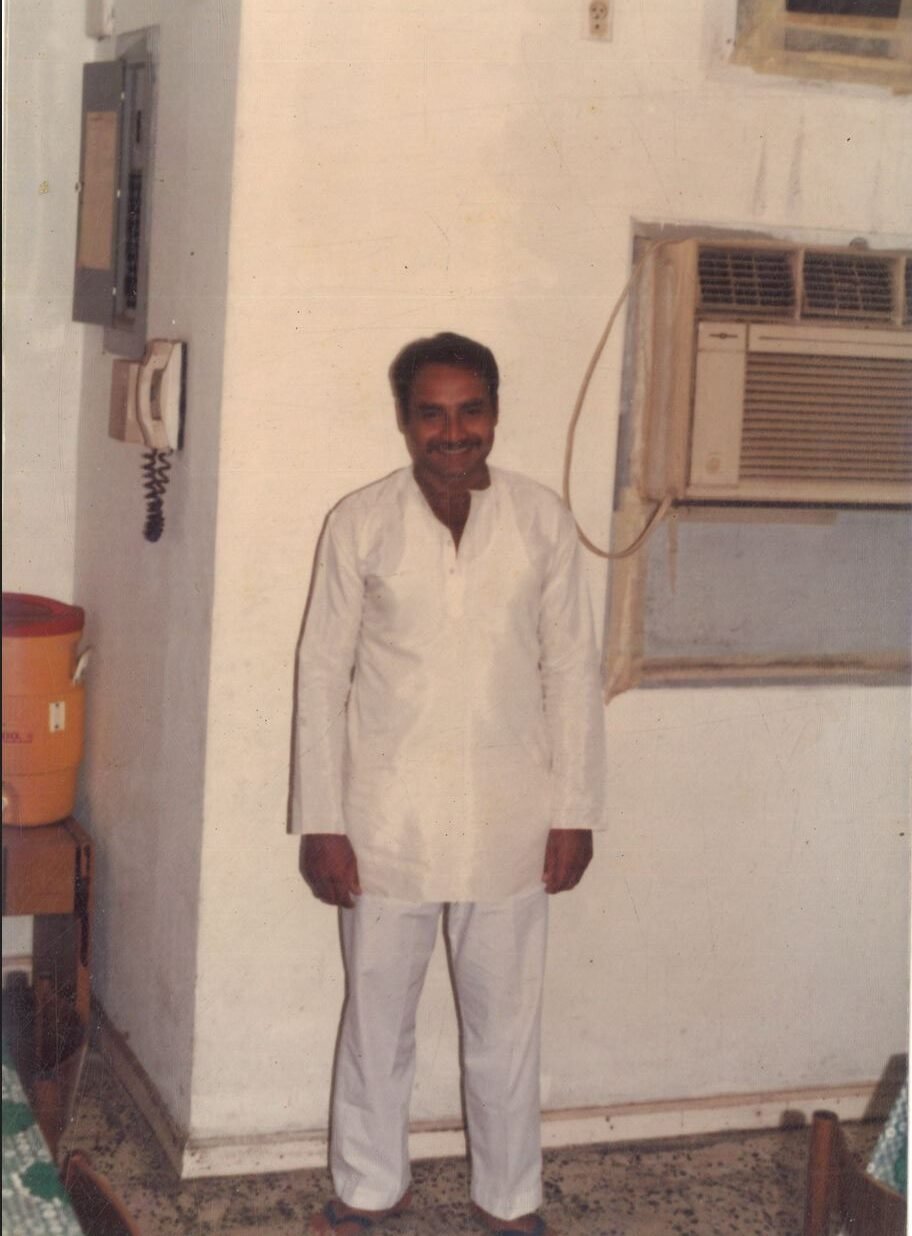
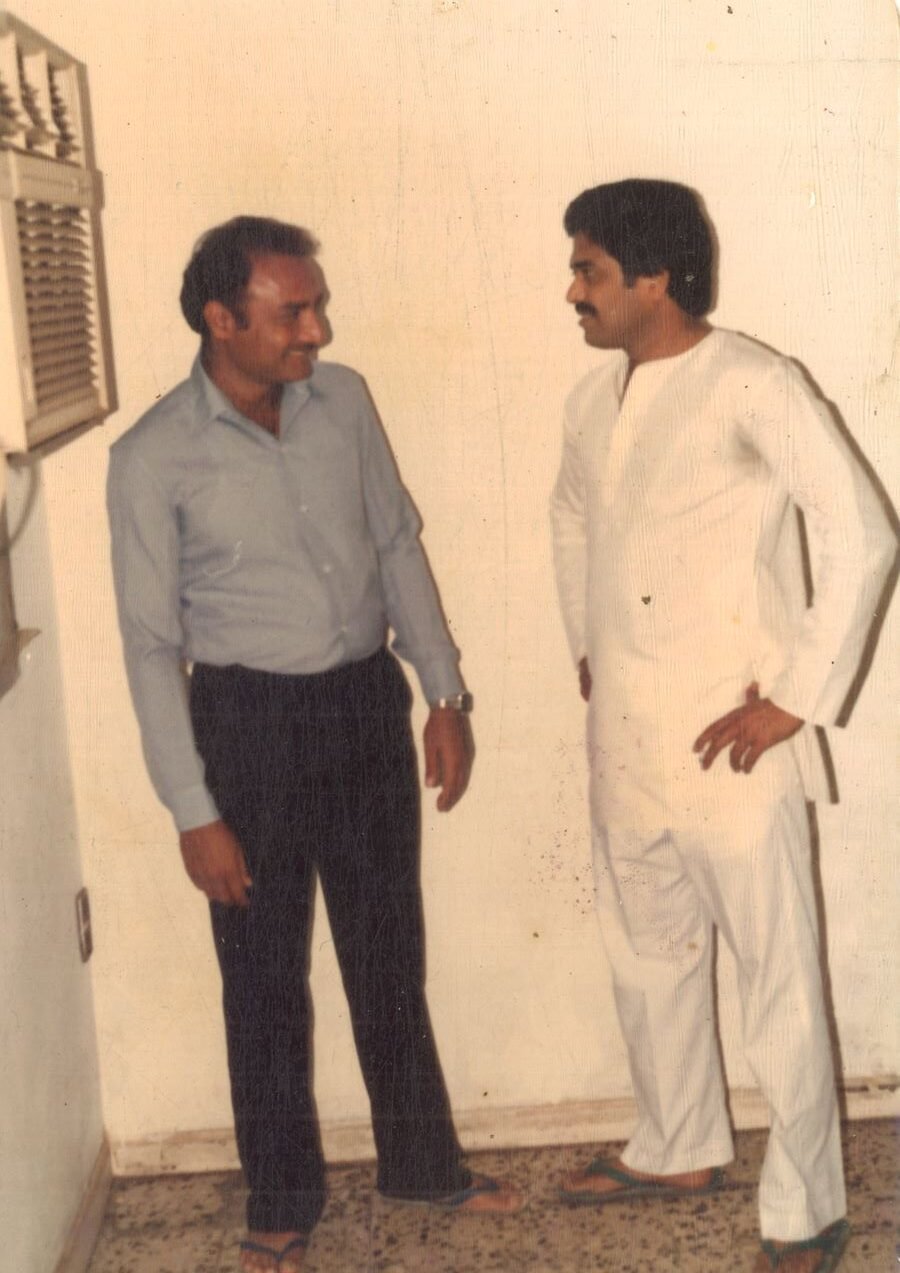
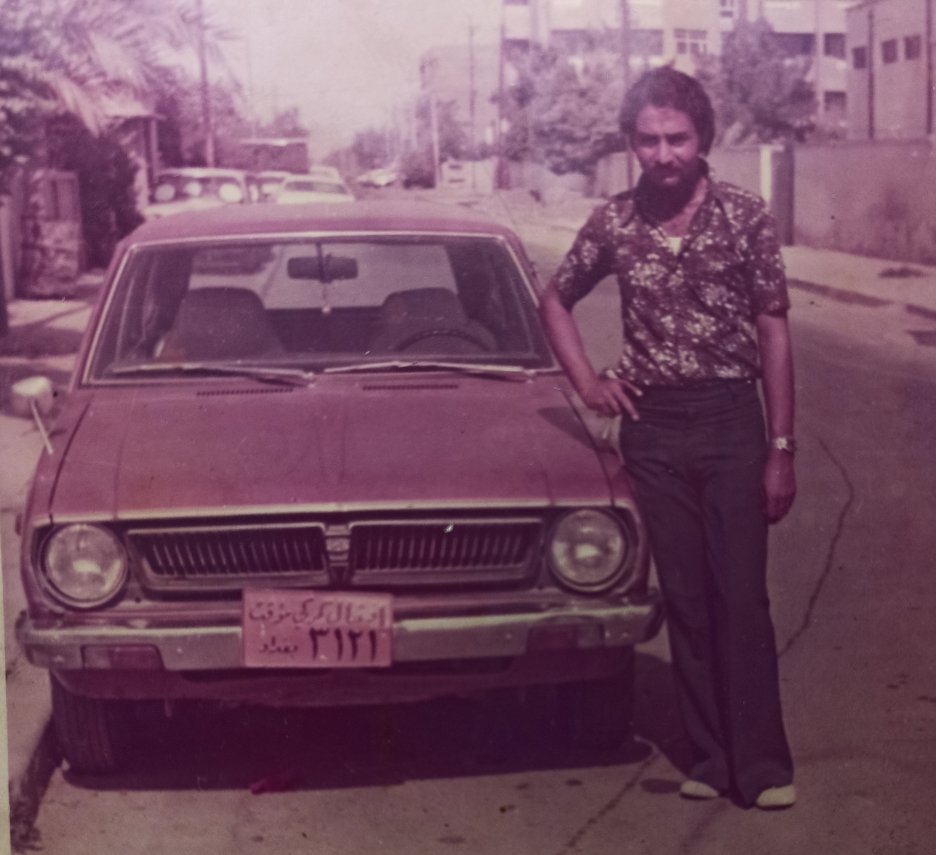
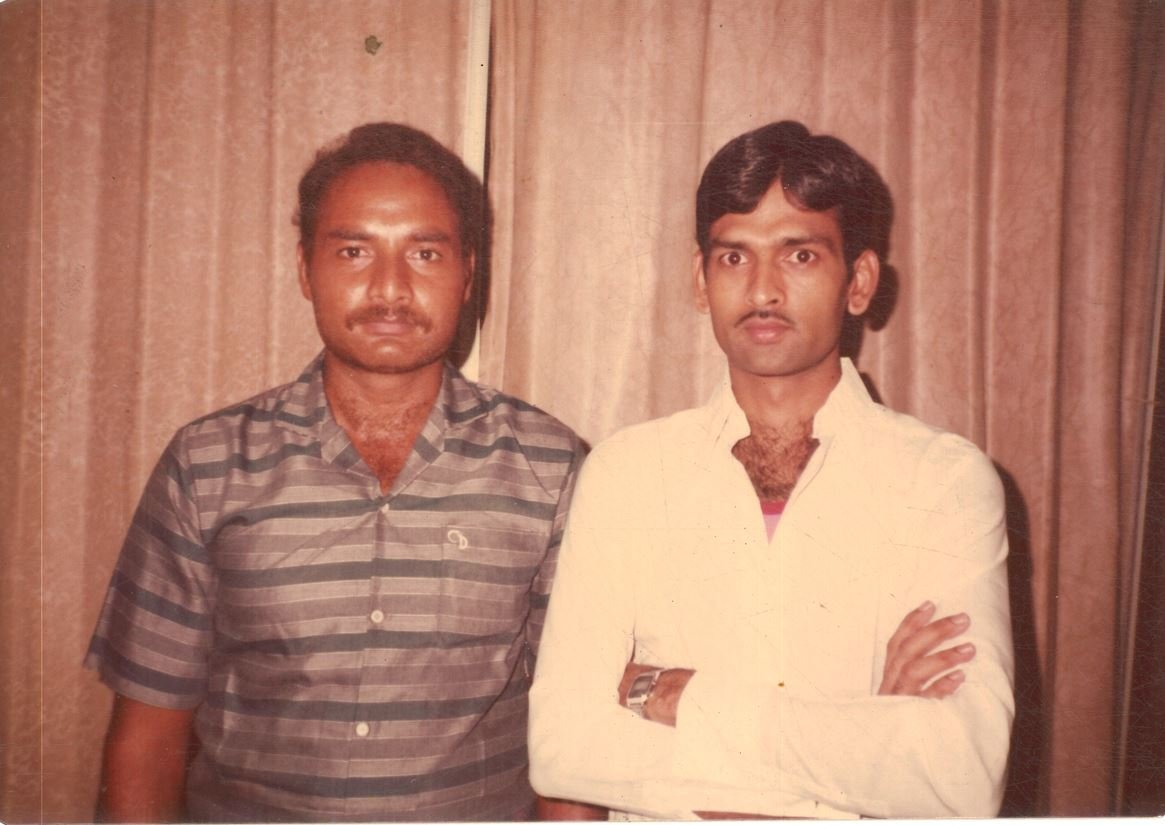
To date, in my village in Bihar, at least one male member from every family lives in an Arab country. They typically reside overseas for two years at a stretch and then return for a two-month vacation. In those short two months, men must attend to their wives, kids and relatives; spend time with everyone; and indulge in many activities such as attending weddings; travelling to relatives’ houses; and being present for various medical emergencies. This vacation is hence a formality- because during these two brief months, the male members of households basically shoulder the costs of being a man in society. They usually carry on the social custom of keeping themselves busy, bearing with the expectations of absolutely everyone and everything, except for spending leisurely time with their wives and kids.
Back in the 2000s, when someone in the village installed a landline telephone, it instantly became a shared resource for the entire community. Complete with a certain set of unspoken rules of conduct, the landline also added both cultural and social dimensions to the use of this technology. It was, for instance, the responsibility of the landline owner to inform the intended recipient of any calls, as well as accurately deliver messages. The use of the phone was hence never limited to just one family. Instead, the phone was used by the entire mohalla.
My own home had a landline telephone which catered to almost six to seven houses in my mohalla. Usually, neighbours would count on one person having a telephone connection in the entire mohalla, and they wouldn’t bother to install one in their own house. This was because the telephone system was perfectly functional, allowing one to share their neighbour’s telephone number with anyone. When someone called, it became the phone owner’s duty to inform that person. This system was a part of society, and people practiced it with happiness.
Providing your telephone to your relatives and neighbours for their use was considered a sacred act of hospitality and community support.
In fact, the phone owner also provided private space for that person to talk. Typically, people preferred calling during the daytime, making it easier to reach someone from another home. The nights were usually dark, as there was no electricity. Some people also had extension phone sets—one in common areas such as the baramda or kothri, and another phone set placed in a room, typically the bedroom, a newly built room, or on the first floor. So, if someone called from abroad to talk to their wife, the phone owner usually provided the bedroom phone, where nobody else could go.
I remember once, back when I was roughly 12 years old, someone telephoned to talk to my uncle. The code of conduct was clear: the moment you answered a call you had to rush to the person concerned to inform them. In this act of informing the person concerned and bringing them to the telephone on time, I was considered talented because I used to run the fastest, informing the person about the call. My speciality was that I acted fast and I did not leave it to chance for a single call to go missed.
So, when one day someone called asking to talk to my uncle, I was naturally the person tasked to run to his house and inform him. I ran as fast as I could, but I found that he was not there. Someone standing near the house suggested that he may have gone into town. With this information, I returned home alone. Everybody at home was surprised: I was the person who never returned alone; I usually brought the intended person with me.
That day, my father was also at home for his two-month vacation from Saudi Arabia. “Where is Uncle?”, he asked. To which I replied, “He went into Siwan (town).” My father promptly put on a shirt and pants to also go to Siwan and inform Uncle that someone had called for him. All of us kids were excited. Papa would be going to Siwan, and we would accompany him on the bike and get to drink Pepsi. (My father used to call it “Botal” (Bottle)). Cold drinks were only available in town because there was no electricity in the village to keep the bottles cold. My cousin and I were hence excited to see Papa changing his clothes. However, I noticed that Amma was crying. As if she was saying, “Please don’t go for this small thing: it will waste our time together.”
Yet Papa couldn’t hear her tears. He went to Siwan anyway- to inform Uncle that someone had called him. My cousin and I went with him, happy at the prospect of getting a botal: a bottle of cold drink. On reaching Siwan, Uncle and Papa shared the information about the phone call. Uncle replied, “Why did you come all the way for this? It’s not a very important call.”
It was only much later that I deciphered why Amma was crying. She must have felt that in the process, she might lose out on a chance of spending a few precious hours with her husband. The afternoons were a slightly free time for Amma- and this call came in the afternoon. She knew that by the time her husband returned, it would be evening, by which time she would be busy cooking good food for Papa, who would then be occupied with his social life.
Before my family had a telephone connection, we used to visit another house for calls to the Gulf. Initially, we went to a different mohalla because there was no phone connection in our mohalla. Only the super-rich in the village could afford a phone connection. My father used to make calls on the 1st or 2nd of each month, on salary day. Deep down, we all eagerly awaited his call, and I am certain my mother waited for the entire month for these calls. Around eleven in the morning, my father would call from another house in a different mohalla: the house of Anwaar Dadi. The truth is, we did not know Dadi’s real name, so we called her by her husband’s name instead: Anwaar.
So, she became Anwaar Dadi.
Anwaar Dadi would shout from her house, “Jaldi aao, Hafeez ka phone aya hai” (Come quickly, Hafeez has called). When my father called, we would never hear the ringtone because we were an entire mohalla away.
Anwaar Dadi was our ringtone.
Anwaar Dadi was not a relative of ours; she was simply our neighbour, and not even a very close one. Our connection with her was mainly through the telephone. What I remember most fondly about her was that she understood the urgency and excitement of receiving a call from the Pardes. (This term Pardes was always used by Anwaar Dadi especially whenever we did some mischief. She would keep saying, “Pardesi vaha akele mehnat kar ke mar rha hai, aur tum log badamsi karo”– He is working so hard and killing himself in a foreign country all on his own, and here you are making mischief).
I can still picture her running towards our house, calling out for us to come quickly and attend the call. Another beautiful gesture that I always remember is how she would give my mother some privacy while she spoke to my father. She understood that these calls were not just ordinary conversations. Perhaps she understood this pain because her own husband was also a Gulf migrant living abroad. In a way, she understood what it meant to have her husband absent from the house and how precious those few minutes of connection could be.
Her voice was quite near and dear to us because she used to convey the most beautiful message to us every month. I still have very fond memories of that old lady. Her call was a beautiful alarm. Interestingly, this communication system was one-way, where we were the ones waiting for the call rather than making it. Sometimes, due to technical issues or emergencies, migrants would fail to make a call. We would wait, growing increasingly disappointed, and eventually return home.
There was no way for us to let the migrant know that we were waiting in front of someone else’s phone, hoping for a call. After waiting for hours without receiving a call, we felt as though we had lost something. I remember my mother’s deflated face one evening after a call never came. When I returned home, my grandfather, who had stayed home that day, asked, “What happened? How is my son?” My mother sadly replied that he had not called again.
My grandfather’s face immediately fell too. Perhaps his sadness was not only because he had missed speaking to his son, but also because he knew that his daughter-in-law had been waiting an entire month to speak with her husband.
In normal cases, the first person to pick up the call to talk to Papa was usually Dada, who only talked for a few seconds and then left. I remember he would only ask, “Yha sab thik, vaha kya haal hai? Ek rupay bhi kissi se karz nahi lena hai” (Is everything fine here? How is everything there? Don’t borrow even a rupee from anyone). After this, he would walk out of the room and head for home.
Then us kids got a chance to speak one by one. Our script was also the same almost every time. “Papa mujhe ghadi chaiye aur video game chayie. (Papa, I want a toy car and a video game).” The kids’ demands would change according to each sibling’s age and gender. While my older brother kept asking for jeans, my sister would ask for a doll- and we would all conclude in 1-2 minutes.
Finally, Amma’s turn to speak would come. After listing our demands to Papa, all the siblings would out- but I would always stay back, used to sticking with Amma. Old Anwaar Dadi used to come and start getting angry with me: “Jao khelne, Amma ko bat karne do (Go and play, give Amma a chance to speak),” she would say. Though Amma never asked me to leave. I kept wondering: why is this lady pushing me out? Sometimes I would leave, feeling slightly insulted. I hardly remember what my father and mother used to talk about. The one thing I do recall is her always talking about the school fees, and how much money she had to send to another city, because my elder brother was studying there.
It was only years later, when I grew up, that I realised why that old Anwaar Dadi used to push us out when Amma was on the phone. She wanted to give some private time to my mother so she could speak to her husband openly. Every mother in my village used to get only one chance in a month to talk to their husband.
Since Gulf migrants used to come home just for two months in two years, leaving barely any time to talk peacefully or express their love, phones used to be another option for Gulf migrants to talk to their wives, fiancés or girlfriends. In my father’s case, it was a little easier because he was a driver and had access to a vehicle. He could travel a little farther to a telephone booth where there was less rush and speak to us more comfortably. But my uncle did not have that option. He often told us how, on holidays, he would spend hours standing in a queue just to get his turn to speak to his family.
Perhaps what is telling is the most significant memories I have about getting a landline telephone. After its installation in my home, I went about informing all the migrant families to call my home instead of venturing to another mohalla. I would say in one go, “Ab humare ghar phone lag gaya, aur hamara number hai 25240, aur 06154 laga liya pahle. (Now that we have a new landline connection, you can call my house. My phone number is 25240, with the prefix 06154).”
Nehal Ahmed is a Research Fellow with Arisi Policy Lab. He is a PhD holder from the Academy of International Studies, Jamia Millia Islamia, New Delhi, and is also a filmmaker and author. His research interests consist of Indian cinema, world cinema, and migration studies. Nehal runs a multimedia project on Gulf migration called The Pardesi Project. Some excerpts from this essay were documented as part of ‘Poorvanchal Aur Palayan: Transversal Narratives of Migration (2024)’, supported by the Serendipity Arts Foundation
This is part 1 of a two part essay and has been co-published with the Arisi Policy Lab