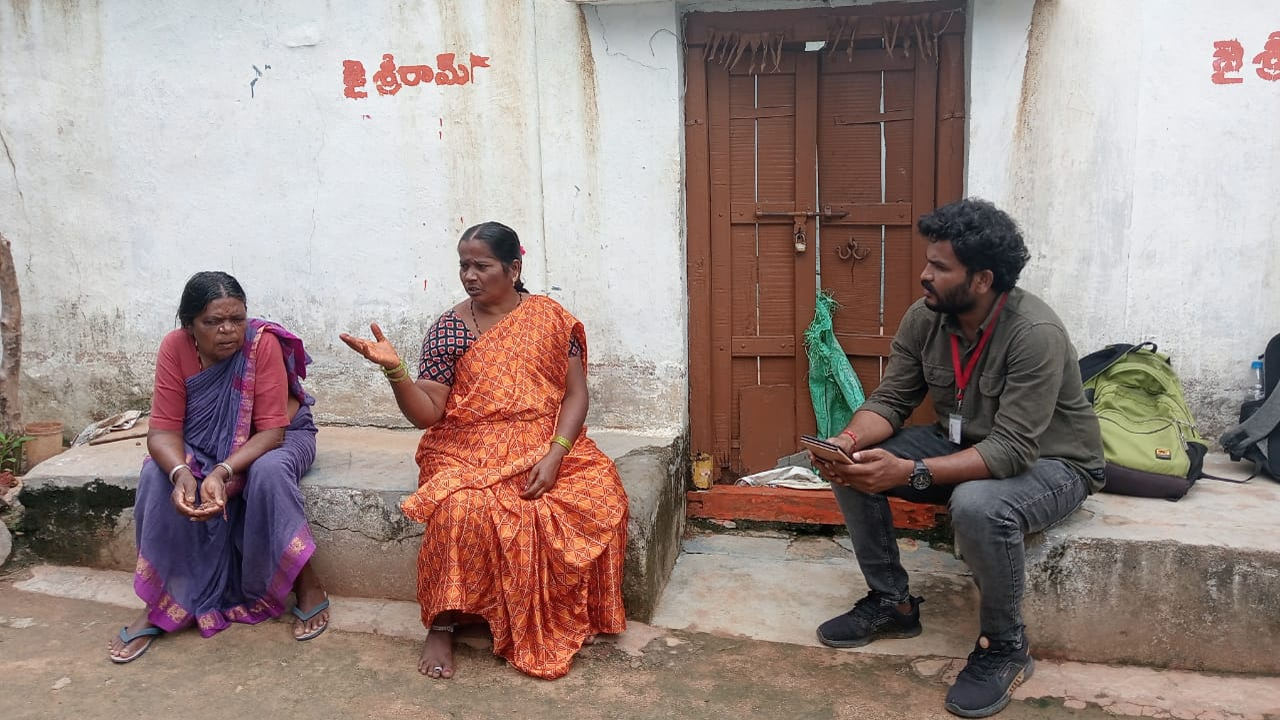
Last month, during a field visit to a flood-hit village in Assam’s Nagaon district, we sat with a woman in her thirties who quietly recounted what the past year had looked like. Her mother-in-law had ringworm spreading across her arms and feet after weeks of wading through stagnant floodwater. Her younger child had suffered from dysentery. The elder had a fever the local health worker suspected was typhoid. While she was tackling the seemingly unending medical emergencies, her husband was in Guwahati looking for work on a construction site. He had left before floodwaters breached the Hatimura embankment on the Brahmaputra in June 2025, cutting off villages and submerging homes and farmlands.
When we met her, six days had passed since she had last heard from him. Everything else, the children, the illnesses, the ageing parent, the flooded house, was hers to manage – a gender challenge we see repeating ever so often across our field journeys in Jharkhand, Telangana, Bihar, West Bengal, Maharashtra and Uttarakhand.
The policy brief ‘Migration, Climate Change and Gender’, which we co-published recently with research and advocacy group, the Institute for What Works to Advance Gender Equality (IWWAGE), resonates with much of this learning. It puts a number on what we had already watched unfold: an estimated 3.86 million people were internally displaced in India in 2020 by extreme weather, according to the Internal Displacement Monitoring Centre, and that figure could rise to 45 million by 2050, as per a 2020 projection by ActionAid India and the Climate Action Network South Asia.
But numbers rarely give a glimpse into the lives of those left behind.
For us as researchers at the Policy and Development Advisory Group, that is the more urgent story to document. And tell.
Climate migration is usually told as a story about mobility: who leaves, where they go, what they earn once they get there. Our fieldwork keeps pointing somewhere else, to the people who stay.
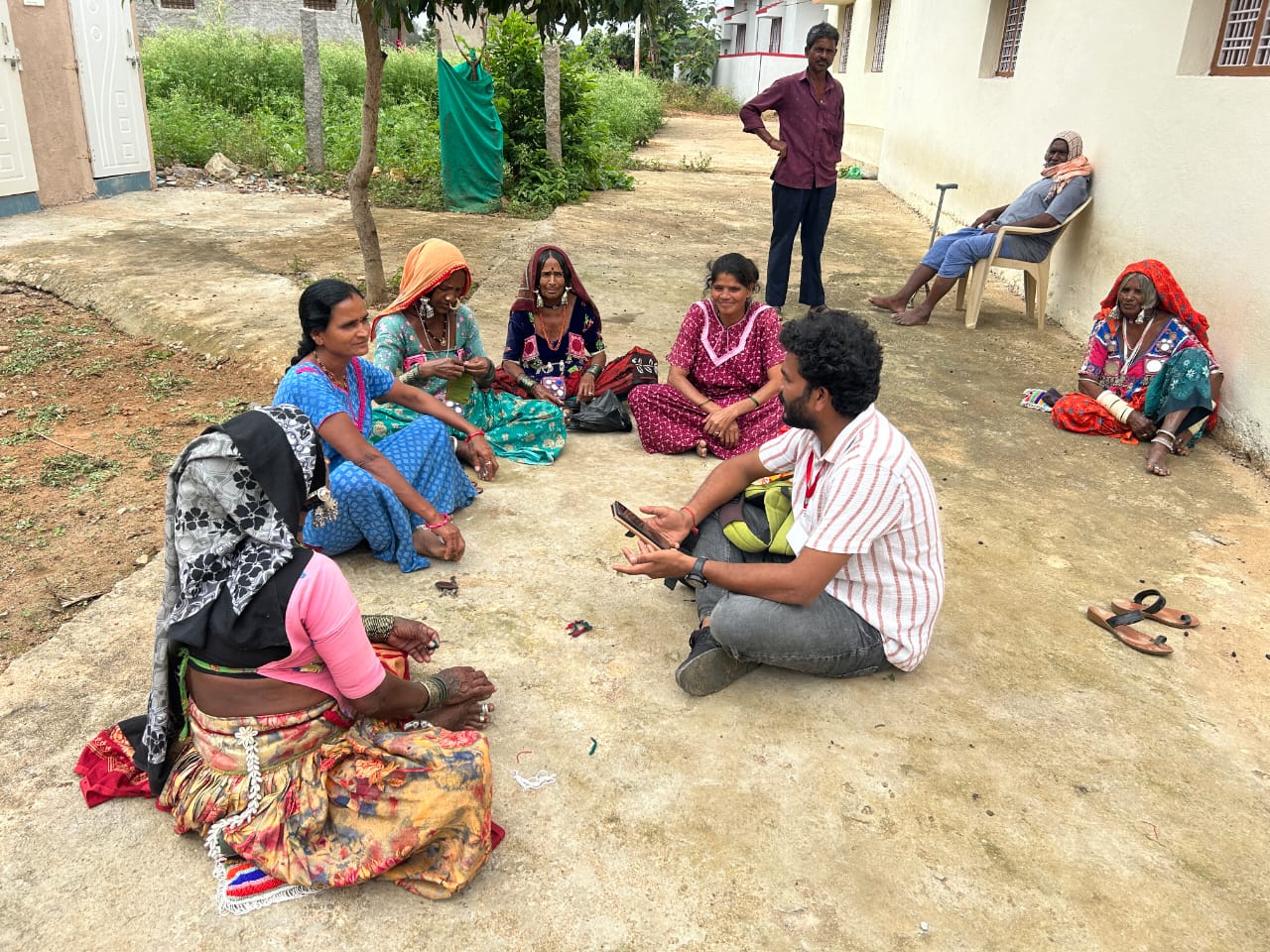
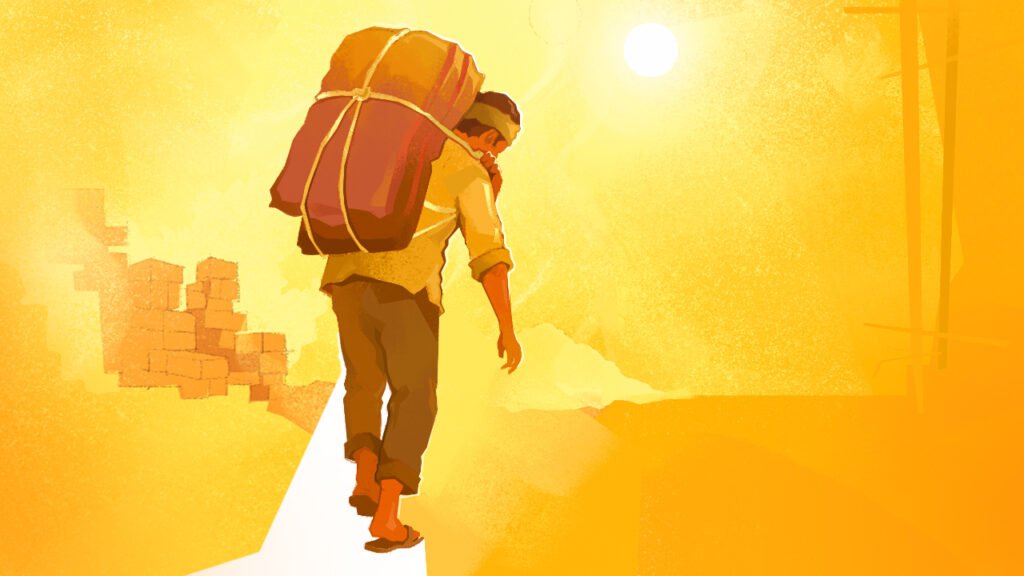
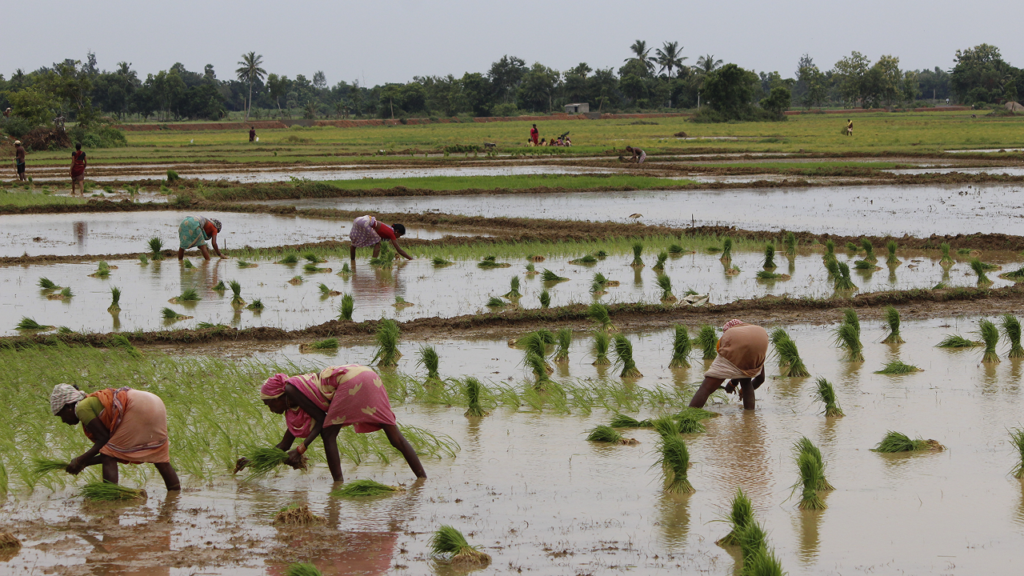
When drought, floods or cyclones destroy local livelihoods, it is still overwhelmingly men who migrate first. Women’s migration, when it happens at all, tends to follow distress rather than opportunity. While men navigate the challenges of an alien state or a city, we learn from our interactions that the sense of stability becomes even more elusive for the women who stay back. They inherit farm work, become primary caregivers of elders while they also tend to their children. These duties are additional to the traditional roles they already shoulder: cooking, fetching water, and the countless invisible chores of running a household.
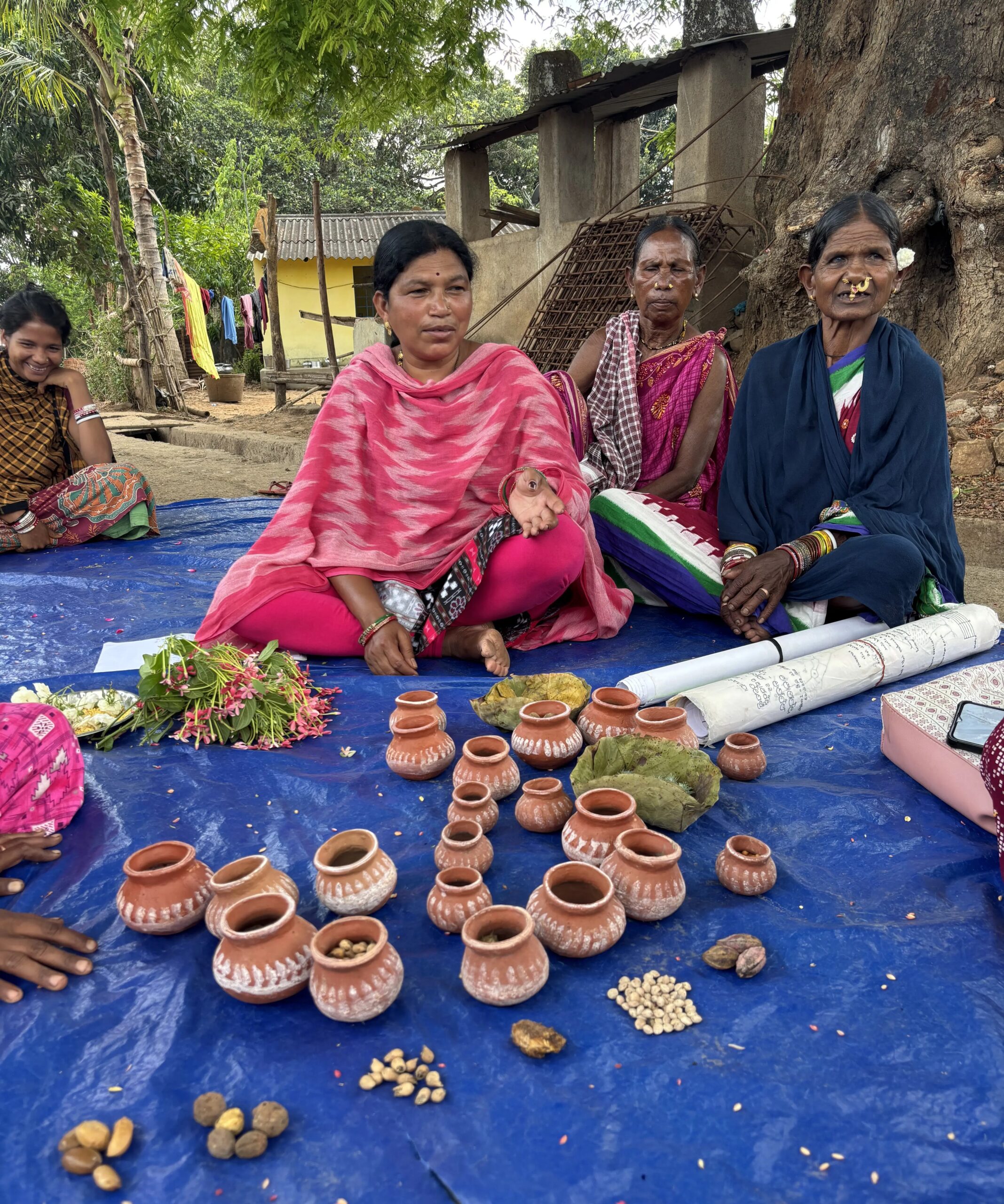
We have watched this take shape starkly in Bundelkhand, a major source of migration to Delhi, Mumbai and Lucknow, where repeated drought has pushed men out while women take on farming, livestock and household duties, with little land, credit or say in how any of it is run, and real exposure to stigma and harassment once the men are gone. We heard a version of the same story from panchayat leaders across several Jharkhand blocks during multiple editions of the ‘Conference of Panchayats’ initiative: women now managing farms, children, elders and self-help groups, with local institutions stretched thin to support them.
FALLING THROUGH THE CRACKS
Women migrating for work have for years found themselves cut off from maternal health services offered by the state and particularly vulnerable to exploitation and harassment, research and studies have shown. The sugarcane cutters of Maharashtra report rampant abuse, healthcare challenges, poor wages and rough living conditions.
Our own study in Uttar Pradesh and Rajasthan in 2024 found that over 60 percent of migrant women in informal employment in brick kilns and construction sites have no benefits like maternity leave. Housing support is not available to them.
Existing schemes, the e-Shram portal, One Nation One Ration Card, the Affordable Rental Housing Complexes scheme, have been put into place post COVID-19, but they often fail to reach migrant women for lack of documents.
Elsewhere the pattern holds with less extreme but still serious consequences. Migrant women earn 20 to 50% less than men for comparable work, by the ILO’s estimate. Women leaving Assam’s tea gardens for Bengaluru and Chennai often move through kinship networks that get them work quickly but trap them in low-wage caregiving roles for years, much like women pushed into fish-processing and pharmaceutical shifts around Tamil Nadu’s Pulicat Lake, where siltation, a choked sea-mouth and falling salinity have steadily thinned the catch and pushed younger residents out of fishing altogether (ICSF, 2021).
The same pattern shows up across the informal economy: reporting by The Migration Story has documented tribal women farm workers in Gujarat facing routine sexual harassment with almost no functioning local complaints committees to turn to, and women migrating out of cyclone- and erosion-hit coastal Odisha describing the loss of community, language and culture as a cost as real as any wage.
CONFIRMATION OF WHAT WE KNOW
In 2024-25, we at PDAG worked on a rapid climate vulnerability assessment and household baseline study in drought-affected Telangana, for a FAO-IOM Joint Programme on Migration, Agriculture and Climate Change. Working across Nizamabad and Narayanpet, we kept returning to a pattern: the Left Behind Women, those who inherit both farm and household once the men migrate, overwhelmingly towards the Gulf.
In Nizamabad, women told us they now did the bulk of the farm’s manual labour while holding the household together, and most said no one, not family, not the panchayat, not any scheme, offered them support while their husbands were away. In Narayanpet, migration ran shorter distances but no less hard, and the toll showed up differently: anxiety over an overdue remittance, a stigma around admitting it.
Both districts were chosen for the study precisely because of their exposure to extreme climate events: among surveyed households that noticed climate shifting, 77.5 percent reported reduced monsoon rains and 71.5 percent reported hotter summers, against a backdrop of 21 to 40 heatwave days a year statewide and groundwater tables that kept falling. Extreme weather events had fuelled migration, but also redistributed work, and added risk and responsibility on the woman’s shoulder in rural household, but with no change in her earnings.
None of this was however new to us.
There is still no dedicated acknowledgment and a system for tracking climate-induced migration; the Census and the National Sample Survey do not categorise it, and a 2020-21 attempt through the Periodic Labour Force Survey has been discontinued. In 2022, parliamentarian Pradyut Bordoloi introduced the Climate Migrants (Protection and Rehabilitation) Bill in the Parliament, proposing a legal framework and a dedicated fund. The bill is not yet passed.
Our recommendations – gender-disaggregated data in the Census, entitlements that travel with women wherever migration takes their families, childcare infrastructure, secure land rights and credit for women who stay back to farm, and real support for elected women representatives already doing this governance work informally – which we have made even previously, are not impossible dreams to achieve. But they need a concerted policy and political commitment.
These recommendations will bear fruit only if there is the will to treat them as tenets of climate adaptation, not separate social policy measures.
Migration only changes the location where a woman works. It does very little to change how much responsibility they carry.
The woman in Nagaon never called herself a climate migrant. Nor did the panchayat leaders in Jharkhand, nor the women in Nizamabad and Narayanpet, who rarely used the language of resilience that fills our reports. They talked instead about illness, failed crops, missing incomes, strained communication lines with husbands who had travelled far in search of work, and households that somehow had to keep functioning regardless.
That, increasingly, is what climate migration looks like across rural India. Not only people leaving. Women staying behind to hold what’s left together, largely unseen by the systems meant to support them.
By 2050, climate disasters could force 45 million people in India to move homes and habitat, as per ActionAid India and the Climate Action Network South Asia’s 2021 report on climate induced displacement. We will almost certainly find ways to count many of those journeys. The harder task is recognising the millions of women whose lives are already being reshaped long before anyone leaves home. If our response to climate change continues to measure only those who move, we are at risk of a large population slipping – of women – invisibilised in policy intervention as well.
Arindam Banerjee is Co-founder and Partner at Policy and Development Advisory Group (PDAG). Bhargabi Ghosh is Associate Director (Public Policy and Strategic Communications) at PDAG.
- Internal Displacement Monitoring Centre (IDMC). 2021 Global Report on Internal Displacement (GRID 2021) — India country figures. internal-displacement.org/global-report/grid2021
- ActionAid India and Climate Action Network South Asia. South Asia Climate Migration Report, December 2020. actionaid.org/publications/2020/south-asia-climate-migration-report
- International Labour Organization. The Migrant Pay Gap: Understanding Wage Differences Between Migrants and Nationals, December 2020. ilo.org/resource/news/migrant-pay-gap-widens-many-high-income-countries
- IWWAGE (Institute for What Works to Advance Gender Equality) and PDAG. Migration, Climate Change and Gender (policy brief, co-published).
- Chauhan, Rohit. “Silent no more: women farm workers speak up for justice.” The Migration Story, 11 November 2024. themigrationstory.com/post/silent-no-more-women-farm-workers-speak-up-for-justice
- Yadav, Anumeha. “Overworked, undernourished: Women kiln workers risk health, pregnancies in race to reduce debt.” The Migration Story, 14 June 2024. themigrationstory.com/post/overworked-undernourished-women-kiln-workers-risk-health-pregnancies-in-race-to-reduce-debt
- Surin, Shobha. “Loss of culture weighs heavy on Odisha’s migrant women.” The Migration Story, 12 November 2025. themigrationstory.com/post/loss-of-culture-weighs-heavy-on-odishas-migrant-women
- Sentinel Digital Desk. “Severe Brahmaputra erosion at Hatimura Dyke triggers emergency response in Nagaon.” The Sentinel, 22 May 2026. sentinelassam.com/north-east-india-news/assam-news/severe-brahmaputra-erosion-at-hatimura-dyke-triggers-emergency-response-in-nagaon
- Food and Agriculture Organization (FAO) and International Organization for Migration (IOM). Climate Change, Labour Migration and Agriculture in Telangana: Towards a Resilient Future. Policy brief submitted by Policy and Development Advisory Group (PDAG), based on a household survey of 454 households and 16 key informant interviews across Nizamabad and Narayanpet, 2024–25 (primary research).
- Climate Migrants (Protection and Rehabilitation) Bill, 2022, introduced by MP Pradyut Bordoloi (Private Member’s Bill, not passed).
- Sivasubramanyan, M.V. “Micro livelihoods connected to fishing at Pulicat face an uncertain future.” Citizen Matters, 19 March 2024. citizenmatters.in/fishing-community-livelihoods-pulicat-lake-climate-change-environment
- Sundaram, Bharath, and Vadivel Chinnadurai. “Shifting Sands: The COVID-19 pandemic poses an additional challenge for the social-ecological resilience of the fisheries of Pulicat, India’s second largest lagoon.” SAMUDRA Report, Issue 86, November 2021. International Collective in Support of Fishworkers (ICSF). https://icsf.net/wp-content/uploads/2022/02/Sam_86_art06_India_Bharath_Sundaram.pdf