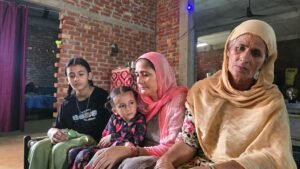
Jamuna Pasupareddy was the first young woman from her village in Odisha’s Rayagada district to leave home for a formal job — a job with a written contract, a salary slip, and access to benefits like provident fund and paid leave. Before her, girls from the village had never imagined such a thing was within reach for someone like them.
When Jamuna left and began sending money home, things slowly changed. Over two years she sent home nearly 300,000 Indian rupees, helping her family build a house. Other girls started asking questions. Their mothers, once hesitant, began pointing to Jamuna as proof that it was possible and safe. Following her, several young women from the village and nearby areas took up jobs outside their state in sectors like garments, nursing, and data entry.
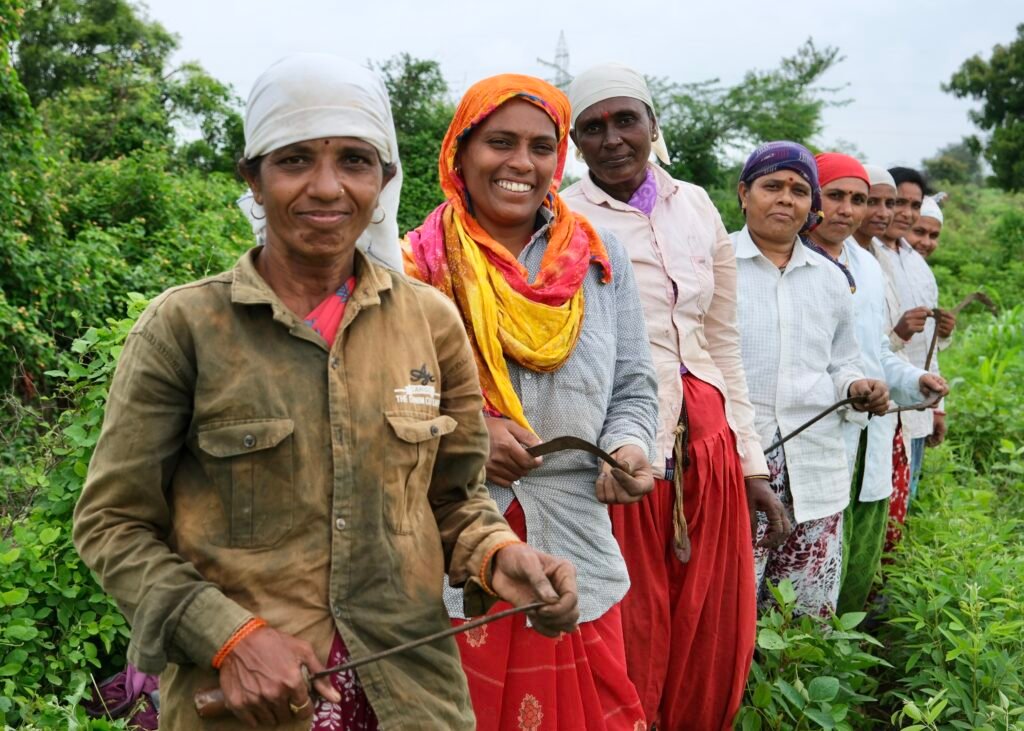
But Jamuna’s story also reflects a larger reality. Across rural India, more young women than ever are entering the workforce for the first time – a trend documented in successive rounds of the Periodic Labour Force Survey (PLFS) and corroborated by a growing body of research on women’s economic participation. Yet for many, formal work remains unimaginable until they see someone like themselves succeed. And even among those who do enter the workforce, many do not remain in it for long. Their experiences raise a larger question: what does it actually take for a young rural woman not just to access a job, but to remain in it?
At the launch of a new report by JustJobs Network and non-profit PRADAN in New Delhi recently, India’s Secretary for Skill Development and Entrepreneurship (MSDE), Debashree Mukherjee addressed this gap. “We run the skill programmes, we certify, we say the candidate is ready, we look at placement. What we don’t look at is what you need to sustain that placement — the mentorships, the networks, safe housing, a safe workplace. These are the things we don’t monitor over time,” she said.
It is a gap the headline numbers obscure. Rural women’s labour force participation has risen by 8.4% between 2022 and 2025, a figure received as good news. But the increase is largely driven by agricultural and informal work. According to the PLFS 2025, among employed rural women between 15 and 29 years, 87.9% are engaged in casual daily wage labour or self-employment with no contract, no paid leave and no social security. Only 12.1% hold regular salaried positions, compared to nearly 61.1% of urban women.
At the same time, 42% of young rural Indian women remain entirely outside education, employment, or training, nearly six times the rate for young men the same age. As several other studies have also noted, participation may be rising but the quality of that participation is not keeping pace.
The policy response has been largely centred on skilling. India has built one of the largest skilling ecosystems in the world, and Deen Dayal Upadhyay Grameen Kaushalya Yojana (DDU-GKY), its flagship rural programme, mandates that at least a third of trainees are women.
In practice, women now make up more than half of all beneficiaries. But a survey of over 2,600 DDU-GKY trainees across seven states found that just 24.5% of women remained employed three months or more after completing their training. Skills are being imparted. Jobs are being filled. The women aren’t staying.
FAMILY, SAFETY AND ADJUSTMENTS
The research by JustJobs Network and PRADAN, which tracked young women from communities like Jamuna’s through training and into workplaces in Tamil Nadu and Karnataka, points to why.
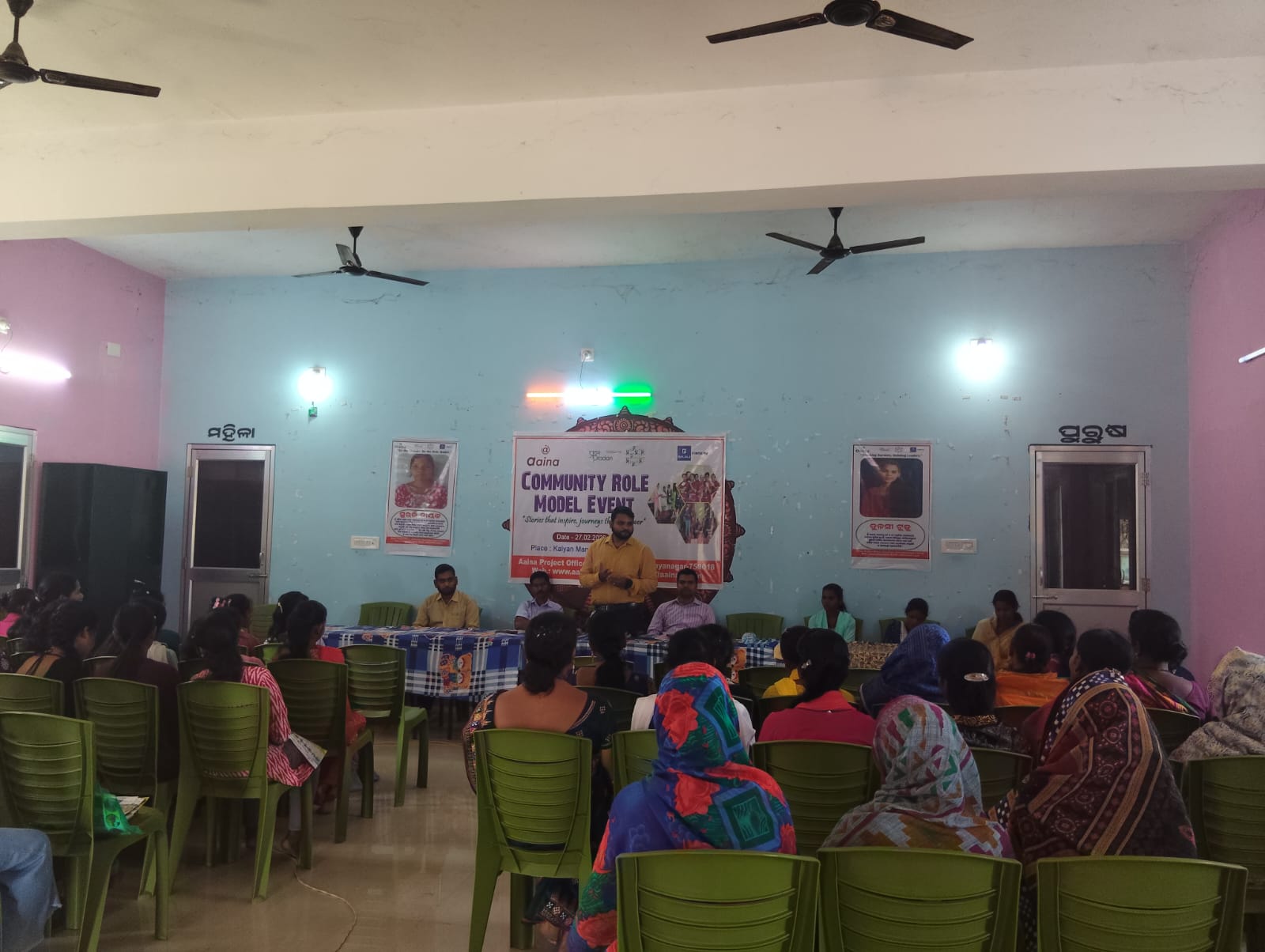
The barriers are not primarily about skills. For a young woman from a tribal community like the Dongria Kondh or Lanjia Saora in Rayagada, formal employment is not just distant, it is unimaginable. No one around her has ever held a salaried job with a contract. What shifts the horizon is seeing someone from the same village succeed, having a space to think about financial independence and understanding what formal work actually means. Without that foundation, technical training alone does not land.
Then there is the question of family. For most of these young women, migrating for work is a household decision, not an individual one. Parents weigh safety, reputation, and proximity. Efforts that treat consent as a box to tick rather than a relationship to build lose women before they even begin. Exposure visits that allow parents to see the factory floor and the hostel, travelling in groups so daughters don’t go alone, ongoing contact with families after placement, these are what make mobility possible at all. Even among women who do move, many are called back midway, for harvest season or to get married.
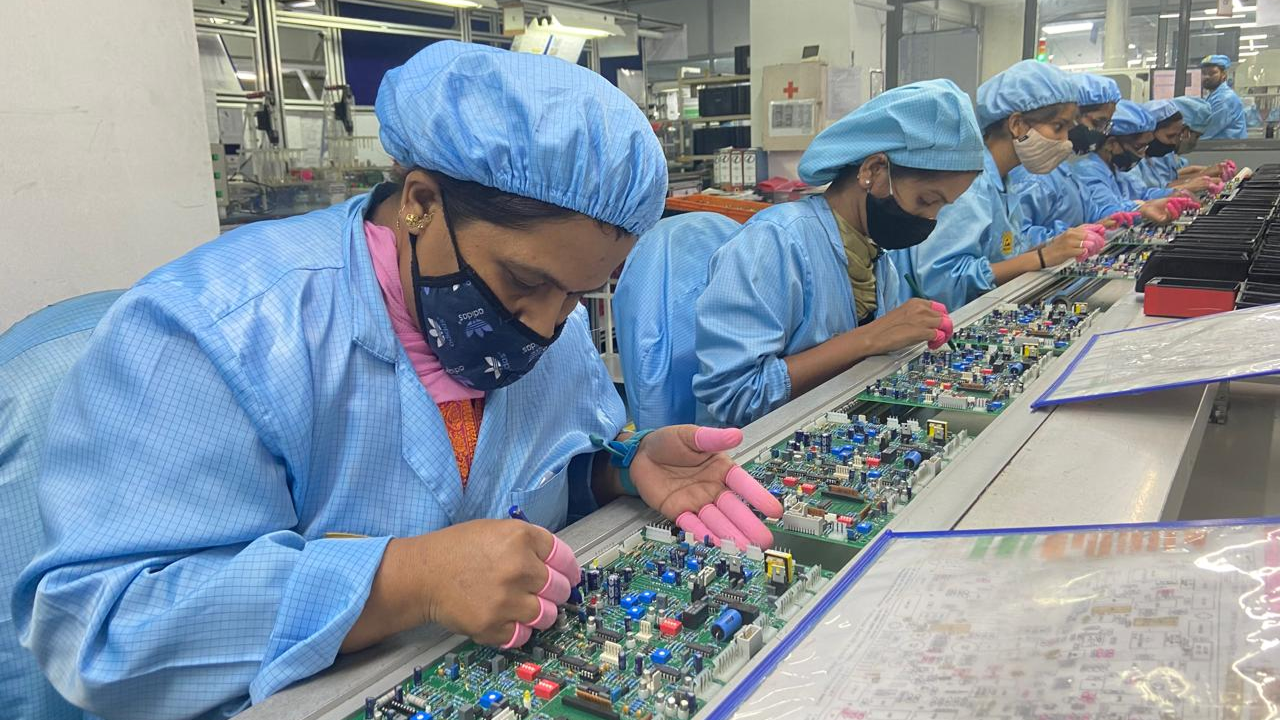
And then comes the hardest part – the weeks after a young woman starts work. Arriving in Hosur or Coimbatore in Tamil Nadu, she is not simply starting a new job. She is navigating a new language, unfamiliar food, long hours, and the acute isolation of being far from everyone she knows. As former Rural Development Secretary Amarjeet Sinha observed during the discussion, the last mile remains the most difficult part of implementation and also the part that receives the least investment.
Every young woman surveyed in destination states said that consistent post-placement contact, monthly check-ins, peer networks, someone picking up the phone, was the reason she stayed. Most efforts offer none of this. They end at placement, which is precisely where the hardest work begins.
What happens inside the workplace compounds the problem further. The protests that broke out among workers in Noida‘s industrial belt are instructive. Workers there, many of them young women in garment and manufacturing units, were earning as little as 10,000 to 11,000 rupees a month for 12 hour shifts. Hired as contract workers through agents, most lacked security of tenure or social security benefits. Overtime norms were routinely ignored. When external shocks like the West Asia conflict resulted in rising costs of fuel and basic needs, the accumulated pressure was unbearable. What began as workplace precarity spilled onto the streets.
The Noida protests reflect a wider pattern. The research found its own version of workplace precarity in the firms it visited. At one major manufacturer visited for the research, workers had not been told how promotions worked and pieced it together through hearsay.
At another, women received salary increases without explanation and were not given work experience certificates unless they explicitly asked. Without that paper trail, a woman cannot negotiate better pay and has nothing to carry to a future employer. This is not an isolated practice. It is, as the research notes, endemic to the ecosystem.
Young women are consistently placed in garments, data entry, and caregiving jobs – all low-wage work with little room for advancement. Many who were interviewed during the research had wanted to be nurses, teachers, or government employees. They took factory jobs because those were the jobs available.
Nearly 26% of India’s population is between the age of 15 and 29. While the skilling system has reach, what it lacks is the architecture of support that begins before a woman sets out, extends well past her first day of work and holds employers accountable for what happens after the placement letter is signed.
Jamuna’s story is real, and it matters. But it should not be exceptional. Right now, it is.
Dr Isha Gupta is the research lead for the skills vertical at the JustJobs Network. Her work includes examining systemic barriers, labour market demand, training quality and alignment of skilling initiatives with workforce needs across sectors